75,000-year-old Neanderthal spear wound suggests lethal violence
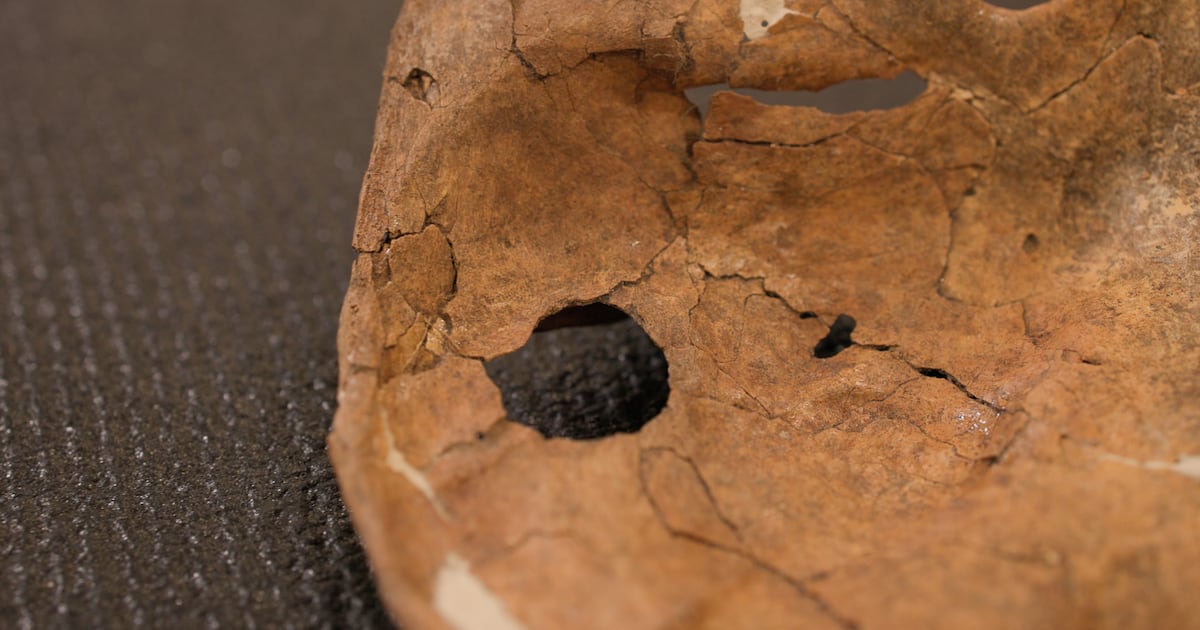
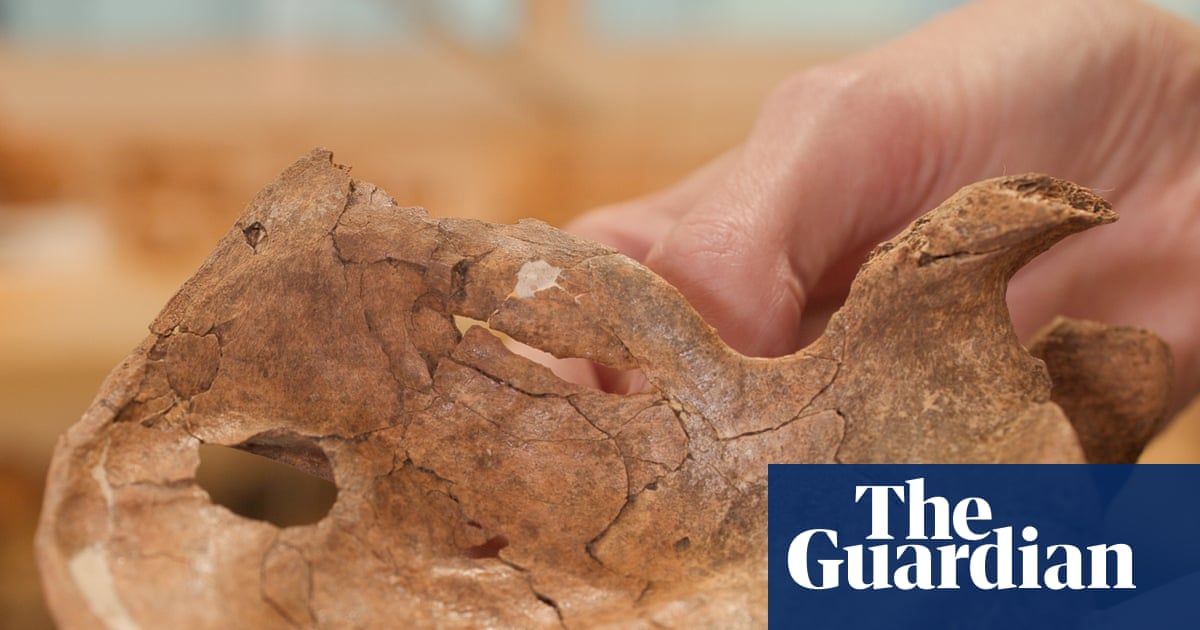
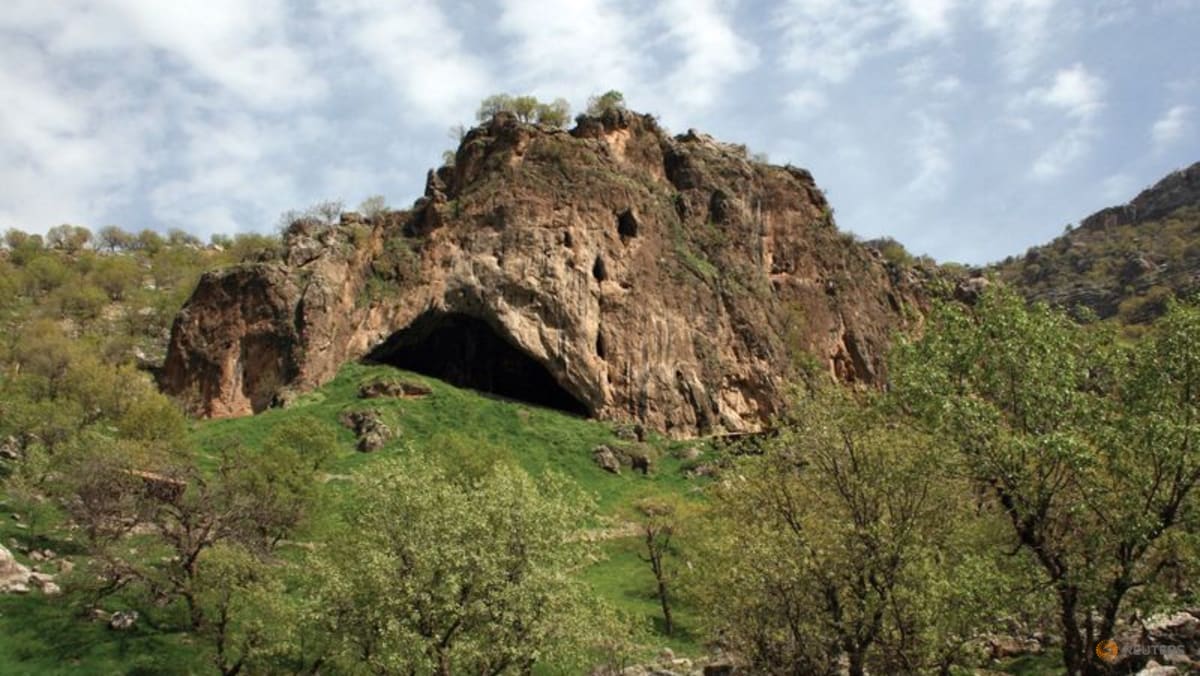
A study in Scientific Reports describes a round hole in the shoulder blade of a 75,000-year-old Neanderthal from Shanidar Cave, Iraqi Kurdistan, which researchers say may be the earliest evidence of a killing with a wooden spear. Whether it was deliberate violence or a hunting accident is debated.


1 / 6
The story, neutrally told
Mixed · 2Researchers say a smooth, round hole about 1.5cm (15mm) wide in the shoulder blade of a Neanderthal who died around 75,000 years ago may be the earliest evidence of a human ancestor killed with a wooden spear. BBC NewsN “They say a 15mm hole found in a shoulder blade in a cave in Iraqi Kurdistan could be the earliest evidence of lethal violence involving such a weapon.” Read at BBC News ↗ The GuardianLC “may be the oldest evidence so far of a human ancestor being killed by a wooden spear” Read at The Guardian ↗ Centre · 2The remains, named Shanidar A after the cave in Iraqi Kurdistan where they were found, belonged to an adult aged about 45, and the findings were published in the journal Scientific Reports. The NationalN “The Neanderthal has been named Shanidar A by researchers, after the cave” Read at The National ↗ New ScientistN “the wear on the teeth suggested that the remains were those of an individual who lived to be about 45 years old” Read at New Scientist ↗ Mixed · 2The bone was recovered under almost eight metres of rock and sediment; the partial skeleton includes the shoulder blade, a largely complete hand, ribs and teeth, and the shoulder blade shows fractures radiating from the hole, with bone fragments found in the wound. The NationalN “We were able to lift it out in one piece from under almost eight metres of rock and sediment.” Read at The National ↗ The GuardianLC “Close inspection of the shoulder blade revealed three fractures spreading out from the 1.5cm-wide hole and fragments of bone that filled the wound.” Read at The Guardian ↗
Centre · 3The team concluded that a sharpened wooden spear, rather than a stone-tipped one, made the hole; lead author Dr Emma Pomeroy of the University of Cambridge said spear reconstructions produce very similar round holes, though the wood itself has not survived. New ScientistN “a perfectly round hole that was probably made by a wooden spear rather than a stone-tipped weapon” Read at New Scientist ↗ BBC NewsN “Experiments with reconstructed wooden spears produce very similar round holes in bone.” Read at BBC News ↗ ABC News (Australia)LC “we can never be sure because, of course, the wood has not preserved.” Read at ABC News (Australia) ↗ Mixed · 2The researchers say the spear entered the chest from the front, probably damaging a lung and major blood vessels, and the injury was almost certainly lethal; the lack of bone healing suggests it happened around the time of death. New ScientistN “penetrated all the way through the chest, including the lungs and potentially major blood vessels, likely leading to a rapid death” Read at New Scientist ↗ ABC News (Australia)LC “Lack of healing on the bone, and fragments found nearby suggested the injury happened about the time of death.” Read at ABC News (Australia) ↗ Mixed · 2Whether the blow was deliberate is contested. Pomeroy said the wound's position and the force needed pointed to an intended "kill shot" at the heart, but she and co-author Chris Hunt acknowledged a hunting accident remains possible, and New Scientist said this is unknown. The GuardianLC ““I don’t think that’s something you do accidentally,” she said.”““Conceivably it was a hunting accident,” Hunt said.” Read at The Guardian ↗ New ScientistN “What is unknown is whether the injury was sustained while hunting or through violence.” Read at New Scientist ↗
Centre · 1Prof Chris Stringer of the Natural History Museum, who was not involved, told the BBC an attack by a rival seemed more likely given the wound's position and extent. BBC NewsN “the latter seems more likely, given the positioning and extent of the wound” Read at BBC News ↗ Left · 1Dr Sofia Samper Carro of the Australian National University, also not involved, called some conclusions "bold": she agreed the circular damage was unusual but said linking it to the cause of death was "a bit too much" without the weapon. ABC News (Australia)LC “It's unusual that you get those circular shapes, but correlating that with the cause of death? I think it's a bit too much,” Read at ABC News (Australia) ↗ Centre · 3The individual also had earlier trauma: a lower front tooth split in half and neighbouring teeth rotated, probably from a severe blow to the face, with hardened plaque on the broken edge showing survival for at least a year, which the researchers say would have required care from the group. The GuardianLC “The split tooth was caked in hardened plaque that would have taken at least a year to build up.” Read at The Guardian ↗ The NationalN “would have required care and support from other Neanderthals” Read at The National ↗ New ScientistN “which made one of their bottom front teeth split in half and also probably fractured their jaw” Read at New Scientist ↗
Mixed · 2Shanidar A was one of at least five Neanderthals placed at the same spot behind a large boulder over years or decades, which Pomeroy described as unusual and suggestive of meaningful behaviour in depositing the dead. The GuardianLC “It suggests there’s some kind of meaningful behaviour in depositing the dead there.” Read at The Guardian ↗ The NationalN “These Neanderthals returned to the same place to lay their dead to rest,” Read at The National ↗ Centre · 2For context, the oldest known wooden spear, from Clacton-on-Sea, England, is over 400,000 years old, and waterlogged spears about 200,000 years old were found at Schöningen, Germany. The BBC links the find to other evidence, including 430,000-year-old skulls from Spain's "Pit of Bones", that interpersonal violence is old, while saying the live debate is over how common it was. The NationalN “The earliest known rounded wooden spear, pulled from the sea in Clacton-on-Sea, England, in 1911, is more than 400,000 years old.” Read at The National ↗ BBC NewsN “The live scientific debate is over how common such violence was”“It suggests that deadly violence was taking place about 430,000 years ago.” Read at BBC News ↗
Every sentence links to the reporting it rests on. The pill in front of each says where its sources sit: Left, Centre or Right when one side supplies at least half of them, Mixed when they are evenly split. The number is how many outlets it cites.
Left2 outlets
- Framing
- Cautious science reporting that leads with the earliest-spear-killing claim but stresses uncertainty about intent and cause of death.
- Emphasis
- The Guardian stresses the burial site and 'kill shot' debate; ABC stresses an independent sceptic and care alongside violence.
- Leaves out or plays down
- Neither places the find in the wider debate on prehistoric violence as the BBC does.
- Charged language
- “kill shot”
- For example
-
“But whether it was a hunting accident or an intentional attack – a brutal jab from a foe, perhaps – is impossible to know.” — The Guardian
“But an independent expert says, although the findings are "interesting", more research is needed to support the study's conclusions.” — ABC News (Australia)
Centre4 outlets
- Framing
- Frames the find as evidence of both violence and compassion in Neanderthal life; BBC adds a broader claim about the prevalence of violence.
- Emphasis
- BBC: growing evidence that interpersonal violence is old. The National: care and violence in one individual. New Scientist: Palaeolithic brutality and the Hobbes stereotype.
- Leaves out or plays down
- Centre outlets do not quote the sceptical outside archaeologist ABC does.
- Charged language
- “horrific injuries”“lethal fighting”“agonising pain”
- For example
-
“The research is the latest in emerging evidence that suggests Neanderthal societies experienced more violence than previously thought.” — BBC News
“demonstrate the excruciating brutality of life in the Palaeolithic” — New Scientist
“It is fascinating to have evidence for both compassion and violence amongst Neanderthals” — The National
Right0 outlets
No right outlet in our sources has covered this story yet.
What every side reports
- The remains are a roughly 75,000-year-old Neanderthal, Shanidar A, from Shanidar Cave in Iraqi Kurdistan.
- A round hole in the shoulder blade is attributed by the researchers to a wooden spear.
- The study was published in Scientific Reports, with Emma Pomeroy of Cambridge as lead author.
- The individual also bore an earlier facial injury that healed, suggesting care from others.
Where accounts differ
-
Whether the spear wound was deliberate violence or a hunting accident
- Left
- The Guardian: Pomeroy says a kill shot, 'not something you do accidentally', but the paper says it is impossible to know; ABC quotes an outside expert doubting the cause-of-death link.
- Centre
- BBC: Pomeroy leaves open friendly fire or accident, while Stringer thinks violence likelier. The National: deliberate violence 'more likely'. New Scientist: unknown.
-
Strength of the evidence
- Left
- ABC leads with an independent expert saying more research is needed and some conclusions are 'bold'.
- Centre
- BBC, The National and New Scientist present the findings with little outside challenge; BBC frames it as part of growing evidence of early violence.
-
The round hole in the Shanidar A shoulder blade was made by a sharpened wooden spear.
Reported- Supports 1
- The National
- Reports 4
- ABC News (Australia), The Guardian, BBC News, New Scientist
-
The spear wound that killed Shanidar A was deliberate violence rather than a hunting accident.
Disputed- Disputes 2
- ABC News (Australia), New Scientist
- Reports 3
- The Guardian, BBC News, The National
-
Shanidar A survived a severe facial injury for at least a year, implying care from other Neanderthals.
Reported- Reports 4
- ABC News (Australia), The Guardian, New Scientist, The National
Neanderthals topic
Described by the researchers as capable of both violence and care, in contrast to romantic or Hobbesian stereotypes of prehistoric life.
“But it’s not that simple, and both are extreme stereotypes,” — New Scientist
“The remains of Shanidar A reflect the dual nature of so much of what we recognise as human.” — The National
Iraqi Kurdistan place
Site of Shanidar Cave, one of the best-known Neanderthal sites, where excavations continue.
“The vast cave in the foothills of Iraqi Kurdistan known as Shanidar is one of the world’s most famous Neanderthal sites.” — The National
Left2 articles
-
Remains may be earliest evidence of ancient human speared to death
Neutral Reports the claim and gives prominence to an independent expert's doubts.
-
Neanderthal remains may be earliest human ancestor find killed by a spear
Neutral Describes the wound and burial site, quoting the 'kill shot' interpretation alongside the accident possibility.
Centre4 articles
-
Neanderthal skeleton found with horrific injuries
Mixed Emphasises brutality of Palaeolithic life but notes it is unknown whether the injury came from hunting or violence.
-
Earliest evidence of human ancestor killed with wooden spear found in Iraqi cave
Sympathetic Tells it as a story of a cared-for individual who died violently, with emphasis on compassion and violence together.
-
Was Neanderthal life violent? This wound suggests lethal fighting was more common
Neutral Places the find within a growing body of evidence for early interpersonal violence, with Stringer's view.
-
Right0 articles
No coverage yet.
- 15 Oct 16:00 First ABC News (Australia)LC Remains may be earliest evidence of ancient human speared to death
- 15 Oct 16:00 First New ScientistN Neanderthal skeleton found with horrific injuries
- 15 Oct 16:00 First The NationalN Earliest evidence of human ancestor killed with wooden spear found in Iraqi cave
- 15 Oct 16:00 First BBC NewsN Was Neanderthal life violent? This wound suggests lethal fighting was more common
- 15 Oct 16:00 First The GuardianLC Neanderthal remains may be earliest human ancestor find killed by a spear
- 15 Oct 16:01 +2m CNAN Bones from Iraqi cave hint at violence and compassion in Neanderthals
Times are when each article was published, or when we first saw it if the outlet gave no time.
Ask about this story
Loading…