Access to Medicine report finds mixed pharma progress on drug access in poorer countries
A new biennial analysis by the Access to Medicine Foundation finds drugmakers are planning access earlier and for more cancer drugs, but progress is uneven, and diabetes care, including insulin, is a concern.

1 / 2
The story, neutrally told
Mixed · 2A new analysis by the Netherlands-based Access to Medicine Foundation found that many large pharmaceutical companies are taking steps to improve access to their medicines in low- and middle-income countries (LMICs), but progress has been mixed and more action is needed. STATN “Many large pharmaceutical companies are taking steps to improve access to their medicines in low- and middle-income countries, but progress has been mixed and more action is needed to ensure wide availability, a new analysis found.” Read at STAT ↗ The GuardianLC “The biennial report by the Access to Medicine Foundation – which is part-funded by the UK and Dutch governments” Read at The Guardian ↗ Centre · 1More drugmakers are planning to reach patients before a product launch: access plans now cover 69% of late-stage pipeline candidates, compared with 18% in 2018. STATN “access plans now cover 69% of late-stage pipeline candidates compared with 18% in 2018” Read at STAT ↗ Centre · 1Of late-stage experimental drugs developed with a nonprofit partner, 95% have an access plan, versus 67% of those developed without one. STATN “95% of late-stage experimental drugs developed with a nonprofit partner have an access plan in place, versus 67% without such a partner” Read at STAT ↗
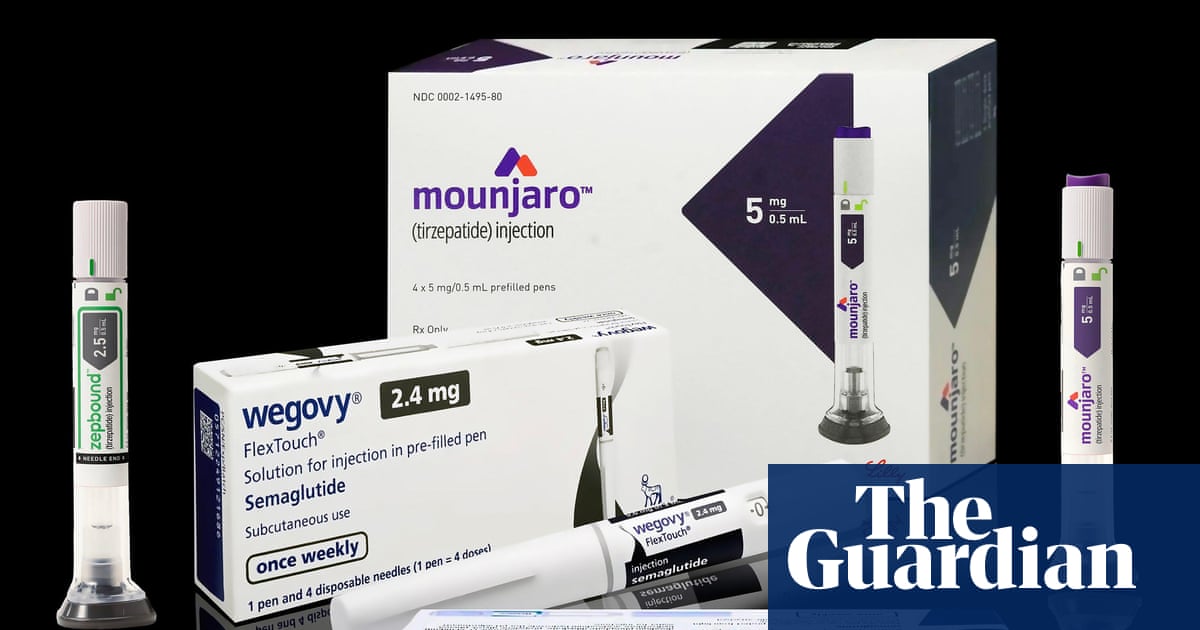
Mixed · 2Cancer is a bright spot: access plans now cover 65% of cancer drugs in pipelines, up from 5% in 2018. STATN “Access plans now cover 65% of cancer drugs in product pipelines, up from 5% in 2018.” Read at STAT ↗ The GuardianLC “Nearly two-thirds of cancer drugs are covered by measures to make them available in poorer countries.” Read at The Guardian ↗ Centre · 1By contrast, 43% of access plans for non-communicable diseases, specifically sickle cell disease, diabetes and mental health, focus solely on regulatory registrations and primarily in wealthy countries. STATN “43% of access plans for non-communicable diseases — specifically, sickle cell disease, diabetes, and mental health — focus solely on regulatory registrations and primarily in wealthy countries.” Read at STAT ↗ Left · 1In the Guardian's account, the foundation's chief executive, Jay Iyer, warned that the rush into GLP-1 weight-loss drugs such as Novo Nordisk's Ozempic and Eli Lilly's Mounjaro risks diverting company attention from diabetes treatments such as insulin. The GuardianLC “The gold rush into GLP-1 weight-loss drugs risks diverting pharmaceutical firms’ attention away from diabetes treatments such as insulin, the head of the Access to Medicine Foundation has warned.” Read at The Guardian ↗
Left · 1Iyer said any of Sanofi, Lilly or Novo Nordisk could leave the insulin market, which would be disastrous for supply to people with type 1 diabetes and insulin-dependent type 2 diabetes; the Guardian notes Novo Nordisk has announced plans to phase out some older diabetes products, including insulin pens. The GuardianLC ““There is a risk that any of the three – Sanofi, [Eli] Lilly or Novo [Nordisk]– could leave the insulin market, and that will be disastrous for supply to insulin especially for people living with type 1 diabetes and insulin-dependent type 2 diabetes.””“Novo Nordisk has announced plans to phase out some of its older diabetes products, including insulin pens.” Read at The Guardian ↗ Left · 1Diabetes affects an estimated 589 million adults globally, 81% of them in LMICs. GLP-1 drugs are not registered in many lower-income countries, and where available their price puts them out of reach for most people. The report found most diabetes drugs in development target type 2 diabetes, with only 10 of 25 aimed at type 1. The GuardianLC “Diabetes affects an estimated 589 million adults globally, 81% of whom live in low- and middle-income countries (LMICs)”“GLP-1 medications are not registered in many lower-income countries and even where they are available, their high price”“only 10 of the 25 target type 1 diabetes” Read at The Guardian ↗ Left · 1In the foundation's ranking, Switzerland's Novartis stayed top, ahead of the UK's GSK, while AstraZeneca rose to third with access plans for almost all its late-stage drugs. The GuardianLC “Switzerland’s Novartis came top of its global health equity ranking again after knocking the UK’s GSK off the top spot last time, while fellow British drugmaker AstraZeneca moved up to third place” Read at The Guardian ↗
Left · 1Looking back over 20 years of the index, Iyer said progress had been made, and access is now part of corporate strategy at some companies and sometimes included in executive bonus targets. The GuardianLC “Iyer said progress had been made and access is now considered a part of corporate strategy at some companies, and is sometimes included in executive bonus targets.” Read at The Guardian ↗
Every sentence links to the reporting it rests on. The pill in front of each says where its sources sit: Left, Centre or Right when one side supplies at least half of them, Mixed when they are evenly split. The number is how many outlets it cites.
Left1 outlet
- Framing
- The Guardian leads on a warning that the GLP-1 weight-loss boom could put insulin supply at risk, using the report to highlight unmet diabetes needs.
- Emphasis
- Insulin and type 1 diabetes, GLP-1 pricing and registration gaps, profit incentives, Novo Nordisk phasing out older products.
- Leaves out or plays down
- Does not give the headline pipeline access-plan figures (69% of late-stage candidates, 95% with nonprofit partners) or the 43% non-communicable disease figure.
- Charged language
- “gold rush”
- For example
-
“The gold rush into GLP-1 weight-loss drugs risks diverting pharmaceutical firms’ attention away from diabetes treatments such as insulin” — The Guardian
Centre1 outlet
- Framing
- STAT presents the analysis as a balanced 'mixed bag', pairing gains in pre-launch planning and cancer with gaps in non-communicable disease access.
- Emphasis
- Pipeline access-plan percentages versus 2018 and the role of nonprofit partners.
- Leaves out or plays down
- The available text does not cover GLP-1 drugs, insulin supply risk or company rankings.
- Charged language
- “mixed bag”“bright spot”
Right0 outlets
No right outlet in our sources has covered this story yet.
What every side reports
- The Access to Medicine Foundation's new analysis finds progress by pharma on access in LMICs is uneven.
- Access plans now cover roughly two-thirds of cancer drugs in pipelines.
Access to Medicine Foundation organisation
Presents progress as real but uneven: access is increasingly part of corporate strategy, yet gaps remain in non-communicable diseases, and the GLP-1 boom threatens insulin supply, according to its chief executive Jay Iyer.
““A lot of the GLP-1 drugs are just starting to enter these LMIC markets for obesity,” said Jay Iyer, the foundation’s chief executive” — The Guardian
“progress has been mixed and more action is needed to ensure wide availability” — STAT
Left1 article
-
Pharma firms’ focus on weight-loss drugs could put insulin supply at risk, experts warn
Critical Frames the report as a warning that pharma's GLP-1 focus endangers insulin access in poorer countries.
Centre1 article
-
STATN ·
Mixed Balanced summary of the report's gains and gaps, led by pipeline access-plan statistics.
Right0 articles
No coverage yet.
- 10 Nov 13:00 First STATN STAT+: Pharma is a ‘mixed bag’ when providing drug access to low- and middle-income countries, analysis finds
- 10 Nov 13:00 +1m The GuardianLC Pharma firms’ focus on weight-loss drugs could put insulin supply at risk, experts warn
Times are when each article was published, or when we first saw it if the outlet gave no time.
Ask about this story
Loading…