Alan Alda, 90, discusses living with Parkinson's disease in CBS interview
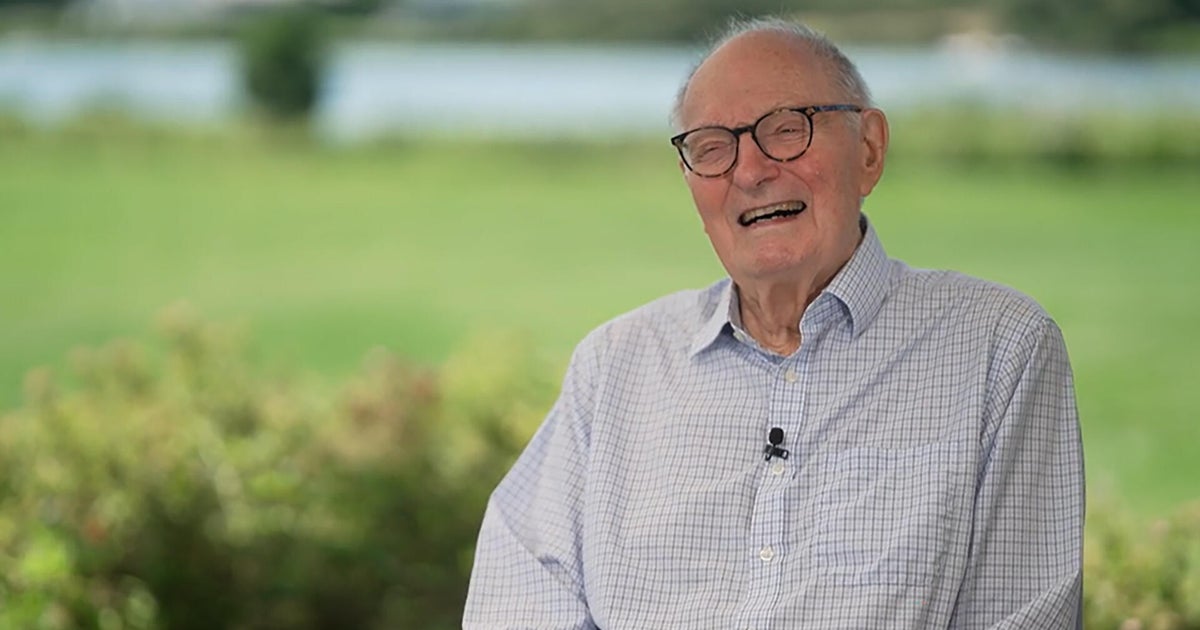
Alan Alda, the 90-year-old "M*A*S*H" star, spoke to CBS News chief medical correspondent Dr. Jon LaPook about facing Parkinson's disease. The New York Post followed up on his account of a sleep symptom that preceded his diagnosis.

1 / 2
The story, neutrally told
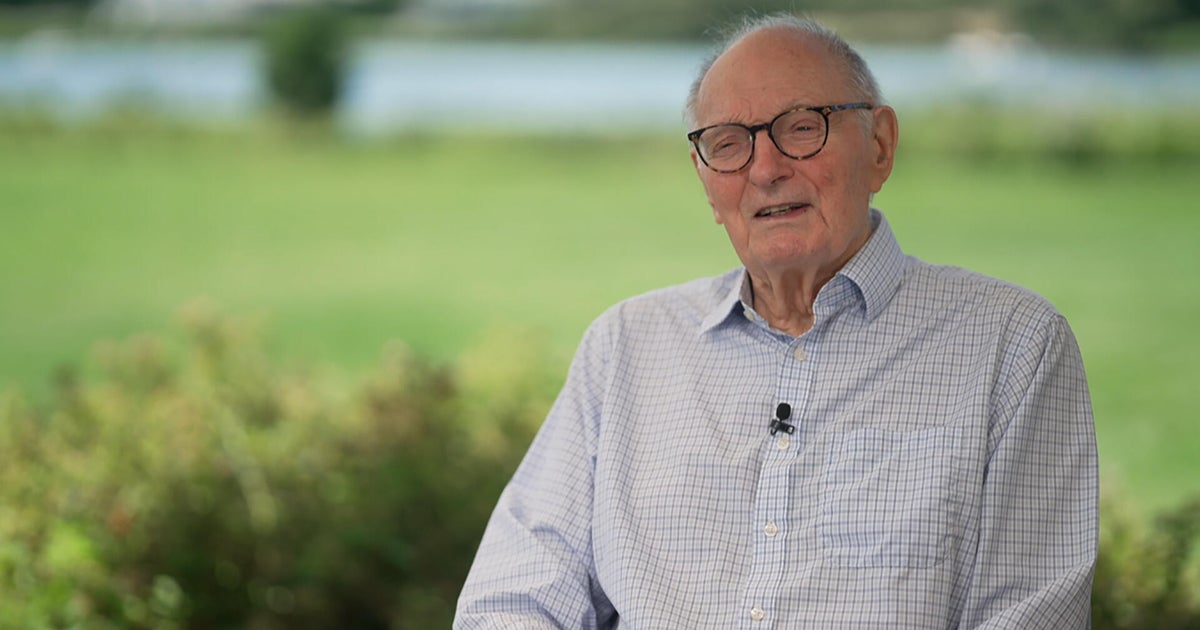
Left · 1Alan Alda, now 90 and best known as "Hawkeye" Pierce on the TV series "M*A*S*H", spoke to CBS News about living with Parkinson's disease. CBS NewsLC “Alan Alda, now 90, is one of the country's most-beloved actors, best-known for his role as "Hawkeye" Pierce on the classic TV series "M*A*S*H."” Read at CBS News ↗ Left · 1CBS News published a web-exclusive extended interview in which Alda talks with Dr. Jon LaPook about facing the disease. CBS NewsLC “In this web exclusive, "M*A*S*H" star Alan Alda talks with Dr. Jon LaPook about facing Parkinson's disease.” Read at CBS News ↗ Left · 1CBS's segment was headlined as being about fighting Parkinson's with laughter. CBS NewsLC “Alan Alda on fighting Parkinson's with laughter” Read at CBS News ↗
Right · 1Telling CBS Sunday Morning about his first symptom, Alda said it was not a tremor, stiffness or slowness but acting out his dreams, which he said was not well known at the time. New York PostR ““I had a symptom, which at the time was not that well-known: Acting out your dreams,” the 90-year-old Emmy winner told CBS Sunday Morning.” Read at New York Post ↗ Right · 1He recalled dreaming that someone was attacking him and throwing a sack of potatoes, when he was actually throwing a pillow at his wife, Arlene. New York PostR “What I was really doing was throwing a pillow at Arlene, my wife.” Read at New York Post ↗ Right · 1The New York Post reported that the symptom is REM Sleep Behavior Disorder (RBD), which is often linked to Parkinson's and can appear years before a diagnosis, though not everyone with RBD develops Parkinson's. New York PostR “While not everyone with RBD is diagnosed with Parkinson's, this unusual symptom is a risk factor that can occur years before a diagnosis.” Read at New York Post ↗
Right · 1The Post said Alda was diagnosed in 2015 and shared last year that he also has prosopagnosia, or face blindness, and that more than 1.1 million people in the US are affected by Parkinson's. New York PostR “was first diagnosed back in 2015 and shared last year that he was also experiencing prosopagnosia, or face blindness.” Read at New York Post ↗ Right · 1The Post cited one study finding that 33% of people with RBD developed a neurodegenerative condition after five years, 76% after 10 years and 91% after 14 years, and noted that no FDA-approved medications exist for RBD although melatonin, clonazepam and pramipexole have been shown to reduce symptoms. New York PostR “one study finding that 33% of patients developed a condition after five years, 76% after 10 years and 91% at 14 years.”“While there aren’t any FDA-approved medications for RBD, studies have shown that melatonin, clonazepam and pramipexole can reduce symptoms.” Read at New York Post ↗
Every sentence links to the reporting it rests on. The pill in front of each says where its sources sit: Left, Centre or Right when one side supplies at least half of them, Mixed when they are evenly split. The number is how many outlets it cites.
Left1 outlet
- Framing
- CBS News presents the interview as a personal, upbeat profile of Alda facing Parkinson's with humour, led by CBS's chief medical correspondent.
- Emphasis
- Alda's career, laughter as a way of coping, and an extended web interview.
- Leaves out or plays down
- The available CBS items give no medical detail on symptoms or diagnosis.
Centre0 outlets
No centre outlet in our sources has covered this story yet.
Right1 outlet
- Framing
- The New York Post turns the interview into a health explainer built around Alda's unusual first symptom, REM sleep behaviour disorder.
- Emphasis
- Dream enactment, RBD risk statistics, diagnosis and safety tips.
- Leaves out or plays down
- Does not mention the laughter theme of CBS's segment.
- Charged language
- “strange sleep habit”
- For example
-
“Alan Alda reveals the strange sleep habit that led to his Parkinson’s diagnosis” — New York Post
“To diagnose RBD, a healthcare provider may ask you or your sleep partner about your sleeping behavior” — New York Post
What every side reports
- Alan Alda is 90 and starred in "M*A*S*H".
- He spoke to CBS about living with Parkinson's disease.
Alan Alda person
Alda says his first symptom was acting out dreams, which was not well known when it happened; CBS frames him as facing the disease with laughter.
“I had a symptom, which at the time was not that well-known: Acting out your dreams” — New York Post
“Alan Alda on fighting Parkinson's with laughter” — CBS News
Left2 articles
-
Alan Alda on fighting Parkinson's with laughter
Sympathetic Video segment presenting Alda as a beloved actor fighting Parkinson's with laughter.
-
Neutral Web-exclusive extended interview with Alda and Dr. Jon LaPook about facing Parkinson's.
Centre0 articles
No coverage yet.
Right1 article
-
Neutral Health explainer using Alda's sleep symptom to describe RBD and its link to Parkinson's.
- 4 Oct 15:10 First CBS NewsLC Alan Alda on fighting Parkinson's with laughter
- 4 Oct 15:12 +2m CBS NewsLC Extended interview: Alan Alda
- 5 Oct 17:45 +26h 36m New York PostR Alan Alda reveals the strange sleep habit that led to his Parkinson’s diagnosis — it ‘was not that well-known’
Times are when each article was published, or when we first saw it if the outlet gave no time.