Hybrid American chestnut saplings planted at Bronx Zoo, site of first blight record in 1904
The Bronx Zoo and the New York Restoration Project planted hybrid American chestnut saplings at the zoo on 5 October, more than a century after the zoo's forester first documented chestnut blight there. Outlets differ on whether 25 or 20 saplings were planted.
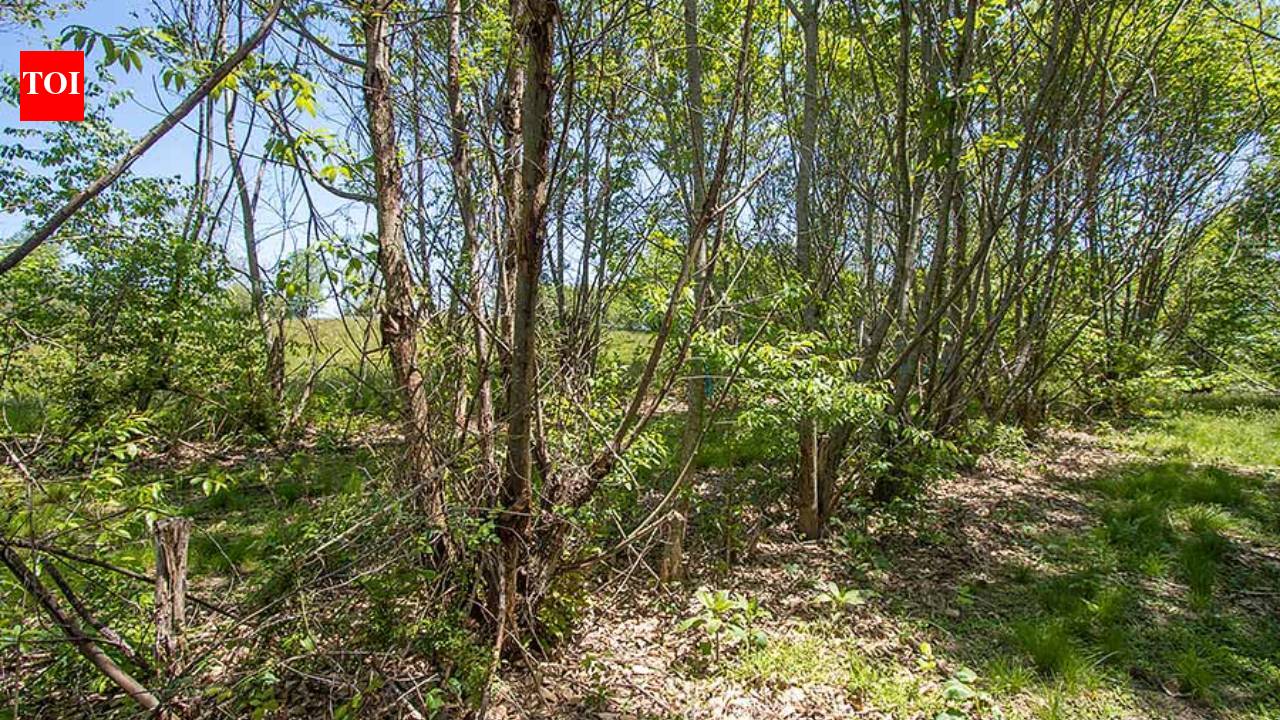

1 / 2
The story, neutrally told
Mixed · 2On Monday 5 October 2026 the Bronx Zoo and the New York Restoration Project (NYRP) planted hybrid American chestnut saplings at the zoo, more than 120 years after chestnut blight was first documented on its grounds. The Times of IndiaN “On Monday, October 5, the Wildlife Conservation Society’s Bronx Zoo and the New York Restoration Project planted the first of 25 hybrid American chestnut saplings at the zoo.” Read at The Times of India ↗ New York PostR “The Bronx Zoo introduced a “functionally extinct” tree species at its grounds Monday” Read at New York Post ↗ Mixed · 2The Times of India, citing a Wildlife Conservation Society release, reports 25 saplings, while the New York Post reports 20; both say they were spread across three sites, including near Tiger Mountain. The Times of IndiaN “the trees were donated by NYRP in partnership with The American Chestnut Foundation and will be planted across three locations on the 265-acre zoo grounds.” Read at The Times of India ↗ New York PostR “Twenty American Chestnut saplings were scattered across three sites at the sprawling conservation center, including at the footsteps of Tiger Mountain” Read at New York Post ↗ Mixed · 2According to the Post, 17 saplings went into two plots along the Bronx River for maximum sunlight and less traffic, and three along the shadier footpath north of Tiger Mountain, where visitors can see them; the Times of India lists the sites as north of the Tiger Mountain path, the eastern bank of the Bronx River and the riverwalk. New York PostR “Seventeen were planted across two plots along the Bronx River in order to receive maximum sunlight and less traffic, while three live in the shadier footpath north of Tiger Mountain” Read at New York Post ↗ The Times of IndiaN “just north of the pedestrian path at Tiger Mountain, along the eastern bank of the Bronx River and along the riverwalk.” Read at The Times of India ↗
Mixed · 2The zoo's then Chief Forester, Hermann Merkel, was the first to document the blight in 1904, and the disease went on to kill nearly 4 billion American chestnuts; the species is now considered functionally extinct in the wild. The Times of IndiaN “In 1904, Bronx Zoo Chief Forester Hermann Merkel observed canker-covered chestnut trunks and became the first person to document the disease.” Read at The Times of India ↗ New York PostR “The blight would go on to decimate nearly 4 billion American chestnut trees across North America, rendering it “functionally extinct.”” Read at New York Post ↗ Mixed · 2The saplings are hybrids, not pure American chestnuts, bred to resist the blight; the Times of India says they combine the native tree with blight-resistant Asian varieties. The Times of IndiaN “The saplings are hybrids combining the American chestnut with blight-resistant Asian chestnut varieties” Read at The Times of India ↗ New York PostR “the 3-foot-tall trees planted Monday are a hybrid mix that horticulturalists hope will make them stronger against the blight” Read at New York Post ↗ Mixed · 2Craig Piper of the Bronx Zoo (called director by the Times of India and interim director by the Post) said the planting would strengthen the zoo's forest and that chestnuts would have been a significant part of it. The Times of IndiaN ““This is an effort for us to continue to strengthen the forest that we maintain, and chestnuts would've been a significant part of the Bronx Zoo forest,” Piper said.” Read at The Times of India ↗ New York PostR “Craig Piper, the interim director of the Bronx Zoo, told The Post” Read at New York Post ↗
Right · 1NYRP's Jason Smith said the trees would probably contract the blight but are also expected to grow, with the worst case being that they fail to flower and reproduce; the Post adds that zoo horticulture staff will monitor them as research. New York PostR ““These trees most likely will get the disease, and it will impact them. But we also expect them to grow,””“they will be under constant observation by the zoo’s horticulture staff to see how the saplings are faring.” Read at New York Post ↗ Centre · 1The planting is part of a wider NYRP effort: more than 200 hybrids were planted at Highbridge Park in 2017, and the 1,000 Chestnut Challenge launched in 2025 has since seen more than 80 trees planted, then over 350 saplings distributed this year, with at least 500 more targeted next year, according to the Times of India. If these trees establish, the zoo plans to plant more. The Times of IndiaN “In 2025, NYRP launched the 1,000 Chestnut Challenge, aimed at expanding the number of chestnut trees across New York City”“If the trees establish successfully, the zoo plans to plant more chestnuts in the future.” Read at The Times of India ↗ Right · 1The Post says only about 400 American chestnuts exist in the five boroughs, nearly all planted by NYRP with the American Chestnut Foundation. New York PostR “Just around 400 American Chestnut trees exist in the five boroughs, nearly all of which were planted by the NYRP with the help of the American Chestnut Foundation.” Read at New York Post ↗
Every sentence links to the reporting it rests on. The pill in front of each says where its sources sit: Left, Centre or Right when one side supplies at least half of them, Mixed when they are evenly split. The number is how many outlets it cites.
Left0 outlets
No left outlet in our sources has covered this story yet.
Centre1 outlet
- Framing
- A detailed, release-based historical account of a 'historic return' of the tree to where its decline was first recorded.
- Emphasis
- The history of the blight, the 25-sapling planting, NYRP's 1,000 Chestnut Challenge and background on both organisations.
- Leaves out or plays down
- Does not mention that the trees are expected to catch the blight or that they will be monitored for research.
- Charged language
- “historic return”“historic homecoming”
- For example
-
“the iconic tree is making a historic return to the same grounds where its devastating decline was first recorded.” — The Times of India
Right1 outlet
- Framing
- A shorter, on-the-scene feature with colourful language, quoting zoo and NYRP officials speaking to the Post.
- Emphasis
- Merkel's 1904 warning, expectation that the trees will likely get blight, research and exhibit value, and the roughly 400 chestnuts in the five boroughs.
- Leaves out or plays down
- Omits the Highbridge Park grove and the 1,000 Chestnut Challenge details, and gives a lower sapling count than the Times of India.
- Charged language
- “functionally extinct”“deadly fungus”“mini-forest”
- For example
-
““It’s historic for us. We haven’t had chestnuts on property here for a hundred years,”” — New York Post
What every side reports
- Hybrid American chestnut saplings were planted at the Bronx Zoo on Monday 5 October 2026 with the New York Restoration Project.
- Saplings were planted at three sites on the zoo grounds, including near Tiger Mountain.
- Hermann Merkel, the zoo's Chief Forester, first documented the blight in 1904.
- The blight killed nearly 4 billion American chestnuts.
- The saplings are blight-resistant hybrids.
Where accounts differ
-
Number of saplings planted
- Centre
- Times of India: 25 hybrid saplings, citing a WCS release.
- Right
- New York Post: 20 saplings (17 along the Bronx River, 3 near Tiger Mountain).
-
Craig Piper's title
- Centre
- Times of India: director of the Bronx Zoo.
- Right
- New York Post: interim director of the Bronx Zoo.
Bronx Zoo organisation
Zoo director Craig Piper calls the planting historic and a way to strengthen the zoo's forest, and says more may follow.
““It’s historic for us. We haven’t had chestnuts on property here for a hundred years,”” — New York Post
“If the trees establish successfully, the zoo plans to plant more chestnuts in the future.” — The Times of India
New York Restoration Project organisation
NYRP's Jason Smith stresses the tree's cultural and ecological value, public interest, and honestly expects the hybrids to contract blight but still grow.
““These trees most likely will get the disease, and it will impact them. But we also expect them to grow,”” — New York Post
““We've found the interest to be overwhelming of folks wanting to plant the tree in New York City,”” — The Times of India
South Asia1 outlet
The Times of India covers the planting as an explanatory piece drawing on a WCS release and Gothamist.
“According to a release issued by the Wildlife Conservation Society” — The Times of India
The Times of India
North America1 outlet
The New York Post reports first-hand from the planting with quotes given to its reporter.
“Craig Piper, the interim director of the Bronx Zoo, told The Post” — New York Post
New York Post
Left0 articles
No coverage yet.
Centre1 article
-
American chestnut returns to Bronx Zoo after 120 years; 25 saplings planted in NYC
Celebratory Presents the planting as a historic homecoming, with extensive background and organisational context.
Right1 article
-
Bronx Zoo plants mini-forest of ‘functionally extinct’ trees after species was ravaged fungus
Mixed Lively on-site feature that celebrates the planting while noting the hybrids will likely get the blight.
- 5 Oct 18:03 First The Times of IndiaN American chestnut returns to Bronx Zoo after 120 years; 25 saplings planted in NYC
- 6 Oct 19:50 +25h 47m New York PostR Bronx Zoo plants mini-forest of ‘functionally extinct’ trees after species was ravaged fungus
Times are when each article was published, or when we first saw it if the outlet gave no time.