Margaret Hamilton, lead Apollo software developer, dies aged 90
MIT announced on 7 October that Margaret Hamilton, who led development of the onboard software for NASA's Apollo missions, died on 30 September aged 90.
Updated (version 2). New coverage since the last version from Arab News, BBC News, GB News.
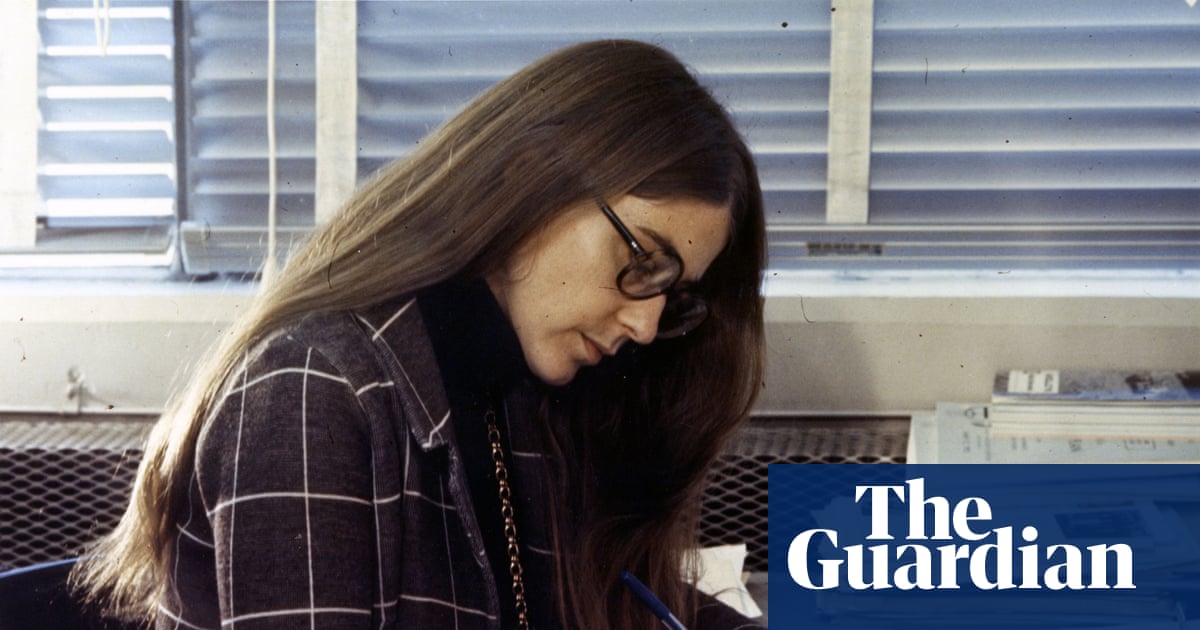

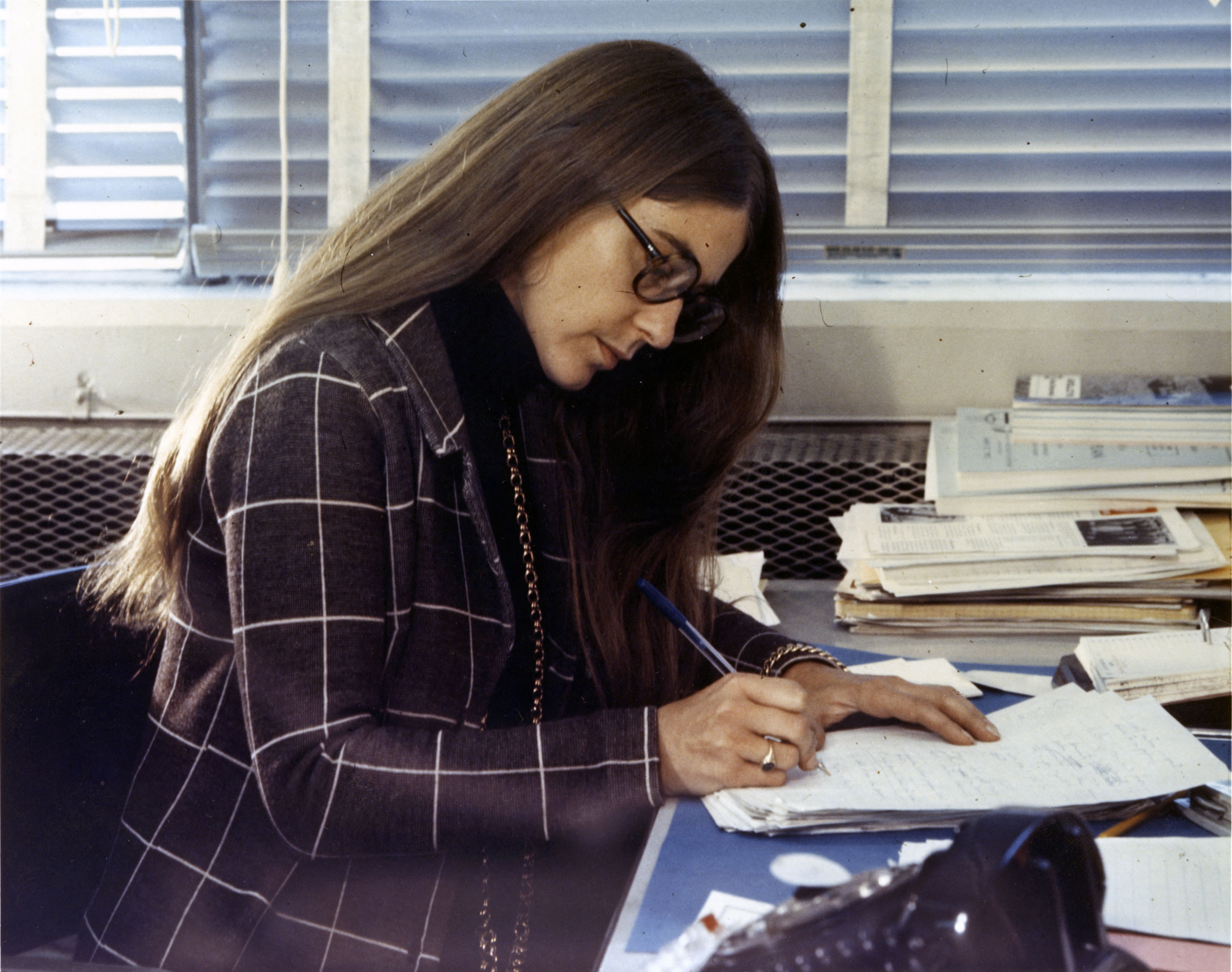

1 / 5
The story, neutrally told
Mixed · 2The Massachusetts Institute of Technology announced on Wednesday 7 October that Margaret Hamilton, the computer scientist whose software powered the first Moon landing, has died aged 90. The GuardianLC “has died, the Massachusetts Institute of Technology (MIT) announced on Wednesday. She was 90.” Read at The Guardian ↗ The Straits TimesRC “has died at the age of 90, her former employer said on Oct 7.” Read at The Straits Times ↗ Mixed · 2MIT said she died on 30 September. The GuardianLC “who died on 30 September” Read at The Guardian ↗ The Straits TimesRC “said she died on Sept 30.” Read at The Straits Times ↗ Mixed · 2Born in Indiana in 1936, Hamilton studied mathematics and moved to Boston in 1959 with her husband. She worked in meteorology at MIT, learning to program and writing software to detect enemy aircraft, before joining a lab in 1965 that sought people to develop software to "send a man to the Moon". The Straits TimesRC “Born in Indiana in 1936, Hamilton studied mathematics before moving to Boston, Massachussetts with her husband in 1959.” Read at The Straits Times ↗ The GuardianLC “writing software that could detect enemy aircraft” Read at The Guardian ↗
Mixed · 2MIT said she was hired as the first programmer for the Apollo project at MIT and the first female programmer on it; by 1968 she was assistant director in charge of the Command and Service Module team, with more than 400 people working on Apollo's software. The Straits TimesRC “By 1968, she was assistant director in charge of (Apollo’s) Command and Service Module team, and more than 400 people were working on Apollo’s software” Read at The Straits Times ↗ The GuardianLC “I was the first programmer to join and the first woman they hired” Read at The Guardian ↗ Centre · 1BBC News reported that she worked at MIT from 1959 until the mid-1970s, managing its Software Engineering Division, where her team wrote and tested all the onboard flight software for Apollo 11, which took Neil Armstrong and Buzz Aldrin to the Moon. BBC NewsN “Hamilton worked at MIT from 1959 until the mid-1970s and managed the Software Engineering Division.” Read at BBC News ↗ Left · 1In 1969, minutes before Apollo 11 was due to land, an onboard computer alarm sounded; the crew continued, and Hamilton later said the software had detected a hardware-related problem and compensated by restarting and re-establishing the highest-priority tasks. The GuardianLC “It quickly became clear the software was not only informing everyone that there was a hardware-related problem but was compensating for it” Read at The Guardian ↗
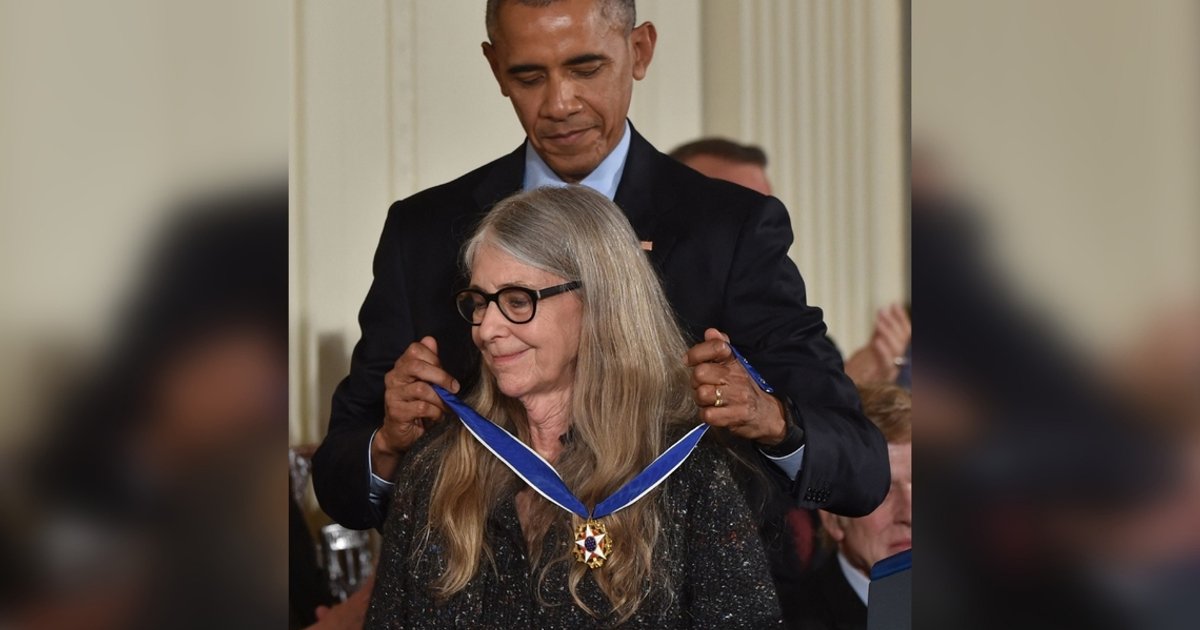
Centre · 1MIT said her team had planned for such an overload with "priority-driven software" that shut down background tasks in favour of the landing. BBC NewsN “But Hamilton and her team had planned for such an error by engineering "priority-driven software" to shut down any background tasks and favour the most important” Read at BBC News ↗ Mixed · 2Barack Obama referred to that episode when he gave her the Presidential Medal of Freedom in 2016, saying: "Our astronauts didn’t have much time, but thankfully they had Margaret Hamilton." The GuardianLC ““Our astronauts didn’t have much time, but thankfully they had Margaret Hamilton,” he said.” Read at The Guardian ↗ The Straits TimesRC “Hamilton was awarded the Presidential Medal of Freedom by former president Barack Obama in 2016” Read at The Straits Times ↗ Right · 1Olivier de Weck, the Apollo programme professor and interim head of MIT's Department of Aeronautics and Astronautics, said describing her as a pioneer would be "a dramatic understatement". NASA chief Jared Isaacman called her "a pioneer whose work helped make Apollo and humanity’s first journeys to the moon possible". The Straits TimesRC ““To say Margaret Hamilton was a pioneer – to say she was ahead of her time – would be a dramatic understatement,””“a pioneer whose work helped make Apollo and humanity’s first journeys to the moon possible”” Read at The Straits Times ↗
Mixed · 2Draper Laboratory chief executive Jerry M Wohletz said she made an "indelible mark" on the firm, which spun out of MIT's Instrumentation Lab after Apollo 11, though she did not join it. Earlham College, where she earned a mathematics degree in 1958, said her legacy would inspire "generations of Earlhamites". GB NewsR “While she did not join them, Draper CEO Jerry M Wohletz said she made an "indelible mark" on the firm.” Read at GB News ↗ BBC NewsN “Her pioneering spirit and remarkable legacy will continue to inspire generations of Earlhamites,” Read at BBC News ↗ Right · 1Isaacman said the best way to honour her was to continue exploring space; GB News also reported that NASA gave her its Exceptional Space Act Award in 2003, that she became a Lego minifigure in 2017, and that she was credited with popularising the term "software engineering". GB NewsR “The best way to honour her legacy is to finally pick up where her generation left off and never stop going.”“She received the Exceptional Space Act Award from the space agency in 2003, and became an official Lego minifigure in 2017.” Read at GB News ↗ Mixed · 2She later published more than 130 papers and founded the software companies Higher Order Software and Hamilton Technologies. She is survived by a daughter, a son-in-law, two grandsons and four great-grandchildren, according to MIT. The Straits TimesRC “Hamilton went on to publish more than 130 papers, and started her own software companies Higher Order Software and Hamilton Technologies.” Read at The Straits Times ↗ The GuardianLC “Hamilton is survived by her daughter, a son-in-law, two grandsons and four great grandchildren, according to MIT.” Read at The Guardian ↗
Right · 1GB News named her survivors as her daughter Lauren Hamilton and son-in-law Richard Selesnick, and said MIT will hold a memorial service in Cambridge, Massachusetts, in spring. GB NewsR “A memorial service in Cambridge, Massachusetts, will take place in spring, MIT said in its statement.” Read at GB News ↗ Mixed · 2Reflecting on Apollo in a 2009 MIT News interview, Hamilton said: "Looking back, we were the luckiest people in the world; there was no choice but to be pioneers; no time to be beginners." The GuardianLC ““Looking back, we were the luckiest people in the world; there was no choice but to be pioneers; no time to be beginners.”” Read at The Guardian ↗ The Straits TimesRC ““Looking back, we were the luckiest people in the world; there was no choice but to be pioneers,” she said.” Read at The Straits Times ↗
Every sentence links to the reporting it rests on. The pill in front of each says where its sources sit: Left, Centre or Right when one side supplies at least half of them, Mixed when they are evenly split. The number is how many outlets it cites.
Left1 outlet
- Framing
- The Guardian's obituary centres on Hamilton's personal story and the Apollo 11 landing alarm, using her own words and Obama's tribute.
- Emphasis
- The 1969 alarm episode, her account of how the software recovered, and her role as the first woman hired on the project.
- Leaves out or plays down
- Does not mention her later companies, her 130-plus papers, or the team size and her 1968 title.
- For example
-
“The software was working just as Hamilton and her team intended.” — The Guardian
Centre1 outlet
- Framing
- BBC News runs a straightforward obituary drawing on MIT's statement, explaining the Apollo 11 alarm and her education and career.
- Emphasis
- Her management of MIT's Software Engineering Division, the priority-driven design that handled the alarm, and Earlham College's tribute.
- Leaves out or plays down
- Does not mention her later companies, her papers, or NASA's tribute.
- For example
-
“Hamilton worked at MIT from 1959 until the mid-1970s and managed the Software Engineering Division.” — BBC News
Right3 outlets
- Framing
- Straits Times and Arab News carried AFP copy: formal obituaries built on MIT's statement and NASA tributes, noting the Cold War context. GB News wrote its own tribute-led piece with a long run of quotes and honours.
- Emphasis
- MIT's and NASA's statements, her career timeline, later companies (AFP) and, in GB News, Draper's and NASA's tributes, awards, Lego minifigure and memorial plans.
- Leaves out or plays down
- AFP copy does not detail the Apollo 11 alarm or survivors; GB News omits her death date and the alarm episode.
- Charged language
- “tributes pour in”
What every side reports
- Hamilton died on 30 September aged 90, as announced by MIT on 7 October.
- She was the first programmer hired on MIT's Apollo software effort.
- Barack Obama gave her the Presidential Medal of Freedom in 2016.
- She described herself and her colleagues in 2009 as 'the luckiest people in the world'.
-
Margaret Hamilton died on 30 September 2026 aged 90.
Supported- Supports 3
- The Guardian, BBC News, Arab News
-
Hamilton was the first programmer hired on MIT's Apollo project and the first woman on it.
Supported- Supports 3
- The Guardian, BBC News, Arab News
-
During the Apollo 11 descent in 1969 an onboard computer alarm sounded, and Hamilton's software handled it so the landing continued.
Supported- Supports 2
- The Guardian, BBC News
- Reports 1
- GB News
-
Barack Obama awarded Hamilton the Presidential Medal of Freedom in 2016.
Reported- Reports 4
- The Guardian, BBC News, Arab News, GB News
Massachusetts Institute of Technology organisation
MIT announced her death, called her a 'computing pioneer' and detailed her Apollo role.
“the Massachussetts Institute of Technology called Hamilton, who taught at the prestigious university from 1959 to the mid-1970s, a “computing pioneer”” — The Straits Times
NASA organisation
NASA's chief, Jared Isaacman, credited her work with making Apollo and the first Moon journeys possible.
“a pioneer whose work helped make Apollo and humanity’s first journeys to the moon possible”” — The Straits Times
Margaret Hamilton person
Hamilton, in past interviews, stressed the novelty of the work and the freedom her team had.
“Because software was a mystery, a black box, upper management gave us total freedom and trust,”” — The Straits Times
Left1 article
-
Margaret Hamilton, trailblazer whose software powered Apollo 11 moon landing, dies at 90
Sympathetic Tribute-style obituary emphasising Hamilton's pioneering role and the Apollo 11 alarm, told largely through her own quotes.
Centre1 article
-
Margaret Hamilton, whose software helped land Apollo 11 on the moon, dies at 90
Neutral BBC News gives a plain obituary explaining how her software handled the Apollo 11 alarm, with MIT and Earlham College statements.
Right3 articles
-
The Straits TimesRC · · via AFP
Margaret Hamilton, scientist who led NASA’s Apollo software development, dead at 90
Neutral AFP obituary based on MIT's statement and NASA's tribute, with biography and career details.
-
Arab NewsRC · · via AFP
NASA Apollo pioneer Margaret Hamilton dies at 90
Sympathetic AFP copy run by Arab News: a formal obituary relaying MIT's statement, NASA's tribute and Hamilton's own reflections, with Cold War context.
-
GB NewsR ·
Celebratory GB News's own tribute piece stresses honours, tributes from MIT, Draper and NASA, and her role in popularising 'software engineering'.
- 8 Oct 01:40 First The GuardianLC Margaret Hamilton, trailblazer whose software powered Apollo 11 moon landing, dies at 90
- 8 Oct 04:25 +2h 44m The Straits TimesRC Margaret Hamilton, scientist who led NASA’s Apollo software development, dead at 90 via AFP
- 8 Oct 05:06 +3h 26m Arab NewsRC NASA Apollo pioneer Margaret Hamilton dies at 90 via AFP
- 8 Oct 05:24 +3h 44m GB NewsR Margaret Hamilton, pioneer whose software powered Apollo 11 moon mission, dies aged 90 as tributes pour in
- 8 Oct 05:49 +4h 9m BBC NewsN Margaret Hamilton, whose software helped land Apollo 11 on the moon, dies at 90
Times are when each article was published, or when we first saw it if the outlet gave no time.