At least 30 dead, dozens missing after two boats collide on Congo River
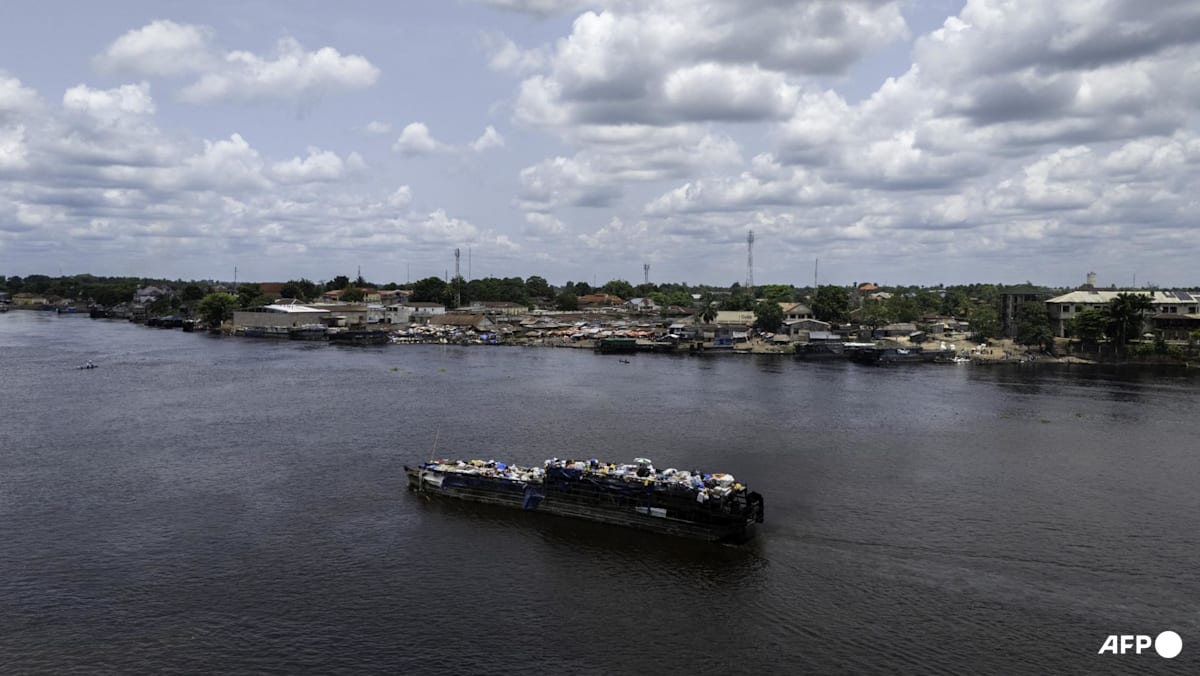
Two motorised wooden boats collided on the Congo River in Equateur province on Sunday evening, killing at least 30 people and leaving dozens missing, local authorities said. The cause is not yet clear.

1 / 3
The story, neutrally told
Mixed · 2At least 30 people died and dozens are missing after two motorised wooden boats collided on the Congo River on Sunday evening (4 October), local authorities said on Monday. The IndependentLC “At least 30 people have died and dozens remain missing after two vessels collided on the Congo River over the weekend, local authorities stated on Monday.” Read at The Independent ↗ CNAN “The motorised wooden boats crashed into one another on Sunday (Oct 4) evening near the Ngombe-Lukolela area in the province of Equateur” Read at CNA ↗ Mixed · 2The crash happened near the Ngombe-Lukolela area in Equateur province, according to the provincial interior minister, Crispin Mputu. The IndependentLC “occurred on Sunday evening near the Ngombe-Lukolela area in Equateur province, according to the provincial interior minister, Crispin Mputu.” Read at The Independent ↗ CNAN “according to the provincial interior minister, Crispin Mputu” Read at CNA ↗ Mixed · 2Mputu said one boat was travelling from Ubangi in the north-west to the capital, Kinshasa, and the other from Kinshasa to Lukolela, close to the collision site; he said search efforts for survivors and victims continue. CNAN “search efforts continue to find more victims and survivors” Read at CNA ↗ The IndependentLC “One vessel was travelling from Ubangi, in the north-west, to the capital of Kinshasa, whilst the second was en route from Kinshasa to Lukolela” Read at The Independent ↗
Mixed · 2Mputu told The Associated Press that the 30 people killed have already been buried. The IndependentLC “The minister told The Associated Press that the 30 people killed in the collision have already been buried.” Read at The Independent ↗ CNAN “The minister told The Associated Press that the 30 killed in the crash have already been buried.” Read at CNA ↗ Mixed · 2The cause was not immediately clear; Mputu noted that night-time river navigation has led to many accidents in the past. The IndependentLC “The cause of the crash was not immediately clear.” Read at The Independent ↗ CNAN “Mputu said nighttime boat navigation has led to many accidents in the past.” Read at CNA ↗ Mixed · 2A security forces member who said he watched from the riverbank, speaking anonymously because he was not authorised to speak publicly, told the AP the boat returning from Ubangi was overloaded with goods and collided with the one from Kinshasa, and that almost all its passengers were trapped underwater as it sank. The IndependentLC “Almost all the passengers on board were trapped underwater, and the boat itself also sank,” Read at The Independent ↗ CNAN “speaking on condition of anonymity, because he was not authorised to speak publicly without permission from his superiors.” Read at CNA ↗
Mixed · 2Fatal boat accidents are common in Congo, where night-time travel and overcrowding are often blamed, along with poor safety standards and a lack of infrastructure in remote areas; hundreds have died in recent years. In July, a wooden boat carrying students home from state exams sank in Kasai province, killing at least 20. The IndependentLC “In July, a wooden vessel transporting students back from state exams sank in central Congo, killing at least 20 people.” Read at The Independent ↗ CNAN “Poor safety standards and lack of infrastructure in remote parts of the country also contribute to the hundreds killed in boat disasters in recent years.” Read at CNA ↗
Every sentence links to the reporting it rests on. The pill in front of each says where its sources sit: Left, Centre or Right when one side supplies at least half of them, Mixed when they are evenly split. The number is how many outlets it cites.
Left2 outlets
- Framing
- Straight report of the collision, based on the AP's reporting, with context on frequent Congo boat disasters.
- Emphasis
- Toll, missing, official and witness accounts, and the pattern of accidents.
- Leaves out or plays down
- Nothing material omitted relative to the centre outlet; it does not give the date in parentheses.
- For example
-
“Fatal boating disasters are common in the central African country, where night-time travel and overcrowded vessels are frequently blamed.” — The Independent
Centre1 outlet
- Framing
- Same facts, led with the witness quote about passengers trapped underwater.
- Emphasis
- The eyewitness account, then the toll and official statements.
- Leaves out or plays down
- Nothing material omitted relative to the left outlet.
- For example
-
““Almost all the passengers on board were trapped underwater, and the boat itself also sank,” a security forces witness told The Associated Press after the collision.” — CNA
Right0 outlets
No right outlet in our sources has covered this story yet.
What every side reports
- At least 30 people died and dozens are missing.
- Two motorised wooden boats collided on Sunday evening near Ngombe-Lukolela, Equateur province.
- Provincial interior minister Crispin Mputu said the dead have been buried and searches continue.
- The cause was not immediately clear.
- A security forces witness told the AP one boat was overloaded with goods.
Left2 articles
-
At least 30 dead and dozens missing after boat collision on Congo River
Neutral Factual account of the collision relying on Mputu and an anonymous witness, with background on boat safety.
-
Centre1 article
-
CNAN ·
Congo river boat collision kills at least 30 as search continues for missing
Neutral Near-identical factual account that opens with the witness quote.
Right0 articles
No coverage yet.
- 5 Oct 12:42 First The IndependentLC At least 30 dead and dozens missing after boat collision on Congo River
- 5 Oct 13:49 +1h 7m CNAN Congo river boat collision kills at least 30 as search continues for missing
- 5 Oct 17:47 +5h 5m Al JazeeraLC DR Congo boat collision kills at least 30, dozens missing
Times are when each article was published, or when we first saw it if the outlet gave no time.