Bank of England picks puffin, barn owl, bumblebee and hedgehog for next banknotes
The Bank of England has named four animals for its next banknote series after a record public consultation. Coverage differs on whether this means replacing Winston Churchill and other historical figures.
Updated (version 2). New coverage since the last version from BBC News, The Straits Times.



1 / 4
The story, neutrally told
Mixed · 2The Bank of England has announced that the Atlantic puffin, barn owl, buff-tailed bumblebee and European hedgehog will feature on its next series of banknotes, one animal for each denomination. Evening StandardN “The Atlantic puffin, barn owl, buff-tailed bumblebee and European hedgehog will feature on the next series of banknotes, the Bank of England has announced.” Read at Evening Standard ↗ Daily MirrorL “A puffin, barn owl, bumblebee and a hedgehog will replace historic figures on Bank of England notes, it has been confirmed.” Read at Daily Mirror ↗ Centre · 1The choice followed a public consultation that received 478,531 responses, the most the Bank has had for a banknote imagery consultation, with 2,549,003 selections placed across a shortlist of 18 animals in three categories: mammals, birds, and amphibians, insects and fish. Evening StandardN “The consultation ran for a month and received 478,531 responses.”“Those responding placed 2,549,003 selections across the shortlist of 18 animals.” Read at Evening Standard ↗ Centre · 1The barn owl, bumblebee and hedgehog were the most popular in their categories. The puffin was chosen as the most popular marine animal, to add variety and make denominations easier to tell apart, even though the red fox (244,651 nominations) and common kingfisher (211,277) each received more than the puffin's 183,137. Evening StandardN “The red fox, which was in the mammals category, received more nominations than the Atlantic puffin, with 244,651.”“In the birds category, the common kingfisher also received more nominations than the Atlantic puffin, at 211,277 compared with 183,137 for the Atlantic puffin.” Read at Evening Standard ↗
Centre · 1The buff-tailed bumblebee was the clear winner with 360,399 votes, nearly 90,000 more than the barn owl, and the hedgehog was the most popular mammal. BBC NewsN “The buff-tailed bumblebee (Bombus terrestris) was a clear winner, receiving 360,399 votes, nearly 90,000 more than the barn owl (Tyto alba).” Read at BBC News ↗ Centre · 1The Bank had said previously that it would not necessarily pick the four most-nominated animals, because the animals should represent different environments across the UK. Evening StandardN “The Bank has said previously it would not necessarily choose the four animals that receive the highest number of responses.” Read at Evening Standard ↗ Mixed · 2Which animal appears on which denomination will be decided in due course. The animals will be the central imagery, with other elements from nature, potentially including other shortlisted animals, completing the designs, and the series will keep a portrait of the monarch. Evening StandardN “The Bank said the decision on which selected animal will feature on which denomination will be made in due course and announced closer to launch.” Read at Evening Standard ↗ Daily MirrorL “King Charles need not worry, however, as the next series will continue to include a portrait of the monarch.” Read at Daily Mirror ↗
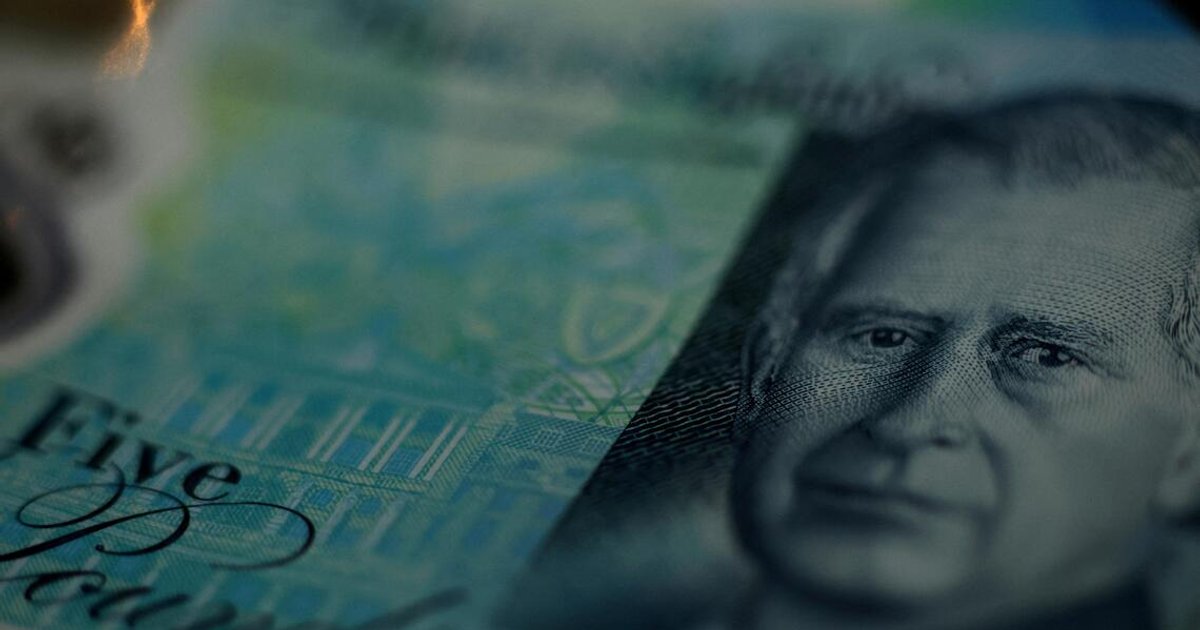
Centre · 1The first denomination will launch over the next few years. The designs are at a very early stage and will be unveiled closer to launch, since designing, testing and printing notes takes years. Evening StandardN “The first denomination from the new series will be launched over the next few years, the Bank said.”“As the designs are only in very early stages, they will be unveiled closer to their launch.” Read at Evening Standard ↗ Mixed · 2Chief cashier Victoria Cleland said the response showed "cash still matters" and that the animals would showcase UK wildlife and enhance banknote security. Incoming chief cashier Rhys Phillips said the Bank would now design, test and produce the notes with modern security features. Evening StandardN ““I am delighted that nearly half a million people responded to our wildlife imagery consultation, showing that cash still matters.” Read at Evening Standard ↗ Daily MirrorL “We’ll now work to design, test and produce the banknotes, combining the imagery we’ve announced today with cutting-edge security features and materials science.”” Read at Daily Mirror ↗ Centre · 1Historical figures have appeared on Bank of England notes since 1970. The current series has Sir Winston Churchill on the £5 (in circulation since 2016), Jane Austen on the £10, JMW Turner on the £20 and Alan Turing on the £50. Evening StandardN “Historical figures who have helped shape thought, innovation, leadership and values have been showcased on Bank of England banknotes since 1970.”“The current series of banknotes in circulation also features Jane Austen on the £10 banknote, JMW Turner on the £20 and Alan Turing on the £50.” Read at Evening Standard ↗
Centre · 1The BBC says it will be the first time since 1970 that the reverse of Bank of England notes will not feature notable figures from history. It adds that the Bank said the move was primarily to stop counterfeiting, so all images needed to be replaced over time. BBC NewsN “Yet it will be the first time since 1970 that the reverse side of Bank of England notes will no longer feature notable figures from history.”“The Bank said the move was primarily to stop counterfeiting so all images needed to be replaced on banknotes over time.” Read at BBC News ↗ Left · 1The Daily Mirror reports that dropping the historical figures has been controversial. It says Conservative leader Kemi Badenoch earlier called removing Churchill "erasing our history" and Reform UK leader Nigel Farage called the idea "absolutely crackers". Daily MirrorL “Doing away with wartime leader Churchill stoked particular anger among some politicians.”“Reform UK leaded Nigel Farage called it "absolutely crackers" at the time.” Read at Daily Mirror ↗ Mixed · 2The BBC reports that Farage and Liberal Democrat leader Sir Ed Davey were also angered by the proposal, while Badenoch called it "a silly thing to do". Reuters, carried by the Straits Times, says the Bank's decision in March to drop famous Britons dismayed politicians across the political spectrum and prompted speculation that the Bank wanted to avoid controversies around historic figures. BBC NewsN “The proposed removal of wartime leader Churchill angered Reform leader Nigel Farage, and Liberal Democrat leader Sir Ed Davey, with Conservative leader Kemi Badenoch describing the move as "a silly thing to do".” Read at BBC News ↗ The Straits TimesRC “dismayed politicians across the political spectrum and prompted speculation that the central bank wanted to avoid controversies around historic figures.” Read at The Straits Times ↗
Right · 1Reuters adds that the £5 Churchill note is the first due to be replaced, followed by the £10, £20 and £50, and that cash was used for under 10% of payments in Britain in 2024, with trade body UK Finance expecting the decline to level off. The Straits TimesRC “is the first due to be replaced, followed by the £10 with novelist Jane Austen”“Under 10% of payments were made by cash in 2024” Read at The Straits Times ↗
Every sentence links to the reporting it rests on. The pill in front of each says where its sources sit: Left, Centre or Right when one side supplies at least half of them, Mixed when they are evenly split. The number is how many outlets it cites.
Left1 outlet
- Framing
- Leads on Churchill and other historical figures being replaced and the controversy this has caused, quoting Badenoch and Farage.
- Emphasis
- Political backlash; lists the animals that missed out and notes they may still appear in designs.
- Leaves out or plays down
- Does not give the nomination counts that placed the red fox and kingfisher above the puffin, or the Bank's counterfeiting rationale.
- Charged language
- “ditching”“stoked particular anger”
- For example
-
“Doing away with wartime leader Churchill stoked particular anger among some politicians.” — Daily Mirror
Centre2 outlets
- Framing
- Explainer of the announcement built around the consultation results and the Bank's reasoning; the BBC also notes the political anger and the first-since-1970 break.
- Emphasis
- Nomination figures, why the puffin was chosen over more popular animals, the timeline, and the counterfeiting rationale (BBC).
- Leaves out or plays down
- The Evening Standard carries no reaction to dropping Churchill; the BBC gives the backlash only brief mention.
- For example
-
“Wildlife is replacing notable figures from history, such as Sir Winston Churchill, on our cash in a decision that angered a number of leading politicians.” — BBC News
“The Bank has said previously it would not necessarily choose the four animals that receive the highest number of responses.” — Evening Standard
Right1 outlet
- Framing
- Reuters copy carried by the Straits Times, leading on animals replacing Churchill and historic figures, with the March decision's cross-party dismay and the fall in cash use.
- Emphasis
- Speculation about avoiding controversy over historic figures, replacement order of denominations, and declining cash use.
- Leaves out or plays down
- Gives no nomination counts and no detail on the Bank's puffin rationale beyond ensuring a marine animal.
- Charged language
- “dismayed politicians”
- For example
-
“dismayed politicians across the political spectrum” — The Straits Times
What every side reports
- The four chosen animals are the Atlantic puffin, barn owl, buff-tailed bumblebee and European hedgehog.
- The choice followed a consultation with 478,531 responses and a shortlist of 18 animals.
- The puffin was chosen as the most popular marine animal.
- The next series will keep a portrait of the monarch.
- Which animal goes on which denomination has not been decided, and new notes are a few years away.
Where accounts differ
-
Whether the new series displaces Churchill and other historical figures
- Left
- The Mirror says the animals "will replace historic figures" and headlines Churchill being replaced, citing political anger.
- Centre
- The Standard presents the animals as the central imagery of the next series. It describes the current figures as the existing series and does not report political reaction.
-
The puffin was chosen despite the red fox and common kingfisher receiving more nominations.
Supported- Supports 3
- BBC News, Evening Standard, The Straits Times
- Reports 1
- Daily Mirror
-
The new notes replace Winston Churchill and other historical figures, which angered politicians.
Supported- Supports 3
- Daily Mirror, BBC News, The Straits Times
-
The consultation drew 478,531 respondents, the Bank's largest for banknote imagery.
Supported- Supports 3
- Daily Mirror, BBC News, Evening Standard
- Reports 1
- The Straits Times
Bank of England organisation
Says the public response shows cash still matters. It chose animals that show UK wildlife, add variety and security, and will design the notes over the next few years.
“With their support, we have chosen four distinct and inspiring animals that not only showcase the great variety of wildlife we have in the UK but will also enhance the security of our banknotes.”” — Evening Standard
Winston Churchill person
Churchill appears on the current £5 note. The Mirror reports that Kemi Badenoch and Nigel Farage criticised removing him, and the Standard does not mention a replacement.
“Doing away with wartime leader Churchill stoked particular anger among some politicians.” — Daily Mirror
“The first of the current series has been in circulation since 2016, when £5 banknotes featuring Sir Winston Churchill were issued.” — Evening Standard
Left1 article
-
Bank of England confirms major change to notes with Winston Churchill replaced on money
Mixed Frames the announcement as a controversial change that replaces Churchill, using political criticism.
Centre3 articles
-
Bank of England reveals animals to feature on next banknotes
Neutral Wire-style report of the Bank's announcement with consultation figures and quotes.
-
Hedgehog among four chosen animals to feature on your new banknotes
Neutral Explains the four animals and voting results, while noting the anger over replacing Churchill and the Bank's counterfeiting reasoning.
-
Bank of England reveals which animals will feature on its next banknotes series
Neutral Explainer focused on the vote results and the Bank's reasons for choosing the puffin.

Right1 article
-
Barn owls, bees, puffins and hedgehogs to feature on British banknotes
Neutral Reuters wire copy leading on animals replacing Churchill, with context on political dismay and declining cash use.
- 8 Oct 00:01 First Evening StandardN Bank of England reveals animals to feature on next banknotes
- 8 Oct 00:01 +1m BBC NewsN Hedgehog among four chosen animals to feature on your new banknotes
- 8 Oct 00:01 +1m Evening StandardN Bank of England reveals which animals will feature on its next banknotes series
- 8 Oct 00:04 +4m Daily MirrorL Bank of England confirms major change to notes with Winston Churchill replaced on money
- 8 Oct 00:50 +49m The Straits TimesRC Barn owls, bees, puffins and hedgehogs to feature on British banknotes
Times are when each article was published, or when we first saw it if the outlet gave no time.