US midterms: Democrats favoured in House polling, with Republicans defending more contested seats
Ahead of the 3 November midterms, the BBC and Newsweek both draw on Cook Political Report ratings. The BBC sets out the polling, key races and money; Newsweek compares the 2026 House map with 2018 and 2022.


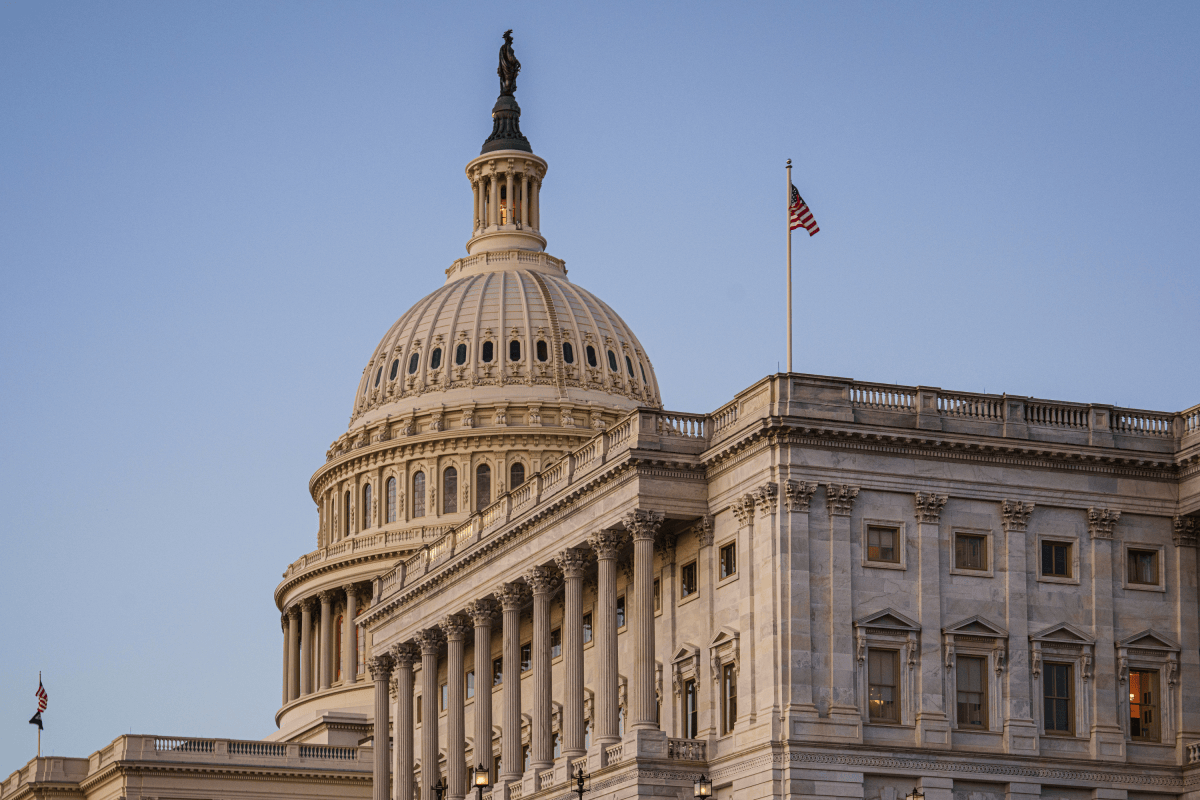
1 / 3
The story, neutrally told
Centre · 1Americans vote on 3 November in midterm elections that will shape the rest of Donald Trump's second term, with all 435 House seats and 35 Senate seats up for election. BBC NewsN “Americans head to the polls on 3 November to decide how the rest of Donald Trump's presidency will play out.”“Thirty-five seats are up for grabs in November” Read at BBC News ↗ Centre · 1Republicans control both chambers. In the House they hold 218 seats, the exact number needed for control, plus one independent who votes with them. In the Senate they hold 53 of 100 seats, against 45 Democrats and two independents who vote with the Democrats. BBC NewsN “they have 218 representatives, which is the exact number needed to have control, plus one independent who votes with them.”“They hold 53 of the 100 seats while the Democrats have 45 and two independents who also vote with them.” Read at BBC News ↗ Centre · 1The BBC says Trump's approval rating is a key reason Democrats have a chance. According to Silver Bulletin it began his term just over 50%, fell into the 40s, dropped below 40% after the late-February air strikes on Iran that he launched with Israel, and is now about 37%. At the same point in their terms, Trump in his first term was at 43% and Joe Biden at 40%. In both cases the president's party lost the House but kept the Senate. BBC NewsN “It is currently sitting at about 37%.”“Eight years ago, Trump's approval rating was significantly higher at this point in his first term, at 43%. Joe Biden's at the same point in his term was at 40%.” Read at BBC News ↗
Centre · 2Cook Political Report's ratings, used by both outlets, put 21 House districts as toss-ups. The BBC says 15 are held by Republicans and six by Democrats, and that Democrats would win the House by taking five of them on top of 28 districts rated likely or leaning Democratic. BBC NewsN “Of those 21 toss-ups, 15 are currently held by Republicans and six by Democrats.” Read at BBC News ↗ NewsweekN “Another 21 were Toss Ups.” Read at Newsweek ↗ Centre · 1Newsweek's tally of Cook's 9 October 2026 ratings is 185 Solid Democratic, 16 Likely Democratic and 12 Lean Democratic seats, against 174 Solid Republican, 18 Likely Republican and nine Lean Republican. NewsweekN “Cook’s October 9, 2026 ratings placed 185 seats in Solid Democratic, 16 in Likely Democratic and 12 in Lean Democratic.”“174 were Solid Republican, 18 Likely Republican and nine Lean Republican.” Read at Newsweek ↗ Centre · 1In the Senate, the BBC reports that Cook rates only seven of the contested seats as toss-ups, six held by Republicans and one by Democrats. Democrats would need four of those plus the four rated likely or leaning Democratic to reach 51 seats. BBC NewsN “Of those toss-ups, six are currently held by Republicans and one by Democrats.” Read at BBC News ↗
Centre · 1The BBC says Democrats must hold Michigan, where Abdul El-Sayed faces Republican Mike Rogers in a tighter race than Democrats would like, and must win seats in states Trump carried by double digits in 2024, such as Alaska, Iowa and Ohio. In Texas, polls suggest James Talarico has a chance against state attorney general Ken Paxton, and would be the first Democrat to win a Senate seat there since 1988. BBC NewsN “Abdul El-Sayed, a left-wing political outsider, and his Republican rival Mike Rogers, a Trump ally and former FBI agent.”“James Talarico could become the first Democrat to win a Senate seat in the state since 1988 if he defeats Ken Paxton” Read at BBC News ↗ Centre · 1Newsweek compares Cook's House ratings from 12 October 2018, 14 October 2022 and 9 October 2026 with the eventual results. It finds that the 2026 landscape resembles the one before the 2018 Democratic takeover, but with fewer Republican-held districts at risk. In its 'Toss Up or worse' grouping, Republicans held 45 such seats in 2018 against three for Democrats. In 2022 Democrats held 30 and Republicans 12. The 2026 split is 23 Republican-held to 11 Democratic-held. NewsweekN “Republicans held 45 such seats in October 2018, compared with three held by Democrats.”“In 2022, Democrats held 30 and Republicans 12. The October 2026 split is 23 Republican-held seats to 11 Democratic-held seats.” Read at Newsweek ↗ Centre · 1In 2018 Democrats won 235 seats to Republicans' 199, taking 22 of 30 resolved toss-ups and four seats Cook had rated as favouring Republicans. In 2022 Republicans won the House 222 to 213 even though Democrats won 22 of 31 toss-ups, because far more toss-ups were Democratic-held. Newsweek concludes that 2026 is Republican-leaning in exposure but 'not a replay of 2018'. NewsweekN “Official results compiled by the Federal Election Commission (FEC) show that Democrats won 235 seats and Republicans 199.”“Republicans subsequently captured the House with 222 seats to the Democrats’ 213, according to the FEC.”“The evidence points to a Republican-leaning field of exposure in 2026, but not a replay of 2018.” Read at Newsweek ↗
Centre · 1Newsweek cautions that Cook's categories show relative competitiveness rather than guaranteed winners. It says ratings stay fluid until Election Day, and that 2018 and later districts were drawn on different censuses, so equal district numbers can describe different electorates. NewsweekN “Those categories indicate relative competitiveness, not guaranteed winners or expected vote margins.”“Identical district numbers can therefore describe different electorates.” Read at Newsweek ↗ Centre · 1On issues, the BBC calls the cost of living the key concern. It says gas hit $4 after the Iran war began on 28 February, despite Trump's 24 February claim that it was below $2.30, and that an August poll found 63% disapproved of his handling of the war. Healthcare and immigration are also important to voters. Democrats are campaigning on health insurance costs, and Trump touts lower border crossings. BBC NewsN “the cost of living crisis is proving to be the key issue for voters.”“One poll carried out in August found 63% of respondents disapproved of Trump's handling of the situation.” Read at BBC News ↗ Centre · 1The BBC notes a Republican financial advantage. At the end of August the RNC and allies had over $600m cash on hand against just under $400m for Democrats, plus more than $400m at Trump's MAGA Inc. According to AdImpact, over $1bn in political ads aired in September, with Republicans spending $200m more than Democrats. The BBC adds that Trump's party has outperformed polls before. BBC NewsN “At the end of August, the Republican National Committee and its allied groups had more than $600m (£455m) cash on hand, while the Democrats had just under $400m (£303m).”“Republicans spent $200m more than the Democrats and outspent them in nearly all of the Senate races classed as toss-ups.” Read at BBC News ↗
Every sentence links to the reporting it rests on. The pill in front of each says where its sources sit: Left, Centre or Right when one side supplies at least half of them, Mixed when they are evenly split. The number is how many outlets it cites.
Left1 outlet
No left outlet in our sources has covered this story yet.
Centre2 outlets
- Framing
- The BBC gives a visual-guide overview of polling, key races, issues and money, saying most signs point to a good night for Democrats. Newsweek gives a data comparison of Cook's House ratings with 2018 and 2022.
- Emphasis
- The BBC stresses Trump's low approval, cost of living, the Iran war and the Republican spending edge. Newsweek stresses historical rating accuracy and the caveats on what ratings mean.
- Leaves out or plays down
- The BBC does not compare ratings with past outcomes and does not give the full rating breakdown. Newsweek does not cover the Senate, approval, issues or money.
- Charged language
- “Most signs point towards a successful midterms for the Democrats”
Right0 outlets
No right outlet in our sources has covered this story yet.
What every side reports
- Both outlets use Cook Political Report ratings, which put 21 House seats as toss-ups.
- Republicans currently hold the House narrowly and are defending more at-risk House seats than Democrats.
- Ratings and polling indicate relative advantage, not certain outcomes.
Donald Trump person
As presented by the BBC, Trump pledged to make America affordable again and cites low gas prices before the Iran war and lower border crossings as successes. His low approval and the war's unpopularity weigh on his party.
“Trump has recently touted his policies around immigration as a big success, citing significantly lower border-crossing figures than in recent years.” — BBC News
Cook Political Report organisation
Cook Political Report rates all 435 House races on a seven-point scale. Both outlets cite its ratings, which show 21 House toss-ups and seven Senate toss-ups.
“Cook rates all 435 House races on a seven-point scale running from Solid Democratic to Solid Republican, with Toss Up at the center.” — Newsweek
“suggests that just 21 districts are "toss-ups" that could be won by either party.” — BBC News
Left1 article
Centre2 articles
-
Where the US midterm elections will be won and lost
Neutral Explanatory guide setting out the state of the race, with Trump's unpopularity as the main theme and the Republican money advantage as the counterweight.
-
How Midterm Forecast Maps Compare to Previous Elections
Neutral Data-driven historical comparison of Cook ratings with outcomes, with repeated caveats about interpreting rating categories.
Right0 articles
No coverage yet.
- 13 Oct 06:02 First BBC NewsN Where the US midterm elections will be won and lost
- 14 Oct 11:36 +29h 33m NewsweekN How Midterm Forecast Maps Compare to Previous Elections
- 14 Oct 11:50 +29h 47m The GuardianLC What will drive American voters to the polls in the midterm elections? - video explainer
Times are when each article was published, or when we first saw it if the outlet gave no time.
Ask about this story
Loading…