Koos Bekker's Newt estate grows to over 2,700 acres in Somerset, drawing local concern
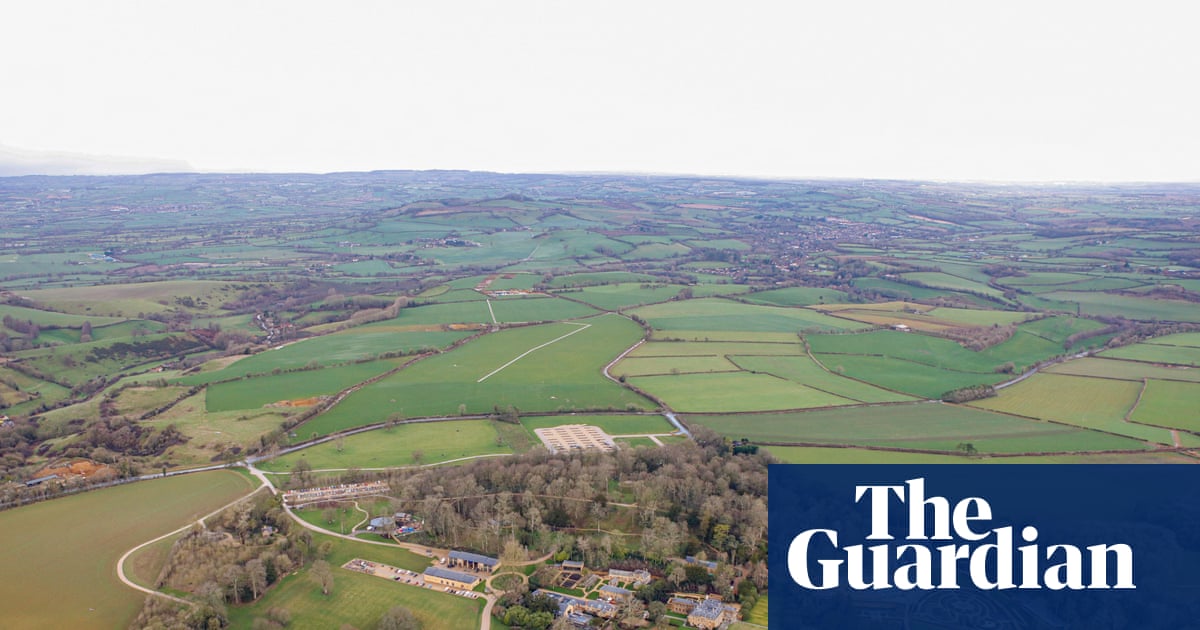
South African billionaire Koos Bekker's company, trading as the Newt, controls more than 2,700 acres around Bruton and Castle Cary. Some residents raise concerns over flooding, pesticides and branding, while the Newt cites 650 local jobs.

1 / 2
The story, neutrally told
Mixed · 2Koos Bekker, the South African billionaire and chair of Naspers, bought the 17th-century Hadspen House and 16 acres in Somerset in 2013 and turned it into the luxury hotel and gardens known as the Newt in Somerset. The GuardianLC “Bekker bought the 17th-century manor Hadspen House in 2013, along with 16 acres of land, converting it into the luxury hotel.” Read at The Guardian ↗ The Times of IndiaN “When South African technology billionaire Koos Bekker bought Hadspen House and 16 acres of land in Somerset in 2013” Read at The Times of India ↗ Mixed · 2A Guardian analysis found his company, Emily Estate (UK) Limited, which trades as the Newt, now controls more than 2,700 acres (1,090 hectares) around Bruton and Castle Cary. The GuardianLC “more than 2,700 acres (1,090 hectares), according to Guardian analysis – through his company Emily Estate (UK) Limited, which trades as the Newt.” Read at The Guardian ↗ The Times of IndiaN “has grown to cover more than 2,700 acres through land purchases made by Bekker’s company, according to The Guardian.” Read at The Times of India ↗ Left · 1The Guardian reports that Bekker has also bought high street businesses including a deli and a beauty parlour, farmhouses and local pubs, among them the George in Castle Cary, and last year acquired the Grade II-listed Yarlington Lodge, converted into a 32-guest property. The GuardianLC “Bekker has also snapped up high street businesses from a deli to a beauty parlour, as well as pretty former farmhouses and local pubs.”“Last year he acquired Yarlington Lodge, a Grade II-listed Georgian house a mile away, and converted it into a 32-guest property” Read at The Guardian ↗
Mixed · 2Local concerns reported by the Guardian include the estate's expansion, pesticide spraying on its farmland (subject of a villagers' petition), and branding such as the Castle Cary station sign now reading "Castle Cary for the Newt", which food writer Hugh Thomas called "arrogant and brazen". The GuardianLC “Hugh Thomas, a food writer from Frome, said the renaming of the station seemed “arrogant and brazen””“Villagers have also set up a petition against the spraying of pesticides on the Newt’s farmland.” Read at The Guardian ↗ The Times of IndiaN “a nearby train station was renamed to include the hotel’s branding” Read at The Times of India ↗ Left · 1Residents also link the estate to increased flooding; the Guardian says the hotel has acknowledged this and is digging pools to hold run-off, and that in May 2023 flash-flooding in the Pitt and Cam valleys prompted the local authority to declare an emergency, though the article does not attribute that event to the estate. The GuardianLC “The hotel has acknowledged this, and has been digging pools to hold any run-off water from the farm and paved areas.”“The local authority declared an emergency that evening.” Read at The Guardian ↗ Left · 1Farmers suspect new boreholes have dried sections of the River Brue; neighbour Oliver Dowding is in negotiations with the Newt via the Environment Agency, and the Guardian also reports that rewilding expert Derek Gow called the Newt's caged red squirrels "performative". The GuardianLC “Farmers have been suspicious that new boreholes drilled by the hotel have dried up sections of the River Brue”“It is performative – [the squirrels] are in the cage to show guests.” Read at The Guardian ↗
Mixed · 2Some residents welcome the investment, saying it has improved the station and created jobs, and a Newt spokesperson said it employs more than 650 people who are from or live in the local area and maintains close ties with local organisations. The GuardianLC “proudly employing more than 650 people, who are either from or live within the local area.” Read at The Guardian ↗ The Times of IndiaN “For supporters, the growth has brought jobs, visitor spending and a new profile for the area.” Read at The Times of India ↗ Centre · 1The Times of India, drawing on the Guardian's reporting and the Newt's community page, frames the story as a wider debate over how much influence one private enterprise should have in a rural community. The Times of IndiaN “raising questions about land ownership, local identity and how much influence one company should have in a rural community” Read at The Times of India ↗
Every sentence links to the reporting it rests on. The pill in front of each says where its sources sit: Left, Centre or Right when one side supplies at least half of them, Mixed when they are evenly split. The number is how many outlets it cites.
Left1 outlet
- Framing
- Investigative piece on a billionaire's growing control of a Somerset area, led by resident grievances.
- Emphasis
- Named local critics, flooding, pesticides, river levels, station branding, high prices and restricted garden access.
- Leaves out or plays down
- The Newt's response is limited to a short statement; the jobs benefit gets little space.
- Charged language
- “one man’s estate”“arrogant and brazen”“colonised”“performative”
- For example
-
“I don’t want to live somewhere that’s just one man’s estate” — The Guardian
“The station does feel somewhat colonised by the Newt” — The Guardian
Centre1 outlet
- Framing
- Balanced, explanatory rewrite of the Guardian's reporting presented as a debate between jobs and influence.
- Emphasis
- The 650 local jobs and economic benefits alongside generalised resident concerns.
- Leaves out or plays down
- No original reporting; omits the named critics, flooding detail, river and squirrel claims, and prices.
- Charged language
- “difficult questions”
- For example
-
“The Newt’s supporters point to jobs and investment, while critics question whether the costs of expansion are being adequately considered.” — The Times of India
Right0 outlets
No right outlet in our sources has covered this story yet.
What every side reports
- Bekker bought Hadspen House and 16 acres in 2013.
- The estate now covers more than 2,700 acres, per the Guardian.
- The Newt says it employs over 650 people from or living locally.
- Residents have raised concerns over expansion, pesticides, flooding and station branding.
Where accounts differ
-
Whether the estate's expansion benefits or harms the local community
- Left
- Residents fear 'one man’s estate', with flooding, pesticides and branding concerns.
- Centre
- Presents jobs and investment against worries over influence as an open debate.
Koos Bekker person
Bekker is described as the owner behind the expansion; he is not quoted, and the Newt's spokesperson speaks for the business.
“Fundamental to our philosophy is a love of gardens, respect for the land and a determination to share that passion with a broad audience.” — The Guardian
Left1 article
-
How a South African billionaire is turning a corner of Somerset into ‘one man’s estate’
Critical Presents the estate's growth as eroding local character, built on named residents' complaints.
Centre1 article
-
Neutral Summarises the Guardian's findings and the company's position as a balanced debate about growth and community.
Right0 articles
No coverage yet.
- 10 Oct 14:00 First The GuardianLC How a South African billionaire is turning a corner of Somerset into ‘one man’s estate’
- 13 Oct 21:22 +79h 21m The Times of IndiaN Koos Bekker’s company controls 2,700 acres in Somerset, employs 650 locals as expansion sparks debate
Times are when each article was published, or when we first saw it if the outlet gave no time.
Ask about this story
Loading…