Blind smart-glasses users fear backlash as "pervert glasses" concerns grow
Visually impaired users of Meta's AI smart glasses told the BBC they fear hostility and event bans linked to covert filming by others. A Guardian opinion column separately cites the glasses as an example of technology used to harass women.

1 / 2
The story, neutrally told
Centre · 1Visually impaired people who use AI-powered smart glasses told the BBC they fear a backlash because of reports of the devices being used to secretly film and harass people, particularly women and girls, with footage shared online. BBC NewsN “"People are calling them pervert glasses," he says, referring to multiple reports of them being used to secretly film and harass people, particularly women and girls, with the footage being shared online.” Read at BBC News ↗ Centre · 1Fraser Fleming, 44, from Motherwell, who is registered blind, said his Meta glasses describe the road, help him use public transport, read street signs and order from menus, calling the information "game changing". BBC NewsN “For 44-year-old Fraser, who is registered blind, this is "game changing" information.”“They help him to navigate public transport, read street signs and order from menus” Read at BBC News ↗ Centre · 1He said he would often take the glasses off if he thought a confrontation was possible, which would make getting around harder; Tracey Rogerson, another user, said she was shocked by the nickname. BBC NewsN “he would often take his glasses off if he thought there was a chance of a confrontation.”“I was shocked to hear that they were being called pervert glasses” Read at BBC News ↗
Centre · 1Some venues and events have banned or restricted the glasses over covert-filming fears, including ComicCon Scotland in Edinburgh later this month; Monopoly Events, which runs large UK conventions, announced in July a ban on Meta glasses and other "wearable recording devices" to "stop secret filming". BBC NewsN “some venues and events have banned or at least restricted their use over fears about covert filming, including ComicCon Scotland”“announced in July that it had banned Meta glasses to "stop secret filming" of guests and attendees.” Read at BBC News ↗ Centre · 1Gordon Brown, who is severely sight-impaired, said he will skip the event this year and that the impact on disabled people has been overlooked; the BBC said it contacted the organiser about his comments. BBC NewsN “This means Gordon Brown, who is severely sight-impaired and has attended the event with his family for the past three years, won't be going this year.”“The company was contacted by the BBC about Gordon's comments.” Read at BBC News ↗ Centre · 1Cosplay performer Teah Pearn, who said she was secretly filmed at a Birmingham convention and felt "violated", said restrictions are needed but that people who need the glasses should be exempt. BBC NewsN “Teah says her experience demonstrates why restrictions are needed, but she thinks there should be exceptions for people with disabilities.” Read at BBC News ↗
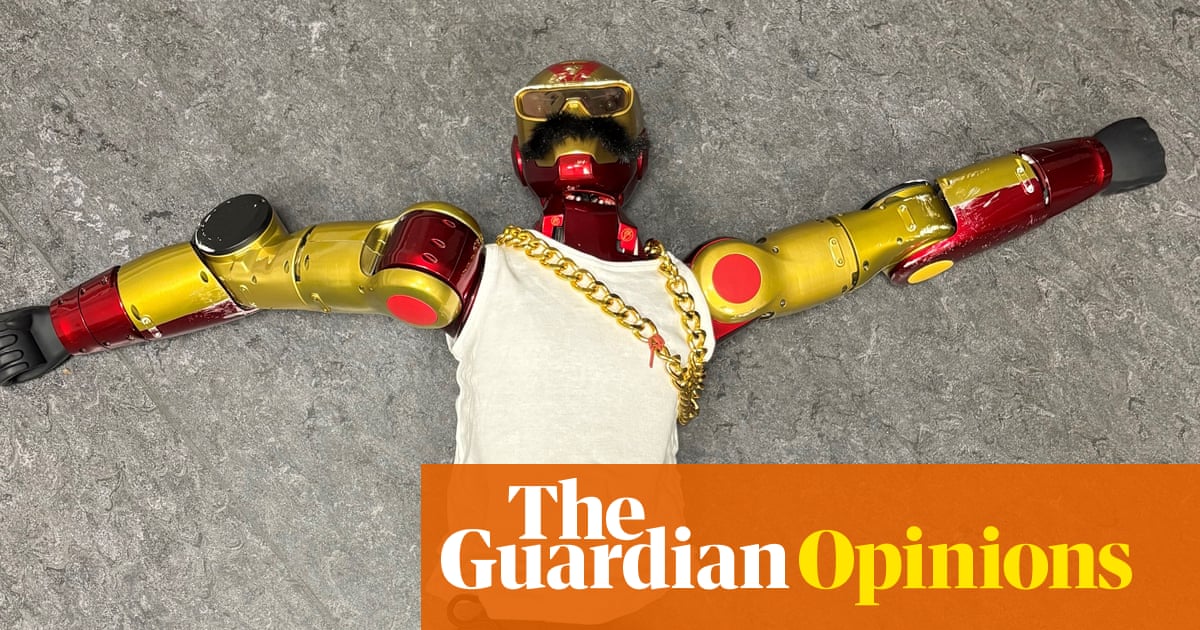
Centre · 1Meta, which the BBC says has sold about two million pairs since February last year, said the glasses give blind, low-vision and hearing-impaired people greater independence and that a bright light blinks whenever a camera records; it said the light cannot be turned off and the camera is disabled if covered or tampered with. BBC NewsN “has sold about two million pairs since February last year.”“It cannot be turned off and the camera is disabled if someone covers or tampers with it.” Read at BBC News ↗ Left · 1In a Guardian opinion column the next day, Arwa Mahdawi used the glasses as an example of technology quickly used to harass women, saying influencers had filmed women in public and posted the footage to TikTok, and that Meta had instituted "a few bans and made some privacy updates" but did not seem to want to solve the problem properly. The GuardianLC “So-called manfluencers have filmed themselves trying to flirt with women in public spaces and then uploaded the footage to TikTok.”“It’s instituted a few bans and made some privacy updates, but doesn’t seem to have an appetite to properly solve the problem.” Read at The Guardian ↗ Left · 1The column, which does not address visually impaired users, goes on to cite other examples including a humanoid robot that police in Cologne, Germany, are investigating over an alleged incident involving a 16-year-old girl. The GuardianLC “Police in Cologne, Germany, are currently investigating an incident in which a humanoid robot controlled by two teenage males touched a 16-year-old girl’s buttocks” Read at The Guardian ↗
Every sentence links to the reporting it rests on. The pill in front of each says where its sources sit: Left, Centre or Right when one side supplies at least half of them, Mixed when they are evenly split. The number is how many outlets it cites.
Left1 outlet
- Framing
- A Guardian opinion column treats the 'pervert glasses' as one example of a recurring pattern of new technology being used to harass women, then moves to humanoid robots and other topics.
- Emphasis
- Harm to women, Meta's inadequate response, and a prediction that such abuse will grow.
- Leaves out or plays down
- Does not mention blind or low-vision users, the accessibility benefits, or Meta's statement about its recording light.
- Charged language
- “pervert glasses”“manfluencers”“robogroping”
- For example
-
“whenever a new technology is created, it will, without exception, immediately be used to harass girls and women” — The Guardian
“Indeed, at the Meta Connect 2026 keynote, Mark Zuckerberg did not feel the need to apologize to the women whose lives have been upended by his technology.” — The Guardian
Centre1 outlet
- Framing
- BBC reporting centred on visually impaired users who rely on the glasses and worry about being stigmatised and excluded by bans.
- Emphasis
- Users' accounts of independence, event bans, a harassment victim's call for exemptions, and Meta's response.
- Leaves out or plays down
- Gives little detail on the specific harassment incidents or on how effective Meta's safeguards are.
- Charged language
- “pervert glasses”“violated”
Right0 outlets
No right outlet in our sources has covered this story yet.
What every side reports
- Meta's smart glasses have been nicknamed 'pervert glasses' because of reports of covert filming and harassment of women.
- Meta has introduced some measures in response to the criticism.
Where accounts differ
-
Whether Meta's response is adequate
- Left
- The Guardian columnist says Meta has made only a few bans and privacy updates and lacks appetite to solve the problem.
- Centre
- Meta says a bright, non-disableable light signals recording and the camera is disabled if covered.
Smart glasses topic
Smart glasses are presented in the BBC as a valuable accessibility tool for blind users and, in the Guardian column, as a device used to film and harass women. Meta says they were built to be noticed, with a blinking light that cannot be turned off.
“They were built to be noticed, which is why every pair with a camera has a bright light on the front that blinks when you take a photo or video.” — BBC News
“putting a tiny camera and microphone into smartglasses would immediately lead to people using them to record and harass women” — The Guardian
Left1 article
-
The GuardianLC · · Opinion
Move over, pervert glasses – the latest toxic trend is robogroping
Critical Opinion column casting the glasses as part of a pattern of tech-enabled harassment of women and criticising Meta.
Centre1 article
-
'People call them pervert glasses': Blind users fear backlash over smart tech
Sympathetic Features blind users worried about stigma and bans while including a harassment victim's view and Meta's statement.
Right0 articles
No coverage yet.
- 16 Oct 06:23 First BBC NewsN 'People call them pervert glasses': Blind users fear backlash over smart tech
- 17 Oct 14:00 +31h 38m The GuardianLC Move over, pervert glasses – the latest toxic trend is robogroping Opinion
Times are when each article was published, or when we first saw it if the outlet gave no time.
Ask about this story
Loading…