Brands use AI pricing tools to scale back Black Friday discounts, Reuters reports
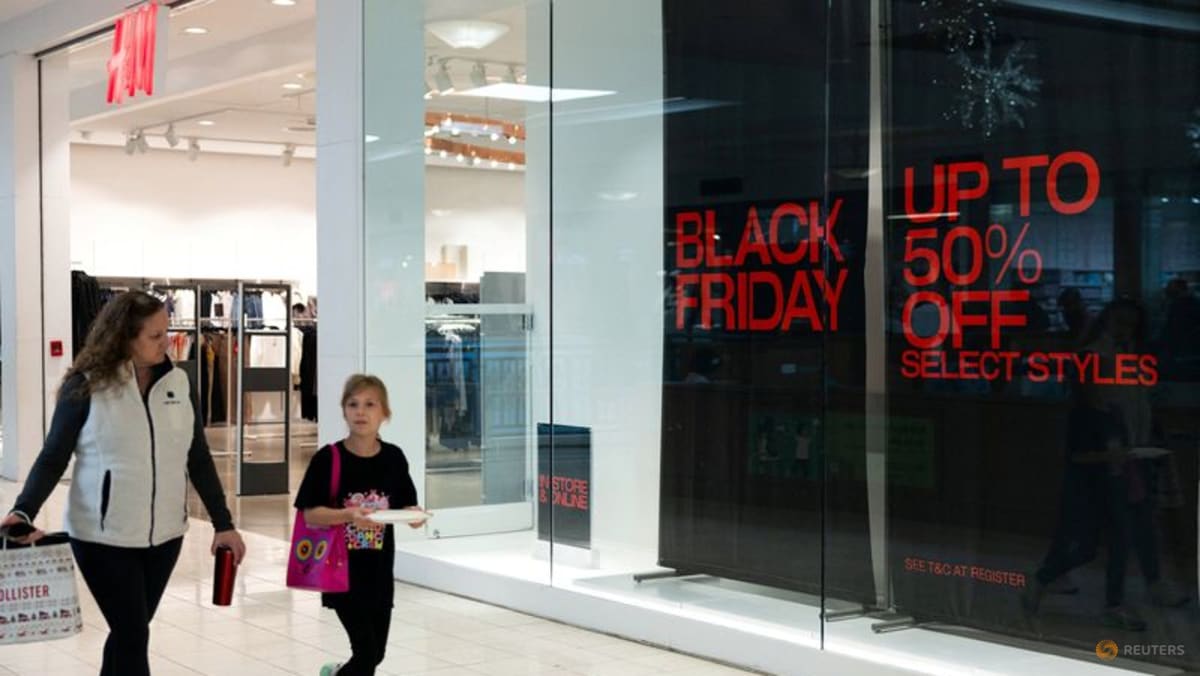
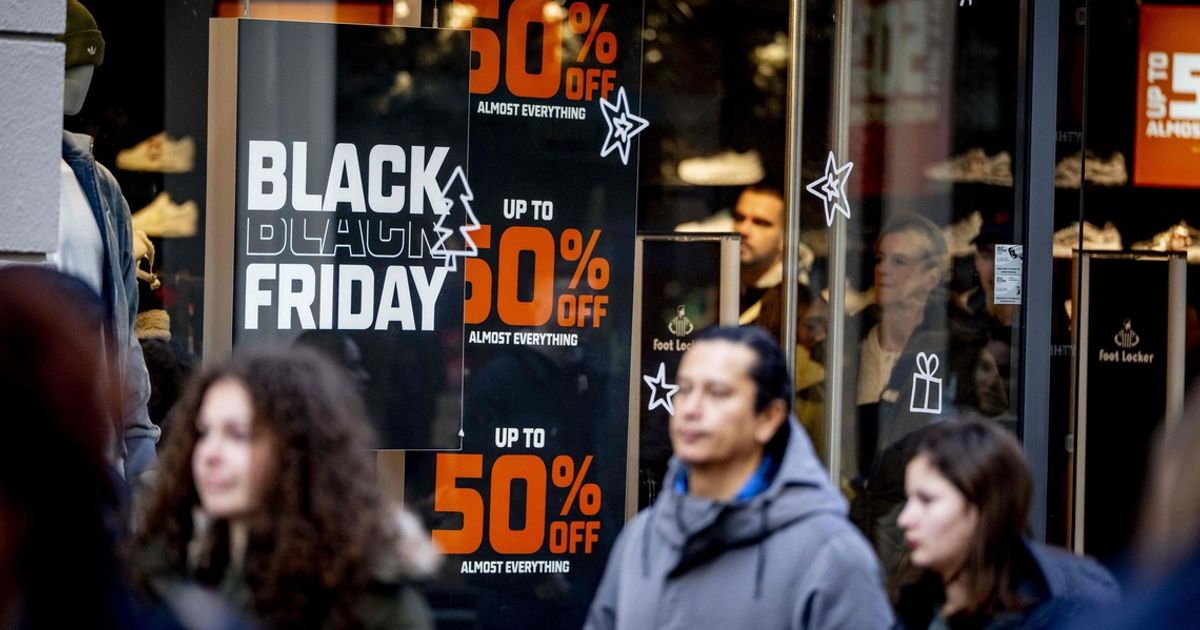
Reuters reports that consumer brands are increasingly using AI to set prices and cut discounts to protect margins, which could mean shallower Black Friday deals for US shoppers. The claims rest mainly on interviews with five AI pricing firms.
1 / 2
The story, neutrally told
Mixed · 2Consumer brands are increasingly turning to artificial intelligence to help set prices, hoping to reduce discounts and protect profit margins, according to a Reuters report. CNAN “Consumer brands are increasingly turning to artificial intelligence to help set prices, hoping to reduce discounts to protect profit margins.” Read at CNA ↗ The Straits TimesRC “Consumer brands are increasingly turning to artificial intelligence to help set prices, hoping to reduce discounts to protect profit margins.” Read at The Straits Times ↗ Centre · 1That could mean shallower bargains for US shoppers this holiday season, starting with Black Friday, according to interviews with five firms that provide AI tools to brands and retailers. CNAN “That could mean shallower bargains for inflation-weary US shoppers this holiday season, starting with Black Friday, an event synonymous with discounts, according to interviews with five firms that provide AI tools to brands and retailers.” Read at CNA ↗ Mixed · 2Brands from Gap to Under Armour use AI tools to manage inventory, recommend retail prices and decide when and how steeply to discount; the AI pricing firms said the tools often conclude discounts can be reduced without dampening demand. CNAN “Often, the tools conclude that companies can reduce discounts without dampening demand, the AI pricing firms told Reuters.” Read at CNA ↗ The Straits TimesRC “Brands from Gap to Under Armour are using AI tools to manage inventory levels, recommend retail prices and figure out when and how steeply to discount products.” Read at The Straits Times ↗
Mixed · 2Impact Analytics CEO Prashant Agrawal said its software, used by Gap, "generally shows you need fewer promos for less time on less products"; a Gap spokesperson said the brand uses it to make "more informed markdown decisions based on demand and inventory signals". CNAN “"generally shows you need fewer promos for less time on less products," CEO Prashant Agrawal said.” Read at CNA ↗ The Straits TimesRC “A Gap spokesperson said the brand uses Impact Analytics to make “more informed markdown decisions based on demand and inventory signals”.” Read at The Straits Times ↗ Mixed · 2Kapnova CEO James Sun said its tools advised an unnamed billion-dollar beauty brand to cut its Black Friday discount on a skincare product to 30% from a planned 40%, and First Insight founder Greg Petro said its tools suggested one brand reduce a buy-one-get-one promotion from 50% to 40% off. CNAN “advised a billion-dollar beauty brand to reduce this year's Black Friday discount on a skincare product to 30 per cent from an initially planned 40 per cent, CEO James Sun said” Read at CNA ↗ The Straits TimesRC “recently suggested that one brand scale back a buy-one-get-one promotion from 50% to 40% off, said founder Greg Petro” Read at The Straits Times ↗ Mixed · 2The tools use machine learning on sales data, inventory, competitors' prices, weather and economic conditions to predict demand in real time; the technology is not new but has grown more sophisticated over two years and adoption is rising, experts and executives say. The Straits TimesRC “The AI pricing firms’ algorithms use machine learning to synthesise sales data, inventory levels, competitors’ prices, weather and economic conditions to predict shifting demand in real time.” Read at The Straits Times ↗ CNAN “it has become more sophisticated over the past two years at predicting demand for products at specific prices, and adoption is ramping up” Read at CNA ↗
Right · 1Evidence on the effect is limited: Centric Market Intelligence data show that in sportswear the share of products discounted rose over the past year while the average discount fell, with the average on-sale sports bra marked down 32% against 36% a year earlier. The Straits TimesRC “the share of products discounted over the past year increased, but the average discount came down, data compiled by Centric Market Intelligence show.”“The technology is still emerging, and the full scale of its price impact is unknown.” Read at The Straits Times ↗ Right · 1Simon-Kucher's 2025 survey found a third of companies use AI pricing for demand forecasting and 28% for real-time price optimisation; the National Retail Federation expects holiday sales to rise 4.2% to just over $1 trillion, largely due to 3.7% inflation. The Straits TimesRC “A 2025 survey by the firm showed that a third of companies now use AI pricing for demand forecasting, and 28% for real-time price optimisation.”“Holiday sales are set to rise 4.2% versus 2025 to just over US$1 trillion (S$1.29 trillion)” Read at The Straits Times ↗ Centre · 1Few companies openly discuss their AI use, and more than a dozen brands approached by Reuters, including Under Armour, Family Dollar, Tiffany, Dolce & Gabbana and Yves Saint Laurent, did not respond to requests for comment. CNAN “More than a dozen brands approached by Reuters, including Under Armour, Family Dollar, Tiffany, Dolce & Gabbana and Yves Saint Laurent, did not respond to multiple requests for comment.” Read at CNA ↗
Right · 1Sparkbox co-founder Lindsay Fisher said AI "has the confidence to hold its nerve" where humans may slash prices, while consultant Ryan Orabone said consumers may not notice the effect; Sun conceded the practice is "controversial" and risks backlash from cash-strapped shoppers. The Straits TimesRC “AI software “has the confidence to hold its nerve” when a lesser discount will do the trick”““It is controversial,” Sun, of Kapnova, conceded.” Read at The Straits Times ↗ Mixed · 2Predictive algorithms typically stop short of individualised pricing, which Walmart and Target say they do not use and several states have moved to curb, but former McKinsey consultant Sofia Serra said fast dynamic pricing sits "one layer removed" from it and that regulation is still evolving. CNAN “sit "one layer removed" from personalized pricing, according to former McKinsey consultant and e-commerce executive Sofia Serra.” Read at CNA ↗ The Straits TimesRC ““There’s a legal and ethical question about it,” said Serra. “Regulation is still evolving.”” Read at The Straits Times ↗
Every sentence links to the reporting it rests on. The pill in front of each says where its sources sit: Left, Centre or Right when one side supplies at least half of them, Mixed when they are evenly split. The number is how many outlets it cites.
Left0 outlets
No left outlet in our sources has covered this story yet.
Centre1 outlet
- Framing
- CNA runs the Reuters report as a consumer-and-business story: AI tools may mean shallower Black Friday deals for inflation-weary shoppers.
- Emphasis
- Cost-of-living pressure, vendor claims about fewer promotions, and the open regulatory question.
- Leaves out or plays down
- No independent reporting or reaction beyond the Reuters text; most brands did not comment.
- Charged language
- “inflation-weary”“additional headache”
- For example
-
“It could also provide an additional headache for US consumers still grappling with inflation and tariff-fueled price hikes.” — CNA
Right1 outlet
- Framing
- The Straits Times carries the same Reuters text, with a summary line on brands using AI to decide how steeply to discount, and Singapore-dollar and local spelling conversions.
- Emphasis
- Brand adoption of AI pricing, with the same vendor quotes and data as CNA.
- Leaves out or plays down
- No independent reporting or added reaction beyond the Reuters text.
- Charged language
- “inflation-weary”“additional headache”
- For example
-
“Brands from Gap to Under Armour are using AI tools to manage inventory levels, recommend retail prices and figure out when and how steeply to discount products.” — The Straits Times
What every side reports
- Brands including Gap and Under Armour use AI tools for inventory, pricing and discount decisions.
- Kapnova's tools advised cutting one skincare Black Friday discount from 40% to 30%.
- The report is based on interviews with five AI pricing firms; many brands did not comment.
- The full scale of the price impact is unknown.
Artificial intelligence topic
AI pricing vendors say the tools often show discounts can be reduced without hurting demand; they acknowledge the practice is controversial and the overall impact is not yet measured.
“Often, the tools conclude that companies can reduce discounts without dampening demand, the AI pricing firms told Reuters.” — CNA
“The technology is still emerging, and the full scale of its price impact is unknown.” — The Straits Times
Black Friday event
Black Friday is described as an event synonymous with discounts, which may become shallower this year.
“starting with Black Friday, an event synonymous with discounts” — CNA
Left0 articles
No coverage yet.
Centre1 article
-
CNAN ·
AI tools help brands curb Black Friday deals, from clothes to skincare
Neutral Reuters copy on CNA presenting AI-driven discount reduction as a possible extra burden for shoppers, balanced with vendor and expert quotes.
Right1 article
-
The Straits TimesRC · · via Reuters
AI tools help brands curb Black Friday deals, from clothes to skincare
Neutral Reuters copy on The Straits Times, same content with local spelling and Singapore-dollar conversion.
- 23 Nov 11:05 First CNAN AI tools help brands curb Black Friday deals, from clothes to skincare
- 23 Nov 12:05 +1h The Straits TimesRC AI tools help brands curb Black Friday deals, from clothes to skincare via Reuters
Times are when each article was published, or when we first saw it if the outlet gave no time.
Ask about this story
Loading…