California makes Native American Day a paid state holiday; cost estimate and funding questioned
Gov. Gavin Newsom signed Assembly Bill 1841, creating a paid state holiday for Native American Day, along with bills on a state apology and a permanent tribal affairs office. Coverage differs on emphasis: tribal relations and other states' observances versus the cost to taxpayers.

1 / 2
The story, neutrally told
Mixed · 2California Governor Gavin Newsom, a Democrat, signed Assembly Bill 1841, which makes Native American Day a paid holiday for state employees. NewsweekN “Democratic Governor Gavin Newsom announced on September 25 that he had signed Assembly Bill 1841, which grants state employees a paid holiday for Native American Day.” Read at Newsweek ↗ New York PostR “Gov. Gavin Newsom signed Assembly Bill 1841 this week, making Native American Day California’s 12th paid holiday for state employees.” Read at New York Post ↗ Mixed · 2Newsom also approved bills formalizing a state apology for historical violence against Native Americans and making the Governor's Office of Tribal Affairs permanent. NewsweekN “The governor also approved bills formalizing a state apology for historical violence against Native Americans and making the Governor's Office of Tribal Affairs permanent” Read at Newsweek ↗ New York PostR “Newsom separately signed legislation formalizing an apology from the state and making the Governor’s Office of Tribal Affairs permanent.” Read at New York Post ↗ Mixed · 2Newsom said the legislation reflects "great remorse over the violent beginnings of this state" and a commitment to forging a better path together with tribes. NewsweekN “great remorse over the violent beginnings of this state, a strong commitment to forging a better path forward together” Read at Newsweek ↗ New York PostR “citing “great remorse over the violent beginnings of this state.”” Read at New York Post ↗
Mixed · 2Assemblymember James Ramos, a Democrat from San Bernardino who authored the bill, said it recognizes the role Native communities have played in shaping the state's culture and identity. NewsweekN “AB 1841 recognizes the profound role Native communities have played in shaping the state’s culture and identity” Read at Newsweek ↗ New York PostR “The bill was authored by Assemblymember James Ramos, D-San Bernardino” Read at New York Post ↗ Centre · 1According to Ramos, as reported by Newsweek, paid time off is "contingent upon an appropriation by the legislature"; the New York Post does not mention this condition. NewsweekN “"contingent upon an appropriation by the legislature," according to Ramos.” Read at Newsweek ↗ Right · 1The New York Post, citing a state analysis, put the annual cost at $16 million to $20 million including payroll costs and lost productivity, and said this would be California's 12th paid state holiday, more than Florida (nine) and New York, Ohio and Pennsylvania (11 each). New York PostR “The annual price tag is estimated at $16 million to $20 million, including payroll costs and lost productivity, according to a state analysis.”“Florida has nine, while the other three each have 11.” Read at New York Post ↗
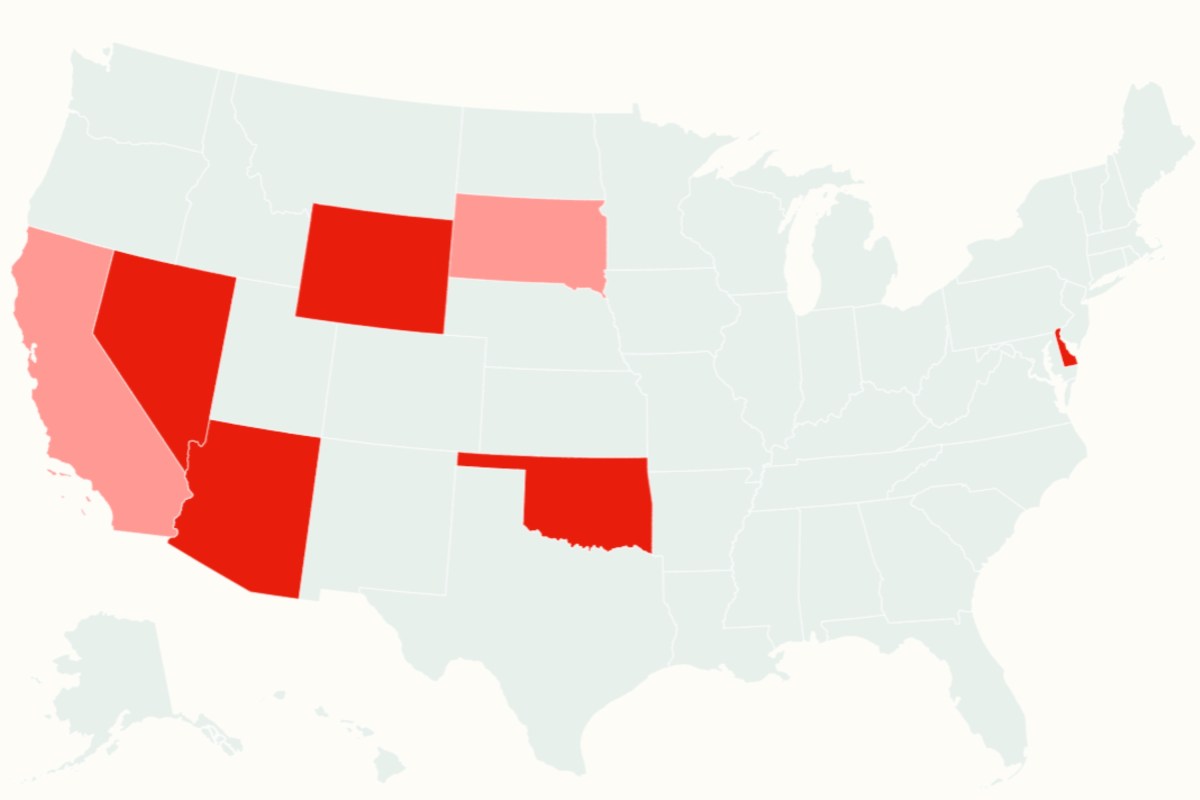
Right · 1The Post said critics question whether another paid holiday should be a priority given the state's fiscal pressures, and that some oppose legislative efforts centered on historical grievances, symbolic gestures and official apologies. New York PostR “prompting critics to question whether adding another paid holiday for government workers should be a priority.” Read at New York Post ↗ Centre · 1Newsweek reported that some tribal leaders say symbolic gestures fall short: California Valley Miwok Tribe chairwoman Antoinette Del Rio said in March that a paid holiday "does not atone for the great injustices of the past," while calling it an acknowledgement of the price California tribes paid. NewsweekN “a paid holiday "does not atone for the great injustices of the past and those wrongs that continue into the present."”“"But it is an acknowledgement of the price that was paid by California tribes” Read at Newsweek ↗ Mixed · 2California first designated the fourth Friday of September as California Native American Day in 1998; Newsweek notes Arizona, Nevada, Wyoming, Delaware, Oklahoma and South Dakota also observe versions of the day, though not all as paid holidays. New York PostR “California first designated the fourth Friday of September as California Native American Day in 1998.” Read at New York Post ↗ NewsweekN “However, it is not designated as a paid holiday by all.” Read at Newsweek ↗
Every sentence links to the reporting it rests on. The pill in front of each says where its sources sit: Left, Centre or Right when one side supplies at least half of them, Mixed when they are evenly split. The number is how many outlets it cites.
Left0 outlets
No left outlet in our sources has covered this story yet.
Centre1 outlet
- Framing
- Explainer on the signing, led by Newsom's statement, with a map-style comparison of other states' Native American Day observances.
- Emphasis
- Tribal relations, official quotes, tribal leader reservations, and dates of observance in other states.
- Leaves out or plays down
- Gives no cost estimate or comparison of paid holiday counts across states.
- For example
-
“The move "reflects the many facets of the relationship between California and Native American tribes," Governor Gavin Newsom said.” — Newsweek
Right1 outlet
- Framing
- Leads with taxpayer cost of another paid day off for state workers, with the apology and tribal measures as context.
- Emphasis
- The $16–20 million estimate, comparison with other states' holiday counts, and critics of fiscal priorities and symbolic gestures.
- Leaves out or plays down
- Does not report that paid time off depends on a legislative appropriation or include tribal leaders' views.
- Charged language
- “taxpayers could be on the hook”“handing state workers more paid holidays”“historical guilt”
- For example
-
“California is giving state workers another paid day off — and taxpayers could be on the hook for up to $20 million a year to make it happen.” — New York Post
“California should be looking ahead to practical policy rather than continually emphasizing historical guilt.” — New York Post
What every side reports
- Newsom signed AB 1841, making Native American Day a paid holiday for California state workers.
- Newsom also signed legislation formalizing a state apology and making the Governor's Office of Tribal Affairs permanent.
- James Ramos, D-San Bernardino, authored the bill.
Where accounts differ
-
How the holiday is framed and whether it is guaranteed
- Centre
- Newsweek presents it as a recognition of tribal relations, noting paid time off is contingent on a legislative appropriation and that some tribal leaders see it as acknowledgement but not atonement.
- Right
- The New York Post presents it as another paid day off costing taxpayers an estimated $16–20 million a year, and does not mention the appropriation condition.
Gavin Newsom person
Presents the bills as reflecting remorse over the state's violent beginnings and a commitment to a better path with tribes.
“great remorse over the violent beginnings of this state, a strong commitment to forging a better path forward together” — Newsweek
Native American Day topic
Now a paid state holiday for California employees; California has marked it on the fourth Friday of September since 1998.
“California first designated the fourth Friday of September as California Native American Day in 1998.” — New York Post
California place
State officials frame the measures as reconciliation with tribes; critics cited by the Post question the cost amid fiscal pressures.
“The state is already grappling with fiscal pressures and existing liabilities” — New York Post
Left0 articles
No coverage yet.
Centre1 article
-
Map Shows States That Observe Native American Day as California Passes Bill
Neutral Informational piece on the signing with official quotes, tribal reservations and a comparison of state observances.
Right1 article
-
California makes ‘Native American Day’ a paid holiday for state workers
Critical Cost-focused account stressing taxpayer burden and California's holiday count versus other states.
- 2 Oct 17:32 First NewsweekN Map Shows States That Observe Native American Day as California Passes Bill
- 3 Oct 00:20 +6h 48m New York PostR California makes ‘Native American Day’ a paid holiday for state workers
Times are when each article was published, or when we first saw it if the outlet gave no time.