Carney and Smith fast-track "Pacific Link" West Coast oil pipeline as a national interest project
Prime Minister Mark Carney and Alberta Premier Danielle Smith announced in Fort McMurray that the West Coast oil pipeline, called Pacific Link, is a project of national interest. Coverage differs on emphasis: the National Post ties it to Alberta's separation referendum, while Anadolu stresses reducing dependence on the US market.
Updated (version 2). New coverage since the last version from Al Jazeera, BBC News, Hindustan Times, South China Morning Post, The Independent. Previously: “Carney and Smith designate "Pacific Link" West Coast oil pipeline a national interest project”.


.jpg?trim=0,51,0,51&width=1200&height=800&crop=1200:800)
1 / 6
The story, neutrally told
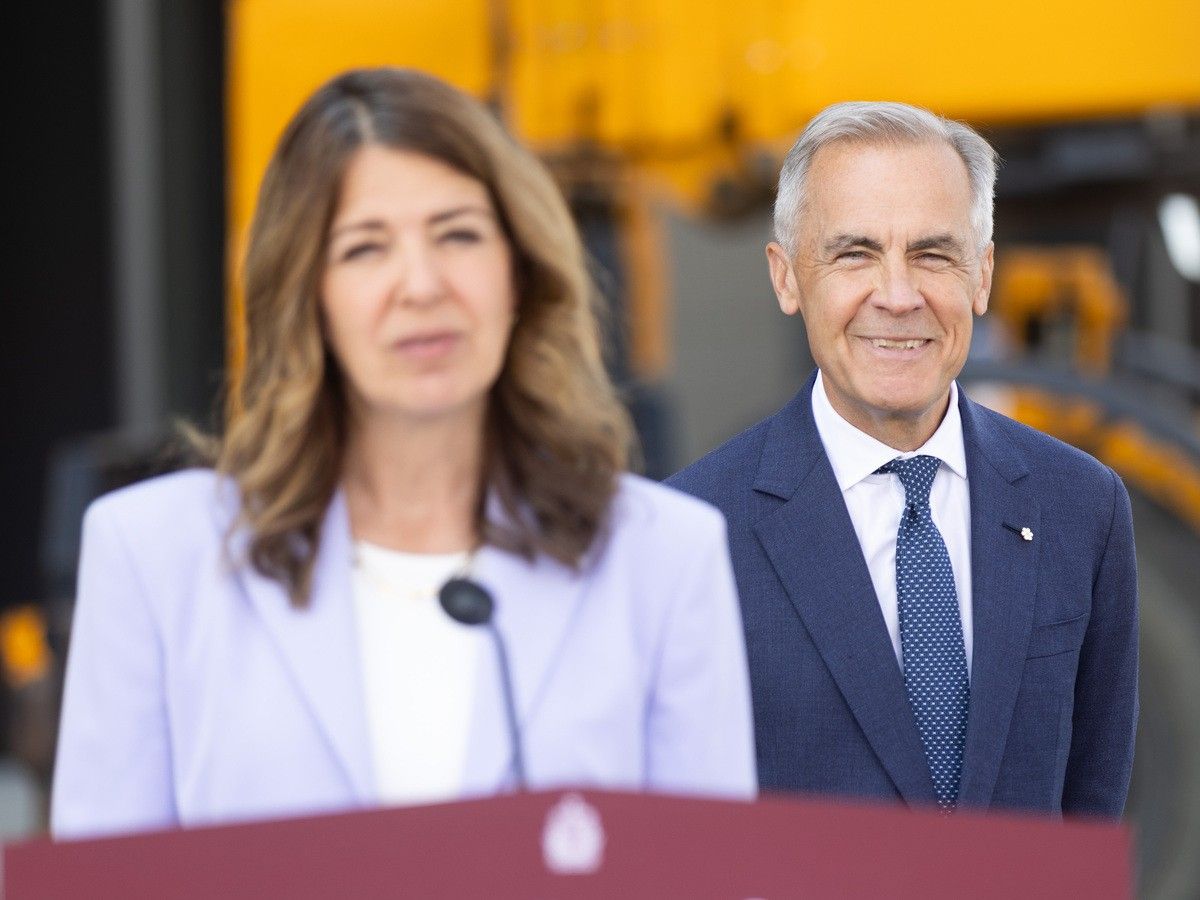
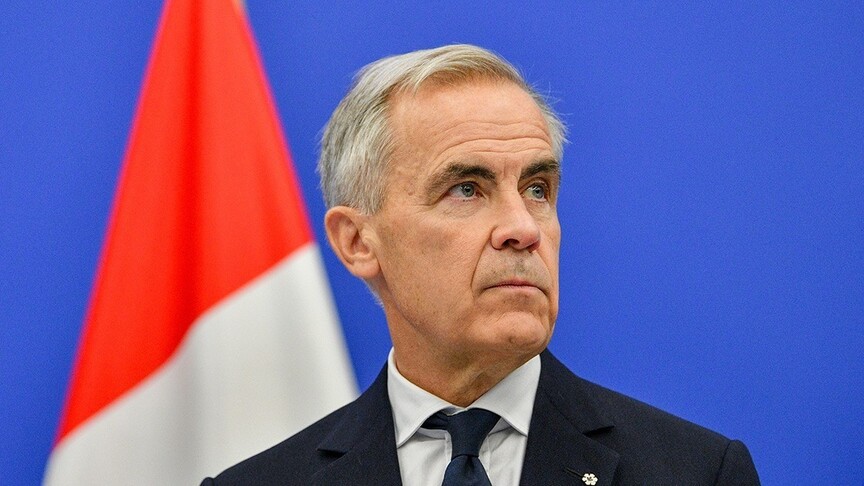
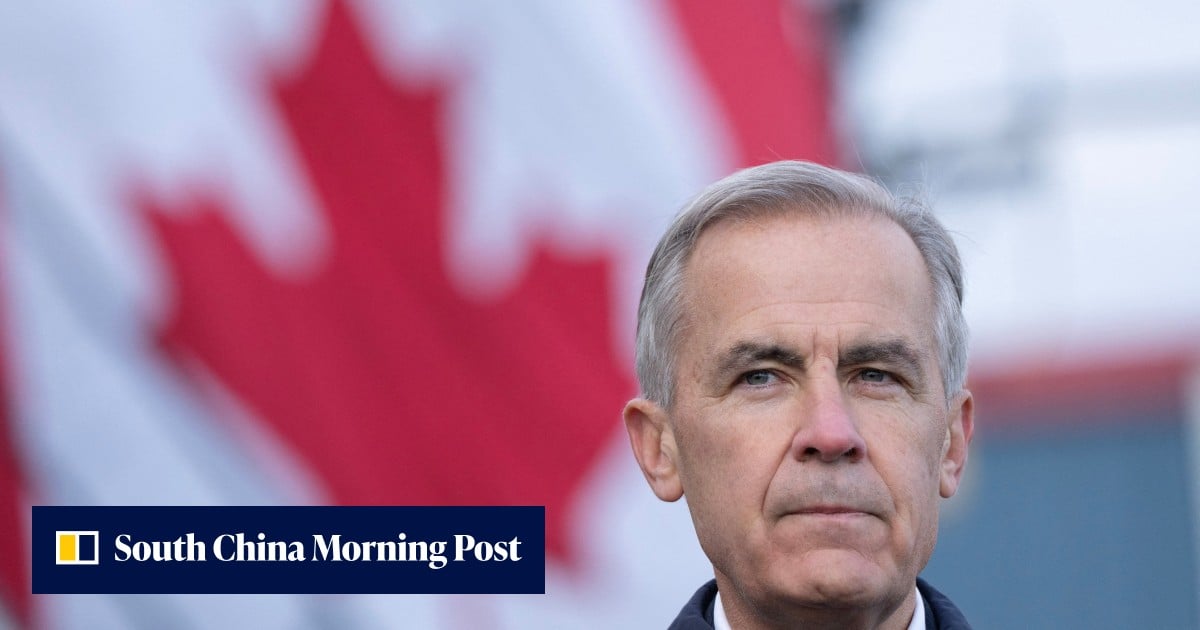
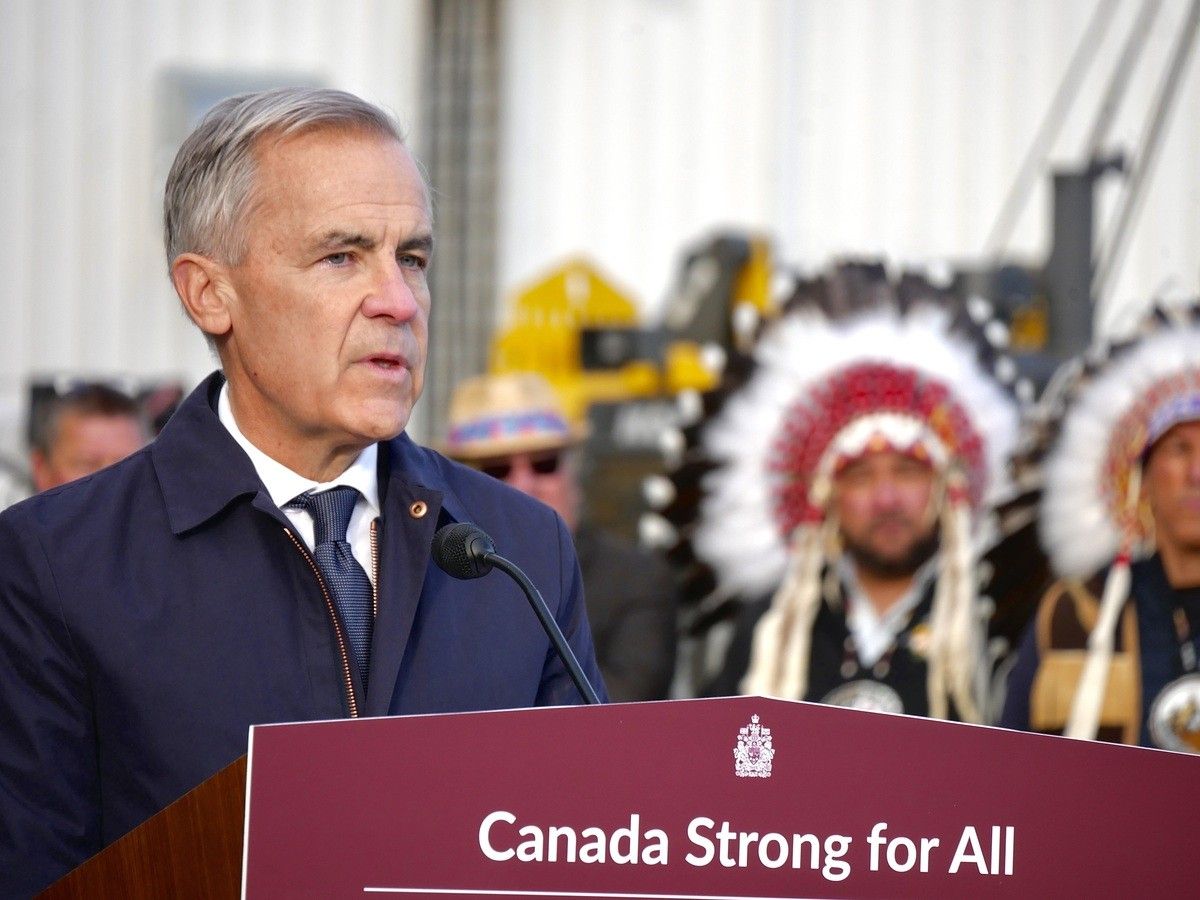
Prime Minister Mark Carney and Alberta Premier Danielle Smith held a joint news conference in Fort McMurray, Alberta, on Thursday 1 October 2026 to make a major announcement about the proposed West Coast pipeline. National PostRC “Prime Minister Mark Carney is in Fort McMurray, Alta. with Alberta Premier Danielle Smith on Thursday to make a major announcement about the proposed West Coast pipeline.” Read at National Post ↗ Anadolu AgencyN “Speaking at a joint news conference with Alberta Premier Danielle Smith in Fort McMurray” Read at Anadolu Agency ↗ Canada listed the pipeline, known as "Pacific Link", as a project of national interest; the National Post said 1 October was the deadline for that designation, which would fast-track the project's regulatory process. Anadolu AgencyN “Canada on Thursday listed the new West Coast Oil Pipeline, known as “Pacific Link,” as a project of national interest” Read at Anadolu Agency ↗ National PostRC “The announcement comes on Oct. 1, the deadline for the project to be designated a project in the national interest, which would fast-track the pipeline’s regulatory journey.” Read at National Post ↗ Carney said Ottawa aims to complete the single federal regulatory review by 1 September 2027; AFP said Pacific Link is the first initiative classed as national interest by his Major Projects Office. Hindustan TimesN “Carney said his Major Projects Office aims to finalize details for the pipeline by September 1 of next year.” Read at Hindustan Times ↗ Al JazeeraLC “He said Ottawa aimed to complete the process by September 1, 2027.” Read at Al Jazeera ↗
Carney said 90% of Alberta's oil currently goes to the US and that Pacific Link would allow an additional 1 million barrels a day to be exported to growing Asian markets, which he said means more customers, more choice and higher prices for Canadian producers. Anadolu AgencyN ““Pacific Link will materially reduce that dependence by allowing us to export an additional 1 million barrels a day to growing markets in Asia,” he said.” Read at Anadolu Agency ↗ National PostRC “The pipeline is expected to carry up to a million barrels of crude from Alberta to B.C.’s coast.” Read at National Post ↗ The BBC described Pacific Link as a 1,250km pipeline from Bruderheim, Alberta, to a deep-water port near Delta, British Columbia, and said Ottawa expects it to cut Canada's dependency on the US to about 65-70%. BBC NewsN “Pacific Link would be capable of carrying approximately one million barrels per day of crude oil from Bruderheim, Alberta, to a deep-water port near Delta, British Columbia.”“Ottawa says the project will reduce Canada's overall dependency on the US to approximately 65-70%” Read at BBC News ↗ Carney said Canada and Alberta agreed that the project proponent will offer Indigenous communities at least a 10% ownership stake, financed through federal and provincial Indigenous loan guarantee programs, along with Indigenous contracting and employment opportunities. Anadolu AgencyN ““Canada and Alberta have agreed that the project proponent will offer Indigenous communities a minimum of 10% ownership interest in the pipeline, financed by our respective Indigenous loan guarantee programs,” he said.” Read at Anadolu Agency ↗
Reuters and Al Jazeera reported that the pipeline will be built by government-owned Trans Mountain Corp in coordination with Pembina Pipeline Corp, with the federal and Alberta governments as majority owners; Alberta estimates the cost at C$35.2 billion to C$43.7 billion. South China Morning PostN “The majority owners will be the federal government and the government of Alberta.” Read at South China Morning Post ↗ Al JazeeraLC “Alberta estimates it could cost between 35.2 billion Canadian dollars and 43.7 billion Canadian dollars” Read at Al Jazeera ↗ The Prime Minister's Office said the pipeline would create 140,000 jobs across the country, generate over $20 billion in GDP per year and $100 billion in government revenue by 2060, and support Carney's goal of doubling non-US exports over the next decade; the National Post, by contrast, cited a government figure of 150,000 jobs. Anadolu AgencyN ““will create 140,000 jobs across the country and generate over $20 billion in GDP per year, and $100 billion in government revenue by 2060.”” Read at Anadolu Agency ↗ National PostRC “The government says the pipeline will create 150,000 jobs” Read at National Post ↗ The BBC reported a GDP boost of up to C$30 billion a year, higher than the over C$20 billion in the Prime Minister's Office statement, and AFP quoted Carney as saying "hundreds of thousands of good jobs"; AFP also noted furious reactions from environmental groups and the resignation of a cabinet member who was a leading climate advocate. BBC NewsN “The prime minister said the project is expected to boost Canada's GDP by up to C$30bn” Read at BBC News ↗ Hindustan TimesN “triggering furious reactions from environmental groups and the resignation of a cabinet member” Read at Hindustan Times ↗
Al Jazeera and Reuters noted that Canada's only east-west oil export pipeline, the 890,000-barrel-a-day Trans Mountain, is already at capacity, and that filling a new line would require oil sands expansions of a kind no company has undertaken in over a decade; Fort McKay First Nation Chief Raymond Powder said his community is interested in an equity stake. Al JazeeraLC “Filling the pipeline, however, would require new tar sands expansions of the type no company has undertaken in more than a decade.” Read at Al Jazeera ↗ South China Morning PostN “Chief Raymond Powder of the Fort McKay First Nation told reporters his community is interested in potentially pursuing an equity stake in the pipeline.” Read at South China Morning Post ↗ The National Post noted the announcement came less than three weeks before an Alberta referendum on separating from Canada, and said Carney and Smith hoped it would help make the case for federalism. National PostRC “with the announcement coming less than three weeks before an Alberta referendum about separating from Canada, Carney and Smith are hoping it helps make the case for federalism.” Read at National Post ↗ Smith said she would vote to keep Alberta in Canada, called roughly 22% support for separation in a recent poll "still too high for my liking", and said the pipeline showed how "cooperative federalism can work in action"; asked about separatists, Carney said it showed "Canada is working". Al Jazeera says the 19 October vote is on whether to hold a referendum on leaving, while AFP calls it a non-binding referendum. Al JazeeraLC “Smith said she would vote to keep Alberta in Canada and called the roughly 22 percent support for separation in a recent poll “still too high for my liking”.”“Alberta is holding a public vote on October 19 on whether to hold a referendum on leaving Canada.” Read at Al Jazeera ↗ Hindustan TimesN “Albertans vote in a non-binding referendum on whether they support separation from Canada” Read at Hindustan Times ↗
Every sentence links to the reporting it rests on.
Left2 outlets
- Framing
- Al Jazeera presents the fast-track as part of Carney's bid to diversify away from the US and Trump's tariffs, and as a move to mend relations with Alberta amid separatism.
- Emphasis
- Oil sands context, Trans Mountain at capacity, the need for new oil sands expansion, past opposition, and Smith's referendum remarks.
- Leaves out or plays down
- Does not mention Pembina's stake or the BBC's 65-70% dependency estimate.
- Charged language
- “tar sands”
- For example
-
“a move meant to mend relations with oil-rich Alberta as separatists push for a referendum on leaving Canada.” — Al Jazeera
Centre4 outlets
- Framing
- Reports the announcement as a trade-diversification step to cut reliance on the US market; the BBC frames it as a test of Carney's promise to investors and AFP adds domestic controversy. Reuters (SCMP) and AFP (Hindustan Times) are agency copy.
- Emphasis
- Export volumes, Asian markets, Indigenous ownership of at least 10%, jobs, GDP and revenue projections, cost, and the 2027 approval target; the BBC and AFP also note the referendum and environmental opposition.
- Leaves out or plays down
- Anadolu and the Reuters copy do not mention the Alberta referendum or Smith's remarks.
- For example
-
“It will also be a test of his promise to global investors that Ottawa can move quickly to build major projects” — BBC News
“as it seeks to reduce its dependence on the US market” — Anadolu Agency
Right1 outlet
- Framing
- A pre-announcement piece centred on the political stakes, linking the pipeline to the upcoming Alberta separation referendum and the federalism case.
- Emphasis
- Timing: the 1 October national interest deadline and the referendum less than three weeks away.
- Leaves out or plays down
- Carries no details of the announcement itself: the Indigenous ownership stake, the 90% US dependence figure, or the GDP and revenue projections.
- For example
-
“Carney and Smith are hoping it helps make the case for federalism.” — National Post
What every side reports
- Carney and Smith made the announcement together in Fort McMurray on 1 October.
- The announcement concerns the West Coast pipeline, expected to carry about 1 million barrels a day to export markets.
- The government projects large job creation from the project.
Where accounts differ
-
Number of jobs the pipeline would create
- Centre
- Anadolu: the Prime Minister's Office statement says 140,000 jobs across the country.
- Right
- National Post: the government says the pipeline will create 150,000 jobs.
-
Canada is listing the Pacific Link pipeline as a project of national interest, putting it on a fast-tracked federal review.
Supported- Supports 5
- Al Jazeera, Anadolu Agency, BBC News, Hindustan Times, South China Morning Post
- Reports 1
- National Post
-
Pacific Link would create 140,000 jobs and add over C$20 billion a year to GDP.
Reported- Disputes 1
- BBC News
- Reports 3
- Al Jazeera, Anadolu Agency, South China Morning Post
- Earlier 1
- National Post
-
Indigenous communities will be offered at least a 10% ownership stake in Pacific Link.
Reported- Reports 4
- Al Jazeera, Anadolu Agency, BBC News, South China Morning Post
Mark Carney person
Presents Pacific Link as a way to reduce dependence on the US, win higher prices and diversify exports, with Indigenous participation from the start.
“That means more customers, more choice, higher prices for all Canadian energy producers, and it means greater long-term security of demand,”” — Anadolu Agency
Danielle Smith person
Appeared alongside Carney at the joint announcement; the National Post says both hope it strengthens the case for federalism ahead of the referendum. No direct statement from Smith is quoted.
“Carney and Smith are set to speak at 11 a.m. ET.” — National Post
North America1 outlet
The National Post treats the announcement through domestic politics, the national unity referendum in Alberta.
“less than three weeks before an Alberta referendum about separating from Canada” — National Post
National Post
Middle East2 outlets
Anadolu treats it as an energy-trade story about Canada lessening dependence on the US and exporting to Asia.
“Canada lists 'Pacific Link' oil pipeline as national interest project to cut dependence on US” — Anadolu Agency
Anadolu Agency, Al Jazeera
Left2 articles
-
Canada to fast track oil pipeline meant to diversify economy away from US
Mixed Presents the fast-track as diversification and outreach to Alberta, while raising oil sands and opposition concerns.
-
Centre4 articles
-
Canada lists 'Pacific Link' oil pipeline as national interest project to cut dependence on US
Neutral Relays Carney's remarks and the PMO statement, stressing reduced dependence on the US.
-
Carney hopes an oil pipeline can help Canada fight a trade war
Neutral Explains the project and presents it as a test of Carney's promise to investors, noting environmental and Indigenous pushback.
-
South China Morning PostN · · via Reuters
Canada fast-tracking oil pipeline designed to diversify economy away from US
Neutral Reuters copy on the fast-track, cost, ownership and the capacity challenge, carried by the South China Morning Post.
-
Hindustan TimesN · · via AFP
Carney eyes 2027 for final approval of new Canada oil pipeline
Neutral AFP copy, carried by Hindustan Times, on the 2027 approval target, domestic controversy and the referendum.
Right2 articles
-
Carney set to make West Coast pipeline announcement in Fort McMurray
Neutral Short advance report framing the announcement around the national interest deadline and the Alberta separation referendum.
-
- 1 Oct 13:53 First National PostRC Carney set to make West Coast pipeline announcement in Fort McMurray
- 1 Oct 18:41 +4h 47m Anadolu AgencyN Canada lists 'Pacific Link' oil pipeline as national interest project to cut dependence on US
- 1 Oct 18:47 +4h 54m BBC NewsN Carney hopes an oil pipeline can help Canada fight a trade war
- 1 Oct 19:38 +5h 45m South China Morning PostN Canada fast-tracking oil pipeline designed to diversify economy away from US via Reuters
- 1 Oct 19:39 +5h 46m Hindustan TimesN Carney eyes 2027 for final approval of new Canada oil pipeline via AFP
- 1 Oct 19:56 +6h 2m Al JazeeraLC Canada to fast track oil pipeline meant to diversify economy away from US
- 1 Oct 20:52 +6h 59m The IndependentLC Canada fast-tracks oil pipeline to reduce dependence on US and mend relations with Alberta
- 1 Oct 21:01 +7h 8m National PostRC Rob Breakenridge: Mark Carney’s pipeline campaign against … Trudeau Opinion
Times are when each article was published, or when we first saw it if the outlet gave no time.