Healey reported set to scrap planned cut to cash Isa allowance in Budget
The Financial Times reports Chancellor John Healey will drop the planned cut in the annual cash Isa allowance from £20,000 to £12,000 in his first Budget. City figures quoted by the Guardian largely welcomed the report; the government has not confirmed it in the coverage.

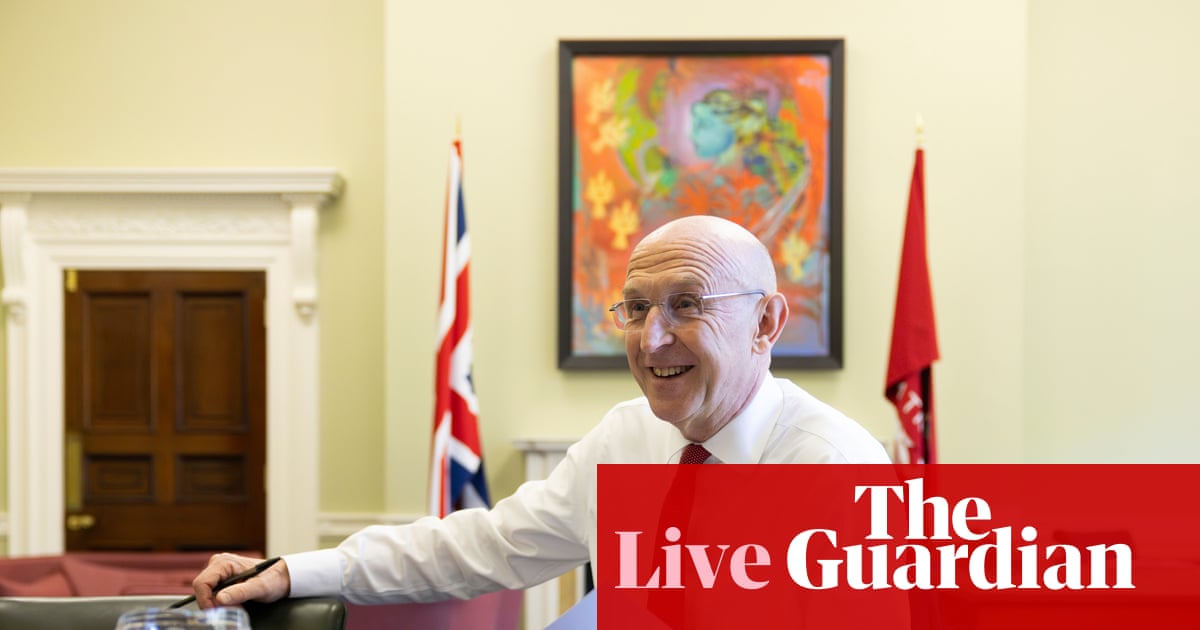


1 / 4
The story, neutrally told
Mixed · 2The Financial Times has reported that Chancellor John Healey plans to reverse the planned cut to the annual cash Isa allowance, from £20,000 to £12,000, in his first Budget. Evening StandardN “Chancellor John Healey is reportedly planning to reverse the decision to slash the annual Isa allowance from £20,000 to £12,000 in his inaugural Budget.” Read at Evening Standard ↗ The GuardianLC “City experts are welcoming reports that chancellor John Healey will scrap plans to slash the annual cash Isa allowance from £20,000 to £12,000 a year.” Read at The Guardian ↗ Mixed · 2According to the FT, Healey believes the cut is the wrong way to persuade people to invest more in stocks and shares, and would rather educate savers on the benefits of equity investing. Evening StandardN “would rather look to educate savers on the benefits of equity investing, according to the Financial Times.” Read at Evening Standard ↗ The GuardianLC “Healey had concluded that this is the wrong way to persuade people to invest more in stocks and shares.” Read at The Guardian ↗ Mixed · 2The cut was announced by his predecessor, Rachel Reeves, at last year's autumn budget to encourage investment in UK companies; it was due to take effect on 6 April 2027 and apply to savers under 65, with anything above £12,000 having to go into a stocks and shares Isa. Evening StandardN “Former chancellor Rachel Reeves announced the Isa cut for savers aged under 65 at the autumn budget last year, with the change set to come into effect in April 2027” Read at Evening Standard ↗ The GuardianLC “from 6 April 2027, anyone under 65 would only have been allowed to save up to £12,000 in a cash ISA.” Read at The Guardian ↗
Centre · 1HMRC figures from September show about £135.7 billion was subscribed to adult Isas in 2024-25, up £32.7 billion; cash Isa subscriptions rose 37.5% (£26.1 billion), stocks and shares Isas 19.7% (£6.1 billion) and Lifetime Isas 20.1% (£472 million). Evening StandardN “The £32.7 billion increase was driven by a rise in cash Isa subscriptions, which grew by 37.5% or £26.1 billion.” Read at Evening Standard ↗ Centre · 1The Evening Standard said retail banks and building societies are thought likely to cheer the move, since savings deposits fund their lending, and called it a 'crumb of comfort' for banks widely expected to face higher taxes in the Budget. Evening StandardN “The Isa move would offer a crumb of comfort to the banking industry, with banks widely expecting to be hit with higher taxes on the sector at the Budget on Wednesday.” Read at Evening Standard ↗ Left · 1Tom Selby of AJ Bell called Reeves's Isa reforms 'a car crash' that would have added complexity for little consumer benefit and, he said, building societies warned would raise mortgage costs, while saying the aim of encouraging long-term investing was right. The GuardianLC “Rachel Reeves’ ISA reforms were a car crash, lamented by most of the retail investment industry”“building societies, who warned they would increase mortgage costs” Read at The Guardian ↗
Left · 1Jo Harris of Quilter said the reversal carries costs, as the industry had already spent considerable time and resource preparing systems, products and communications, calling reversal before implementation 'the worst kind of policymaking'. The GuardianLC “announcing complex reforms and asking firms to prepare for them only to reverse course before they take effect is the worst kind of policymaking.” Read at The Guardian ↗
Every sentence links to the reporting it rests on. The pill in front of each says where its sources sit: Left, Centre or Right when one side supplies at least half of them, Mixed when they are evenly split. The number is how many outlets it cites.
Left2 outlets
- Framing
- Live business blog gathering City reaction, largely welcoming the reversal while noting the costs of policy changes.
- Emphasis
- Expert quotes criticising Reeves's reforms and the wasted preparation by industry.
- Leaves out or plays down
- Omits HMRC subscription data and the banks-tax context.
- Charged language
- “car crash”“calamitous reform agenda”“unceremoniously ditched”
- For example
-
“criticised Reeves’s “calamitous reform agenda”” — The Guardian
Centre1 outlet
- Framing
- Short news report of an FT-sourced U-turn, framed around what it means for savers, banks and building societies.
- Emphasis
- HMRC subscription figures and the benefit to retail banks ahead of expected bank tax rises.
- Leaves out or plays down
- No industry or expert reaction quoted.
- Charged language
- “U-turn”“crumb of comfort”
- For example
-
“The Isa move would offer a crumb of comfort to the banking industry” — Evening Standard
Right1 outlet
No right outlet in our sources has covered this story yet.
What every side reports
- The FT reports Healey will drop the cut to the cash Isa allowance from £20,000 to £12,000.
- Rachel Reeves announced the cut, due in April 2027.
- Healey reportedly judges it the wrong tool to encourage stock market investment.
John Healey person
Reportedly believes the cut is the wrong tool to encourage investing; no direct statement is quoted.
“is said to believe the allowance cut was the wrong tool” — Evening Standard
Left2 articles
-
Mixed Relays the FT report and largely approving City reaction, with a caution about policy reversals.
-
Centre1 article
-
Chancellor set to U-turn on Isa allowance cut to £12,000 – reports
Neutral Reports the FT story as a reported U-turn with data and likely winners among savings providers.
Right1 article
- 28 Oct 08:16 First Evening StandardN Chancellor set to U-turn on Isa allowance cut to £12,000 – reports
- 28 Oct 09:58 +1h 43m City A.M.RC Healey’s cash Isa reversal plans spark City row
- 28 Oct 10:04 +1h 49m The GuardianLC City largely welcomes reports Healey will reverse cuts to cash Isa allowance in the budget – business live
- 28 Oct 10:12 +1h 56m Daily MirrorL Cash ISA cut 'set to be reversed in Budget announcement today' in boost for savers
Times are when each article was published, or when we first saw it if the outlet gave no time.
Ask about this story
Loading…