Christian visitors shop in West Bank settlements to protest European settlement trade bans
During its Feast of Tabernacles gathering, the International Christian Embassy Jerusalem took Christian visitors to buy goods in West Bank settlements, protesting Irish and Dutch import bans and a proposed Norwegian one. The governments say the measures target settlements they consider illegal, not Israel as a whole.
1 / 2
The story, neutrally told
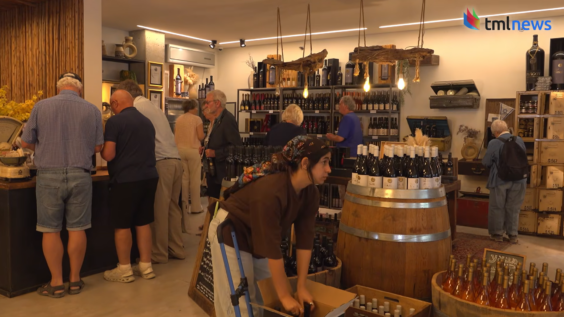
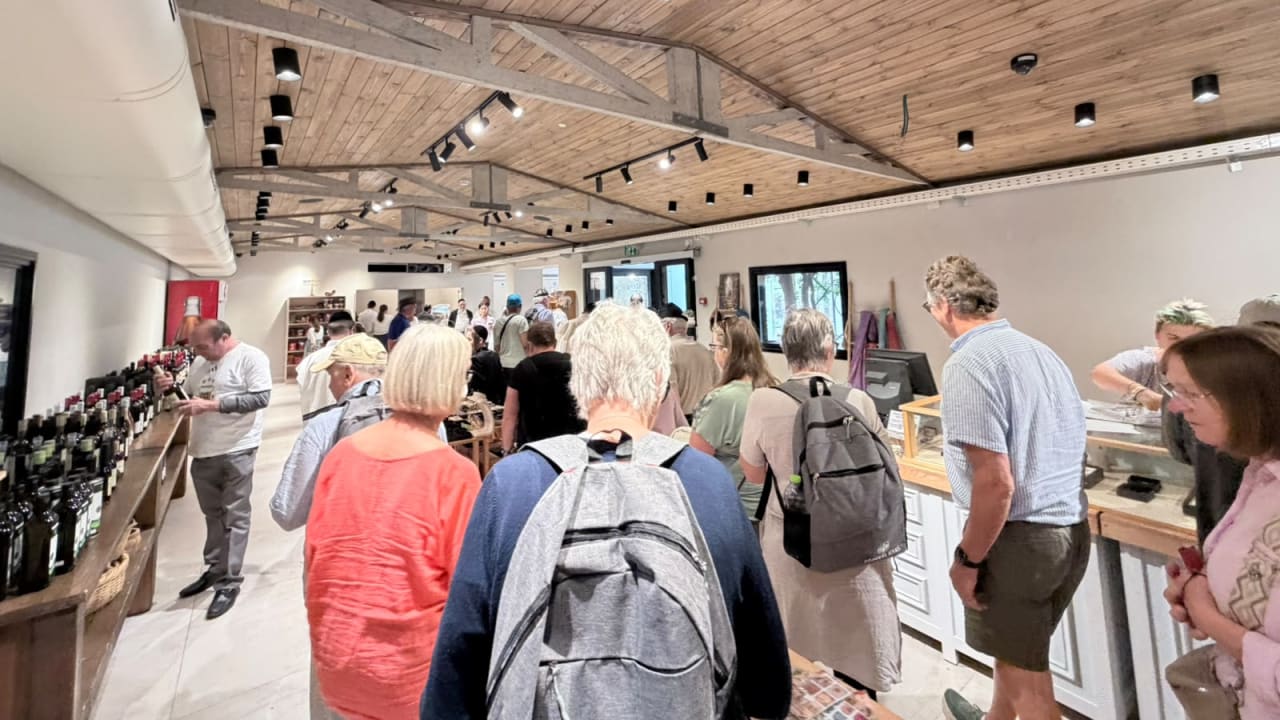
Mixed · 2The International Christian Embassy Jerusalem (ICEJ) took dozens of Christian visitors on buses through West Bank settlements in Samaria, Gush Etzion and Efrat, encouraging them to shop at local businesses as a protest against European restrictions on settlement products. The Media LineN “Christian visitors traveled through Samaria, Gush Etzion and Efrat and were encouraged to shop at local businesses.” Read at The Media Line ↗ The Jerusalem PostRC “We've done that now by bringing dozens of Christians on several buses to these areas to shop,” Read at The Jerusalem Post ↗ Mixed · 2The tour was organised during ICEJ's annual Feast of Tabernacles gathering in Jerusalem. The Media Line reported it, and The Jerusalem Post ran the same report, with quotes given to The Media Line. The Media LineN “The tour, organized during ICEJ’s annual Feast of Tabernacles gathering in Jerusalem” Read at The Media Line ↗ The Jerusalem PostRC “Parsons told The Media Line.” Read at The Jerusalem Post ↗ Mixed · 2Paul Coulter, ICEJ's national director in Ireland, tore up a copy of Ireland's new law on camera, saying it "shall not stand". The Media LineN ““This piece of legislation written by the Irish parliament shall not stand,” said Paul Coulter” Read at The Media Line ↗ The Jerusalem PostRC “Then he tore the document apart in front of the camera.” Read at The Jerusalem Post ↗
Mixed · 2Ireland's ban took effect on 15 September. The Netherlands followed on 22 September with a broader restriction that also covers goods in travellers' personal luggage, including gifts and souvenirs. Norway is considering a ban on imports from and exports to settlements, plus certain property transactions and services, after a public consultation that closed on 19 September. Violations would carry criminal liability, and the bill must still pass the Norwegian parliament. The Media LineN “Ireland’s ban took effect on Sept. 15. The Netherlands followed with a broader restriction on Sept. 22 that reaches even goods carried in personal luggage.”“The Norwegian proposal remains under consideration after a public consultation that closed Sept. 19.” Read at The Media Line ↗ The Jerusalem PostRC “Violations would carry criminal liability.” Read at The Jerusalem Post ↗ Mixed · 2The Irish law prohibits imports originating in designated settlement postal codes and applies existing customs powers of search, seizure and forfeiture. It exempts noncommercial goods that travellers carry home for their own use. Dutch customs officers can check luggage, and products covered by the ban may have to be surrendered or seized. Dutch authorities say inspections are chosen on risk assessments, not on a traveller's nationality, religion, ethnicity or appearance. The Media LineN “Noncommercial goods in personal baggage are exempt when intended for the traveler’s own consumption or use.”“Customs authorities say inspections are selected on the basis of risk assessments and objective information” Read at The Media Line ↗ The Jerusalem PostRC “Dutch customs officers can check luggage and ask where an item was made or purchased.” Read at The Jerusalem Post ↗ Mixed · 2The governments involved say the measures target settlements they consider illegal under international law, not Israel as a whole. Ireland cites the International Court of Justice's 2024 advisory opinion and says the settlements undermine prospects for a two-state solution. Norway's Foreign Ministry says its citizens and companies should not help sustain settlements the government considers unlawful. The Jerusalem PostRC “Ireland says its law is part of an effort to comply with international legal obligations identified in the International Court of Justice's 2024 advisory opinion.” Read at The Jerusalem Post ↗ The Media LineN “saying Norwegian citizens and companies should not contribute economically to maintaining settlements that the government considers unlawful” Read at The Media Line ↗
Centre · 1ICEJ's David Parsons, senior vice president and spokesman, said the real intent is "to dry up the settlements and their livelihoods" so residents would have to leave. He also asked whether Europeans were willing to support "ethnic cleansing of that nature" through the sanctions. The Media Line's report says the governments dispute this characterisation and that his language went far beyond their stated position. The Media LineN ““The real intent of these European countries is to dry up the settlements and their livelihoods, the way of life, so they’d have to leave here,” he said.”“His language went far beyond the stated position of the governments involved” Read at The Media Line ↗ Mixed · 2Coulter urged Irish visitors to "Break the boycott" by buying Israeli wine, noting that Irish law does not stop tourists bringing it home for private use. He said ICEJ in Ireland faces calls for venues to cancel its meetings, a #BoycottApartheidICEJ hashtag, and protesters at the gates of meetings. Dag Øyvind Juliussen, ICEJ Norway's national director, said the prospect of criminal penalties had sharpened opposition among supporters of Israel there, and called the area "the heartland of the Jewish people for 3,000 years". The Jerusalem PostRC ““Break the boycott. If you can buy Israeli wine, buy it.””““We have our own hashtag, #BoycottApartheidICEJ,” he said.” Read at The Jerusalem Post ↗ The Media LineN ““This area has been the heartland of the Jewish people for 3,000 years.”” Read at The Media Line ↗ Centre · 1The reports note that travellers on the same tour face different rules at home. An Irish visitor can keep a bottle of settlement wine, but a Dutch traveller carrying the same bottle from a covered location may have to surrender it at customs. The Media LineN “A bottle of wine purchased in an Israeli settlement can return home in an Irish tourist’s suitcase. A Dutch visitor carrying the same bottle” Read at The Media Line ↗ The Media LineN “the legal distinction may not become real until they reach their destination airport” Read at The Media Line ↗
Every sentence links to the reporting it rests on. The pill in front of each says where its sources sit: Left, Centre or Right when one side supplies at least half of them, Mixed when they are evenly split. The number is how many outlets it cites.
Left0 outlets
No left outlet in our sources has covered this story yet.
Centre1 outlet
- Framing
- The Media Line reports the tour as a practical, symbolic protest by Christian visitors. It sets ICEJ leaders' views beside the governments' stated legal rationale and notes where ICEJ's rhetoric goes beyond that rationale. A shorter follow-up piece stresses the contrast between Irish and Dutch rules for the same souvenir.
- Emphasis
- The legal differences between Ireland, the Netherlands and Norway, customs consequences for travellers, and opposition ICEJ faces in Ireland.
- Leaves out or plays down
- Gives no voices from the governments or settlement critics beyond summarising their stated positions, and no Palestinian perspective.
- Charged language
- “Break the boycott”“ethnic cleansing”
- For example
-
“His language went far beyond the stated position of the governments involved” — The Media Line
“For a group of visiting Christians, that difference has turned shopping into a political statement.” — The Media Line
Right1 outlet
- Framing
- The Jerusalem Post runs the Media Line report essentially unchanged, in its Christian World section, as Christian tourists protesting European trade restrictions. Its headline uses "West Bank settlement goods".
- Emphasis
- Christian solidarity with settlement businesses and the Irish, Dutch and Norwegian measures. Its subheadings read "Christians protest European settlement boycotts" and "Christian groups challenge European trade bans on Israeli settlements".
- Leaves out or plays down
- The text appears to be the Media Line's own report, so it adds no separate Jerusalem Post reporting or additional voices.
- Charged language
- “Judea and Samaria”“Break the boycott”
- For example
-
“Christians protest European settlement boycotts” — The Jerusalem Post
“Parsons told The Media Line.” — The Jerusalem Post
What every side reports
- ICEJ took Christian visitors to shop in West Bank settlements during its Feast of Tabernacles gathering.
- Ireland's ban took effect on 15 September and the Netherlands' broader restriction on 22 September.
- Norway is considering a ban after a consultation that closed on 19 September.
- Ireland exempts personal-use goods in travellers' baggage, while the Dutch measure covers them.
- The European governments say the measures target settlements they consider illegal, not Israel as a whole.
Where accounts differ
-
What the European measures are intended to do
- Centre
- The Media Line reports ICEJ's Parsons saying the aim is to force settlers out. It says the governments dispute this and describe a legal and political distinction between Israel and territory captured in 1967.
- Right
- The Jerusalem Post carries the same report and attribution.
Left0 articles
No coverage yet.
Centre2 articles
-
Christians Buy and Bond Against Boycott in Judea and Samaria
Neutral Detailed report on the ICEJ shopping tour that sets ICEJ leaders' quotes against the governments' legal rationale and explains the national rules.
-
Wine, Shopping Bags, and Solidarity: European Christians Push Back Against Settlement Product Bans
Neutral Short summary and video teaser that stresses the Irish-versus-Dutch difference in what a shopper can carry home.
Right1 article
-
Christian tourists buy West Bank settlement goods in protest of European trade restrictions
Neutral The Media Line report republished in the Jerusalem Post's Christian World section with a settlement-goods headline and added protest subheadings.
- 12 Oct 22:15 First The Media LineN Christians Buy and Bond Against Boycott in Judea and Samaria
- 13 Oct 07:10 +8h 55m The Media LineN Wine, Shopping Bags, and Solidarity: European Christians Push Back Against Settlement Product Bans
- 13 Oct 08:58 +10h 42m The Jerusalem PostRC Christian tourists buy West Bank settlement goods in protest of European trade restrictions
Times are when each article was published, or when we first saw it if the outlet gave no time.
Ask about this story
Loading…