Drought expected to shrink English pumpkins ahead of Halloween
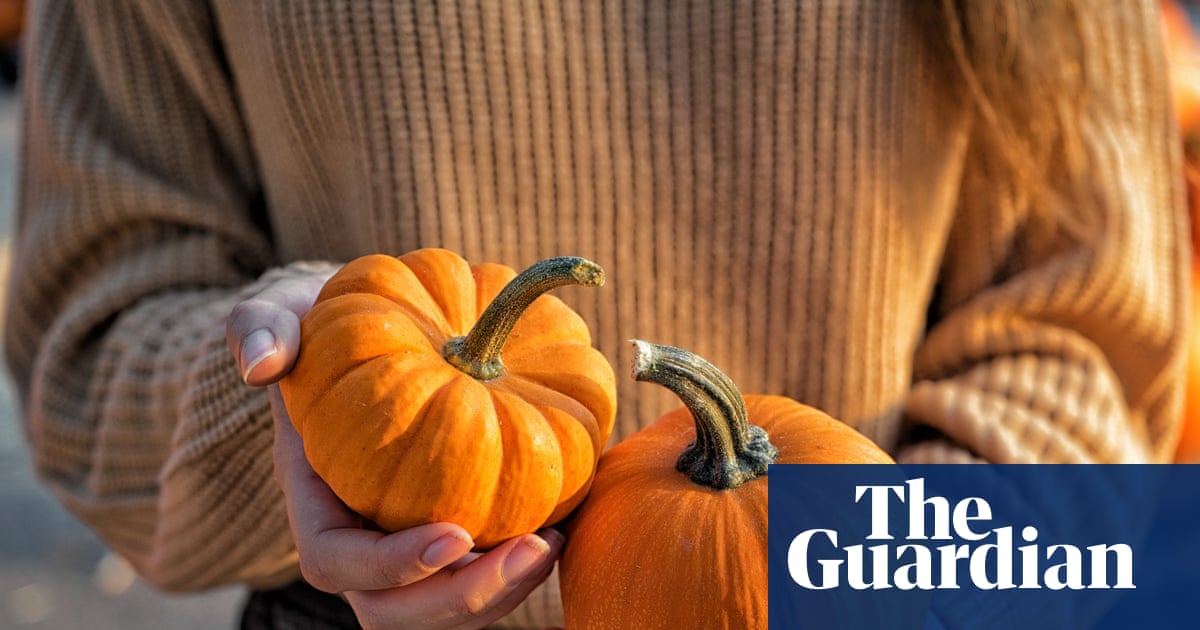
Experts say England's 2026 drought has left Halloween pumpkins smaller than usual, with data suggesting the harvest could be the worst on record. Growers suggest painting faces on smaller squashes instead of carving.

1 / 2
The story, neutrally told
Mixed · 2Pumpkins on sale in England this Halloween are expected to be smaller than usual after a prolonged drought, and 2026 could prove the worst harvest on record. The GuardianLC “Data has found that this year could be the worst harvest on record as farmers struggled to irrigate their crops.” Read at The Guardian ↗ GB NewsR “This year's harvest may prove to be the worst ever recorded, as growers found it near-impossible to keep their crops adequately watered.” Read at GB News ↗ Mixed · 2England has had a dry spell for most of 2026, and pumpkins, which are about 90% water, are particularly vulnerable to it. The GuardianLC “Pumpkins are 90% water, and need a lot of it to grow.” Read at The Guardian ↗ GB NewsR “England has endured an exceptionally dry spell throughout 2026” Read at GB News ↗ Left · 1Guy Barter, chief horticulturalist at the Royal Horticultural Society, said pumpkins are on the small side this year unless heavily watered, and that the weather stretched their drought tolerance to the limit. The GuardianLC “Pumpkins are relatively drought-tolerant but this year the weather stretched their tolerance to the limit.” Read at The Guardian ↗
Mixed · 2Barter said later heat and drought stress made the fruits ripen earlier than usual, but that dry matter content and rind hardness are excellent, so the crop should store well, although commercial pumpkins become worthless the day after Halloween. The GuardianLC “Their dry matter content and rind hardness are both excellent so the crop should store well” Read at The Guardian ↗ GB NewsR “commercial pumpkins become worthless the day after Halloween.” Read at GB News ↗ Left · 1Guy Singh-Watson, founder of organic veg box company Riverford, said it was unsurprising that pumpkins are smaller after such a hot, dry summer, and questioned the national obsession with giant carving pumpkins. The GuardianLC “it’s not surprising that Halloween pumpkins are smaller than usual as they are mostly water.” Read at The Guardian ↗ Mixed · 2Singh-Watson argued that growing a large, watery squash to throw away after Halloween is hard to justify because of its environmental cost and the waste it creates, and he is selling a box of small squashes, including crown prince, red onion, sweet lightning, futsu and stripetti, urging people to paint a face on a squash and then eat it. The GuardianLC “generating a mountain of waste without feeding anyone makes little sense.” Read at The Guardian ↗ GB NewsR “including crown prince, red onion, sweet lightning, futsu and stripetti” Read at GB News ↗
Mixed · 2Both outlets note that pumpkins came from the Americas and reached Britain in the Tudor period, and that vegetable carving began in 17th-century Britain around the Celtic festival of Samhain, when turnips, celeriac and mangelwurzels were carved to ward off spirits. The GuardianLC “Rather than pumpkins, root vegetables such as celeriac, turnips and mangelwurzels were carved into grotesque faces” Read at The Guardian ↗ GB NewsR “The tradition of carving vegetables at this time of year stretches back to 17th-century Britain” Read at GB News ↗ Left · 1Ali Goding, garden manager at RHS Harlow Carr in North Yorkshire, said the garden grew pumpkins in a moisture-retaining compost cake, with fantastic results, and called it a good year because the extra heat helped flavour in a normally cool, damp northern site. The GuardianLC “Normally we are a bit cool, damp and too far north for them to develop a full flavour – so the extra heat worked out well for us. A good year!” Read at The Guardian ↗
Every sentence links to the reporting it rests on. The pill in front of each says where its sources sit: Left, Centre or Right when one side supplies at least half of them, Mixed when they are evenly split. The number is how many outlets it cites.
Left1 outlet
- Framing
- Original reporting from The Guardian: a lifestyle piece on smaller pumpkins after drought, centred on expert quotes and an invitation to rethink giant carving pumpkins.
- Emphasis
- Environmental waste argument, return to root-vegetable carving, alternatives such as small squashes.
- Leaves out or plays down
- No source is given for the 'data' on the worst harvest on record.
- For example
-
“Data shows 2026 could be worst harvest on record, as growers suggest painting faces on vegetables instead of carving” — The Guardian
Centre0 outlets
No centre outlet in our sources has covered this story yet.
Right1 outlet
- Framing
- GB News presents a shorter rewrite of the same story, framed around Britons being 'forced' to carve smaller pumpkins by 'brutal' drought, with quotes drawn from the Guardian piece.
- Emphasis
- The drought's effect and the 'worst harvest on record' headline; keeps the quotes from the experts and the history of vegetable carving.
- Leaves out or plays down
- Does not give the data source for the record claim; drops the Guardian's first-paragraph shortage warning and its lede on painting faces.
- Charged language
- “brutal drought conditions”“wreaking havoc”“forced”
What every side reports
- England had an exceptionally dry 2026 that hurt harvests.
- This year's pumpkin harvest may be the worst on record.
- Pumpkins are about 90% water and arrived in Britain in the Tudor period.
- RHS's Guy Barter said pumpkins are small unless heavily watered but should store well.
- Riverford's Guy Singh-Watson urged painting faces on squashes instead of carving big pumpkins.
England drought topic
Coverage treats the 2026 drought as the cause of smaller pumpkins and a possible record-bad harvest, as irrigation proved very difficult.
“England has faced a punishing drought for most of this year, which has dramatically affected harvests.” — The Guardian
“wreaking havoc on agricultural yields across the board.” — GB News
Halloween topic
Halloween's giant carved pumpkins are presented as a tradition under strain, with calls to return to older vegetable-carving customs.
“Shunning pumpkins would go some way to bringing the carving of vegetables tradition back to its roots.” — The Guardian
“Some are now urging a return to older British customs” — GB News
Left1 article
-
Squash down: smaller pumpkins expected this Halloween after drought in England
Mixed Light feature that warns of smaller pumpkins and uses the drought to question wasteful giant-pumpkin culture.
Centre0 articles
No coverage yet.
Right1 article
-
GB NewsR ·
Britons to carve smaller pumpkins this Halloween after ‘worst harvest on record’
Mixed Condensed rewrite of the Guardian piece with a headline stressing 'worst harvest on record' and drought described as brutal.
- 17 Oct 10:00 First The GuardianLC Squash down: smaller pumpkins expected this Halloween after drought in England
- 17 Oct 21:28 +11h 28m GB NewsR Britons to carve smaller pumpkins this Halloween after ‘worst harvest on record’
Times are when each article was published, or when we first saw it if the outlet gave no time.
Ask about this story
Loading…