Duane Davis sentenced to 40 years to life for 1996 murder of Tupac Shakur
Duane "Keffe D" Davis, 63, was sentenced on 13 October to 40 years to life in prison for orchestrating Tupac Shakur's 1996 Las Vegas killing, after an August conviction. His lawyer says he will appeal.
Updated (version 4). New coverage since the last version from ABC News, ABC News (Australia), Anadolu Agency, BNO News, CNA, Deutsche Welle, France 24, GB News, Hindustan Times, IJR, Just the News, South China Morning Post, The Guardian, The Hindu, The Hollywood Reporter, Washington Examiner.



1 / 8
The story, neutrally told
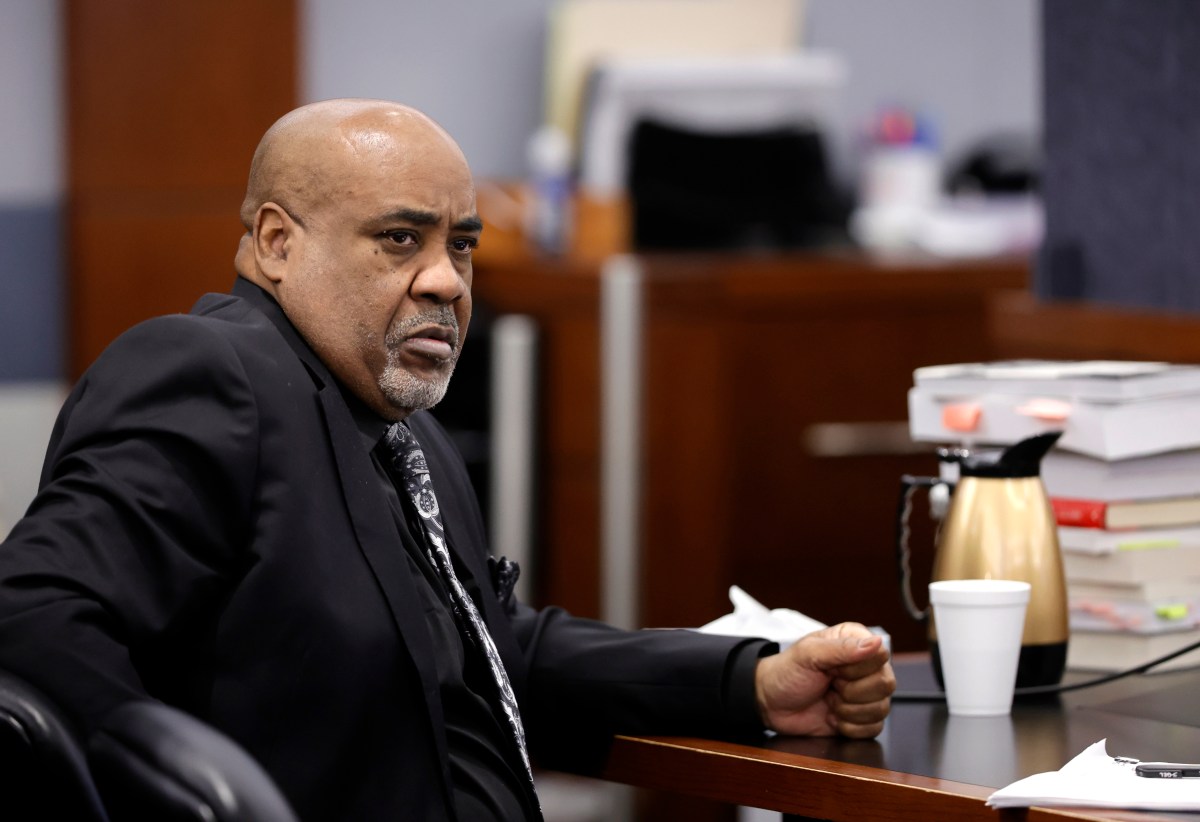
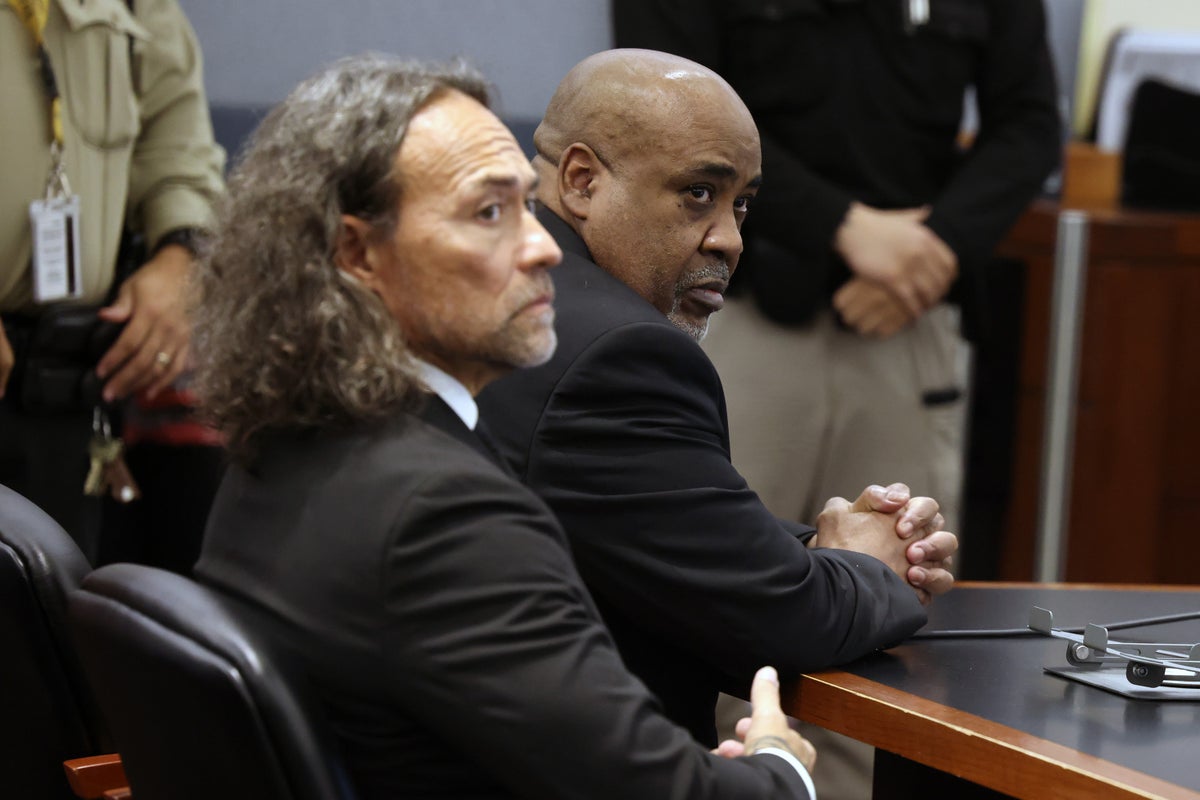
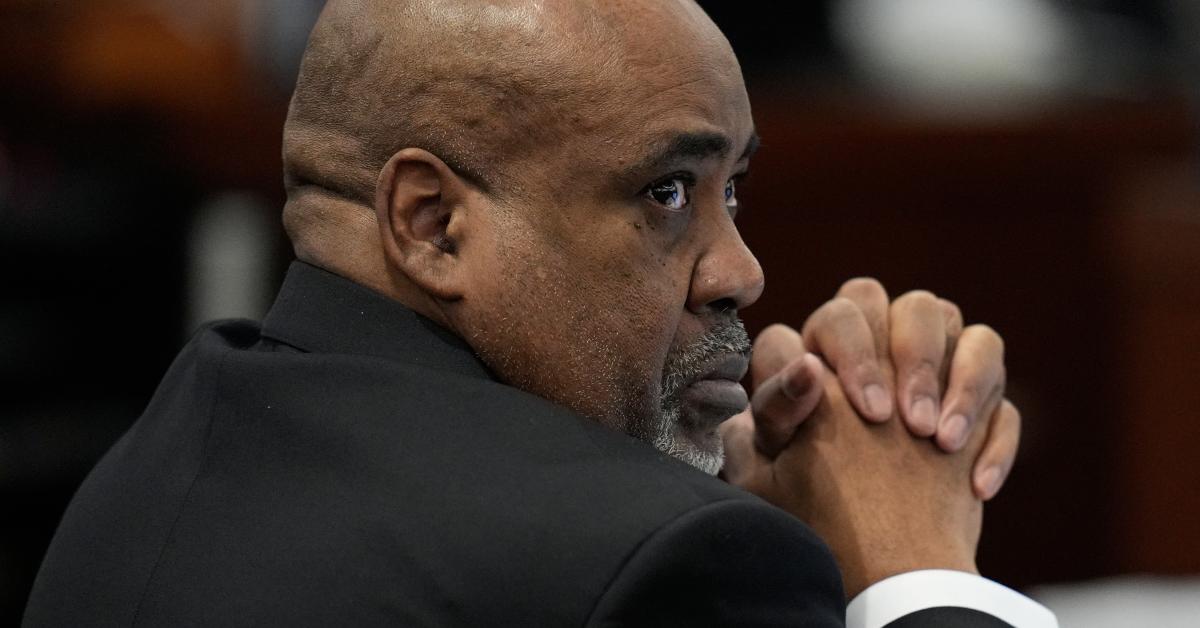
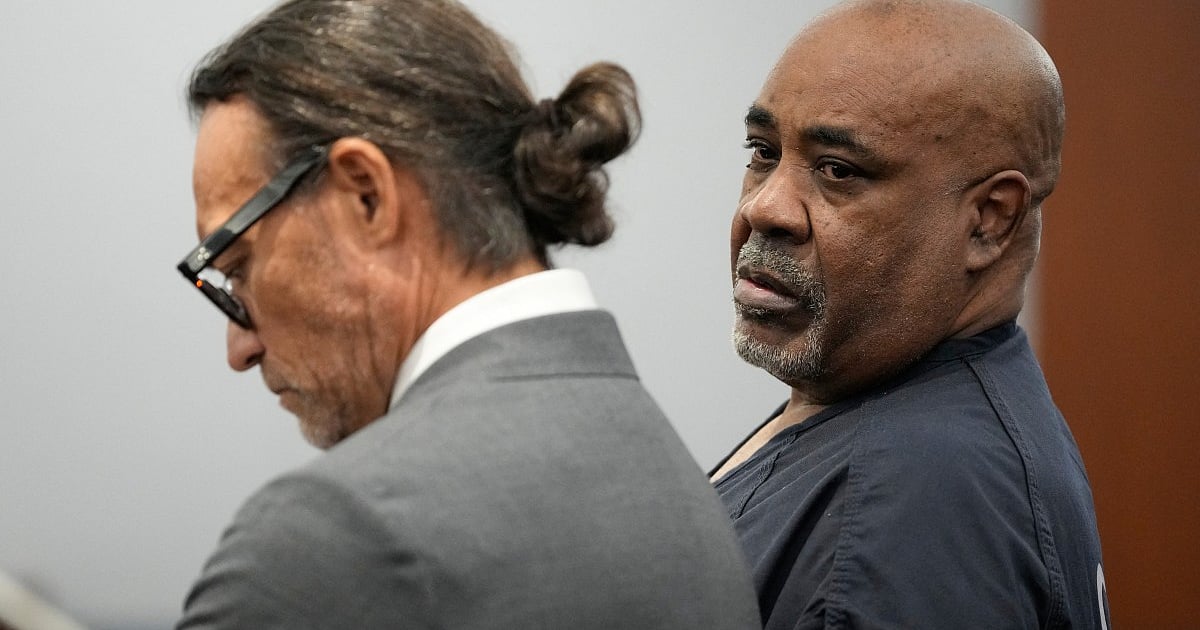
Left · 2Duane "Keffe D" Davis, 63, a former South Side Compton Crips leader, was sentenced on Tuesday 13 October 2026 to 40 years to life in prison for the 1996 killing of rapper Tupac Shakur in Las Vegas. CBS NewsLC “A judge in Las Vegas, Nevada, sentenced Duane "Keffe D" Davis to 40 years to life in prison on Tuesday for the 1996 murder of rapper Tupac Shakur.” Read at CBS News ↗ CBC NewsLC “Duane (Keffe D) Davis received a sentence of to 40 years to life in prison Tuesday” Read at CBC News ↗ Left · 3Judge Carli Kierny imposed the sentence, which NBC News says includes a 20-year mandatory enhancement for profiting off the murder; CBS News says he will receive credit for time served, while Deadline says Davis disputed not being given time already served over an incident with another inmate. NBC NewsLC “The sentence includes a 20-year mandatory enhancement for profiting off the murder, Judge Carli Kierny told the court.” Read at NBC News ↗ CBS NewsLC “Judge Carli Kierny said he would receive credit for time already served.” Read at CBS News ↗ DeadlineN “Though Davis earlier in the hearing disputed not being allowed time already served due to an incident with another inmate” Read at Deadline ↗ Right · 1GB News reports the sentence comprises 20 years to life for first-degree murder plus a consecutive 20 years to life for the deadly weapon enhancement. GB NewsR “His sentence comprised 20 years to life for first-degree murder and a consecutive sentence of 20 years to life for deadly weapon enhancement.” Read at GB News ↗
Mixed · 2Prosecutors asked for the maximum sentence; Marc DiGiacomo said Davis was trying to profit off a killing he committed, and CBC reports he said Davis is "guaranteed to die" behind bars. Davis's lawyer Sanft asked for 40 years, according to the New York Post, while noting an appeal would follow. CBC NewsLC “the 63-year-old Davis is "guaranteed to die" behind bars.” Read at CBC News ↗ New York PostR “Davis attorney, Michael Sanft, asked that he be sentenced to 40 years in prison but noted that they will be appealing his conviction.” Read at New York Post ↗ Left · 3Judge Kierny told Davis: "You don't get to take a man from his family." Sekyiwa Shakur said her brother was "born an icon". Davis spoke briefly, asking for items police took from his home, including pictures, to be returned, and said "I'm good" when asked if he had more to say; Deadline says he told the court "I'm appealing this case for sure". NBC NewsLC “She said her brother was “born an icon”” Read at NBC News ↗ CBC NewsLC “Davis said: "No, I'm good."” Read at CBC News ↗ DeadlineN “Davis said “I’m appealing this case for sure.”” Read at Deadline ↗ Mixed · 2A Nevada jury convicted him of first-degree murder with use of a deadly weapon on 31 August; Newsweek reports it deliberated for less than three hours after a nine-day trial. NewsweekN “The jury deliberated for less than three hours following a trial in which 24 prosecution witnesses and three defense witnesses testified over nine days.” Read at Newsweek ↗ The Straits TimesRC “found guilty of first-degree murder in August” Read at The Straits Times ↗
Left · 1Before sentencing Davis faced a maximum of life in prison, which Reuters specifies as without the possibility of parole; his lawyer Michael Sanft has said he plans to appeal. CBC NewsLC “Davis's lawyer, Michael Sanft, said he plans to appeal the verdict.” Read at CBC News ↗ Left · 2Sanft has argued prosecutors waited too long to bring the case, and told jurors no surveillance footage, phone logs or other records placed Davis in Las Vegas that night; CBS News adds that his attorneys unsuccessfully sought to exclude the memoir. CBC NewsLC “Sanft said prosecutors waited too long to bring the case.” Read at CBC News ↗ CBS NewsLC “His attorneys fought to exclude the memoir as evidence in his trial, but the prosecution refused that request.” Read at CBS News ↗ Mixed · 2Prosecutors did not accuse Davis of firing the fatal shots. They argued he orchestrated a retaliatory attack and supplied the gun after Shakur and others beat Davis' nephew, Orlando "Baby Lane" Anderson, at the MGM Grand on 7 September 1996, the night of the Mike Tyson–Bruce Seldon fight. NewsweekN “they argued that he orchestrated the retaliatory attack and supplied the gun after Shakur and others beat Davis' nephew” Read at Newsweek ↗ The Straits TimesRC “While Davis was never accused of actually firing the shots that killed Shakur - Nevada law allows someone to be charged with murder as a participant in the crime” Read at The Straits Times ↗
Right · 1Reuters says Davis later told police he passed a gun to two men in the back seat of a white Cadillac, one of whom fired as it pulled alongside the car carrying Shakur and Death Row Records co-founder Marion "Suge" Knight; prosecutors have never named a suspected gunman, and the other three men in the Cadillac have since died. The Straits TimesRC “Davis said he passed a gun to the two men seated behind him in the Cadillac, one of whom opened fire through the window”“All three other men in the Cadillac with Davis that night have since died.” Read at The Straits Times ↗ Mixed · 2Shakur, 25, died six days after the shooting; Knight was wounded and survived, and Reuters says he is now serving a 28-year term on an unrelated manslaughter conviction. NewsweekN “Shakur was shot multiple times and died six days later. Knight was wounded but survived.” Read at Newsweek ↗ The Straits TimesRC “is now serving a 28-year prison term on an unrelated voluntary manslaughter conviction.” Read at The Straits Times ↗ Mixed · 2The case rested heavily on Davis' own words: his 2019 memoir "Compton Street Legend", media interviews, and recorded meetings with investigators. Prosecutors said it was unlikely anyone would have been charged without them. NewsweekN “Prosecutors said it was unlikely anyone would have been charged had Davis not written about the killing and discussed it in interviews.” Read at Newsweek ↗ The Straits TimesRC “along with tapes of his secret meetings with investigators, formed the bulk of the prosecution’s murder case.” Read at The Straits Times ↗
Left · 1The Independent adds that Davis had earlier spoken with investigators under an agreement protecting him from prosecution based on those statements, but that prosecutors built their case around his later public accounts. The IndependentLC “He had previously spoken with investigators about the murder under an agreement that protected him from prosecution based on those statements.” Read at The Independent ↗ Mixed · 2The Guardian says the 2008 proffer agreement arose when investigators were seeking information about the death of Christopher Wallace, and that prosecutors argued Davis's public remarks voided it; GB News adds that a judge ruled his earlier police statements could be presented at trial. The GuardianLC “They argued the details amounted to a confession and that his public remarks voided the proffer agreement.” Read at The Guardian ↗ GB NewsR “a judge subsequently ruled that his earlier police statements could be presented as evidence at trial.” Read at GB News ↗ Centre · 1Davis was arrested in 2023, and Newsweek calls him the first person charged and convicted over the killing. His lawyer, Michael Sanft, argued the statements were unreliable "fiction" made to earn money and that no physical evidence tied Davis to the scene. NewsweekN “Davis was arrested in 2023 and became the first person charged and convicted in connection with Shakur's killing.”“Sanft argued that Davis' public accounts were unreliable and designed to make money” Read at Newsweek ↗
Centre · 1Newsweek adds that prosecutors dropped a gang enhancement, citing "witness logistics", and that a former Compton gang detective, Robert Ladd, testified Davis was a high-ranking "shot caller". NewsweekN “Prosecutors decided not to pursue a gang enhancement, citing "witness logistics."”“Robert Ladd, a former Compton gang detective, testified that Davis was a high-ranking "shot caller"” Read at Newsweek ↗ Right · 1Reuters notes that who pulled the trigger has never been conclusively decided, and places the killing in the East Coast–West Coast rap feud; the unsolved March 1997 killing of Christopher Wallace (the Notorious B.I.G.) is widely speculated to have been retaliation. The Straits TimesRC “the question of who pulled the trigger in the fatal shooting of the 25-year-old rap legend has never been conclusively decided.”“there has long been speculation that he was gunned down in retaliation for Shakur's killing months earlier.” Read at The Straits Times ↗ Left · 1The Independent reports that Davis identified Anderson as the gunman, and that Anderson and the other two men believed to have been in the Cadillac have died; Clark County District Attorney Steve Wolfson said prosecutors lacked sufficient evidence to charge anyone else but could consider further charges if new evidence emerged. The IndependentLC “The three other men believed to have been inside the Cadillac, including Anderson, whom Davis identified as the gunman, have since died.”“"But like any other case, if we come into more information, more evidence, we can always consider filing additional charges," Wolfson said.” Read at The Independent ↗
Left · 1The Independent also reports that Davis alleged in his memoir and statements that Sean "Diddy" Combs offered him money to kill Shakur and Knight; Combs has repeatedly denied involvement and has not been charged. The IndependentLC “Combs has repeatedly denied any involvement in Shakur's murder and has not been charged in connection with the shooting.” Read at The Independent ↗ Left · 1The Guardian adds that the investigation was long hindered by a code of silence in street culture and by Las Vegas police scepticism of Compton police leads; Anderson was interviewed but never arrested. The GuardianLC “The code of silence within street culture made some witnesses averse to police cooperation.”“Las Vegas police interviewed Anderson, but he was never arrested.” Read at The Guardian ↗ Mixed · 2Shakur's siblings Maurice "Mopreme" Shakur and Sekyiwa "Set" Shakur addressed the court at sentencing and asked for the maximum sentence; after the verdict, prosecutor Binu Palal said Davis' "bragging about killing someone they loved" had been his undoing. DeadlineN “The Shakur sister asked Judge Kierny to give Davis the maximum time possible behind bars.” Read at Deadline ↗ CBC NewsLC “Palal said the family had to sit through years of Davis "bragging about killing someone they loved."” Read at CBC News ↗
Centre · 1Hindustan Times quotes a Tupac fan, the rapper Din "Lil Therapy" Malone, who said the outcome felt incomplete and called justice "halfway done". Hindustan TimesN “said the outcome felt incomplete and called justice “halfway done.”” Read at Hindustan Times ↗ Centre · 2Outlets differ on some details: BBC News says the jury convicted in September and describes a 40-year sentence, while others give 31 August and 40 years to life. The BBC also says Anderson died in an unrelated shooting in 1998 after denying involvement. BBC NewsN “A jury found Davis guilty in September of one count of murder with a deadly weapon”“Anderson died in an unrelated shooting in 1998, having denied involvement in the killing of Shakur.” Read at BBC News ↗ DeadlineN “Convicted of first-degree murder with the use of a deadly weapon on August 31” Read at Deadline ↗
Every sentence links to the reporting it rests on. The pill in front of each says where its sources sit: Left, Centre or Right when one side supplies at least half of them, Mixed when they are evenly split. The number is how many outlets it cites.
Left11 outlets
- Framing
- Straight sentencing reports (CBC, NBC, CBS, Variety) leading on the 40-years-to-life term, with court quotes and family statements; The Independent's earlier piece led on Davis's own boasts convicting him.
- Emphasis
- Judge's and family's words, prosecutor quotes, Combs allegations and the DA's comments on further charges (CBC), the 20-year enhancement (NBC).
- Leaves out or plays down
- Little on the defence's 'historical fiction' argument beyond Sanft's appeal and delay points.
Centre11 outlets
- Framing
- Concise reports: BBC and Deadline lead on the end of a decades-old cold case and the judge's words; Newsweek previewed the sentencing.
- Emphasis
- BBC: the protective agreement and 2008 interview; Deadline: Davis's courtroom demeanour and appeal vow.
- Leaves out or plays down
- BBC gives 40 years without 'to life'; Deadline does not cover trial evidence.
Right7 outlets
- Framing
- The New York Post calls Davis the 'mastermind' and stresses the prosecution's sentencing arguments and the defence's 'Titanic' mockery of the memoir.
- Emphasis
- Gang code as motive, prosecutor's 'maximum' demand, Sanft's 'historical fiction' line.
- Leaves out or plays down
- Omits the judge's remarks and the enhancement.
- Charged language
- “mastermind”“masterminding”
- For example
-
“The mastermind behind the killing of famed rapper Tupac Shakur has been sentenced to 40 years to life in prison” — New York Post
“Has anybody seen the documentary called ‘Titanic,’ with Jack and Rose?” — New York Post
What every side reports
- Davis, 63, was convicted of first-degree murder in August 2026 and was due to be sentenced on 13 October.
- He faces a maximum of life in prison and says he will appeal.
- Prosecutors did not accuse him of firing the fatal shots; they said he orchestrated the attack after the MGM Grand beating of his nephew.
- His own accounts, including the 2019 memoir, were central to the case.
- Shakur was shot on 7 September 1996 and died six days later; Knight survived.
Where accounts differ
-
Vehicle and number of wounds
- Centre
- Newsweek says Shakur was in a black BMW driven by Knight and was shot multiple times.
- Right
- Reuters (via The Straits Times) says he was in the passenger seat of an SUV driven by Knight and was struck four times.
-
The prosecution case against Davis rested heavily on his own public and police statements.
Supported- Supports 6
- CBC News, NBC News, The Independent, BBC News, Newsweek, The Straits Times
- Reports 1
- New York Post
-
Davis was not accused of firing the fatal shots but of orchestrating the attack and supplying the gun.
Supported- Supports 7
- CBC News, NBC News, The Independent, BBC News, Newsweek, New York Post, The Straits Times
- Disputes 1
- CBS News
-
Davis faces a maximum sentence of life in prison without the possibility of parole.
Mixed- Supports 2
- The Independent, The Straits Times
- Disputes 1
- BBC News
- Reports 1
- Newsweek
-
Davis was sentenced on 13 October 2026 to 40 years to life in prison.
Supported- Supports 5
- CBC News, CBS News, NBC News, Deadline, New York Post
- Reports 1
- BBC News
Duane Davis person
Davis has said he will appeal. His lawyer argued that his public accounts were unreliable "fiction" and that no physical evidence ties him to the scene; prosecutors say he orchestrated the attack and supplied the gun.
“After the verdict, he told the court that he wanted to appeal the verdict.” — Newsweek
“Sanft argued that Davis' public accounts were unreliable and designed to make money” — Newsweek
Tupac Shakur person
Shakur, 25 when he died, is presented as the victim of a retaliatory attack after the MGM Grand beating; friends and family celebrated the verdict outside court.
“celebrate outside a courtroom after a jury found Duane Davis, not photographed, guilty in the 1996 killing of Shakur” — The Straits Times
“Shakur was 25 when he was shot in Las Vegas on September 7, 1996.” — Newsweek
Left16 articles
-
Tupac’s murder mastermind faces life after his own boasts helped convict him
Critical Presents Davis as a boastful mastermind undone by his own words, foregrounding the family and prosecution voices and the Combs allegations.
-
Duane (Keffe D) Davis sentenced to 40 years to life in prison for murder of rapper Tupac Shakur
Neutral Detailed sentencing report with court quotes, trial background and the Combs allegations.
-
Neutral Explainer-style 'Who killed Tupac?' framing on a long-unsolved case.
-
Duane ‘Keffe D’ Davis Sentenced to 40 Years to Life for Role in Tupac Shakur’s Murder
Neutral Headline reports the 40-years-to-life sentence for orchestrating the murder.
Show 12 moreShow fewer
-
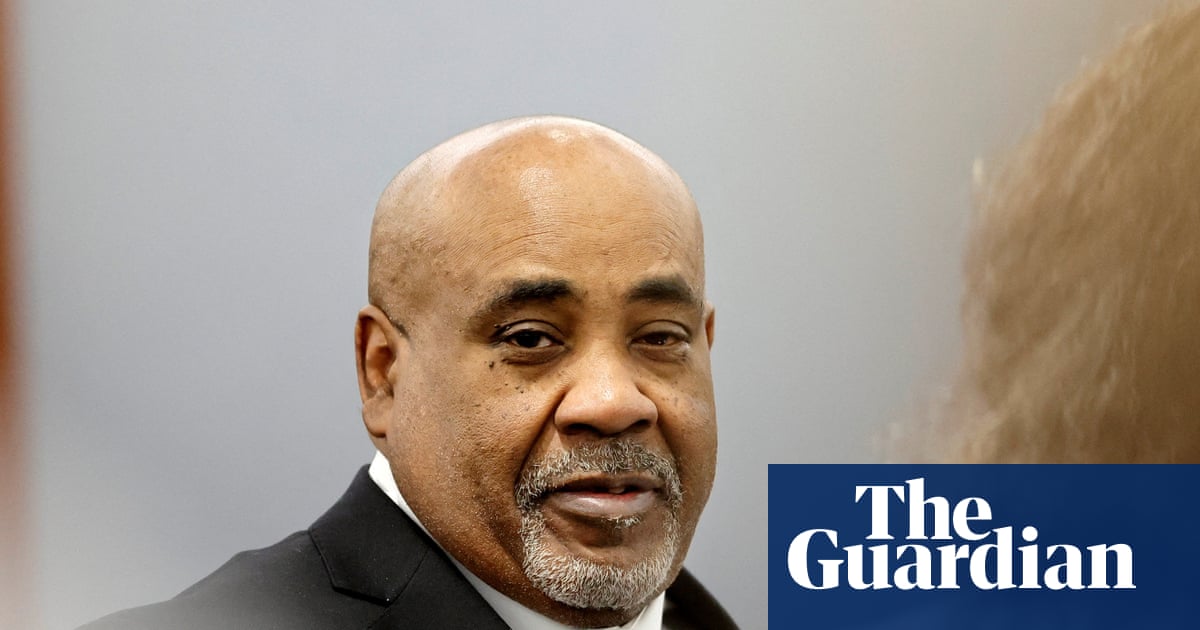
Duane ‘Keffe D’ Davis sentenced to 40 years to life over murder of Tupac Shakur
Neutral Leads on the judge's rebuke and widens to decades of police failures and the proffer deal.
-
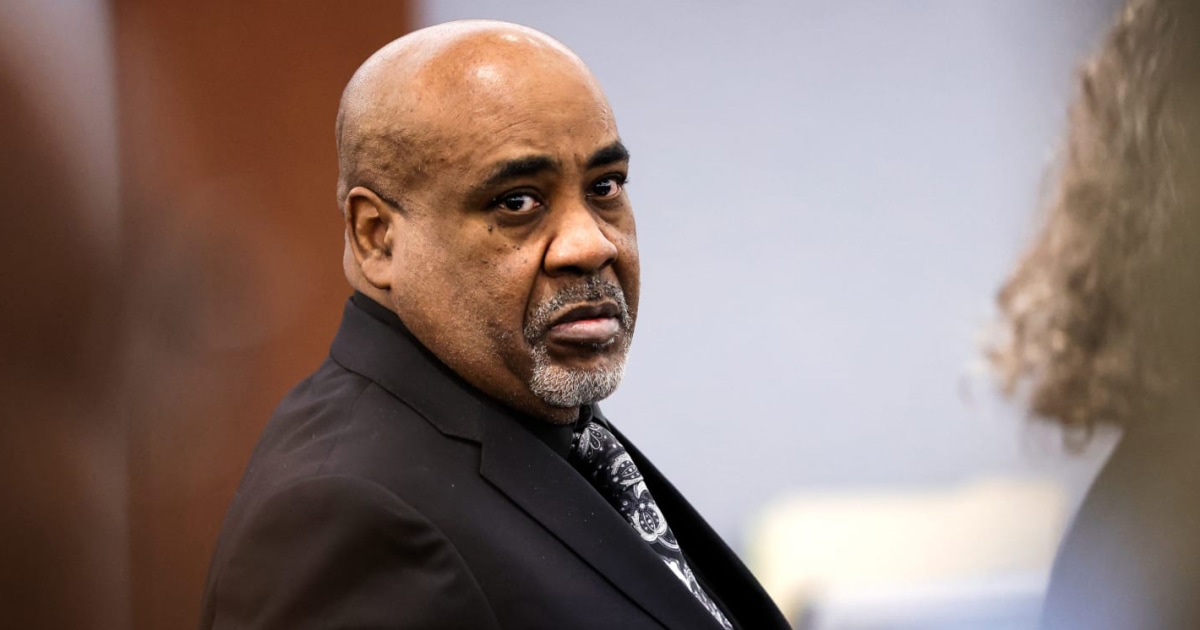
Duane Davis gets 40 years to life for Tupac Shakur’s murder
Neutral Leads on the sentence and judge's words, including the 20-year enhancement and Sekyiwa Shakur's statement.
-
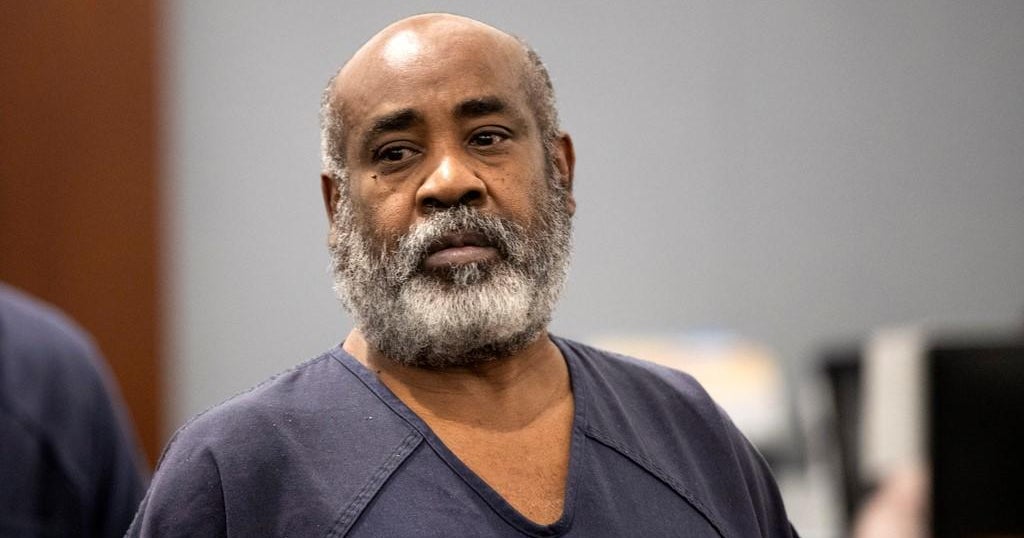
Man convicted in Tupac murder sentenced to 40 years to life in prison
Neutral Sentencing report with trial recap of the prosecution case and the defence's lack-of-evidence argument.
-
Duane ‘Keffe D’ Davis sentenced 40 years to life for Tupac Shakur’s murder decades later
Neutral Stresses Davis's own interviews and memoir as the route to the case.
-
Breaking: Tupac killer sentenced to minimum 40 years
Neutral Breaking-news brief of a minimum 40-year term for a gang leader who boasted of involvement.
-
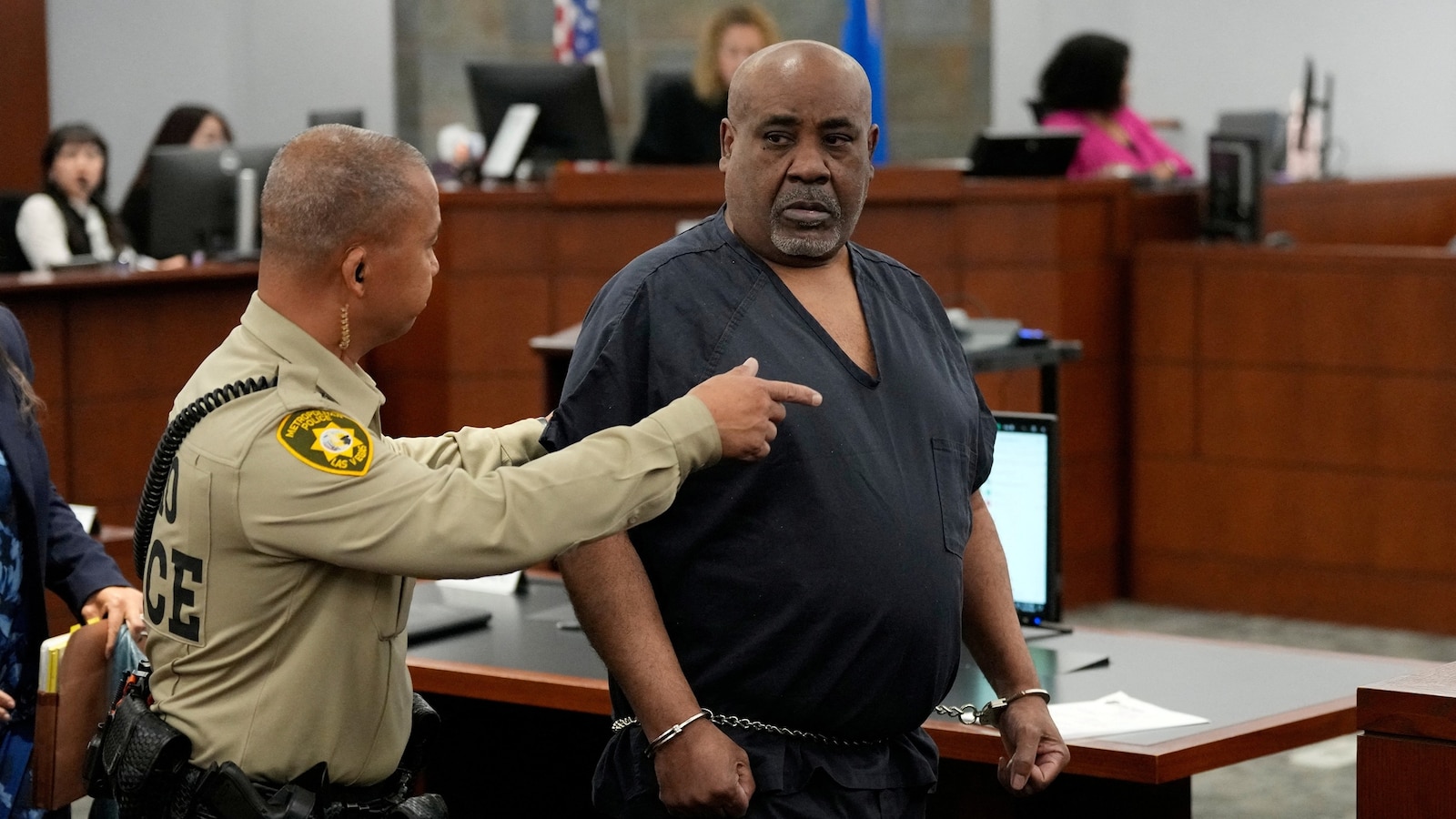
Duane 'Keffe D' Davis sentenced to 40 years to life for Tupac Shakur's murder
Neutral Straight report noting Davis is the only person charged.
-
Duane Davis sentenced to 40 years to life for 1996 murder of Tupac Shakur
Neutral Brief note of the sentence and its 20-year enhancement.
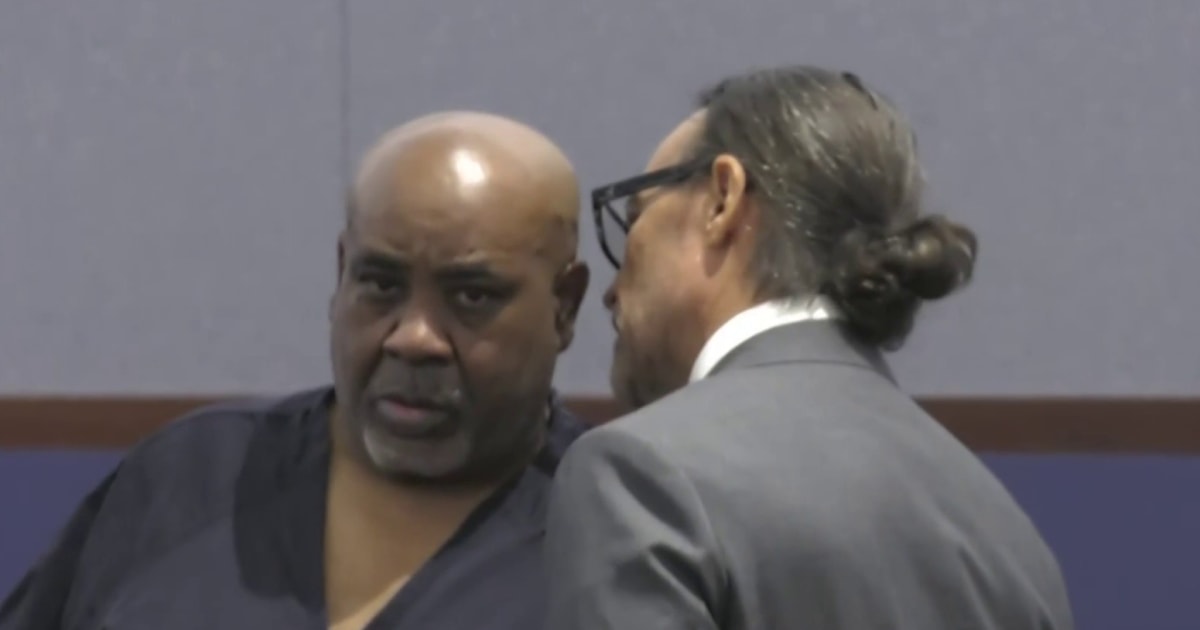
-
Tupac Murder Trial: Duane “Keffe D” Davis Sentenced 40 Years to Life in Prison
Neutral Short trade report of the first and only conviction.

-
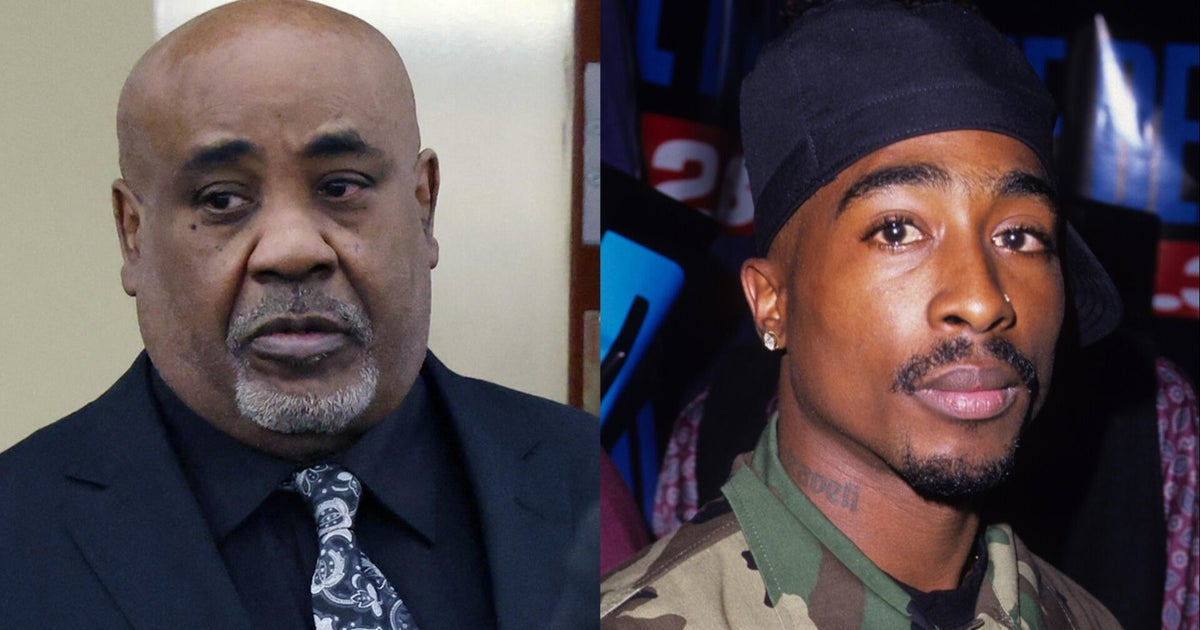
Duane "Keffe D" Davis sentenced to 40 years to life for Tupac Shakur's murder
Neutral Video-led note of the sentence.
-
Tupac Shakur killer sentenced to 40 years in prison
Neutral Brief headline report calling Davis the killer.

-
Ex-gang leader sentenced to 40 years to life in prison for Tupac Shakur murder
Neutral Explains the gang hostilities behind the killing and the sentence.

-
Ex-gang leader gets 40 years to life for rapper Tupac Shakur’s 1996 murder
Neutral Frames sentencing as the end of a 30-year hunt, with the judge's and prosecutors' words.


Centre15 articles
-
Tupac Shakur Murder: Duane Davis Faces Potential Life Sentence
Neutral Straightforward trial recap and sentencing preview with prosecution and defence arguments.
-
Ex-gang boss sentenced to 40 years for orchestrating Tupac Shakur's murder
Neutral Short report on end of a cold case, stressing the protective agreement and Davis's own words as key evidence.
-
Gulf NewsN · · via AFP
Duane Davis sentenced to minimum 40 years for killing of Tupac Shakur
Neutral AFP copy via Gulf News: headline gives a minimum 40-year sentence.
-
Tupac Shakur Murder Mastermind Gets Decades In Prison For 1996 Killing
Mixed Focuses on the courtroom: judge's remarks, Davis's reactions and appeal vow.

Show 11 moreShow fewer
-
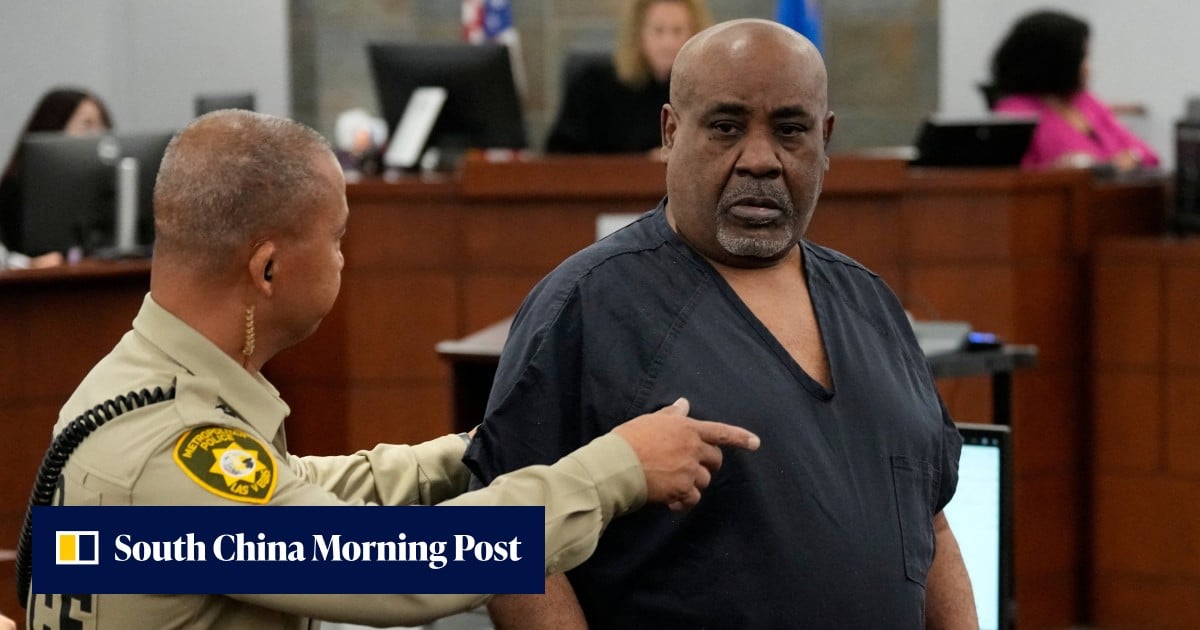
South China Morning PostN · · via Reuters
Tupac Shakur murder: ex-gang leader sentenced to 40 years to life in prison
Neutral Reuters copy on the sentence for orchestrating the drive-by.
-
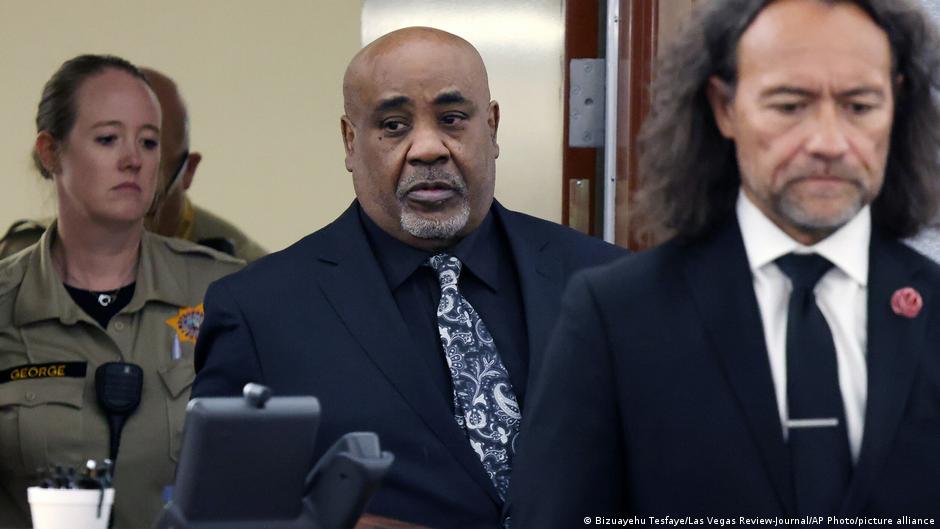
Tupac Shakur murder trial: Former gang leader Duane Davis sentenced to 40 years
Neutral Brief wire-style report of the sentence.
-
Former gang leader sentenced to 40 years to life for Tupac Shakur murder
Neutral Highlights that Davis boasted in books and interviews, then denied it at trial.

-
‘Keffe D’ sentenced to 40 years to life for Tupac Shakur’s murder
Neutral Brief report of prosecutors' account of the organised attack.

-
Duane Davis sentenced to 40 years to life in US for Tupac Shakur’s murder
Neutral Short report of the sentence after a 12-person jury verdict.
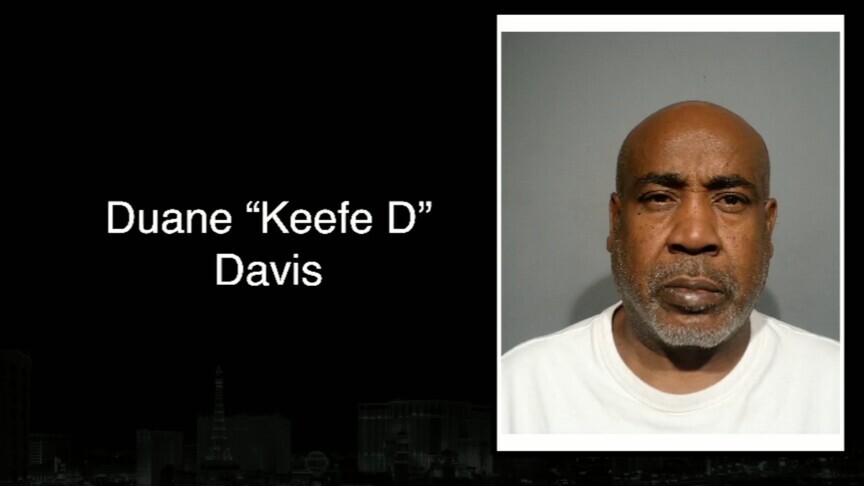
-
Former gang leader sentenced to minimum 40 years for Tupac killing
Neutral Brief on the minimum 40-year term.

-
CNAN ·
Ex-gang leader sentenced to minimum 40 years for Tupac murder
Neutral Brief on a sentence of at least 40 years.
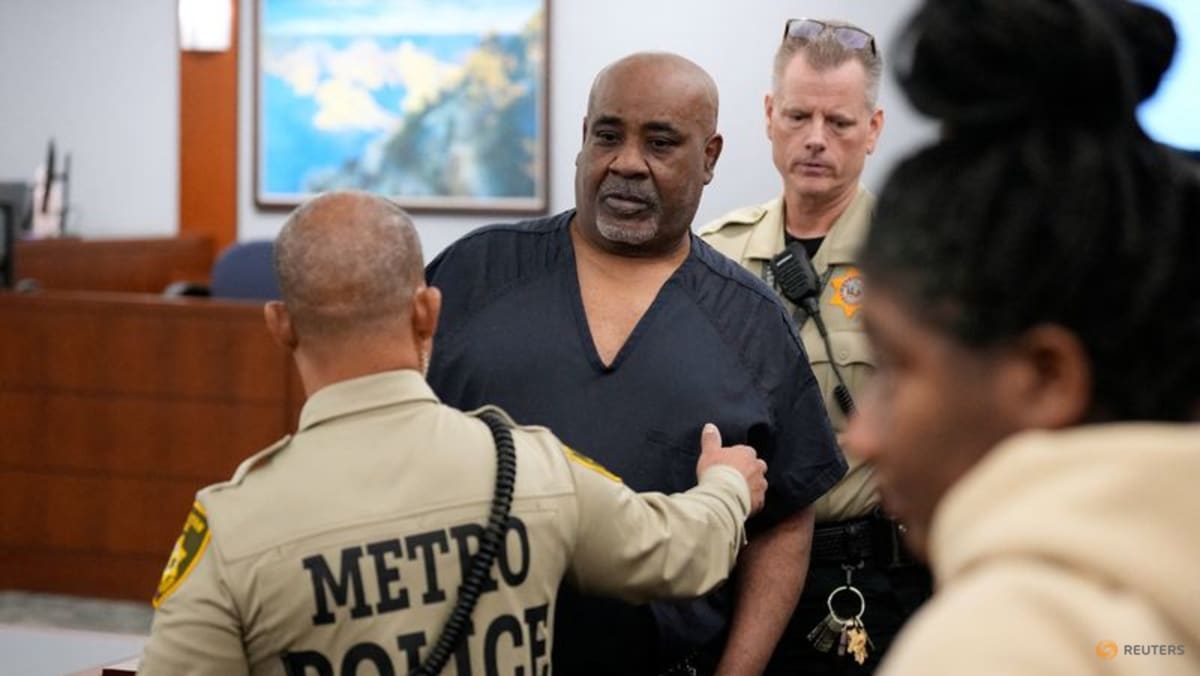
-
Sympathetic Centres Shakur's sister's statement and open questions on others involved, incl. Combs.
-

-

-

Right7 articles
-
Former gang leader sentenced to 40 years in prison for 1996 murder of iconic rapper Tupac Shakur
Neutral Notes Davis was not accused of firing the fatal shot.
-
IJRRC ·
Tupac Murder Convict Faces Sentencing in Nevada
Neutral Preview of the sentencing and the maximum Davis faced.
-
The Straits TimesRC · · via Reuters
Ex-gang leader faces maximum penalty of life in prison for Tupac Shakur murder
Neutral Reuters wire piece placing the sentencing within cold-case and rap-feud history.
-
Duane ‘Keffe D’ Davis sentenced for masterminding Tupac Shakur’s murder
Mixed Calls Davis the 'mastermind', stresses the prosecutors' demand and mocks the defence's memoir-as-fiction argument.

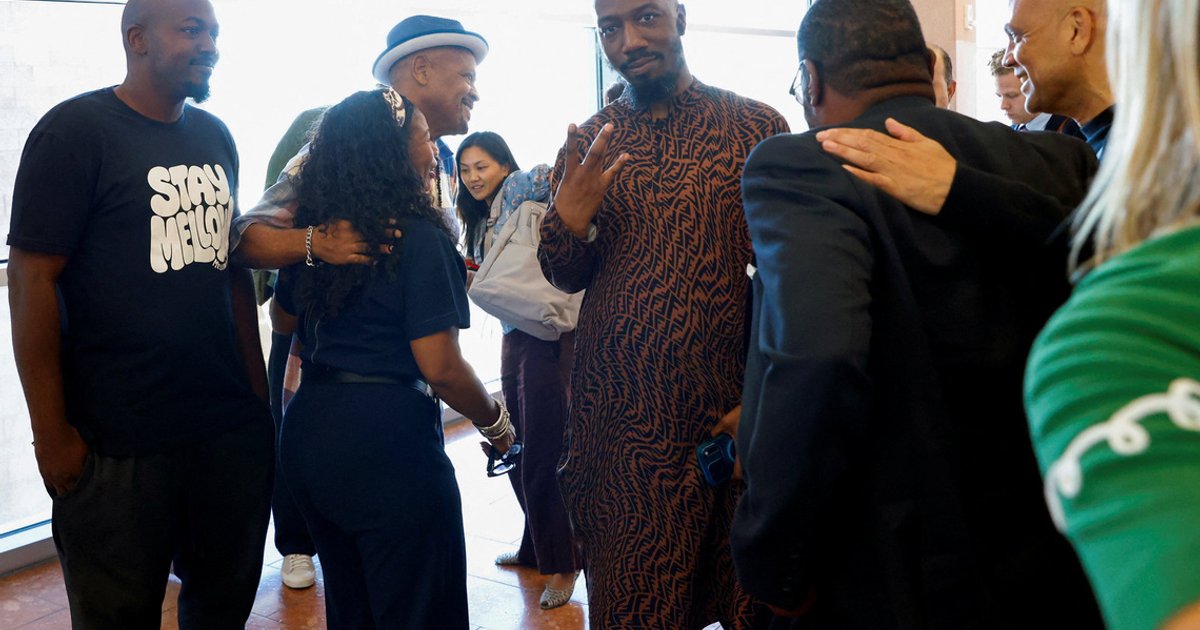
Show 3 moreShow fewer
-
GB NewsR ·
Man behind murder of Tupac Shakur jailed for life after 30-year mystery
Neutral Detailed account of the night, the sentence breakdown and the 30-year mystery.

-
Duane ‘Keffe D’ Davis sentenced to 40 years after orchestrating Tupac Shakur’s murder
Neutral Concise report stressing Davis's prior convictions and public boasting.
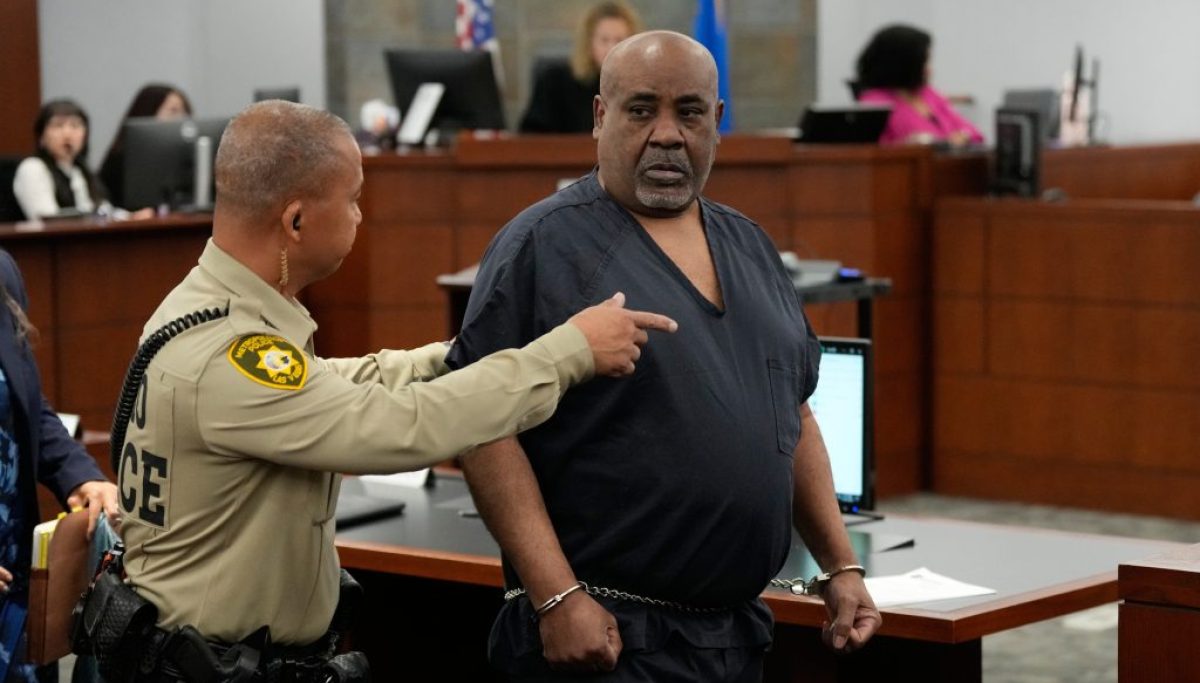
-
Ex-gang leader sentenced to 40 years to life in prison for Tupac Shakur murder
Neutral Reports the sentence and that authorities long lacked evidence to charge Davis.

- 13 Oct 05:43 First IJRRC Tupac Murder Convict Faces Sentencing in Nevada
- 13 Oct 10:00 +4h 17m NewsweekN Tupac Shakur Murder: Duane Davis Faces Potential Life Sentence
- 13 Oct 10:10 +4h 27m The Straits TimesRC Ex-gang leader faces maximum penalty of life in prison for Tupac Shakur murder via Reuters
- 13 Oct 10:42 +4h 59m The IndependentLC Tupac’s murder mastermind faces life after his own boasts helped convict him
- 13 Oct 16:26 +10h 43m CBC NewsLC Duane (Keffe D) Davis sentenced to 40 years to life in prison for murder of rapper Tupac Shakur
- 13 Oct 19:44 +14h 1m Al JazeeraLC Who killed Tupac?
- 13 Oct 19:54 +14h 11m BBC NewsN Ex-gang boss sentenced to 40 years for orchestrating Tupac Shakur's murder
- 13 Oct 19:56 +14h 14m Gulf NewsN Duane Davis sentenced to minimum 40 years for killing of Tupac Shakur via AFP
- 13 Oct 19:59 +14h 16m VarietyLC Duane ‘Keffe D’ Davis Sentenced to 40 Years to Life for Role in Tupac Shakur’s Murder
- 13 Oct 20:00 +14h 17m New York PostR Duane ‘Keffe D’ Davis sentenced for masterminding Tupac Shakur’s murder
- 13 Oct 20:03 +14h 20m The GuardianLC Duane ‘Keffe D’ Davis sentenced to 40 years to life over murder of Tupac Shakur
- 13 Oct 20:04 +14h 21m NBC NewsLC Duane Davis gets 40 years to life for Tupac Shakur’s murder
- 13 Oct 20:05 +14h 23m DeadlineN Tupac Shakur Murder Mastermind Gets Decades In Prison For 1996 Killing
- 13 Oct 20:05 +14h 23m CBS NewsLC Man convicted in Tupac murder sentenced to 40 years to life in prison
- 13 Oct 20:07 +14h 24m The IndependentLC Duane ‘Keffe D’ Davis sentenced 40 years to life for Tupac Shakur’s murder decades later
- 13 Oct 20:07 +14h 25m GB NewsR Man behind murder of Tupac Shakur jailed for life after 30-year mystery
- 13 Oct 20:17 +14h 34m ABC News (Australia)LC Breaking: Tupac killer sentenced to minimum 40 years
- 13 Oct 20:19 +14h 36m ABC NewsLC Duane 'Keffe D' Davis sentenced to 40 years to life for Tupac Shakur's murder
- 13 Oct 20:21 +14h 38m NBC NewsLC Duane Davis sentenced to 40 years to life for 1996 murder of Tupac Shakur
- 13 Oct 20:22 +14h 39m The Jerusalem PostRC Ex-gang leader sentenced to 40 years to life in prison for Tupac Shakur murder
- 13 Oct 20:30 +14h 47m The Hollywood ReporterLC Tupac Murder Trial: Duane “Keffe D” Davis Sentenced 40 Years to Life in Prison
- 13 Oct 20:34 +14h 52m South China Morning PostN Tupac Shakur murder: ex-gang leader sentenced to 40 years to life in prison via Reuters
- 13 Oct 20:40 +14h 57m Deutsche WelleN Tupac Shakur murder trial: Former gang leader Duane Davis sentenced to 40 years
- 13 Oct 20:57 +15h 14m France 24N Former gang leader sentenced to 40 years to life for Tupac Shakur murder
- 13 Oct 21:05 +15h 22m BNO NewsN ‘Keffe D’ sentenced to 40 years to life for Tupac Shakur’s murder
- 13 Oct 21:14 +15h 31m Just the NewsRC Former gang leader sentenced to 40 years in prison for 1996 murder of iconic rapper Tupac Shakur
- 13 Oct 21:33 +15h 50m Anadolu AgencyN Duane Davis sentenced to 40 years to life in US for Tupac Shakur’s murder
- 13 Oct 21:33 +15h 50m France 24N Former gang leader sentenced to minimum 40 years for Tupac killing
- 13 Oct 21:43 +16h 1m CBS NewsLC Duane "Keffe D" Davis sentenced to 40 years to life for Tupac Shakur's murder
- 13 Oct 21:44 +16h 1m CNAN Ex-gang leader sentenced to minimum 40 years for Tupac murder
- 13 Oct 21:46 +16h 3m Al JazeeraLC Tupac Shakur killer sentenced to 40 years in prison
- 13 Oct 21:51 +16h 8m Washington ExaminerR Duane ‘Keffe D’ Davis sentenced to 40 years after orchestrating Tupac Shakur’s murder
- 13 Oct 22:49 +17h 7m Hindustan TimesN Duane ‘Keffe D’ Davis gets 40 years to life for orchestrating Tupac's murder; rapper's sister speaks out after sentencing
- 13 Oct 23:55 +18h 12m The HinduLC Ex-gang leader sentenced to 40 years to life in prison for Tupac Shakur murder
- 14 Oct 00:42 +19h Al JazeeraLC Ex-gang leader gets 40 years to life for rapper Tupac Shakur’s 1996 murder
- 14 Oct 10:07 +28h 24m Anadolu AgencyN Tupac Shakur’s family recounts decades of grief as Duane Davis gets 40 years to life
- 14 Oct 10:39 +28h 56m France 24N Ex-gang leader sentenced to minimum 40 years for Tupac murder
- 14 Oct 14:48 +33h 5m France 24N Duane Davis sentenced to minimum 40 years for Tupac killing
Times are when each article was published, or when we first saw it if the outlet gave no time.
Ask about this story
Loading…