Dutch police arrest 24-year-old over ShinyHunters links and suspected murder plots
Dutch police say they arrested a 24-year-old Amsterdam man on 15 September as a suspected ShinyHunters member and are separately investigating him over two murders abroad. The FBI calls him an alleged leader; the group denies any association.




1 / 8
The story, neutrally told
Dutch National Police announced on 29 September that they had arrested a 24-year-old Amsterdam man on 15 September on suspicion of being part of the ShinyHunters hacking group. BBC NewsN “Dutch police said it had arrested a 24-year-old man from Amsterdam on suspicion of being part of the group” Read at BBC News ↗ TechCrunchN “arrested under Dutch law on September 15” Read at TechCrunch ↗ Police also suspect him of attempted incitement to commit two murders abroad, based on information found on his laptop; they say this is separate from the ShinyHunters investigation. TechCrunchN “a lot of information was found on his laptop, including about two murders that should be committed abroad.” Read at TechCrunch ↗ The IndependentLC “is not related to the investigation into ShinyHunters” Read at The Independent ↗ A Rotterdam court ordered him held for a further 90 days, and police have not ruled out more arrests. The IndependentLC “A court in Rotterdam on Tuesday ordered the suspect held for a further 90 days.” Read at The Independent ↗ Fox NewsR “Further arrests are not ruled out.” Read at Fox News ↗
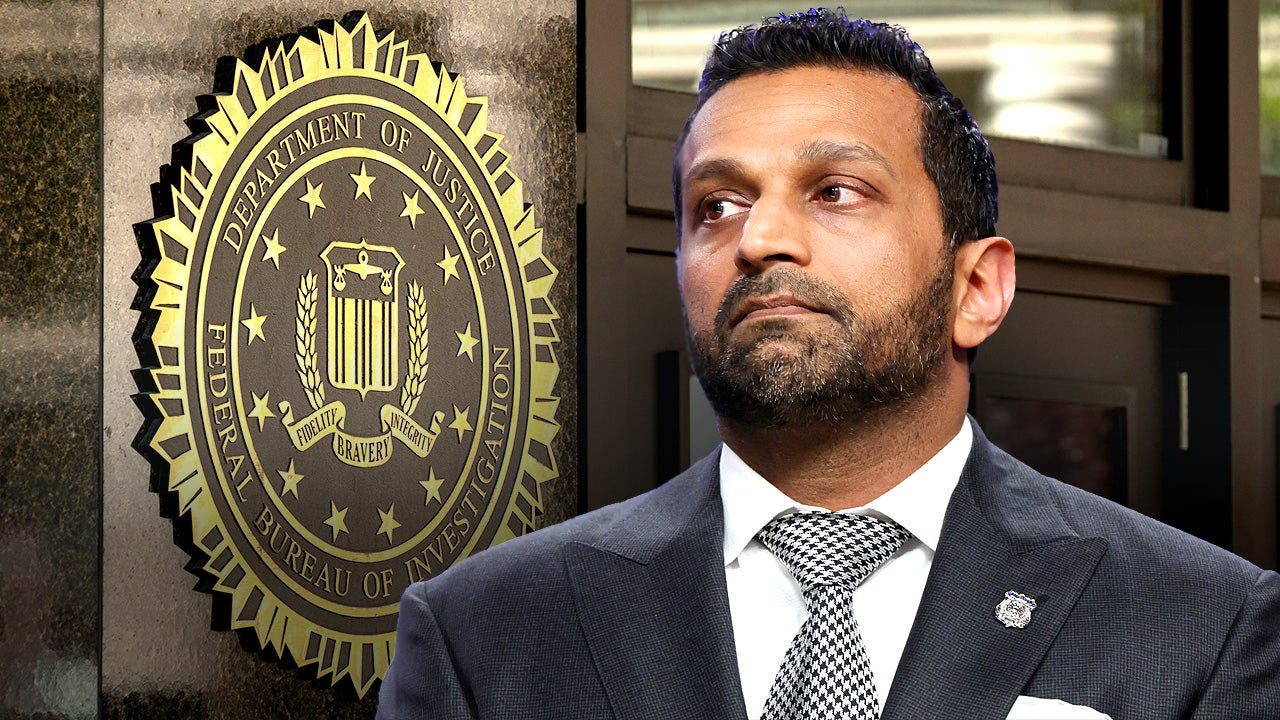
FBI Director Kash Patel called him one of the alleged leaders of ShinyHunters, and FBI cyber chief Brett Leatherman urged remaining members to come forward. Fox NewsR “the arrest of one of the alleged leaders of ShinyHunters” Read at Fox News ↗ NBC NewsLC “I suggest you reach out first while the choice is still yours.” Read at NBC News ↗ Dutch police did not name him, but Reuters reported that his former employer, Neo Security, named him as Pepijn van der Stap; ShinyHunters says he has no association with the group. The Straits TimesRC “said his name is Pepijn van der Stap”“ShinyHunters has said Van der Stap had “no association” with the group.” Read at The Straits Times ↗ The arrest came before ShinyHunters claimed on 21 September to have breached the FBI's jobs portal, and NBC notes the FBI is not explicitly tying the arrest to that hack. BBC NewsN “The suspect was arrested on 15 September, before the alleged FBI attack.” Read at BBC News ↗ NBC NewsLC “The bureau is not explicitly tying the Dutch man’s arrest to the FBI hack” Read at NBC News ↗
The group demanded the FBI retract a May advisory about it, but later told outlets it will not publish the stolen data. CBC NewsLC “a ShinyHunters representative sent CBC News a statement Monday saying they were never planning to release the sensitive data” Read at CBC News ↗ BBC NewsN “the group said it did not hack the FBI system for money.” Read at BBC News ↗
Every sentence links to the reporting it rests on.
Left7 outlets
- Framing
- Mostly treat the arrest as part of the wider FBI breach saga, with attention to the stolen data and the group's statements.
- Emphasis
- The FBI breach, employee data exposure, ShinyHunters' retreat from its demand, and the FBI's warning to the group.
- Leaves out or plays down
- Some left-leaning pieces (CBC, NPR) focus on the breach rather than the murder allegation.
- Charged language
- “foreign intelligence service goldmine”
Centre3 outlets
- Framing
- Lead on the arrest and the murder allegation, with careful sourcing and timing.
- Emphasis
- Police statements, the 15 September date preceding the FBI hack, the suspect's identification and the group's denial.
- Leaves out or plays down
- BBC does not mention the suspect's name or the denial.
- For example
-
“Dutch police arrest ShinyHunters hacker accused of planning two murders” — TechCrunch
“The suspect, 24, was arrested before the alleged cyber attack took place.” — BBC News
Right2 outlets
- Framing
- Fox presents the arrest as a US law-enforcement win; the Straits Times (Reuters) reports the murder claims and the denial.
- Emphasis
- Patel's statement, FBI action and further arrests (Fox); Dutch media reports and the suspect's identification (Reuters).
- Leaves out or plays down
- Fox's first report omits the group's denial and that the arrest predated the FBI breach.
- Charged language
- “FBI strikes back”
- For example
-
“FBI strikes back at hacking group with overseas arrest of alleged leader” — Fox News
“Police did not immediately confirm the reports.” — The Straits Times
What every side reports
- A 24-year-old Amsterdam man was arrested on 15 September.
- He is also suspected of attempted incitement to two murders abroad, which police say is separate from the ShinyHunters case.
- Dutch police did not rule out further arrests.
- ShinyHunters claimed an FBI jobs-portal breach the week before the announcement.
Where accounts differ
-
Whether the suspect is a ShinyHunters leader
- Left
- NBC reports the FBI's 'leader' claim and the Dutch description of him as a suspected hacker.
- Centre
- TechCrunch notes the FBI says 'alleged leaders' while Dutch police say 'participating in a criminal organization'; ShinyHunters says he has no association.
- Right
- Fox News headlines him as an 'alleged leader'; the Straits Times (Reuters) stresses the group's 'no association' denial.
-
Link between the arrest and the FBI hack
- Left
- NBC says the FBI is not explicitly tying them, and the hack came after the arrest.
- Centre
- BBC stresses the arrest preceded the alleged attack.
- Right
- Fox's headline frames the arrest as the FBI striking back at the group.
-
Dutch police found information on the suspect's laptop about two murders to be committed abroad, and he is investigated for attempting to orchestrate them.
Reported- Reports 6
- NBC News, The Independent, BBC News, TechCrunch, Fox News, The Straits Times
-
The suspect was arrested on 15 September, before the FBI jobs-portal breach on 21 September.
Supported- Supports 2
- NBC News, BBC News
- Reports 1
- TechCrunch
-
The arrested man is a leader of ShinyHunters.
Mixed- Supports 1
- Fox News
- Disputes 1
- The Straits Times
- Reports 1
- TechCrunch
FBI organisation
The FBI presents the arrest as a significant blow and a warning to remaining members, with more leads being pursued.
“FBI teams are actively working with partners to obtain and execute more leads in the ongoing investigation based on this arrest.” — Fox News
ShinyHunters organisation
ShinyHunters denies the arrested man is associated with it and says the FBI hack was not for money.
“a representative of the ShinyHunters group told TechCrunch that Van der Stap “has no association with us.”” — TechCrunch
Netherlands place
Dutch police describe a routine cybercrime arrest, keeping the murder allegation separate and not mentioning the FBI hack.
“The Dutch police statement announcing the arrest did not mention the FBI hack or coordination with American law enforcement.” — The Independent
Left7 articles
-
ShinyHunters hackers say they won't leak sensitive FBI data
Neutral Focuses on ShinyHunters' pledge not to leak FBI data and expert scepticism.
-
-
Suspected ShinyHunters hacker arrested after FBI data breach
Neutral Dutch police statement and Patel's comments, noting no stated FBI link in the police release.
Show 3 moreShow fewer
-
FBI sends warning to cybercrime group that hacked it after Dutch arrest of ‘leader’
Neutral FBI warning to the group, noting the hack followed the arrest.
-
-
Centre3 articles
-
Dutch police arrest suspected member of group that claimed FBI hack
Neutral Arrest, timing before the FBI hack and the group's claims.
-
Dutch police arrest ShinyHunters hacker accused of planning two murders
Neutral Detailed account with the suspect's identification and denial.
-
Right3 articles
-
FBI strikes back at hacking group with overseas arrest of alleged leader
Celebratory Breaking item casting the arrest as an FBI counter-strike.
-
The Straits TimesRC · · via Reuters
ShinyHunters suspect also investigated for alleged murder orders, Dutch media report
Neutral Reuters copy on Dutch media reports of murder allegations, the suspect's name and the group's denial.
-

- 29 Sep 09:00 First CBC NewsLC ShinyHunters hackers say they won't leak sensitive FBI data
- 29 Sep 15:23 +6h 23m Fox NewsR FBI strikes back at hacking group with overseas arrest of alleged leader
- 29 Sep 15:33 +6h 34m CBS NewsLC Dutch National Police arrest member of group that claimed to have hacked FBI
- 29 Sep 16:07 +7h 8m The Straits TimesRC ShinyHunters suspect also investigated for alleged murder orders, Dutch media report via Reuters
- 29 Sep 16:40 +7h 40m BBC NewsN Dutch police arrest suspected member of group that claimed FBI hack
- 29 Sep 16:54 +7h 55m The New York TimesLC What to Know About the Hacking Group ShinyHunters and Its F.B.I. Breach
- 29 Sep 17:03 +8h 3m The IndependentLC Suspected ShinyHunters hacker arrested after FBI data breach
- 29 Sep 18:27 +9h 27m TechCrunchN Dutch police arrest ShinyHunters hacker accused of planning two murders
- 29 Sep 19:21 +10h 22m NBC NewsLC FBI sends warning to cybercrime group that hacked it after Dutch arrest of ‘leader’
- 29 Sep 22:50 +13h 51m The VergeLC Suspected ShinyHunters leader arrested in the Netherlands
- 30 Sep 13:29 +28h 29m NPRLC FBI hunting the hackers who stole its employees' sensitive data
- 30 Sep 20:00 +35h 1m Fox NewsR FBI hack claim raises fears over sensitive personal data
- 30 Sep 22:57 +37h 58m CNAN ShinyHunters website goes offline after FBI deadline expires
Times are when each article was published, or when we first saw it if the outlet gave no time.