EU monitor: a third of world exposed to extremely poor ozone air in 2026
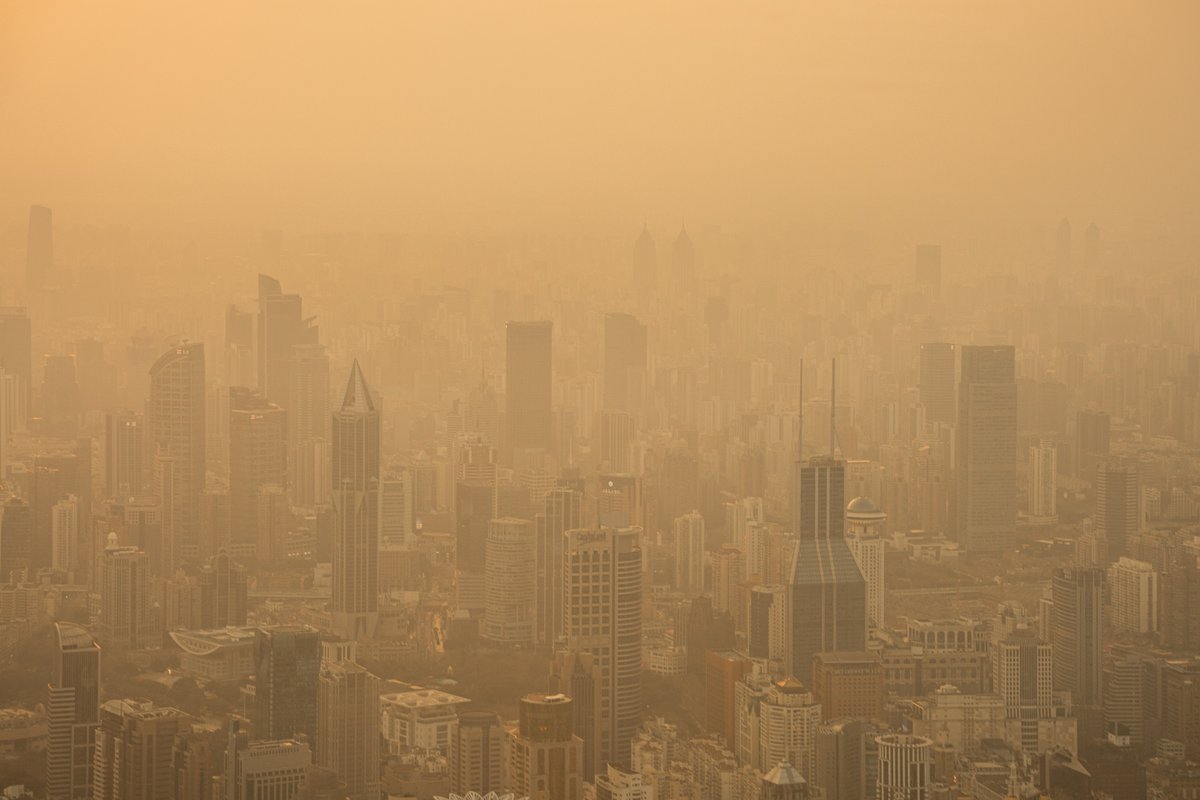
The EU's Copernicus atmosphere service says 34% of the world's population breathed "extremely poor" ozone air between January and mid-September 2026, driven by heatwaves, wildfires and emissions. Asia was worst affected; outlets differ on headline totals and Asia's figure.
Updated (version 3). New coverage since the last version from Daily Mail, Scientific American.



1 / 5
The story, neutrally told
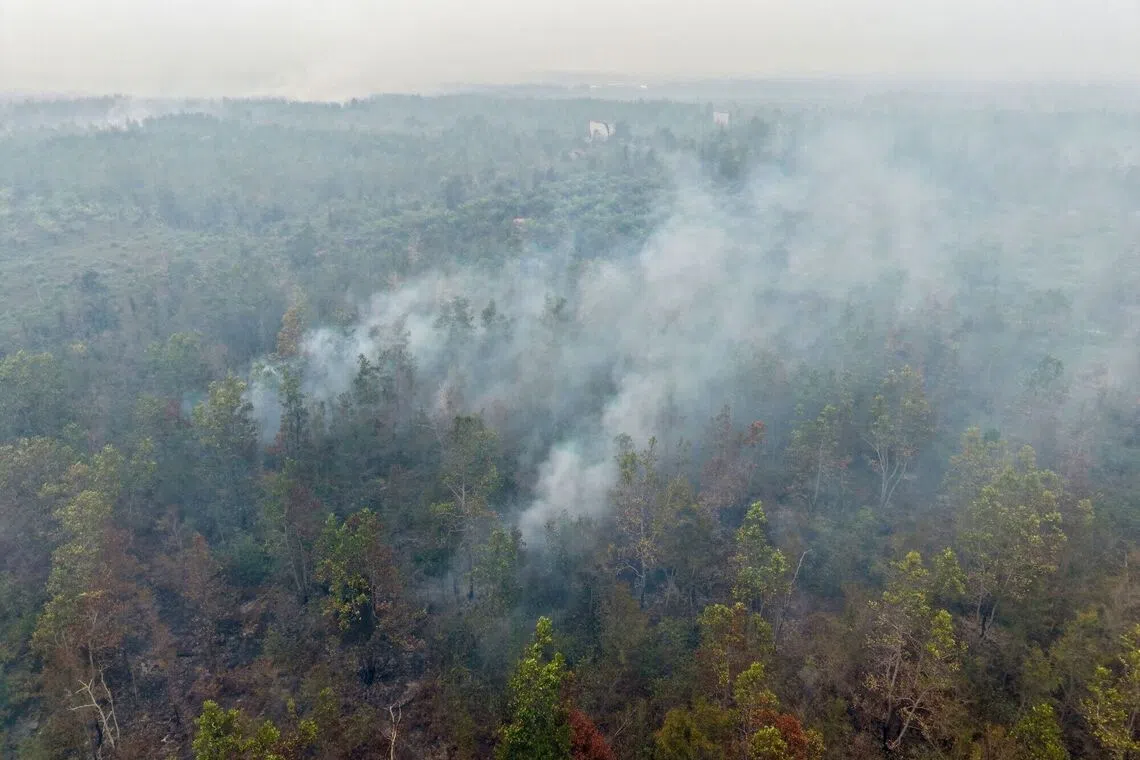
The EU's Copernicus Atmosphere Monitoring Service (CAMS) reported that 34 percent of the world's population was exposed to "extremely poor" ozone air quality between 1 January and 15 September 2026. France 24N “The report found that 34 percent of the global population was exposed to "extremely poor" air quality between January 1 and September 15” Read at France 24 ↗ Scientific AmericanLC “Some 34 percent of people were exposed to extremely poor concentrations.” Read at Scientific American ↗ "Extremely poor" means ozone well above the WHO guideline of 100 micrograms per cubic metre over eight hours; a further 17 percent breathed "very poor" air and 5 percent "good" air. RFIN “Another 17 percent of the world's population breathed "very poor" air, while just 5 percent enjoyed "good" conditions.” Read at RFI ↗ Record heatwaves and wildfires in Europe and North America, combined with human-caused emissions, were cited as drivers. RFIN “This year's ozone pollution was driven partly by record-breaking heatwaves and wildfires across Europe and North America.” Read at RFI ↗ Daily MailR “extreme heat and human-caused air pollution have boosted the amount of ozone at ground-level.” Read at Daily Mail ↗
Asia had the highest exposure: 53 percent of its people breathed "extremely poor" air and another 22 percent "very poor" air, with New Delhi, Dhaka, Chongqing and Lahore among the cities affected. RFIN “Asia had the highest exposure, with 53 percent of its population breathing "extremely poor" air and another 22 percent "very poor" air.” Read at RFI ↗ Two thirds of North Americans and 45 percent of Europeans were exposed to "poor" or "very poor" air, while Oceania was a bright spot with 66 percent enjoying "good" levels. The Straits TimesRC “Two thirds of the population in North America and 45 per cent in Europe were exposed to “poor” or “very poor” air quality.” Read at The Straits Times ↗ CAMS director Laurence Rouil said air pollution crosses borders and can travel thousands of kilometres. France 24N “"Air pollution does not stop at borders. It can travel thousands of kilometres” Read at France 24 ↗
The report said EU regulation has reduced air pollutants except ozone, and Ian Marnane of the European Environment Agency said ozone is linked to 60,000 premature deaths a year in Europe. The Straits TimesRC “Ozone pollution is linked to 60,000 premature deaths per year in Europe, Ian Marnane, an official at the European Environment Agency, told a media briefing.” Read at The Straits Times ↗ The analysis warned that El Nino, which began in June, could drive more fires in South-east Asia. The Straits TimesRC “could drive more fires in South-east Asia, according to the analysis.” Read at The Straits Times ↗ Scientific American put the share exposed to "very poor" or "extremely poor" ozone at 51 percent, and the Daily Mail said almost 40 percent faced dangerous levels. Scientific AmericanLC “some 51 percent of people in the world were exposed to “very poor” or “extremely poor” average ozone concentrations” Read at Scientific American ↗ Daily MailR “Almost 40 per cent of the global population is being exposed to dangerous levels of ozone” Read at Daily Mail ↗
Every sentence links to the reporting it rests on.
Left1 outlet
- Framing
- Science-outlet explainer linking ozone exposure to climate change, air pollution and public health, leading with 'half' of the world's population.
- Emphasis
- Climate amplification of heat waves and the broader 51% 'very poor' or worse figure.
- Leaves out or plays down
- Omits the European death toll, city names and most regional breakdowns.
- Charged language
- “toxic pollutant”
- For example
-
“Around half of the global population has been exposed to dangerous levels of ground-level ozone this year, a new report finds.” — Scientific American
Centre2 outlets
- Framing
- Agency-style report of the EU findings, led by the one-third figure and its causes.
- Emphasis
- Detailed regional breakdowns, cities, the WHO guideline, and Europe's 60,000 deaths.
- Leaves out or plays down
- No outside commentary beyond officials.
- Charged language
- “extremely poor”
Right2 outlets
- Framing
- Daily Mail uses charts and a health-warning angle with 'almost 40%'; the Straits Times runs AFP's one-third report.
- Emphasis
- Daily Mail: health risks, officials' calls for coordinated action, plus a long explainer on other pollutants. Straits Times: AFP report matching the centre outlets.
- Leaves out or plays down
- Daily Mail omits the 53% Asia figure and the 17% 'very poor' share, and gives a differing Asia number.
- Charged language
- “incredibly dangerous”“devastating heatwaves”“Worryingly”
- For example
-
“This pollutant is incredibly dangerous to humans because it can directly attack living tissue in the human respiratory system.” — Daily Mail
“PARIS - Heatwaves and wildfires combined with human-caused emissions in 2026 combined to expose one third of the world’s population” — The Straits Times
What every side reports
- CAMS found 34% of people worldwide faced 'extremely poor' ozone air in early 2026.
- Only 5% of people had 'good' ozone levels.
- Heatwaves and human-caused emissions drove the high ozone.
- Asia was the most affected region.
Where accounts differ
-
Headline share of the world exposed to dangerous ozone
- Left
- Scientific American: around half (51%) exposed to very poor or extremely poor ozone.
- Centre
- France 24 and RFI: a third (34%) exposed to extremely poor ozone.
- Right
- Daily Mail: almost 40%; Straits Times (AFP): one third.
-
Asia's exposure figure
- Left
- Scientific American: 75% at least 'very poor'.
- Centre
- France 24 and RFI: 53% 'extremely poor', 22% 'very poor'.
- Right
- Daily Mail: 60% 'extremely' high; Straits Times (AFP): 53% extremely poor.
-
34% of the world's population was exposed to extremely poor ozone air quality between 1 Jan and 15 Sept 2026.
Reported- Reports 5
- Scientific American, France 24, RFI, Daily Mail, The Straits Times
-
Record heatwaves and wildfires helped drive ozone pollution in 2026.
Supported- Supports 2
- Scientific American, Daily Mail
- Reports 3
- France 24, RFI, The Straits Times
-
53% of Asia's population breathed extremely poor ozone air in 2026, the highest of any region.
Reported- Reports 3
- France 24, RFI, The Straits Times
- Earlier 2
- Scientific American, Daily Mail
-
Ozone pollution is linked to 60,000 premature deaths a year in Europe.
Reported- Reports 3
- France 24, RFI, The Straits Times
Copernicus Atmosphere Monitoring Service organisation
CAMS presents the findings as showing the links between climate, air pollution and health, stressing that pollution crosses borders.
“Ozone pollution is a stark reminder of how interconnected our atmosphere, climate, health, and livelihoods really are” — Scientific American
“"Air pollution does not stop at borders," warned CAMS director Laurence Rouil.” — RFI
Left1 article
-
Dangerous ozone threatened half of world’s population this year
Alarmist Leads with 'half of the world' and ties the exposure to climate change.
Centre2 articles
-
Heatwaves, wildfires expose a third of world to extreme ozone pollution
Neutral Straightforward report of the EU findings and regional breakdowns.
-
RFIN ·
Heatwaves and wildfires drive extreme ozone pollution worldwide
Neutral Concise report stressing smoke crossing oceans and Asia as worst hit.
Right2 articles
-
Alarmist Chart-led health warning with emotive wording and a long pollutant explainer.
-
The Straits TimesRC · · via AFP
One third of world population exposed to harmful air pollution: Monitor
Neutral AFP wire copy on the EU report with regional detail.
- 30 Sep 03:00 First Scientific AmericanLC Dangerous ozone threatened half of world’s population this year
- 30 Sep 03:16 +17m Daily MailR How toxic is your air? Charts reveal how almost 40% of the world is being exposed to dangerous levels of ozone
- 30 Sep 03:30 +30m The Straits TimesRC One third of world population exposed to harmful air pollution: Monitor via AFP
- 30 Sep 03:31 +31m France 24N Heatwaves, wildfires expose a third of world to extreme ozone pollution
- 30 Sep 10:15 +7h 16m RFIN Heatwaves and wildfires drive extreme ozone pollution worldwide
Times are when each article was published, or when we first saw it if the outlet gave no time.