Europe's autumn protests: two opinion pieces on causes and what they mean for the EU
Opinion writers in the Guardian and Fox News both link this autumn's protests across Europe to living costs and public anger, but differ on the remedy: more effective EU cooperation versus deregulation and economic reform.
1 / 2
The story, neutrally told
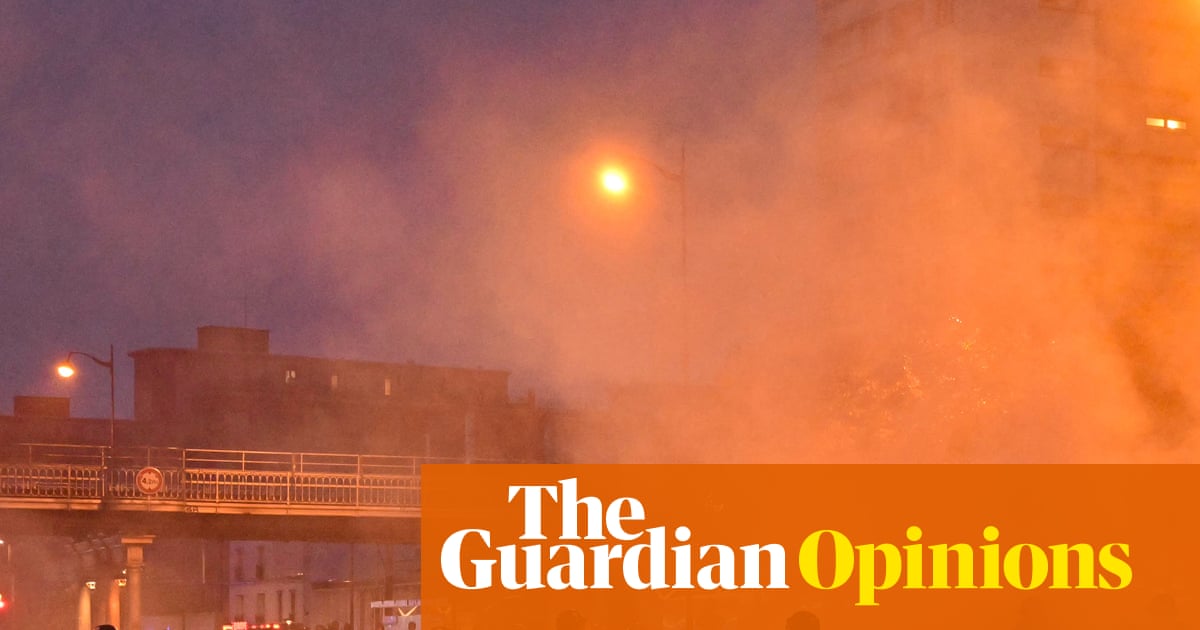
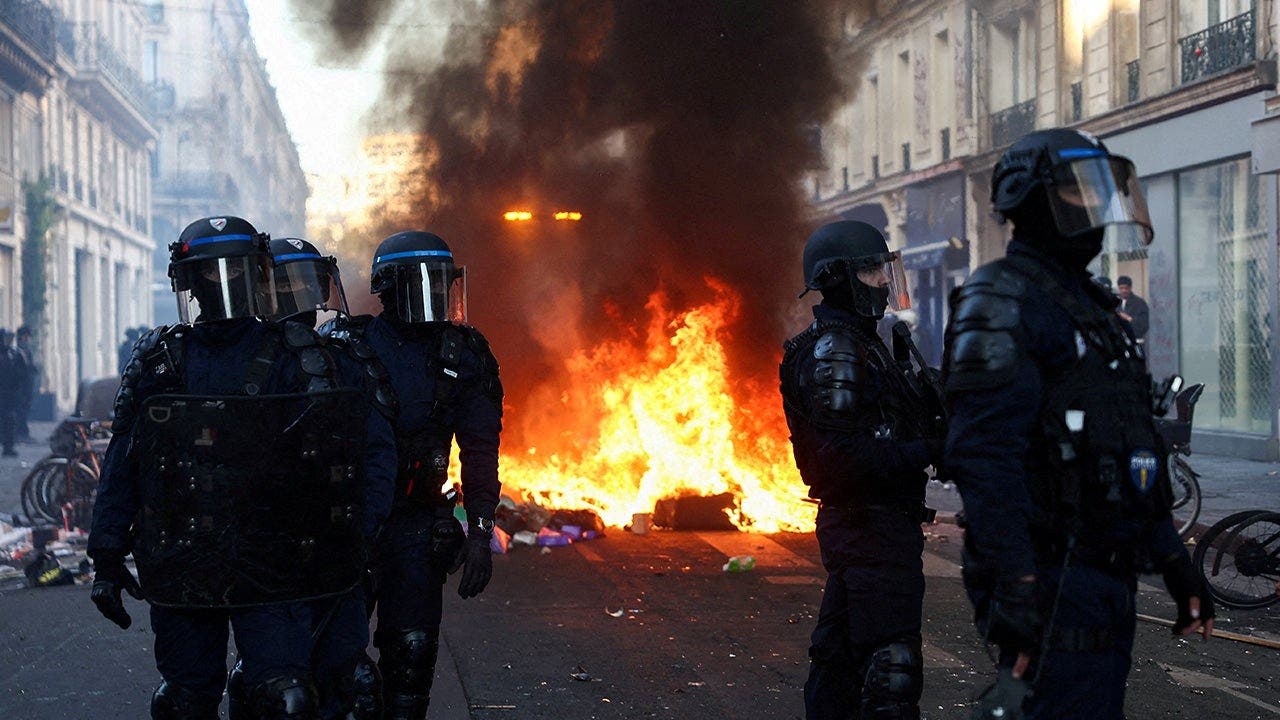
Mixed · 2Protests over living costs have spread across Europe this autumn, with demonstrations reported from Paris to Milan, Madrid, Brussels and Lisbon. The GuardianLC “What protesters from Paris to Milan to Madrid share is a deepening anxiety about the future” Read at The Guardian ↗ Fox NewsR “From Paris to Brussels, Milan to Lisbon, hundreds of thousands of citizens are protesting rising living costs, stagnant wages, unaffordable housing and deteriorating public services.” Read at Fox News ↗ Mixed · 2Both pieces are opinion columns and agree on the grievances: unaffordable housing, stagnant wages, the rising cost of living and failing public services. The GuardianLC “whether the issue is unaffordable housing, stagnant wages, the spiralling cost of living or failing schools” Read at The Guardian ↗ Fox NewsR “rising living costs, stagnant wages, unaffordable housing and deteriorating public services” Read at Fox News ↗ Right · 1Gordon Sondland, a former US ambassador to the EU, writing in Fox News, says protests in France have descended into burning barricades, looted businesses and attacks on public buildings, though he notes most protesters are peaceful. Fox NewsR “In France, demonstrations have descended into burning barricades, looted businesses, and attacks on public buildings.”“Most protesters are peaceful” Read at Fox News ↗
Right · 1Sondland argues the underlying problem is excessive regulation, rigid labour structures, fragmented capital markets and slow decision-making, which he says constrain the growth needed to pay for Europe's social promises. Fox NewsR “Excessive regulation, rigid labor structures, fragmented capital markets, and slow decision-making constrain the growth necessary to sustain Europe’s generous social promises.” Read at Fox News ↗ Right · 1He also argues that the US security guarantee made Europe's welfare state easier to afford and encouraged strategic complacency about Russia, and that the defence bill is now coming due as European governments commit to higher defence spending under pressure from President Trump. Fox NewsR “American military power did not create Europe’s welfare state, but it helped make that welfare state easier to afford.”“President Trump has pressed NATO allies to assume greater responsibility for their own security, and European governments have committed to substantially higher defense spending.” Read at Fox News ↗ Right · 1Sondland calls for a regulatory reset, more integrated capital markets, flexible labour arrangements, faster permitting and affordable energy, citing Estonia, Denmark, Ireland and Poland as examples, and warns the US not to import similar rigidities. Fox NewsR “Europe needs an immediate regulatory reset, more integrated capital markets, flexible labor arrangements, faster permitting, affordable energy”“Estonia’s digital government, Denmark’s labor flexibility, Ireland’s technology investment and Poland’s industrial development offer useful examples.” Read at Fox News ↗
Left · 1Catherine De Vries, a political science professor at IE University in Madrid, writing in the Guardian, asks whether the anger could turn against the EU itself, and concludes it could if EU cooperation becomes better at preserving institutions than at responding to citizens' concerns. The GuardianLC “if European cooperation becomes better at preserving institutions than at responding to citizens’ concerns, the discontent now spilling on to the streets could increasingly turn against the EU itself.” Read at The Guardian ↗ Left · 1De Vries points to electoral stakes: Spain holds a snap election next month after parliament voted down key housing reforms, France begins choosing a new president in April, and Poland, Italy and other states vote before the end of 2027. The GuardianLC “Spain goes to the polls next month in a snap election called after parliament voted down key housing reforms. France begins the process of electing a new president in April” Read at The Guardian ↗ Left · 1She argues the EU's scale (a market of 450 million people and an economy of almost €19tn) and its slow, compromise-driven structure make it durable, and that it has survived Brexit, the pandemic and energy shocks. The GuardianLC “Together, its members form a market of 450 million people and an economy of almost €19tn”“the most recent crises include Brexit, the pandemic and energy shocks. Yet it has proved remarkably durable” Read at The Guardian ↗
Left · 1She notes strains in negotiations over the next seven-year EU budget, worth almost €2tn, where France is pushing for EU-wide taxes that others resist, and says Emmanuel Macron has urged leaders to agree a deal by Christmas, warning that room for manoeuvre would shrink if Marine Le Pen succeeds him. The GuardianLC “Negotiations over the next seven-year budget, worth almost €2tn, show just how hard it is to achieve consensus.”“Emmanuel Macron has urged fellow leaders to strike a budget deal by Christmas” Read at The Guardian ↗ Left · 1De Vries cites polling that 90% of young Europeans favour greater unity among member states and 78% want the EU to have more resources to act, and says pessimism has so far not become widespread rejection of the EU. The GuardianLC “90% favouring greater unity among member states and 78% wanting the EU to have more resources to act” Read at The Guardian ↗
Every sentence links to the reporting it rests on. The pill in front of each says where its sources sit: Left, Centre or Right when one side supplies at least half of them, Mixed when they are evenly split. The number is how many outlets it cites.
Left1 outlet
- Framing
- A Guardian opinion piece by a political scientist asking whether street anger could threaten the EU's survival; it defends EU cooperation as essential to 'effective sovereignty'.
- Emphasis
- Elections, EU budget talks, the EU's scale and durability, and youth support for the EU.
- Leaves out or plays down
- Does not describe violence or unrest in France, nor the role of regulation or labour rigidity.
- Charged language
- “autumn of unusual discontent”“effective sovereignty”
- For example
-
“Anger on the streets could increasingly turn against the EU itself if it can’t show why cooperation makes people’s lives better” — The Guardian
Centre0 outlets
No centre outlet in our sources has covered this story yet.
Right1 outlet
- Framing
- A Fox News opinion piece by a former US ambassador to the EU, presenting the unrest as evidence that Europe's regulated, welfare-heavy model is failing, with lessons for US policy.
- Emphasis
- Violence in France, regulation, labour rigidity, defence spending, US security guarantees and American economic dynamism.
- Leaves out or plays down
- Does not discuss the EU's survival, the EU budget talks, upcoming elections or polling on EU support.
- Charged language
- “France is burning”“suffocates imagination”“strategic complacency”
- For example
-
“The problem is not imagination. It is an economic and regulatory structure that too often suffocates imagination before it can become commercial reality.” — Fox News
What every side reports
- Protests over living costs are under way in several European countries this autumn.
- Housing costs, stagnant wages, the cost of living and public services are named as grievances by both writers.
- Both pieces are opinion columns, not news reports.
Where accounts differ
-
What lies behind the unrest and what should be done
- Left
- De Vries says the anger reflects a gap between citizens' expectations and what governments deliver, and that the EU must show cooperation improves lives.
- Right
- Sondland says over-regulation, rigid labour markets and welfare spending enabled by the US security guarantee are the root problems, requiring deregulation and reform.
-
How the protests are characterised
- Left
- De Vries describes an 'autumn of unusual discontent' and focuses on political and electoral consequences, without describing violence.
- Right
- Sondland says 'France is burning', citing barricades, looting and attacks on public buildings, while noting most protesters are peaceful.
European Union organisation
In the Guardian piece the EU is presented as durable and valuable but needing to deliver tangible improvements to people's lives. In the Fox piece it is mainly implied as part of a slow-moving, over-regulated European system.
“If the EU did not exist, Europeans would have every reason to invent it.” — The Guardian
“slow decision-making constrain the growth necessary to sustain Europe’s generous social promises” — Fox News
France place
France is shown as the centre of unrest in Fox ('burning barricades, looted businesses') and as a political pressure point in the Guardian (April presidential election, Macron's budget push, Le Pen's platform).
“In France, demonstrations have descended into burning barricades, looted businesses, and attacks on public buildings.” — Fox News
“France, for example, is pushing for new EU-wide taxes, which others resist.” — The Guardian
Gordon Sondland person
Sondland presents himself as a former US ambassador to the EU who has heard from European executives that they cannot innovate in Europe as they can in the US, and urges European reform and higher defence spending.
“Having served as the U.S. ambassador to the EU, I have heard this firsthand from executives running the American operations of major European companies” — Fox News
UK and Ireland1 outlet
The Guardian column treats the protests as a test of whether the EU can show the value of cooperation, with a pro-EU slant and an aside on Britain's post-Brexit position.
“The EU has an interest in bringing Britain back into closer cooperation too” — The Guardian
The Guardian
North America1 outlet
The Fox News column treats the protests as a cautionary tale for the US and a case for deregulation and higher European defence spending.
“At home, however, we must be careful not to import the very economic rigidities Europe is struggling to escape.” — Fox News
Fox News
Left1 article
-
The GuardianLC · · Opinion
Could Europe’s autumn of discontent threaten the survival of the EU? | Catherine De Vries
Sympathetic Opinion arguing the EU is resilient and valuable but must deliver for citizens to avoid anger turning against it.
Centre0 articles
No coverage yet.
Right1 article
-
Fox NewsR · · Opinion
GORDON SONDLAND: France is burning, Europe's broke, and the revolution it really needs isn't violent
Critical Opinion blaming regulation, rigid labour markets and welfare spending for Europe's unrest, and contrasting it with American dynamism.
- 26 Oct 05:00 First The GuardianLC Could Europe’s autumn of discontent threaten the survival of the EU? | Catherine De Vries Opinion
- 26 Oct 16:16 +11h 16m Fox NewsR GORDON SONDLAND: France is burning, Europe's broke, and the revolution it really needs isn't violent Opinion
Times are when each article was published, or when we first saw it if the outlet gave no time.
Ask about this story
Loading…