European Cockpit Association survey: three in four pilots report microsleeps in the cockpit
A survey of nearly 7,200 European captains and first officers by the European Cockpit Association found three-quarters had experienced a microsleep while flying in the previous four weeks, and that 24% usually keep flying rather than report themselves unfit. The ECA wants stronger fatigue rules.
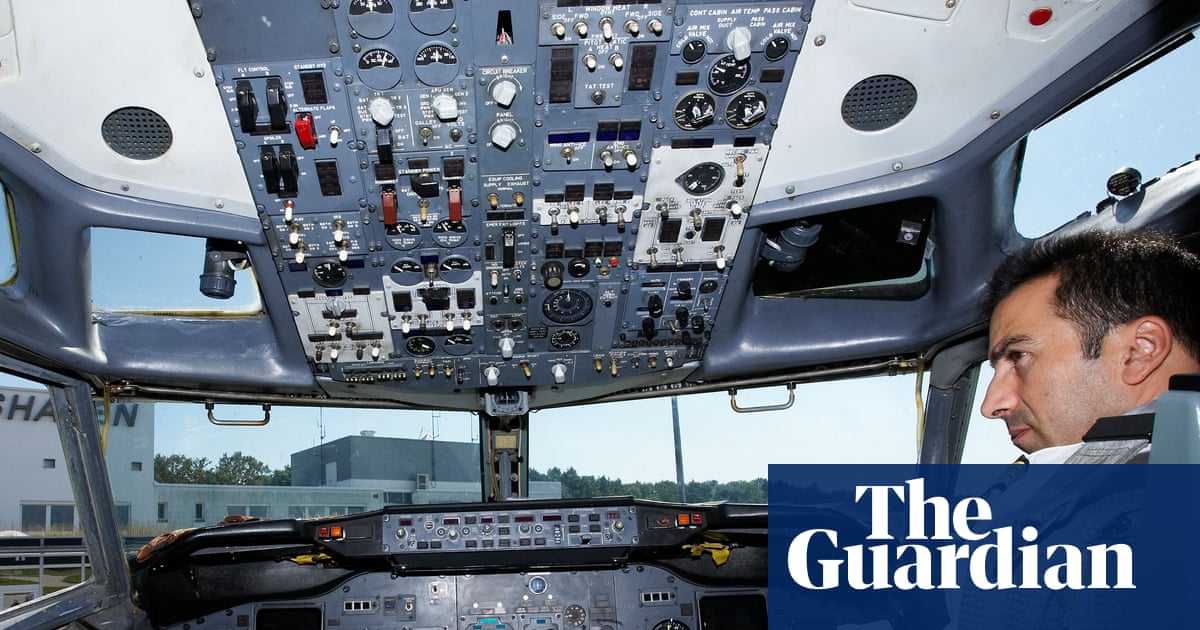

1 / 2
The story, neutrally told
Mixed · 2A survey of almost 7,200 European airline captains and first officers by the European Cockpit Association (ECA) found that three in four had experienced at least one microsleep, a brief involuntary episode of sleep, while operating an aircraft in the previous four weeks. The GuardianLC “found that three-quarters of respondents had experienced at least one microsleep – a brief, involuntary episode of sleep – while operating an aircraft in the previous four weeks.” Read at The Guardian ↗ Daily MailR “A survey of nearly 7,200 captains and first officers claimed pilots are suffering from lack of rest and pressure to extend their shifts.” Read at Daily Mail ↗ Mixed · 2The survey was conducted in August. Pilots working for airlines based in Ireland and Malta reported the highest levels of microsleeps. The GuardianLC “Pilots working for airlines based in Ireland and Malta reported the highest levels of microsleeps.” Read at The Guardian ↗ Daily MailR “The incidents reported by pilots in the ECA survey, conducted in August” Read at Daily Mail ↗ Left · 1Some 24% of pilots said they usually keep flying rather than report themselves unfit because of fatigue, and 16.8% said they call in sick instead. Only one in three said they usually report themselves unfit when fatigued, and half said that in the three months before the survey they had flown a flight when they should have declared themselves too fatigued. The GuardianLC “Almost a quarter (24%) of pilots admitted they usually continue flying rather than report themselves unfit due to fatigue, while another 16.8% said they call in sick instead.”“Half admitted they had operated a flight in the three months before the survey when they should have declared themselves too fatigued to fly.” Read at The Guardian ↗
Mixed · 2Almost half of respondents feared negative consequences from management if they reported themselves unfit, and just 11.9% trusted their airline's fatigue reporting system. More than a third (the Daily Mail says more than 30%) said they were not getting enough rest to stop fatigue building up. The GuardianLC “Almost half of the respondents said they feared negative consequences from management if they reported themselves unfit because of fatigue, while just 11.9% trusted their airline’s fatigue reporting system.” Read at The Guardian ↗ Daily MailR “More than 30 per cent said they do not get enough sleep to prevent becoming fatigued.” Read at Daily Mail ↗ Mixed · 2The Guardian reported variation by country and airline type: two in five pilots at Spain-based airlines and a third at Ireland- and France-based airlines said they usually fly when fatigued, against one in 10 at UK-based airlines. Only 15.6% of pilots at low-cost carriers believed their airline managed fatigue risks well, compared with 18.6% at ACMI or wet-lease operators. The GuardianLC “Two in five of the pilots working for airlines based in Spain and a third of those working for Ireland- and France-based airlines said they usually fly when fatigued. That compares with only one in 10 of the pilots flying for an airline based in the UK.” Read at The Guardian ↗ Daily MailR “Only 15.6 per cent of captains or first officers for budget airlines believed their companies manage the risks of fatigue well.” Read at Daily Mail ↗ Left · 1Almost two in five pilots said they had used commander's discretion, which lets captains extend crew working hours or reduce rest in exceptional circumstances, at least once in the month before the survey. Nearly 70% were concerned about refusing to extend their duty, which the Guardian said suggests a measure meant for exceptional situations may come with significant pressure on crews. The GuardianLC “Almost two in five pilots said they had used commander’s discretion – allowing captains to extend crew working hours or reduce rest periods in exceptional circumstances – at least once in the month before the survey.”“But nearly 70% expressed concern about refusing to extend their duty” Read at The Guardian ↗
Left · 1ECA president Capt Tanja Harter said the risks should not be left to pilots to manage and urged the European Union Aviation Safety Agency to strengthen fatigue management rules and ensure airlines comply with requirements for non-punitive reporting and proper use of commander's discretion. She said: "What is needed now is the political will to act." The GuardianLC ““This cannot be simply left to us – the pilots – to manage, while we are on the flight deck and expected to bring our passengers safely to their destination,””“What is needed now is the political will to act.” Read at The Guardian ↗ Mixed · 2Ian Holder, managing director of the consultancy Baines Simmons, said the results showed persistent differences in how airlines and national authorities manage fatigue. He stressed the findings reflect pilots' first-hand experiences rather than a direct measure of safety outcomes, and pointed to Finland and the Netherlands as showing stronger reporting cultures are achievable. The GuardianLC “He stressed that the findings represented pilots’ first-hand experiences rather than a direct measurement of aviation safety outcomes” Read at The Guardian ↗ Daily MailR “He added that the findings showed persistent differences between how airlines and national aviation bodies manage fatigue.” Read at Daily Mail ↗ Mixed · 2Under European rules airlines must have systems to identify, monitor and manage crew fatigue, and the Daily Mail notes that licensed pilots are legally obliged to report when they are too fatigued to fly. The Daily Mail also quoted the ECA's June campaign, which blamed years of cost-cutting, precarious contracts and understaffing for rising fatigue risks. The GuardianLC “Under European aviation safety regulations, airlines are required to have systems in place to identify, monitor and manage crew fatigue.” Read at The Guardian ↗ Daily MailR “Licensed pilots are not allowed to fly when fatigued and are legally obliged to report to their airline when they are.”“Years of cost-cutting, social dumping, precarious contracts, and Covid-induced instability have hollowed out aviation's operational resilience.” Read at Daily Mail ↗
Every sentence links to the reporting it rests on. The pill in front of each says where its sources sit: Left, Centre or Right when one side supplies at least half of them, Mixed when they are evenly split. The number is how many outlets it cites.
Left1 outlet
- Framing
- Leads with the quarter of pilots who fly while too fatigued, then gives detailed country and airline breakdowns and the ECA's call for EASA to tighten rules.
- Emphasis
- Regulatory response, commander's discretion pressure, national differences, Holder's caveat that results reflect experience rather than measured safety outcomes.
- Leaves out or plays down
- Does not quote the ECA's earlier campaign language on cost-cutting and understaffing.
- For example
-
“Almost a quarter of European airline pilots fly when too fatigued to work” — The Guardian
“Waiting for another three years to discover that nothing has changed is simply not an option” — The Guardian
Centre0 outlets
No centre outlet in our sources has covered this story yet.
Right1 outlet
- Framing
- Leads with the sleeping-in-the-cockpit figure, with a more consumer-facing explanation of microsleeps and safety implications.
- Emphasis
- Pilots admitting to falling asleep, a National Sleep Foundation definition, and the ECA's June campaign blaming cost-cutting and understaffing.
- Leaves out or plays down
- Omits country-by-country comparisons (including the UK's low figure), commander's discretion findings, Harter's call on EASA, and Holder's caveat about the survey's limits.
- Charged language
- “admit they have fallen asleep in the cockpit”“claimed”
- For example
-
“Three quarters of European airline pilots admit they have fallen asleep in the cockpit” — Daily Mail
“The results have serious safety implications” — Daily Mail
What every side reports
- The ECA surveyed nearly 7,200 captains and first officers in August.
- Three-quarters reported at least one microsleep in the previous four weeks.
- 24% usually keep flying rather than report fatigue; 16.8% call in sick.
- Only 11.9% trust their airline's fatigue reporting system and almost half fear penalties.
- Ian Holder of Baines Simmons commented on the findings.
Where accounts differ
-
How much rest pilots lack
- Left
- More than a third said they were not getting enough rest to prevent fatigue building up.
- Right
- More than 30 per cent said they do not get enough sleep to prevent becoming fatigued.
-
Whether 16.8% sick-call figure is framed as small or additional
- Left
- Describes the 16.8% as 'another' group who call in sick instead.
- Right
- Says 'only' 16.8 per cent call in sick instead.
European Cockpit Association organisation
The ECA says the survey shows pilots fear punishment for reporting fatigue, and wants EASA to strengthen fatigue rules and enforce non-punitive reporting; it says solutions exist and political will is needed.
“The problems are identified, solutions are there, and we as the European pilot community are ready to contribute.” — The Guardian
“said the findings suggest pilots 'fear punishment' for reporting fatigue” — Daily Mail
Left1 article
-
Almost a quarter of European airline pilots fly when too fatigued to work
Neutral Detailed report centred on the survey's findings and the ECA's call for regulators to act, with an independent expert's caveat.
Centre0 articles
No coverage yet.
Right1 article
-
Three quarters of European airline pilots admit they have fallen asleep in the cockpit
Alarmist Headline-led on pilots 'admitting' to falling asleep, with safety-risk language and ECA campaign rhetoric, drawing partly on the Guardian's reporting.
- 26 Oct 06:00 First The GuardianLC Almost a quarter of European airline pilots fly when too fatigued to work
- 26 Oct 11:38 +5h 38m Daily MailR Three quarters of European airline pilots admit they have fallen asleep in the cockpit
Times are when each article was published, or when we first saw it if the outlet gave no time.
Ask about this story
Loading…