FCC votes to bar Chinese labs from testing electronics for the US market
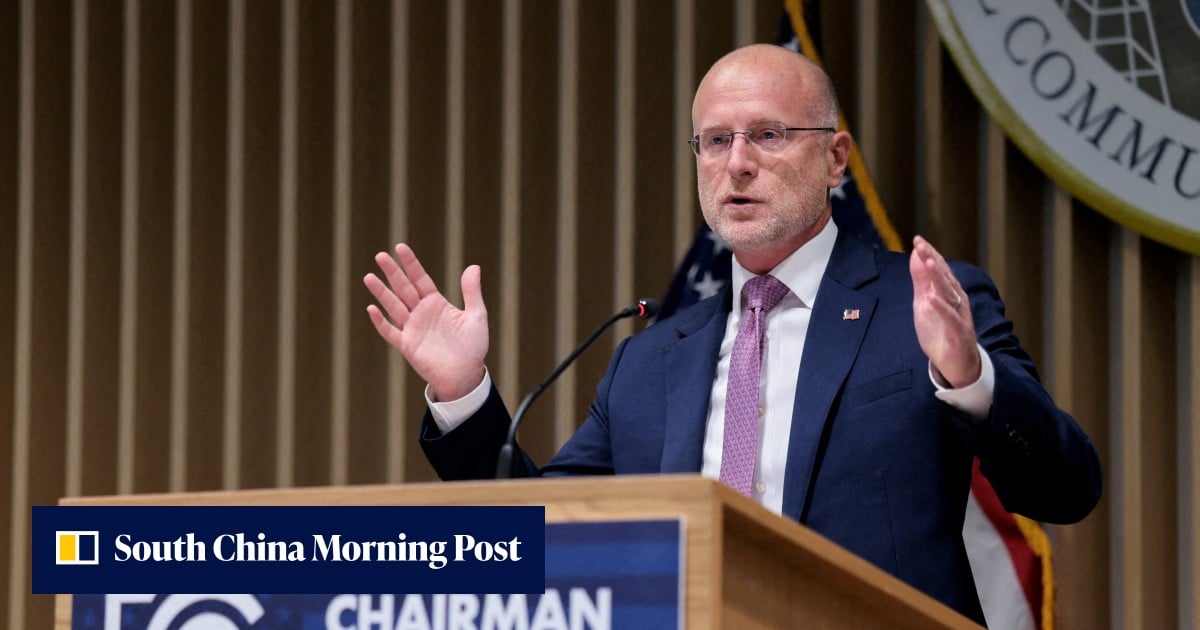
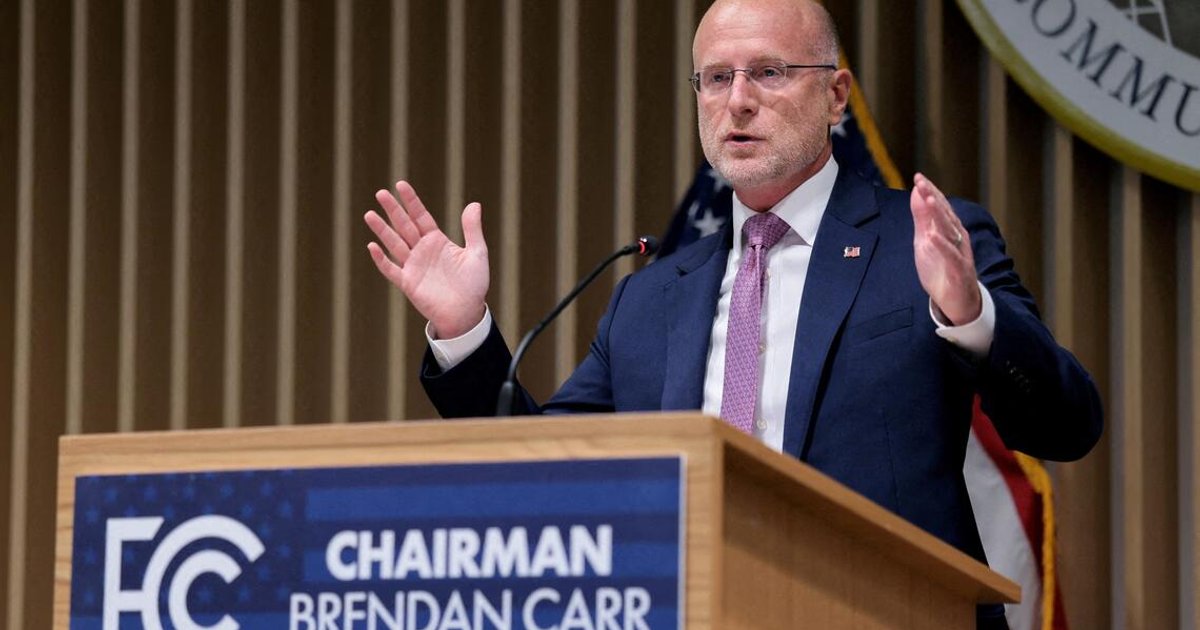
The US Federal Communications Commission voted on 29 October to bar testing labs and certification bodies in China, and other economies without reciprocal arrangements, from approving electronics for the US market. The rules take effect in December 2028.
1 / 2
The story, neutrally told
Mixed · 2The US Federal Communications Commission (FCC) voted on 29 October to bar testing laboratories and certification bodies in China from testing electronic devices destined for the US market. South China Morning PostN “The Federal Communications Commission (FCC) voted to bar testing laboratories and certification bodies in China” Read at South China Morning Post ↗ The Straits TimesRC “voted to bar all Chinese labs from testing electronic devices including smartphones, cameras and computers for use in the US” Read at The Straits Times ↗ Mixed · 2The ban also covers other economies that lack a mutual recognition or reciprocal trade agreement with the US, and it is due to take effect in December 2028. South China Morning PostN “China and other economies that lack a “mutual recognition agreement” or reciprocal trade agreement with the US” Read at South China Morning Post ↗ The Straits TimesRC “The FCC prohibitions are slated to take effect in December 2028.” Read at The Straits Times ↗ Right · 1FCC Chairman Brendan Carr said that in 2025, 82% of electronics were tested in China, which has no agreement with the US, and that about 4% are tested in US labs. The Straits TimesRC “in 2025, 82% of electronics were tested in China, which does not have an agreement with the US”“About 4% of all electronic devices are tested in labs inside the US, Carr said.” Read at The Straits Times ↗
Right · 1Carr said the labs are "a critical gateway into American communications infrastructure", with access to sensitive information about products months before launch, and could "allow insecure gear into the US market, disrupt communications networks, or even steal intellectual property". The Straits TimesRC “These labs are a critical gateway into American communications infrastructure” Read at The Straits Times ↗ Centre · 1Carr also framed the move as consistent with President Donald Trump's effort "to restore balance and fairness" in dealings with foreign nations, saying the FCC is "only allowing test labs to be based in the US or in reciprocal economies". South China Morning PostN ““This is consistent with President Trump’s broader effort to restore balance and fairness with respect to America’s dealings with foreign nations,” said FCC Chairman Brendan Carr.” Read at South China Morning Post ↗ Centre · 1The South China Morning Post reported that the delayed start gives domestic labs more than two years to expand capacity, and that Carr earlier said some Chinese labs were linked to the People's Liberation Army. South China Morning PostN “giving domestic labs more than two years to expand their testing capacity”“Some of those labs themselves were linked or controlled by or tied to the PLA” Read at South China Morning Post ↗
Right · 1The vote expands a 2025 FCC action that barred labs owned or controlled by the Chinese government, which led to several dozen labs being barred. Separately, the FCC streamlined approval for devices tested in US labs or in labs from countries not seen as national security risks. The Straits TimesRC “In 2025, the FCC banned testing of US electronics by labs owned or controlled by the Chinese government, and several dozen labs were barred.”“Separately, the FCC streamlined its approval process for devices tested in US labs” Read at The Straits Times ↗ Mixed · 2The vote follows a series of FCC measures against Chinese technology, including a December ban on new Chinese drones, restrictions on new consumer routers, bans on new Chinese robots and power inverters, and last week's block on two devices containing Huawei subsidiary HiSilicon chips. South China Morning PostN “Last week, it blocked two devices – a dashboard camera and a wireless video transmitter – containing chips made by Huawei Technologies subsidiary HiSilicon” Read at South China Morning Post ↗ The Straits TimesRC “In December, the FCC banned the import of all new models of Chinese drones” Read at The Straits Times ↗ Mixed · 2The SCMP linked the timing to a planned meeting between Trump and Chinese leader Xi Jinping at the APEC summit in Shenzhen, and noted China's August retaliation, which included tighter drone export controls and sanctions on US testing firms. The Chinese Embassy in Washington did not immediately respond to Reuters' request for comment. South China Morning PostN “just weeks before US President Donald Trump is due to meet Chinese leader Xi Jinping on the sidelines of the Asia-Pacific Economic Cooperation summit in Shenzhen”“China retaliated in August by imposing tighter export controls on drones and related technologies, sanctioning US testing firms” Read at South China Morning Post ↗ The Straits TimesRC “The Chinese Embassy in Washington did not immediately respond to a request for comment.” Read at The Straits Times ↗
Every sentence links to the reporting it rests on. The pill in front of each says where its sources sit: Left, Centre or Right when one side supplies at least half of them, Mixed when they are evenly split. The number is how many outlets it cites.
Left0 outlets
No left outlet in our sources has covered this story yet.
Centre1 outlet
- Framing
- Leads on the diplomatic timing, presenting the ban as coming weeks before the Trump-Xi meeting, and places it within the FCC's escalating campaign and China's retaliation.
- Emphasis
- The FCC as the Trump administration's most aggressive agency on Chinese tech; a chronology of earlier bans; China's August countermeasures.
- Leaves out or plays down
- Does not report the 4% figure for US-based testing or the streamlined approval for non-risk labs, and has no Chinese government response.
- Charged language
- “bad labs”“tit-for-tat”
- For example
-
“just weeks before US President Donald Trump is due to meet Chinese leader Xi Jinping” — South China Morning Post
“The tit-for-tat tech measures are in addition to an already crowded field of actions” — South China Morning Post
Right1 outlet
- Framing
- Reuters copy carried by the Straits Times presents the vote as the latest US crackdown on China over technology, led by Carr's security rationale.
- Emphasis
- Carr's national-security and intellectual-property warnings, the 82% and 4% figures, and the list of earlier FCC restrictions.
- Leaves out or plays down
- Does not mention the upcoming Trump-Xi meeting or China's retaliation; Chinese response not yet received.
- Charged language
- “crack down on China”
- For example
-
“This is the latest move by Washington to crack down on China over technology issues and equipment.” — The Straits Times
“allow insecure gear into the US market, disrupt communications networks, or even steal intellectual property” — The Straits Times
What every side reports
- The FCC voted on 29 October to bar Chinese testing labs and certification bodies from testing electronics for the US market.
- The prohibitions take effect in December 2028.
- Brendan Carr is FCC chairman and defended the move on trade-fairness and security grounds.
- The vote follows earlier FCC bans on Chinese drones and routers.
Where accounts differ
-
Share of US-market electronics tested in China
- Centre
- The SCMP, citing the FCC, says more than 80 per cent are tested in China.
- Right
- Reuters, in the Straits Times, quotes Carr saying 82% were tested in China in 2025.
Federal Communications Commission organisation
Says the labs are a security gateway and that only US or reciprocal-economy labs should be allowed.
““We are only allowing test labs to be based in the US or in reciprocal economies.”” — South China Morning Post
“These labs are a critical gateway into American communications infrastructure” — The Straits Times
China place
The Chinese Embassy in Washington had not responded when Reuters reported; China previously retaliated with drone export controls and sanctions on US testing firms.
“The Chinese Embassy in Washington did not immediately respond to a request for comment.” — The Straits Times
“China retaliated in August by imposing tighter export controls on drones and related technologies” — South China Morning Post
Donald Trump person
The ban is described by Carr as consistent with Trump's effort to restore balance and fairness; Trump is due to meet Xi at APEC in Shenzhen.
“This is consistent with President Trump’s broader effort to restore balance and fairness” — South China Morning Post
Left0 articles
No coverage yet.
Centre1 article
-
US bans Chinese labs from testing electronics ahead of Trump-Xi meeting
Neutral Explains the ban through the diplomatic calendar and the FCC's sequence of actions against Chinese technology, quoting Carr's rationale.
Right1 article
-
The Straits TimesRC · · via Reuters
US agency votes to ban all Chinese labs from testing US electronics
Neutral Reuters wire copy giving the vote, Carr's security arguments and statistics, and background on earlier FCC bans.
- 29 Oct 15:39 First South China Morning PostN US bans Chinese labs from testing electronics ahead of Trump-Xi meeting
- 29 Oct 22:56 +7h 16m The Straits TimesRC US agency votes to ban all Chinese labs from testing US electronics via Reuters
Times are when each article was published, or when we first saw it if the outlet gave no time.
Ask about this story
Loading…