Former Japanese PM Yasuo Fukuda dies aged 90
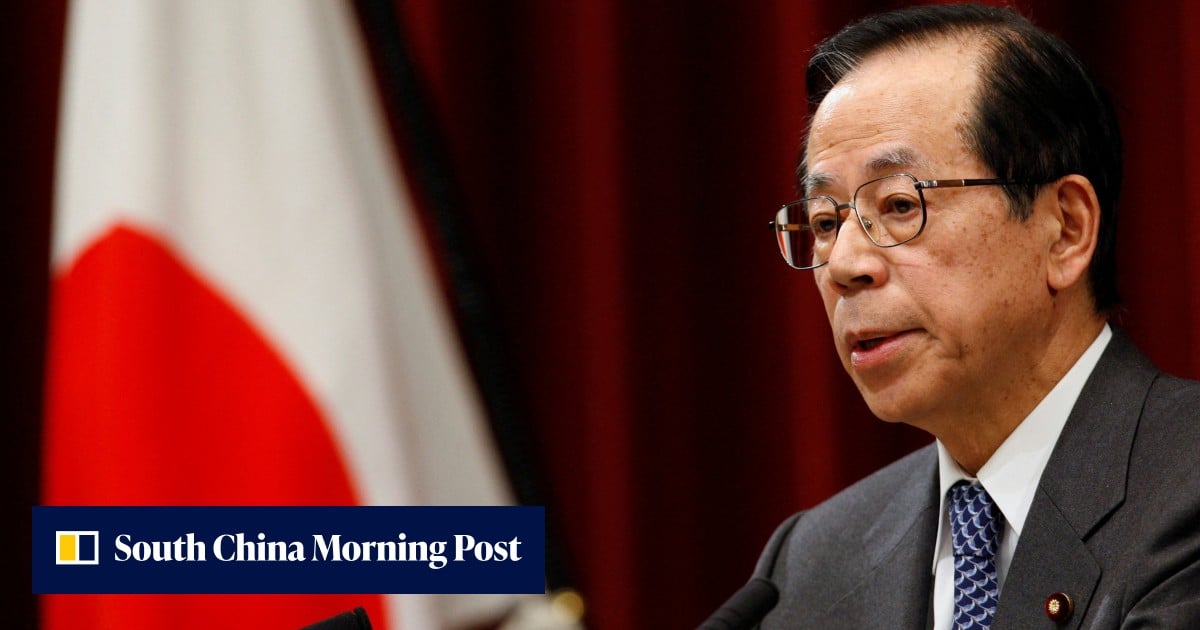
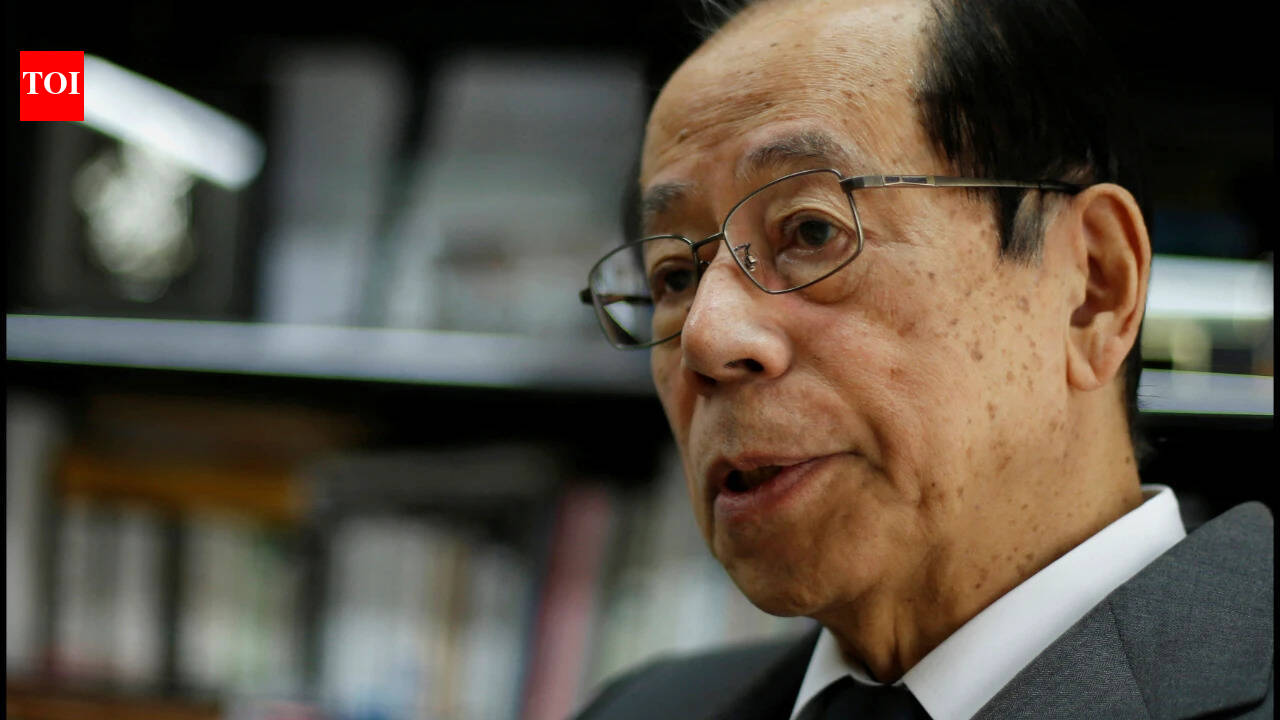
Yasuo Fukuda, Japan's prime minister from 2007 to 2008 and a proponent of closer ties with China, has died at 90. Nikkei reported heart failure as the cause.
1 / 2
The story, neutrally told
Centre · 2Yasuo Fukuda, Japan's prime minister from September 2007 to September 2008, has died at the age of 90. South China Morning PostN “has died at the age of 90, according to the Nikkei business daily on Monday.” Read at South China Morning Post ↗ The Times of IndiaN “He served as Japan's prime minister from September 2007 to September 2008” Read at The Times of India ↗ Centre · 2The Nikkei business daily reported that Fukuda died on Thursday, which The Times of India gives as 22 October, from heart failure; the Times of India also said a ruling Liberal Democratic Party official confirmed the death on Monday. South China Morning PostN “died on Thursday from heart failure, the Nikkei reported.” Read at South China Morning Post ↗ The Times of IndiaN “a ruling Liberal Democratic Party (LDP) official confirmed on Monday”“Fukuda died on October 22” Read at The Times of India ↗ Centre · 2Fukuda was the first son of a prime minister to become prime minister, following his father Takeo Fukuda, who led Japan from 1976 to 1978. South China Morning PostN “the first son of a prime minister to become one himself” Read at South China Morning Post ↗ The Times of IndiaN “following his father, Takeo Fukuda, who led Japan from 1976 to 1978” Read at The Times of India ↗
Centre · 2Fukuda took office after Shinzo Abe resigned suddenly in 2007 for health reasons, and resigned in 2008 after less than a year, frustrated by a divided parliament in which opposition parties could delay legislation. South China Morning PostN “Becoming prime minister on the sudden resignation of Shinzo Abe for health reasons in 2007, Fukuda lasted less than a year” Read at South China Morning Post ↗ The Times of IndiaN “Facing a divided parliament, legislative gridlock and declining public approval, he announced his resignation in September 2008” Read at The Times of India ↗ Centre · 2In office, Fukuda sought closer ties with Asian neighbours, particularly China: Fukuda visited China in 2007 and invited Chinese President Hu Jintao, who visited Japan in May 2008, the first Chinese head of state to do so in a decade. South China Morning PostN “Hu visited the country in May 2008, becoming the first Chinese head of state to do so in a decade.” Read at South China Morning Post ↗ The Times of IndiaN “The two leaders issued a joint statement pledging to develop a “mutually beneficial relationship based on common strategic interests”.” Read at The Times of India ↗ Centre · 2After leaving office Fukuda kept working on Japan-China relations; The Times of India reports that Fukuda retired from electoral politics in 2012 and in 2014 met President Xi Jinping in China, which helped pave the way for a summit between Xi and Abe. The Times of IndiaN “In 2014, amid worsening relations over disputed islands and historical grievances, he travelled to China for talks with President Xi Jinping.” Read at The Times of India ↗ South China Morning PostN “After leaving office, Fukuda made several visits to China in an effort to improve often fraught relations.” Read at South China Morning Post ↗
Centre · 2Fukuda graduated in economics from Waseda University, spent nearly two decades at an oil company including a posting in the United States, and became a political secretary when his father became prime minister in 1976. South China Morning PostN “A graduate in economics from Tokyo’s prestigious Waseda University” Read at South China Morning Post ↗ The Times of IndiaN “before entering politics as his father's secretary in 1976” Read at The Times of India ↗ Centre · 2Elected to the lower house in 1990, Fukuda was chief cabinet secretary from 2000 to 2004 and resigned from that post after admitting to not having paid into the pension system. South China Morning PostN “Fukuda was chief cabinet secretary from 2000 to 2004, resigning as one of several cabinet ministers to admit not having paid into the pension system.” Read at South China Morning Post ↗ The Times of IndiaN “He resigned from that position after acknowledging that he had failed to make required pension contributions.” Read at The Times of India ↗ Centre · 1Reuters also recalled that Fukuda had a reputation for a testy manner and drew criticism in 2003 for off-the-record remarks suggesting women who dressed provocatively were asking to be raped. South China Morning PostN “Known for his testy manner, the bespectacled Fukuda drew criticism in 2003 for off-the-record comments” Read at South China Morning Post ↗
Centre · 2Fukuda is survived by a son, Tatsuo Fukuda, a lawmaker who has been viewed as a potential future prime minister. South China Morning PostN “Fukuda leaves a son, Tatsuo, who is also a lawmaker and has been viewed as a potential future prime minister.” Read at South China Morning Post ↗ The Times of IndiaN “He is survived by his son, Tatsuo Fukuda, a Japanese lawmaker” Read at The Times of India ↗
Every sentence links to the reporting it rests on. The pill in front of each says where its sources sit: Left, Centre or Right when one side supplies at least half of them, Mixed when they are evenly split. The number is how many outlets it cites.
Left0 outlets
No left outlet in our sources has covered this story yet.
Centre2 outlets
- Framing
- Both outlets run an obituary centred on Fukuda's brief premiership and efforts to improve ties with China, with the Reuters copy in the South China Morning Post also noting controversies and The Times of India stressing post-office diplomacy.
- Emphasis
- China diplomacy, the Hu Jintao visit, the father-son prime ministerial link, short tenure.
- Leaves out or plays down
- The Times of India omits the 2003 remarks and the Koizumi-era context; the Reuters copy omits the 2012 retirement and the 2014 meeting with Xi Jinping.
- Charged language
- “diplomatic dove”“testy manner”
- For example
-
“Known as a diplomatic dove, Fukuda visited China three months after becoming prime minister in September 2007” — South China Morning Post
“Known for his preference for dialogue and engagement in foreign policy, Fukuda continued advocating closer relations between the two Asian powers after leaving office.” — The Times of India
Right0 outlets
No right outlet in our sources has covered this story yet.
What every side reports
- Yasuo Fukuda died at 90, with Nikkei reporting heart failure.
- Fukuda was prime minister from 2007 to 2008, succeeding Shinzo Abe.
- Fukuda was the first son of a prime minister to become prime minister.
- Fukuda sought closer ties with China and hosted Hu Jintao in May 2008.
- Fukuda was chief cabinet secretary from 2000 to 2004 and resigned over unpaid pension contributions.
- Fukuda's son Tatsuo is a lawmaker.
Left0 articles
No coverage yet.
Centre2 articles
-
South China Morning PostN · · via Reuters
Former Japanese prime minister Yasuo Fukuda, known for seeking China ties, dies at 90
Neutral Reuters obituary carried by the SCMP, leading on China ties and including critical episodes such as the pension lapse and 2003 remarks.
-
Former Japan PM Yasuo Fukuda, the country’s first second-generation leader, dies at 90
Neutral Straightforward obituary emphasising China diplomacy during and after office, with less on controversies.
Right0 articles
No coverage yet.
- 26 Oct 06:37 First South China Morning PostN Former Japanese prime minister Yasuo Fukuda, known for seeking China ties, dies at 90 via Reuters
- 26 Oct 06:56 +19m The Times of IndiaN Former Japan PM Yasuo Fukuda, the country’s first second-generation leader, dies at 90
Times are when each article was published, or when we first saw it if the outlet gave no time.
Ask about this story
Loading…