Freed Israeli hostages describe gratitude and slow recovery ahead of October 7 anniversary
Ahead of the third anniversary of Hamas's October 7, 2023 attack, Reuters spoke to four former hostages. They describe gratitude, rebuilding their lives and the lasting difficulty of life after captivity.
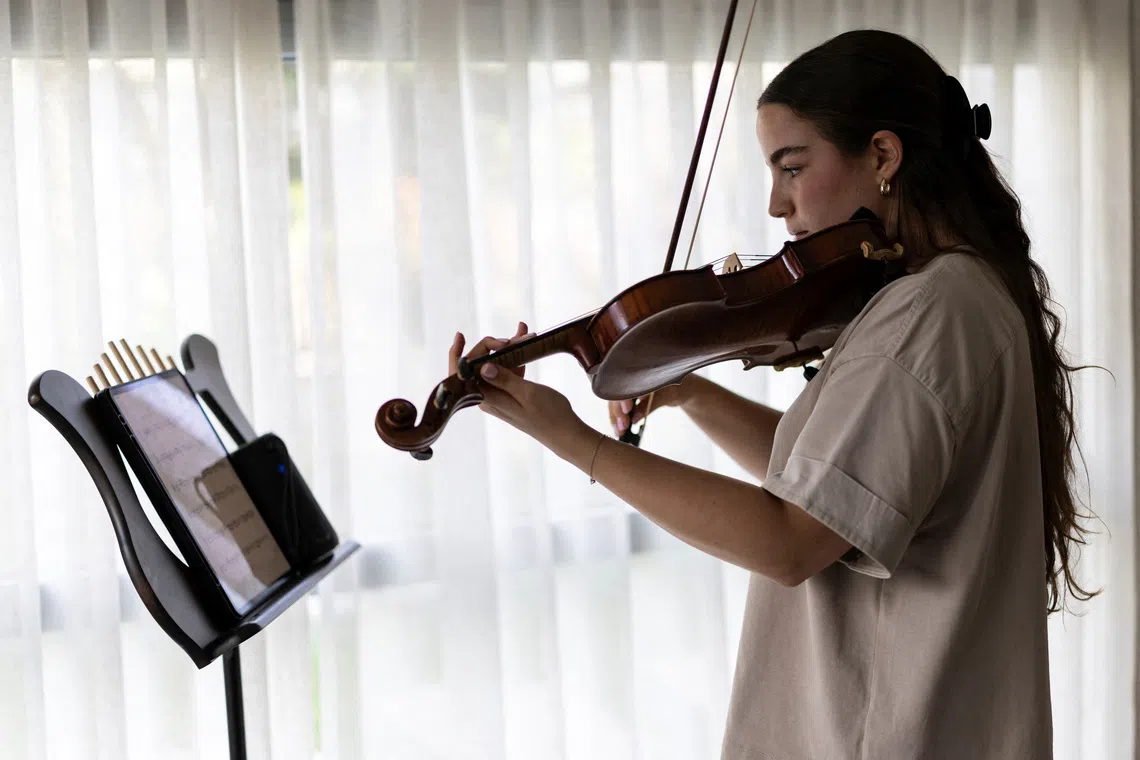
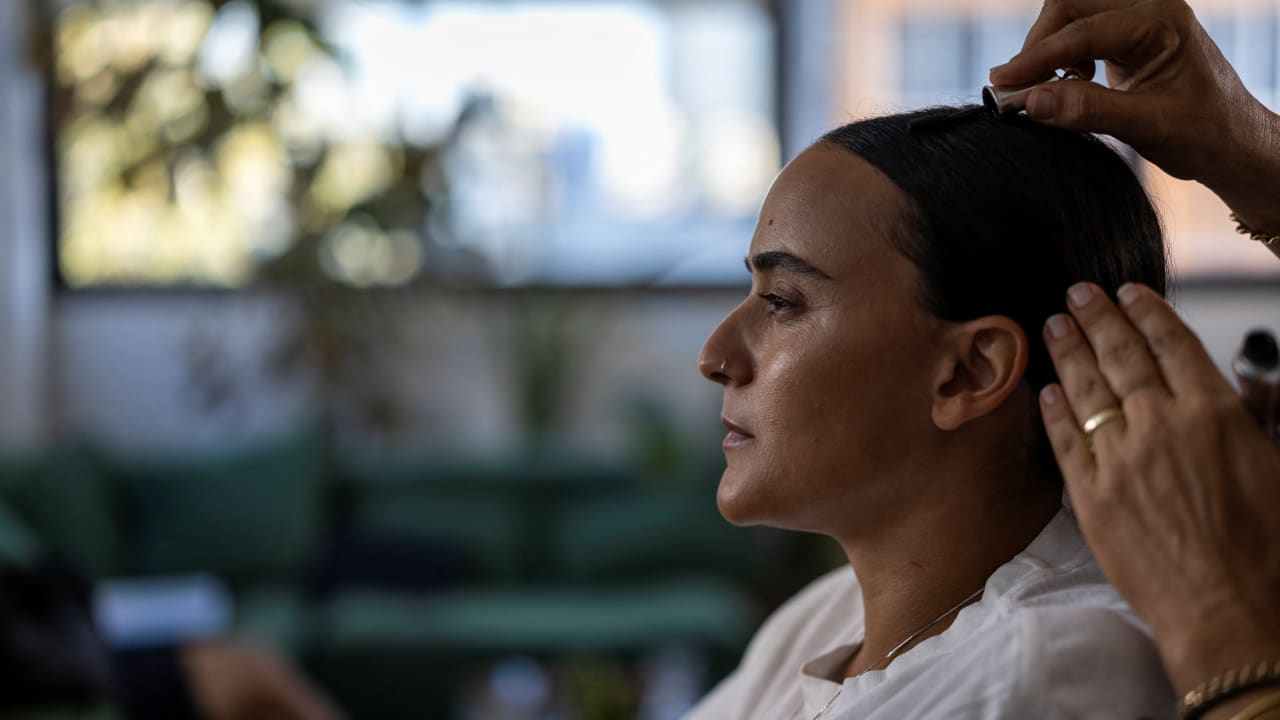
1 / 2
The story, neutrally told
Right · 2Reuters interviewed Israeli former hostages seized on October 7, 2023, who said they now cherish even the smallest moments of freedom. The Straits TimesRC “Israeli former hostages seized on October 7 say they now cherish even the smallest moments of freedom.” Read at The Straits Times ↗ The Jerusalem PostRC “Israeli former hostages seized on October 7 say they now cherish even the smallest moments of freedom.” Read at The Jerusalem Post ↗ Right · 2Reuters describes Hamas's attack as Israel's single deadliest day: militants killed 1,200 people and took 251 hostages to Gaza, among them civilians, soldiers, children, the elderly, Israelis and foreign nationals. The Straits TimesRC “killing 1,200 people and dragging 251 hostages back to Gaza.” Read at The Straits Times ↗ The Jerusalem PostRC “They included civilians, soldiers, men, women, children and elderly people, Israelis and foreign nationals.” Read at The Jerusalem Post ↗ Right · 2Most hostages were freed in return for Palestinian prisoners during ceasefires between Israel and Hamas, but dozens did not survive captivity. The Straits TimesRC “Most were freed in return for Palestinian prisoners during ceasefires between Israel and Hamas, but dozens did not survive.” Read at The Straits Times ↗ The Jerusalem PostRC “but dozens were killed in captivity.” Read at The Jerusalem Post ↗
Right · 2Emily Damari, 30, was abducted wounded from Kibbutz Kfar Aza and released in January 2025. She said freedom changed how she sees life and that she now thanks the world for small things, such as an open fridge or cold water. She has recently married and launched a clothing line in Israel. The Straits TimesRC “"Freedom has completely changed the way I see life," said Emily Damari, 30, who was abducted wounded from her home in Kibbutz Kfar Aza and released in January 2025.” Read at The Straits Times ↗ The Jerusalem PostRC “said Damari, who has recently married and launched a clothing line in Israel.” Read at The Jerusalem Post ↗ Right · 2Eli Sharabi, 54, was seized from Kibbutz Be'eri. His wife Lianne and daughters Noiya, 16, and Yahel, 13, were killed by the attackers, and his brother Yossi was taken hostage and killed in Gaza. Released in February 2025 after 491 days, he says he was held in a tunnel, hungry, shackled and beaten. The Straits TimesRC “In February 2025, Sharabi was released, appearing emaciated and skeletally thin, from 491 days of captivity which he says included being held in a tunnel, hungry, shackled and beaten.” Read at The Straits Times ↗ The Jerusalem PostRC “His brother Yossi was taken hostage and killed in Gaza.” Read at The Jerusalem Post ↗ Right · 2Sharabi helped establish the Shalva Sharabi Family Centre in Ashkelon with the disability charity Shalva, to treat families coping with trauma and disabilities, in memory of his lost family. He said: "I choose life." The Straits TimesRC “Since his release he has helped establish the Shalva Sharabi Family Centre in the southern city of Ashkelon” Read at The Straits Times ↗ The Jerusalem PostRC “"I choose life. I choose to keep living fully, while carrying Lianne, Noiya, Yahel and Yossi with me in everything I do."” Read at The Jerusalem Post ↗
Right · 2Hagar Brodutch, 43, was taken from Kfar Aza with her three children and a neighbour's daughter, and they were freed in a truce in November 2023. She said life after captivity is more complicated than sometimes portrayed and that the daily struggle is immense, especially for children. She has begun pastry classes as therapy and as a possible new profession. The Straits TimesRC “Life after captivity, she said, can be far more complicated than sometimes portrayed.” Read at The Straits Times ↗ The Jerusalem PostRC “"I chose pastry as a form of therapy, but also as a way to create something new for myself” Read at The Jerusalem Post ↗ Right · 2Aviva Siegel, 65, was kidnapped from Kfar Aza with her husband Keith. She was released in November 2023, while Keith was held until February 2025. She joined the campaign for the hostages' release, and says her family, her reunion with Keith and even strangers give her strength. She said she feels "very, very lucky to be alive." The Straits TimesRC “Aviva Siegel, 65, was kidnapped with her husband Keith. She was released in November 2023, but Keith was held until February 2025.” Read at The Straits Times ↗ The Jerusalem PostRC “"I feel very, very lucky to be alive."” Read at The Jerusalem Post ↗
Every sentence links to the reporting it rests on. The pill in front of each says where its sources sit: Left, Centre or Right when one side supplies at least half of them, Mixed when they are evenly split. The number is how many outlets it cites.
Left0 outlets
No left outlet in our sources has covered this story yet.
Centre0 outlets
No centre outlet in our sources has covered this story yet.
Right2 outlets
- Framing
- Both outlets run the same Reuters feature on survivors' gratitude and rebuilding, as the third anniversary of the attack approaches. The Jerusalem Post's headline stresses 'Choosing life'; the Straits Times' stresses that every moment is precious.
- Emphasis
- Personal resilience and gratitude, Sharabi's family centre, and Brodutch's remark that recovery is harder than often portrayed.
- Leaves out or plays down
- Neither piece covers the wider war, the hostages still in Gaza or the political debate; the focus stays on individual recovery.
- Charged language
- “terrorists”“every moment is now precious”
- For example
-
“For freed Israeli hostages, every moment is now precious” — The Straits Times
“Choosing life: Three years after being taken hostage, former Gaza hostages savor each moment” — The Jerusalem Post
“The terrorists rampaged through villages, a music festival and army bases” — The Jerusalem Post
What every side reports
- Hamas's October 7, 2023 attack killed 1,200 people and took 251 hostages to Gaza.
- Emily Damari was released in January 2025; Eli Sharabi in February 2025 after 491 days; Hagar Brodutch in November 2023; Aviva Siegel in November 2023.
- Eli Sharabi helped found a family centre in Ashkelon with the charity Shalva.
Aviva Siegel person
Siegel says her family, her reunion with her husband and the love she finds around her give her strength, and she feels lucky to be alive.
“"I feel very, very lucky to be alive."” — The Straits Times
“Aviva joined the hostage release campaign movement in Israel while her husband was still being held.” — The Jerusalem Post
Left0 articles
No coverage yet.
Centre0 articles
No coverage yet.
Right2 articles
-
The Straits TimesRC · · via Reuters
For freed Israeli hostages, every moment is now precious
Sympathetic Reuters feature carried by the Straits Times, presenting survivors' gratitude and gradual rebuilding in their own words.
-
Choosing life: Three years after being taken hostage, former Gaza hostages savor each moment
Sympathetic Reuters-bylined feature in the Jerusalem Post, with its own headline and subheads ('I choose life', 'Slowly building a future') and the word 'terrorists' for the attackers.
- 5 Oct 07:10 First The Straits TimesRC For freed Israeli hostages, every moment is now precious via Reuters
- 5 Oct 08:04 +54m The Jerusalem PostRC Choosing life: Three years after being taken hostage, former Gaza hostages savor each moment
Times are when each article was published, or when we first saw it if the outlet gave no time.