Frieze London art fair opens in Regent's Park with focus on British-based artists
Frieze London returns to Regent's Park. The Guardian profiles eight exhibiting artists, while fair director Eva Langret argues in the Evening Standard that London has no single style and its artists need year-round support.

1 / 2
The story, neutrally told
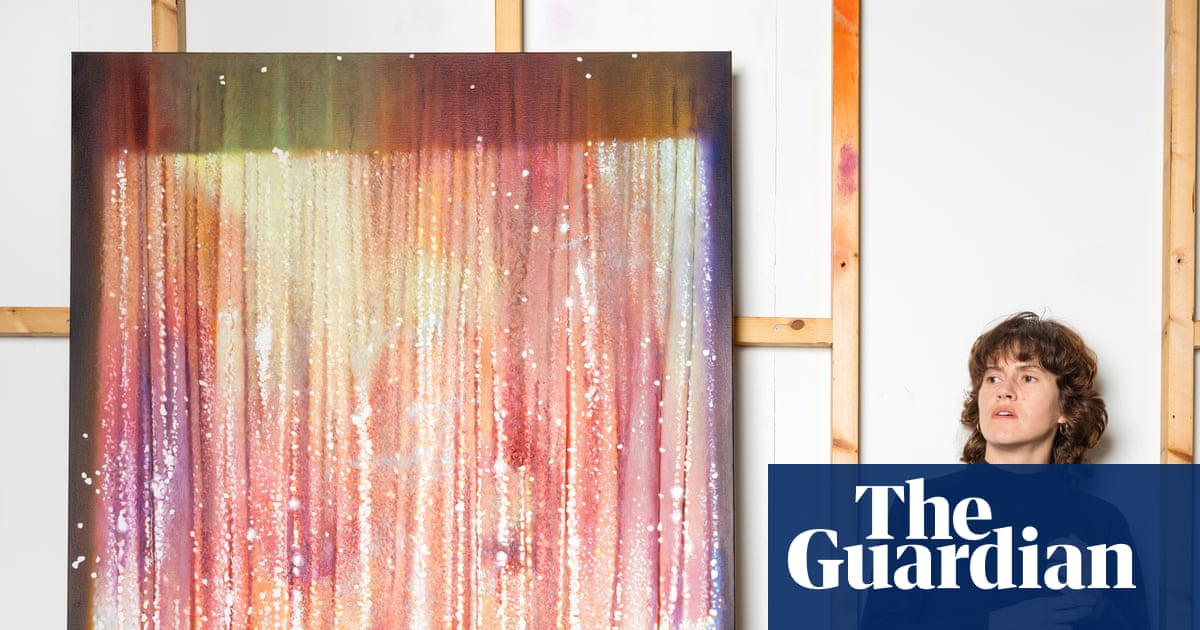
Mixed · 2The Frieze art fair, first held in 2003, returns to Regent's Park in London every October, and this year's edition brings international galleries and collectors to the city. The GuardianLC “First held in 2003, the Frieze art fair is a giant art supermarket that descends on Regent’s Park, London, every October.” Read at The Guardian ↗ Evening StandardN “Every October, the world’s art market arrives in London. Collectors fly in, international galleries take over Regent’s Park” Read at Evening Standard ↗ Left · 1The Guardian interviewed eight British-based exhibitors about their work, their career highlights, favourite artists and who they hope will buy their pieces. The GuardianLC “Here, eight British-based artists of the moment talk through what they’re showing.” Read at The Guardian ↗ Left · 1The artists described works including wall-based cast aluminium and bronze sculptures alluding to a crowd, painted wooden shipping crates drawing on Bangladeshi kheta stitching, a large charcoal drawing of two figures in a forest, a hip-hop-inspired head portrait, and a painting called Cathexia showing a face projected on a glitter curtain. The GuardianLC “They’re wall-based, but they allude to a crowd. They’re cast in aluminium and bronze”“The fish pictures are drawn from kheta stitching, a folk craft in rural Bangladesh.”“the painting’s called Cathexia” Read at The Guardian ↗
Left · 1Several artists said they hoped their work would go to someone who would look after it, with one hoping for an institutional buyer who would not flip it. The GuardianLC “So ultimately an institution [buying it] would be great but it needs to be somebody that will be responsible for it as my career grows, and not be flipping it.” Read at The Guardian ↗ Left · 1The Guardian describes the fair as a "giant art supermarket" and notes that some people detest it for its commercialism while others relish seeing so much contemporary art in one tent. The GuardianLC “Some detest it for its blatant commercialism, others relish it as the opportunity to see a mind-boggling amount of contemporary art in one enormous tent.” Read at The Guardian ↗ Centre · 1In an opinion piece in the Evening Standard, Frieze boss Eva Langret wrote that the UK is the world's second-largest art market and that London's strength lies in the meeting of different histories and cultures, so there is "no single London style". Evening StandardN “The UK is the world’s second-largest art market.”“There is no single London style. The city’s strength lies in the meeting of different histories, cultures and ways of thinking.” Read at Evening Standard ↗
Centre · 1Langret highlighted artists including George Rouy, Alex Margo Arden, Okiki Akinfe, Hettie Inniss, Rene Matić, Hannah Quinlan and Rosie Hastings, Marcus Jefferson and Ella Fleck, many trained at London art schools. Evening StandardN “George Rouy came from Sittingbourne to study at Camberwell College of Art in 2012”“Okiki Akinfe and Hettie Inniss were both born in London in 1999, studied at the Royal College of Art” Read at Evening Standard ↗ Centre · 1She said rising costs and the expense of art education make affordable studios, time and gallery support harder to access, and called on everyone who benefits from the London scene to help. Evening StandardN “London still offers those possibilities, but rising costs and the expense of art education make them harder to access.”“Everyone who benefits from London’s art scene has a part to play” Read at Evening Standard ↗ Centre · 1Langret said Frieze puts its Focus section, for galleries operating for 12 years or fewer, at the entrance, and that the Contemporary Art Society's Collections Fund at Frieze celebrates ten years of acquiring work for museums; Arden's prize-winning installation is now in the Arts Council Collection. Evening StandardN “We put Focus, our section for galleries operating for 12 years or fewer, at the entrance because discovery should be at the heart of what we do.”“Alex Margo Arden’s prize-winning installation is now in the Arts Council Collection” Read at Evening Standard ↗
Every sentence links to the reporting it rests on. The pill in front of each says where its sources sit: Left, Centre or Right when one side supplies at least half of them, Mixed when they are evenly split. The number is how many outlets it cites.
Left1 outlet
- Framing
- A lively artist-interview feature that treats the fair as a spectacle while noting the divide over its commercialism.
- Emphasis
- Artists' own voices, their works and who they hope will buy them.
- Leaves out or plays down
- Little on the fair's organisation, market size or the cost pressures facing artists.
- Charged language
- “giant art supermarket”“red-hot artists”“sprawling art jamboree”
- For example
-
“Some detest it for its blatant commercialism, others relish it as the opportunity to see a mind-boggling amount of contemporary art in one enormous tent.” — The Guardian
Centre1 outlet
- Framing
- An opinion piece by the fair's own director promoting London's art ecosystem and calling for year-round support for artists.
- Emphasis
- London's diversity, artists' careers in the city, rising costs, and Frieze's role in connecting artists with collections.
- Leaves out or plays down
- Does not mention criticism of the fair's commercialism; it is written by the organiser.
- Charged language
- “no single London style”
- For example
-
“For one week, London’s artists have the world’s attention.” — Evening Standard
Right0 outlets
No right outlet in our sources has covered this story yet.
What every side reports
- Frieze London takes place in Regent's Park every October.
- The fair showcases British-based and London-trained contemporary artists.
- Selling art to buyers is central to the fair.
Eva Langret person
As Frieze's head, she presents the fair as a bridge between international collectors and London's year-round artist community, and urges support for emerging artists.
“Frieze brings international collectors and curators into contact with that year-round scene” — Evening Standard
Left1 article
-
Pine cones, glitter and a hip-hop head for sale: red-hot artists reveal their Frieze stunners
Celebratory Q&A feature letting eight artists describe their work, with a wry nod to the fair's commercialism.
Centre1 article
-
Evening StandardN · · Opinion
OPINION - Frieze boss Eva Langret: ‘There is no single London style of art’
Sympathetic Organiser's op-ed championing London's artists and urging support for them beyond the fair week.
Right0 articles
No coverage yet.
- 12 Oct 05:00 First The GuardianLC Pine cones, glitter and a hip-hop head for sale: red-hot artists reveal their Frieze stunners
- 15 Oct 11:57 +78h 56m Evening StandardN OPINION - Frieze boss Eva Langret: ‘There is no single London style of art’ Opinion
Times are when each article was published, or when we first saw it if the outlet gave no time.
Ask about this story
Loading…