SPD, Greens and Die Linke agree Mecklenburg-Western Pomerania coalition, excluding AfD
Three German parties agreed on 10 November to form a centre left-led government in Mecklenburg-Western Pomerania, keeping the AfD out despite its first place. Separately, Die Linke's coalition talks in Berlin are shadowed by controversy over Israel.
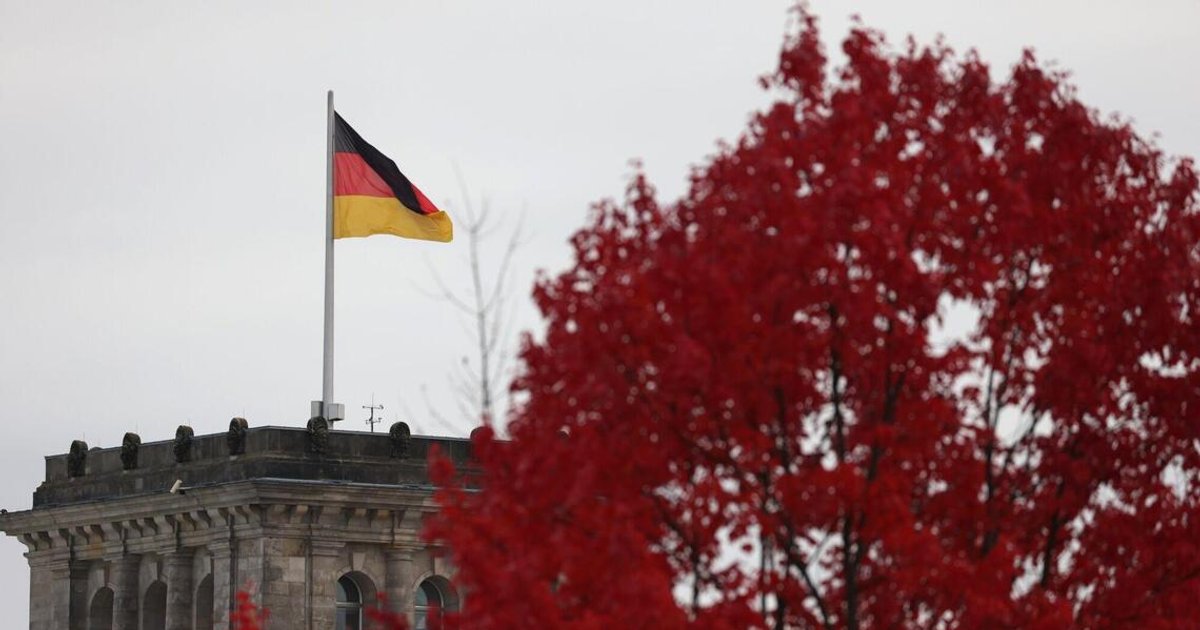
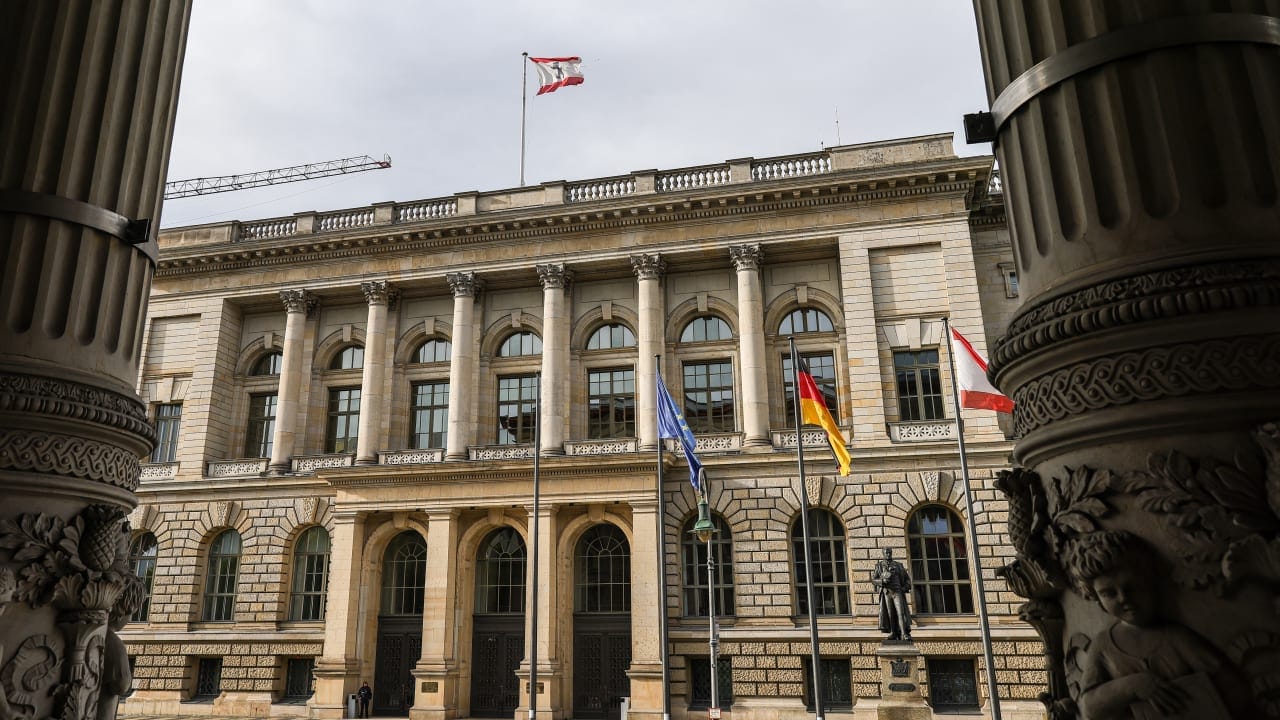
1 / 2
The story, neutrally told
Right · 1On 10 November the centre-left SPD, the Greens and the far-left Die Linke agreed to form a coalition government in the north-eastern state of Mecklenburg-Western Pomerania, after several weeks of talks (AFP, carried by The Straits Times). The Straits TimesRC “Three German parties agreed on Nov 10 to form a centre left-led coalition government in a northeastern state, keeping the AfD out of power despite the far-right party having topped regional polls.” Read at The Straits Times ↗ Right · 1The AfD came first in the September state election with 38% of the vote, while the SPD came second; Chancellor Friedrich Merz's CDU had its worst-ever result there and failed to enter parliament. The Straits TimesRC “came first with 38% of the vote in the state. Merz’s CDU party scored its worst-ever election result and failed to enter parliament.” Read at The Straits Times ↗ Right · 1State Premier Manuela Schwesig announced the deal in the capital Schwerin, reportedly saying: "The negotiations were tough, and mostly ran late into the night." The Straits TimesRC ““The negotiations were tough, and mostly ran late into the night,” State Premier Manuela Schwesig reportedly said, as she announced the agreement in state capital Schwerin.” Read at The Straits Times ↗
Right · 1AFP says Germany's mainstream parties have long kept a "firewall" policy to keep the far right out of power. It adds that the AfD, which leads national polls, hopes soon to form its first regional government in Saxony-Anhalt, where it won 44% in September. The Straits TimesRC “Germany’s mainstream political parties have long maintained a so-called “firewall” policy that aims to keep the far right out of power”“the AfD hopes to soon form its first regional government, in Saxony-Anhalt, another part of the former communist east, after winning 44% of the vote there in September.” Read at The Straits Times ↗ Right · 1AFP describes the September regional elections as a bad result for Merz's conservatives, fuelling speculation that his party may try to oust him. Merz has vowed not to quit and to keep his coalition with the SPD together for the sake of Germany's "democratic future". The Straits TimesRC “Despite the defeats in the regional polls, Merz has vowed not to quit and insisted he would keep his ruling coalition together for the sake of Germany’s “democratic future”.” Read at The Straits Times ↗ Right · 1In Berlin, a separate state-level process is under way. The Jerusalem Post reports that Die Linke won the 20 September election there with 25.7% and 45 of 153 seats, and that it is struggling to form a coalition with the SPD and Greens. The Jerusalem PostRC “Germany's left-wing Die Linke party, which won Berlin's parliamentary elections on September 20, is struggling to form a coalition with the Social Democrats and Greens”“winning 25.7% of the vote and 45 of the 153 seats” Read at The Jerusalem Post ↗
Right · 1The Jerusalem Post cites controversies over anti-Israel statements by party figures and activists: a rapper's "Death to the IDF" chants at an August campaign event, activist Hannah Bruns' remarks about Tel Aviv, and newly elected lawmaker Vanessa Emde's refusal to retract her statement that "States do not have a right to exist." The party leadership distanced itself from the event and condemned the youth-group messages, and demanded that Emde give up her seat. An application to expel Bruns has been submitted, and she rejects the allegations. The Jerusalem PostRC “Rapper Dahabflex performed before party supporters, delivering a song that included the chants "Death to the IDF" and "Yalla, yalla, intifada."”“The party leadership demanded that she give up her parliamentary seat, but she refused.”“An application to expel Bruns from the party has been submitted. She rejects the allegations against her” Read at The Jerusalem Post ↗ Right · 1It also reports links between party figures and a clan figure, which led Bundestag member Ferat Koçak to resign from the Interior Committee; the party denies organisational ties to organised crime. The Jerusalem PostRC “Koçak apologized for his conduct and resigned from his position on the Bundestag's Interior Committee.”“The party denies having organizational ties to organized crime.” Read at The Jerusalem Post ↗ Right · 1According to reports in Germany cited by the paper, the SPD and Greens have made Emde's removal from the parliamentary faction a condition for a coalition. Exploratory talks were suspended in October and resumed after the parties agreed a document on combating antisemitism and recognising Israel's right to exist. Formal negotiations began on 2 November, and the three parties, which together hold 91 seats, aim to finish in early January. The Jerusalem PostRC “According to reports in Germany, the Social Democrats and Greens have made her removal from the faction a condition for forming the coalition.”“formal coalition negotiations began on November 2.Together, the three parties hold 91 seats and intend to finalize an agreement in early January.” Read at The Jerusalem Post ↗
Right · 1Die Linke says it condemns antisemitism and Hamas and recognises Israel's right to exist, while accusing Israel of genocide in Gaza. The Jerusalem Post notes that the party's success is largely attributed to Berlin's housing crisis rather than necessarily to its positions on the Israeli-Palestinian conflict. The Jerusalem PostRC “Die Linke itself emphasizes that it condemns antisemitism and Hamas and recognizes Israel's right to exist, even as it accuses Israel of committing genocide in Gaza.”“The party's electoral success is largely attributed to Berlin's housing crisis and high rental costs” Read at The Jerusalem Post ↗
Every sentence links to the reporting it rests on. The pill in front of each says where its sources sit: Left, Centre or Right when one side supplies at least half of them, Mixed when they are evenly split. The number is how many outlets it cites.
Left0 outlets
No left outlet in our sources has covered this story yet.
Centre0 outlets
No centre outlet in our sources has covered this story yet.
Right2 outlets
- Framing
- Two right-leaning outlets cover different states. The Straits Times runs AFP copy on the Mecklenburg-Western Pomerania deal as a firewall against the AfD and a setback for Merz. The Jerusalem Post focuses on Die Linke's Berlin coalition talks through controversies over Israel, antisemitism and organised-crime links.
- Emphasis
- The Straits Times stresses AfD strength and Merz's weakness; the Jerusalem Post stresses anti-Israel statements and the demands made on Die Linke by prospective partners.
- Leaves out or plays down
- The Straits Times does not mention Berlin or Die Linke's Israel controversies. The Jerusalem Post does not mention the Mecklenburg-Western Pomerania deal, even though Die Linke is a partner there.
- Charged language
- “far-left”“left-wing”“anti-Israel controversy”“Death to the IDF”
- For example
-
“the centre-left SPD, which came second, the Greens and far-left Die Linke announced they had struck a deal” — The Straits Times
“amid a series of controversies involving extreme anti-Israel statements, links between party activists and Hamas supporters and criminal clans” — The Jerusalem Post
What every side reports
- The SPD, Greens and Die Linke are the parties involved in the state-level coalition efforts covered by both outlets.
- Merz's CDU performed badly in the September 2026 state elections, and Merz is chancellor.
- Germany's mainstream parties exclude the far-right AfD from government.
Where accounts differ
-
What the coalition news chiefly shows about Die Linke
- Right
- The Straits Times (AFP) presents the Mecklenburg-Western Pomerania deal as a mainstream firewall holding against the AfD. The Jerusalem Post presents Die Linke in Berlin as a coalition partner whose anti-Israel controversies threaten a deal.
Die Linke party
Die Linke is a partner in the Mecklenburg-Western Pomerania coalition (per AFP). In Berlin it says it condemns antisemitism and Hamas and recognises Israel's right to exist, while accusing Israel of genocide in Gaza; the party denies organisational ties to organised crime.
“Die Linke itself emphasizes that it condemns antisemitism and Hamas and recognizes Israel's right to exist, even as it accuses Israel of committing genocide in Gaza.” — The Jerusalem Post
Alternative for Germany party
Described as an anti-immigration, Russia-friendly party that leads national polls, topped the Mecklenburg-Western Pomerania vote with 38%, and hopes to form its first regional government in Saxony-Anhalt. It is excluded from the new state coalition.
“The anti-immigration, Russia-friendly AfD, which leads in nationwide opinion polls, came first with 38% of the vote in the state.” — The Straits Times
Berlin place
Berlin's election was won by Die Linke with 25.7%, and coalition talks with the SPD and Greens began formally on 2 November, with an agreement targeted for early January.
“formal coalition negotiations began on November 2.” — The Jerusalem Post
East and Southeast Asia1 outlet
The Straits Times carries AFP's report on German domestic politics, centred on the AfD firewall and Merz's position.
“keeping the AfD out of power despite the far-right party having topped regional polls.” — The Straits Times
The Straits Times
Israel1 outlet
The Jerusalem Post views Die Linke's Berlin coalition through Israel-related controversies and Germany's stated commitment to Israel's security.
“The political upheaval comes against the backdrop of Germany's declared commitment to Israel's security.” — The Jerusalem Post
The Jerusalem Post
Left0 articles
No coverage yet.
Centre0 articles
No coverage yet.
Right2 articles
-
The Straits TimesRC · · via AFP
German left-wing parties to form state government, keeping AfD out
Neutral AFP wire copy: reports the coalition deal as the mainstream parties' firewall against the AfD, set against Merz's electoral troubles.
-
Germany's left-wing Die Linke struggles to form coalition as anti-Israel controversy swirls
Critical Presents Die Linke's Berlin coalition effort through anti-Israel and antisemitism controversies, quoting a commentator who says parts of the left legitimise hatred of Israel.
- 10 Nov 16:00 First The Straits TimesRC German left-wing parties to form state government, keeping AfD out via AFP
- 11 Nov 17:10 +25h 10m The Jerusalem PostRC Germany's left-wing Die Linke struggles to form coalition as anti-Israel controversy swirls
Times are when each article was published, or when we first saw it if the outlet gave no time.
Ask about this story
Loading…