German military bans commercially available Chinese drones from barracks, Spiegel reports
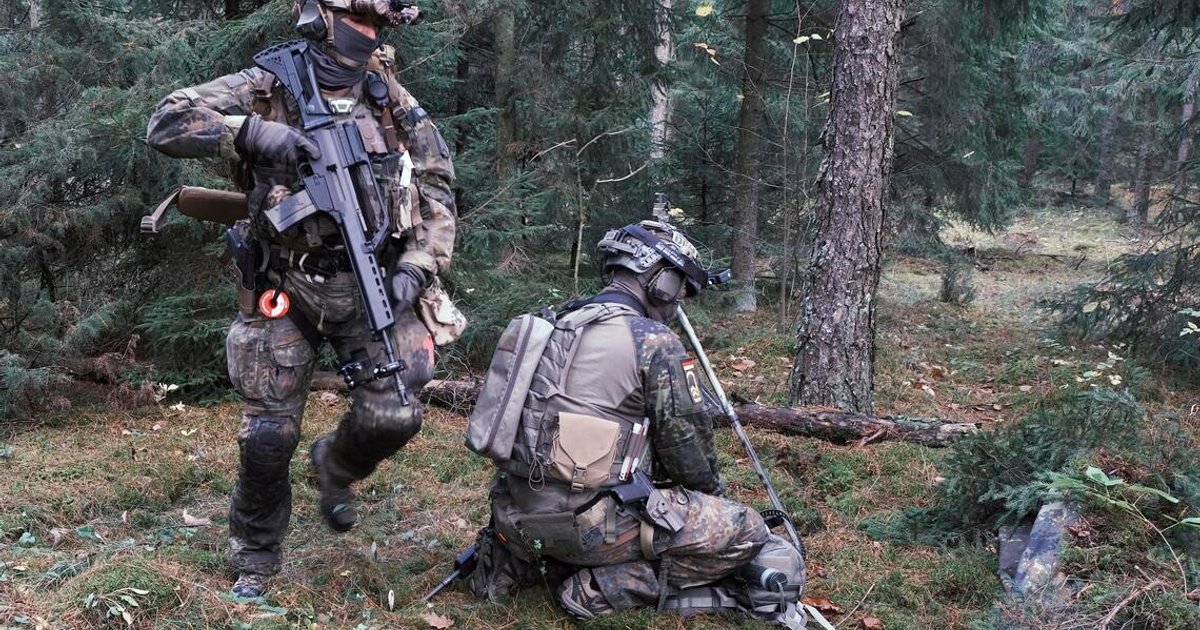
Der Spiegel reported that the Bundeswehr has banned commercially available Chinese-made drones, such as DJI models, from barracks and training grounds over data-security fears. Anadolu adds that the Defence Ministry confirmed the measure and that Chinese vehicles face restrictions.
Updated (version 2). New coverage since the last version from Arab News, The Guardian.
1 / 4
The story, neutrally told
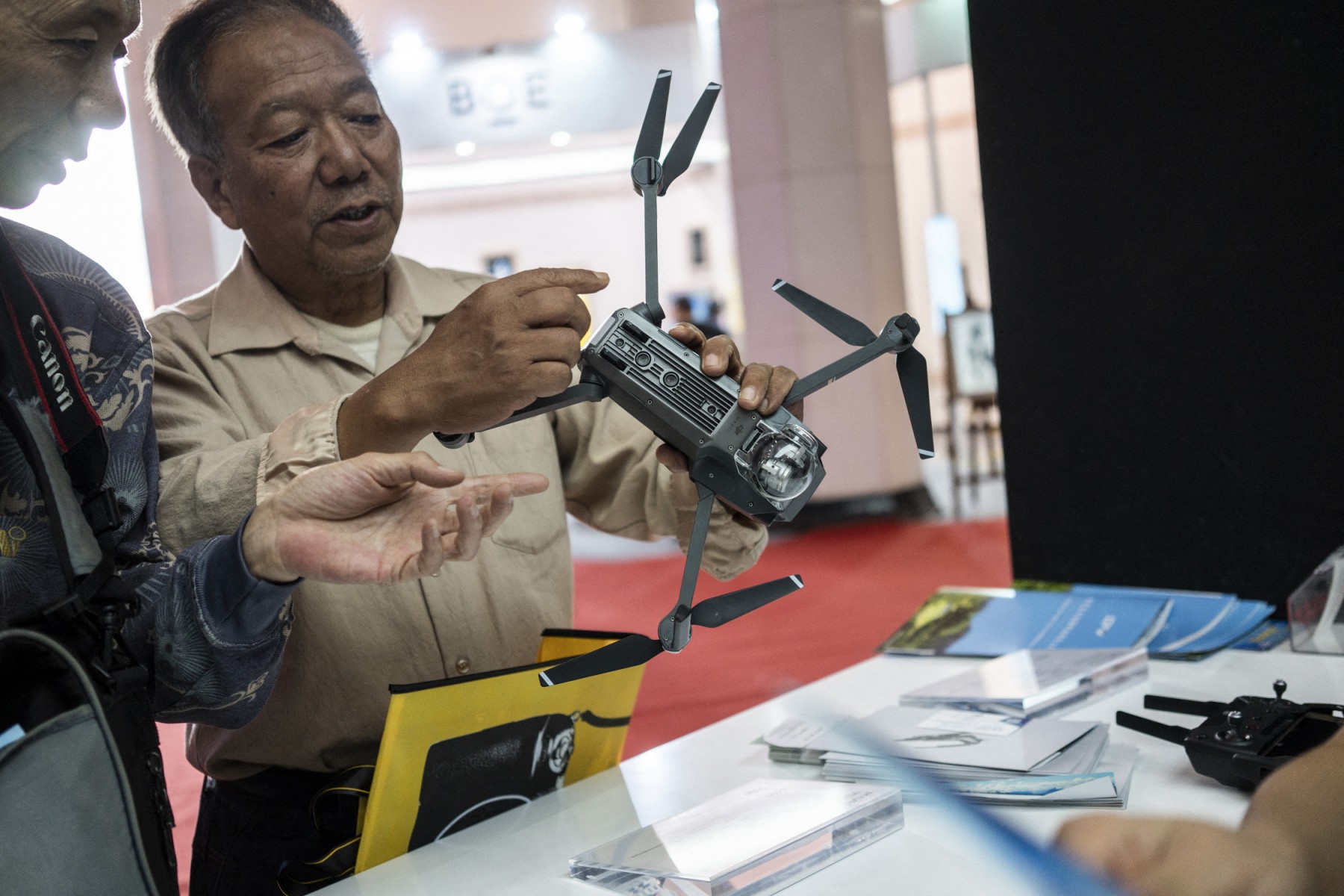
Mixed · 2Germany's military has banned commercially available Chinese-made drones from its barracks and training grounds, effective immediately, because of security concerns, Der Spiegel reported on 10 November. The Straits TimesRC “Germany’s military has banned commercially available Chinese-made drones from its barracks and training grounds, effective immediately, due to security concerns” Read at The Straits Times ↗ Anadolu AgencyN “Germany's military has banned commercially available Chinese-made drones and Chinese-made vehicles from its barracks and training grounds due to security concerns” Read at Anadolu Agency ↗ Mixed · 2According to Anadolu's account of the Spiegel report, an order was issued in recent weeks across the whole Bundeswehr to stop using all such drones from major Chinese manufacturers, including DJI. The drones are being taken out of service as quickly as possible. Anadolu AgencyN “an order was issued in recent weeks across the entire German Armed Forces (Bundeswehr) directing the immediate cessation of all use of commercially available drones” Read at Anadolu Agency ↗ The Straits TimesRC “are being withdrawn from service as quickly as possible” Read at The Straits Times ↗ Mixed · 2The Defence Ministry was not available for comment when Reuters first reported the story. Anadolu later said the ministry confirmed the measure: a spokesperson said the Bundeswehr will no longer use Chinese-made models and that existing systems will be replaced by products from Germany or other European countries. The Straits TimesRC “The Defence Ministry was not immediately available for comment outside regular business hours.” Read at The Straits Times ↗ Anadolu AgencyN “existing systems will be replaced by products from Germany or other European nations” Read at Anadolu Agency ↗
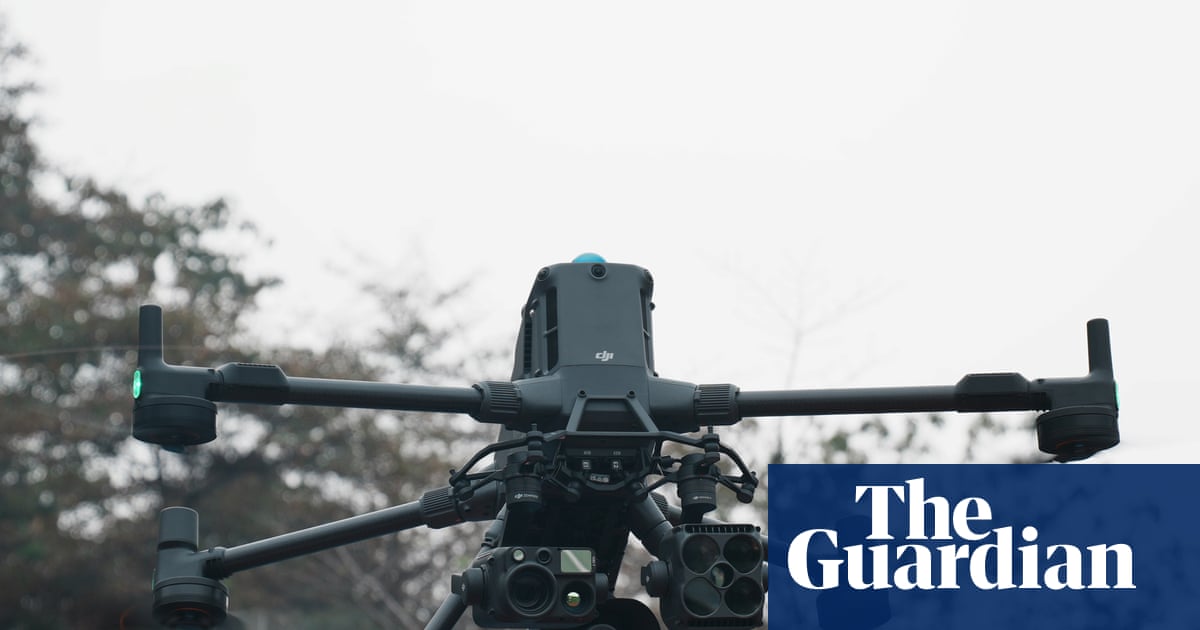
Right · 1AFP, carried by Arab News, reported on 11 November that the ministry itself said the ban covers use for training and that "Chinese-made models will no longer be used ... and existing systems will be replaced by products from domestic or, where applicable, European sources". The ministry cited data and IT security and the aim of strengthening the Bundeswehr's "self-sufficiency and technological sovereignty", and said the drones were cheap off-the-shelf models bought "with minimal bureaucratic effort". Arab NewsRC “The German military has banned the use of Chinese-made drones, including for training, and is replacing them with European models, the defense ministry said on Wednesday.”““To strengthen the Bundeswehr’s self-sufficiency and technological sovereignty, Chinese-made models will no longer be used for target or training purposes,” its statement said.” Read at Arab News ↗ Mixed · 2The drones were bought by military units in recent years with limited bureaucratic oversight. Local commanders could buy them under a 2024 drone strategy that included a "white list" of approved systems, several of them from DJI, the world's largest drone maker. The Straits TimesRC “Local commanders had been allowed to purchase them under a 2024 strategy that included a “white list” of approved systems” Read at The Straits Times ↗ Anadolu AgencyN “local commanders have been able to procure "commercially available, off-the-shelf systems" with minimal bureaucratic hurdles” Read at Anadolu Agency ↗ Mixed · 2Because there is no central record of which units bought which drones, the military has had to impose a blanket ban. The ministry declined to say how many were purchased, citing military security; insiders quoted by Anadolu estimate several thousand, including DJI Matrice M30T models. The Straits TimesRC “As there is no central record of purchases by individual units, the military has to impose a blanket ban” Read at The Straits Times ↗ Anadolu AgencyN “Insiders estimate that local commanders across the country have acquired several thousand such drones.” Read at Anadolu Agency ↗
Mixed · 2The concern is that the drones could transmit sensitive data to Chinese intelligence services, such as details of exercises, imagery of barracks and training grounds, or information on German weapons systems. Western military forces have grown increasingly worried that Chinese-made technology could send sensitive information to Beijing. Anadolu AgencyN “There is a fear that the drones could transmit sensitive data” Read at Anadolu Agency ↗ The Straits TimesRC “Western military forces have grown increasingly concerned that Chinese-made technology could pose a security risk” Read at The Straits Times ↗ Centre · 1Anadolu reports that the ministry had earlier defended the drones, saying they were used under strict protocols and only where no security-sensitive information was involved, for example in introductory pilot courses or as practice targets for counter-drone systems. Insiders had warned of a risk since the white list was drawn up. Anadolu AgencyN “Initially, the Defense Ministry argued that the operation of these drones within barracks and on training grounds was subject to strict protocols.”“Insiders had warned of a security risk as early as the creation of the white list.” Read at Anadolu Agency ↗ Centre · 1It is not known whether Chinese drones have actually been used to gather sensitive data. One insider told Spiegel there are concrete indications of espionage, and said the Military Counterintelligence Service (MAD) reportedly found forensic evidence of data "exfiltration" on examined drones. This is a single-source claim in the coverage. Anadolu AgencyN “It is not known whether there have already been instances in which Chinese drones were used to gather sensitive data.”“the Military Counterintelligence Service (MAD) is said to have discovered forensic evidence of data "exfiltration"” Read at Anadolu Agency ↗
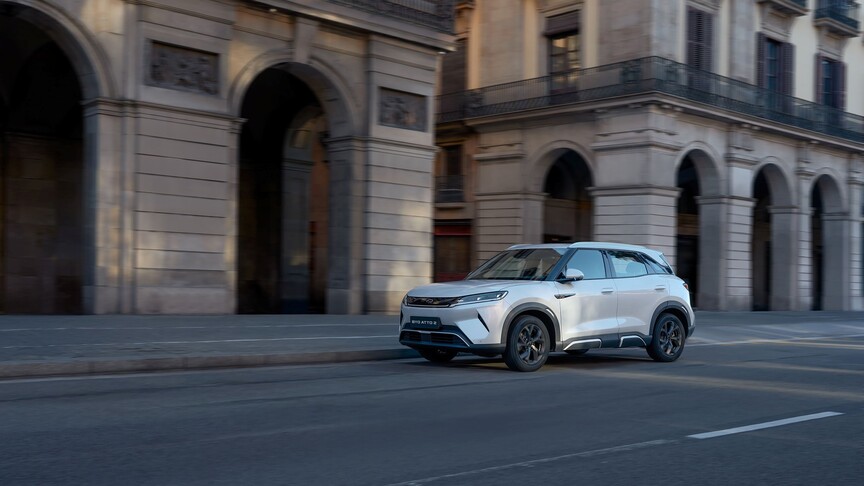
Centre · 1Anadolu also reports, citing Spiegel, that the Bundeswehr has restricted Chinese-made vehicles: lists circulating in the ranks name BYD, Geely and NIO models no longer allowed into secure zones, and soldiers who own them must park outside and walk in. It adds that Norway's armed forces found during the September "Hovedstad" exercise that Chinese-made rental cars had recorded security checks at a camp entrance. Anadolu AgencyN “Soldiers who own such vehicles must now park outside the barracks and proceed on foot.”“Chinese-made rental cars had been making such recordings” Read at Anadolu Agency ↗ Right · 1Reuters noted other recent bans: the US prohibited BYD vehicles on its air base on Okinawa in October, and Poland banned Chinese-made vehicles from military facilities in February. The Straits TimesRC “The US in October prohibited vehicles made by China’s BYD on its air base on Japan’s Okinawa island, and Poland in February banned Chinese-made vehicles from military facilities” Read at The Straits Times ↗ Left · 1The Guardian adds wider context: US Air Force spokesperson Lt Col Alli Stormer called BYD vehicles at Kadena an "unacceptable and unmitigable risk", though US officials have not identified a specific threat. The Dutch intelligence service warned in September about smart-car features being used to spy, and 14 MEPs, led by France's François Kalfon, last week asked the EU cybersecurity agency to assess BYD as a possible high-risk supplier. BYD said data cannot be remotely accessed from China and that it does not share such data with entities in China. The GuardianLC ““These vehicles present an unacceptable and unmitigable risk to our personnel and our mission.””“In written questions, 14 parliamentarians asked that the EU’s cybersecurity agency assess the level of threat and potentially include BYD on a list of high-risk suppliers.”““BYD Europe does not make such data available to BYD entities or third parties in China.”” Read at The Guardian ↗
Every sentence links to the reporting it rests on. The pill in front of each says where its sources sit: Left, Centre or Right when one side supplies at least half of them, Mixed when they are evenly split. The number is how many outlets it cites.
Left1 outlet
- Framing
- The Guardian treats the ban as one step in a widening Western effort to restrict Chinese smart technology, leading on the security worry and placing it beside vehicle bans and EU debate.
- Emphasis
- US Kadena BYD ban, Poland's vehicle ban, Dutch warning, MEPs' BYD request, BYD's denial and the 2018 US Huawei/ZTE ban.
- Leaves out or plays down
- Does not report the ministry's later confirmation, the insider espionage claims or the German vehicle restrictions.
- Charged language
- “unacceptable and unmitigable risk”
- For example
-
“American military officials have not identified a specific threat” — The Guardian
Centre1 outlet
- Framing
- Detailed account of the Spiegel report, covering both drones and cars, with the ministry's confirmation and an insider's espionage claims.
- Emphasis
- Espionage fears, MAD's reported forensic findings, estimated thousands of drones, vehicle restrictions and the Norwegian exercise incident.
- Leaves out or plays down
- Does not mention the US and Polish bans on Chinese vehicles.
- For example
-
“The Defense Ministry confirmed the security measure, with a spokesperson saying the Bundeswehr will no longer use Chinese-made models” — Anadolu Agency
Right2 outlets
- Framing
- Two short wire pieces: Reuters (Straits Times) leads on the Spiegel report and comparable vehicle bans; AFP (Arab News) leads on the ministry's own confirmation and shift to European models. This is agency wording, not the outlets' own framing.
- Emphasis
- Reuters: immediate ban, 2024 white list, no central record, US and Polish bans. AFP: the ministry's statement on data security and technological sovereignty.
- Leaves out or plays down
- Reuters copy has no ministry comment, insider estimates or espionage claims; AFP copy omits the white list, numbers and vehicle restrictions.
- For example
-
“The Defence Ministry was not immediately available for comment outside regular business hours.” — The Straits Times
“Citing the need for data and IT security, the ministry said that “Chinese-made models will no longer be used ...” — Arab News
What every side reports
- Der Spiegel reported that the Bundeswehr banned commercially available Chinese-made drones from barracks and training grounds over security concerns.
- The drones were bought by local units under a 2024 strategy with a white list that included DJI models.
- There is no central record of purchases, so a blanket ban was imposed.
- The drones are being withdrawn as quickly as possible.
Where accounts differ
-
Whether there is evidence of actual data leakage
- Centre
- Anadolu says it is unknown whether data was gathered, but relays an insider's claim that MAD found forensic evidence of data exfiltration.
- Right
- The Reuters copy carried by the Straits Times cites only general concern that Chinese technology could transmit data, with no evidence of actual leaks.
-
Germany's military has banned commercially available Chinese-made drones.
Reported- Reports 4
- The Guardian, Anadolu Agency, Arab News, The Straits Times
-
Because there is no central record of which units bought which drones, the military has imposed a blanket ban.
Reported- Reports 3
- The Guardian, Anadolu Agency, The Straits Times
-
The drones were bought by units with minimal bureaucratic oversight.
Reported- Reports 3
- The Guardian, Anadolu Agency, Arab News
Germany place
Per Anadolu, the Defence Ministry confirmed the measure, saying the Bundeswehr will no longer use Chinese-made models and will replace them with German or European products. It declined to give numbers, citing military security.
“The Defense Ministry confirmed the security measure” — Anadolu Agency
China place
No Chinese government or company response appears in the coverage. Reports cite intelligence findings that Chinese drone makers work closely with Chinese authorities.
“all Chinese drone manufacturers work in close cooperation with Chinese authorities” — Anadolu Agency
Left1 article
-
Germany reportedly bans Chinese drones at military bases over security concerns
Neutral Places the German ban in a series of Western restrictions on Chinese tech, with sourced context and a BYD response.
Centre1 article
-
German military bans Chinese drones and cars from barracks over security concerns: Report
Mixed Thorough relay of Spiegel's report that stresses espionage risk and insider claims of data exfiltration, with the ministry's confirmation.
Right2 articles
-
The Straits TimesRC · · via Reuters
Germany’s military bans commercially available Chinese drones, Spiegel reports
Neutral Reuters wire copy: a brief factual report of the ban, set in the context of other Western military bans on Chinese tech.
-
Arab NewsRC · · via AFP
German military bans Chinese-made drones: ministry
Neutral AFP copy centred on the ministry's confirmation and its stated reasons of data security and technological sovereignty.
- 10 Nov 19:33 First The Straits TimesRC Germany’s military bans commercially available Chinese drones, Spiegel reports via Reuters
- 10 Nov 22:22 +2h 48m Anadolu AgencyN German military bans Chinese drones and cars from barracks over security concerns: Report
- 11 Nov 09:41 +14h 7m The GuardianLC Germany reportedly bans Chinese drones at military bases over security concerns
- 11 Nov 10:16 +14h 43m Arab NewsRC German military bans Chinese-made drones: ministry via AFP
Times are when each article was published, or when we first saw it if the outlet gave no time.
Ask about this story
Loading…