Germany's cabinet approves sugar tax on soft drinks from July 2027
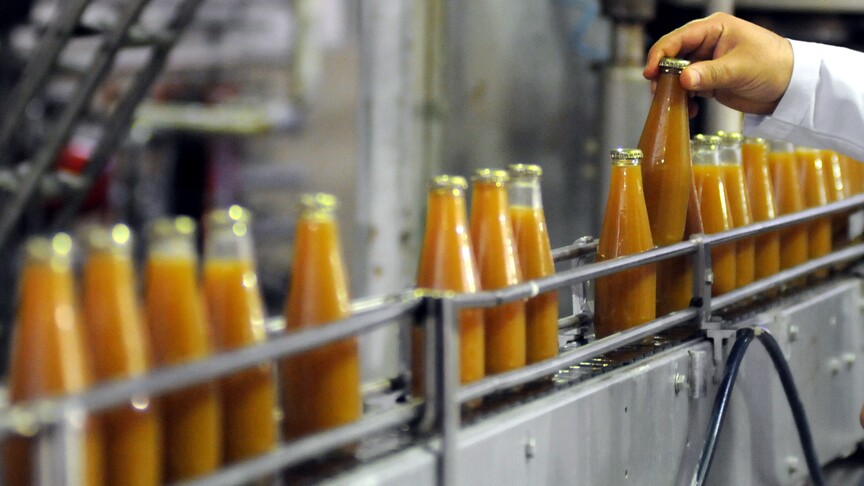
Germany's coalition agreed a tax on sugar-sweetened drinks from 1 July 2027, at 26 or 32 cents per litre depending on sugar content. The cabinet approved it alongside higher tobacco and spirits duties.
1 / 2
The story, neutrally told
Centre · 1Germany's governing coalition agreed to introduce a tax on sugar-sweetened beverages starting 1 July 2027, resolving differences that had delayed the measure, and the Finance Ministry confirmed this. Anadolu AgencyN “Germany’s governing coalition has agreed to introduce a tax on sugar-sweetened beverages starting July 1, 2027, resolving differences that had delayed the measure, the Finance Ministry confirmed.” Read at Anadolu Agency ↗ Mixed · 2Drinks with at least 5 grams of sugar per 100 millilitres face a levy of 26 cents per litre, rising to 32 cents per litre for those with 8 grams or more, according to a draft obtained by German outlet RND. Anadolu AgencyN “Drinks with at least 5 grams of sugar per 100 milliliters will face a levy of 26 cents per liter, rising to 32 cents per liter for those with 8 grams or more” Read at Anadolu Agency ↗ The IndependentLC “Products with higher sugar content would face a rate of €0.32 per litre.” Read at The Independent ↗ Mixed · 2The cabinet was expected to endorse the plan on Wednesday 14 October, and The Independent reports it signed off on the tax a day before the tobacco vote. Anadolu AgencyN “The Cabinet is expected to endorse the plan on Wednesday.” Read at Anadolu Agency ↗ The IndependentLC “A day before the tobacco vote, the cabinet signed off on a sugar tax on soft drinks from July 2027.” Read at The Independent ↗
Mixed · 2Finance Minister Lars Klingbeil of the centre-left SPD aims to raise federal revenue and encourage manufacturers to cut sugar content; officials project about €690 million in 2027 and €925 million in 2028. Anadolu AgencyN “Finance Minister Lars Klingbeil of the center-left SPD aims to raise revenue for the federal budget while encouraging manufacturers to reduce sugar content and offer healthier products.” Read at Anadolu Agency ↗ The IndependentLC “The finance ministry expects the levy to bring in €690 million in 2027 and €925 million in 2028.” Read at The Independent ↗ Centre · 1According to public broadcaster ARD, the Chancellery blocked Klingbeil's earlier proposal at the start of the month, as Chancellor Friedrich Merz faced pressure from CDU state-level officials who argued the levy was state intervention and would burden consumers. Anadolu AgencyN “The Chancellery blocked Klingbeil’s earlier proposal at the start of the month, according to public broadcaster ARD.”“would impose unnecessary costs on consumers” Read at Anadolu Agency ↗ Left · 1The Independent says the revenue will help offset cuts to federal health insurance subsidies, and the ministry estimates sugary drink consumption causes about €2.1 billion in healthcare costs a year. The IndependentLC “The revenue will help offset cuts to federal health insurance subsidies. The ministry estimates that sugary drink consumption results in annual healthcare costs of about €2.1 billion.” Read at The Independent ↗
Left · 1The tax is part of a wider package: lawmakers approved a sharp tobacco tax rise on Thursday expected to raise over €12 billion between 2027 and 2030, and duties on spirits, sparkling wine and alcopops are set to rise 20% from 2027, while beer and still wine are untouched. Opposition parties criticised the tobacco increase as a burden on consumers that could fuel the black market. The IndependentLC “Duties on spirits, sparkling wine and alcopops are also set to rise by 20% from 2027”“The measure is expected to raise more than €12 billion ($13.5 billion) for the state between 2027 and 2030.”“Opposition parties criticised the tobacco tax increase as an additional burden on consumers and warned it could fuel the black market.” Read at The Independent ↗ Centre · 1Anadolu notes that Germans consume far more sugar than the WHO recommends: the WHO advises up to 50 grams a day, preferably under 25, while German men average 78 grams and women 61. Anadolu AgencyN “Men in Germany consume an average of 78 grams a day and women 61 grams.” Read at Anadolu Agency ↗ Left · 1The Independent places the measures in a wider trend, noting Britain is tightening its sugar levy and France is raising tobacco taxes. The IndependentLC “Britain is tightening its sugar levy by lowering the threshold at which drinks become taxable and expanding its scope.” Read at The Independent ↗
Every sentence links to the reporting it rests on. The pill in front of each says where its sources sit: Left, Centre or Right when one side supplies at least half of them, Mixed when they are evenly split. The number is how many outlets it cites.
Left1 outlet
- Framing
- The Independent treats the sugar tax as one part of a broader rise in taxes on 'guilty pleasures', stressing public pushback and consumer burden.
- Emphasis
- Tobacco tax vote, alcohol duties, opposition criticism and comparison with Britain and France.
- Leaves out or plays down
- Does not mention the internal coalition and CDU dispute that delayed the sugar tax, or WHO sugar intake figures.
- Charged language
- “guilty pleasures”“hikes”“despite outcry”
- For example
-
“The measures target products often seen as affordable indulgences rather than necessities.” — The Independent
Centre1 outlet
- Framing
- Anadolu reports the sugar tax as a policy announcement, centred on rates, the start date, revenue projections and the internal coalition dispute.
- Emphasis
- Tax rates, Klingbeil's aims, the Chancellery's earlier block and CDU resistance, and German sugar consumption against WHO advice.
- Leaves out or plays down
- Does not mention the wider tobacco and alcohol package or opposition criticism.
- For example
-
“The Chancellery blocked Klingbeil’s earlier proposal at the start of the month, according to public broadcaster ARD.” — Anadolu Agency
Right0 outlets
No right outlet in our sources has covered this story yet.
What every side reports
- The sugar tax starts in July 2027 at 26 cents per litre for drinks with at least 5g sugar per 100ml and 32 cents for higher-sugar drinks.
- The finance ministry projects €690 million in 2027 and €925 million in 2028.
Germany place
The coalition government, via the Finance Ministry, presents the tax as raising revenue while promoting public health and reducing sugar in drinks.
“aims to raise revenue for the federal budget while encouraging manufacturers to reduce sugar content and offer healthier products” — Anadolu Agency
“Berlin hopes will generate billions of euros while promoting public health” — The Independent
Left1 article
-
European country hikes taxes on guilty pleasures despite outcry
Mixed Presents the sugar tax within a package of tax rises on tobacco, alcohol and sugary drinks, with a headline implying public outcry.
Centre1 article
-
Germany to introduce sugar tax on soft drinks
Neutral Straightforward news report on the coalition agreement, rates and revenue, with background on the political delay and health rationale.
Right0 articles
No coverage yet.
- 14 Oct 11:33 First Anadolu AgencyN Germany to introduce sugar tax on soft drinks
- 16 Oct 15:27 +51h 54m The IndependentLC European country hikes taxes on guilty pleasures despite outcry
Times are when each article was published, or when we first saw it if the outlet gave no time.
Ask about this story
Loading…