Godzilla Minus Zero reveals King Ghidorah as its main villain
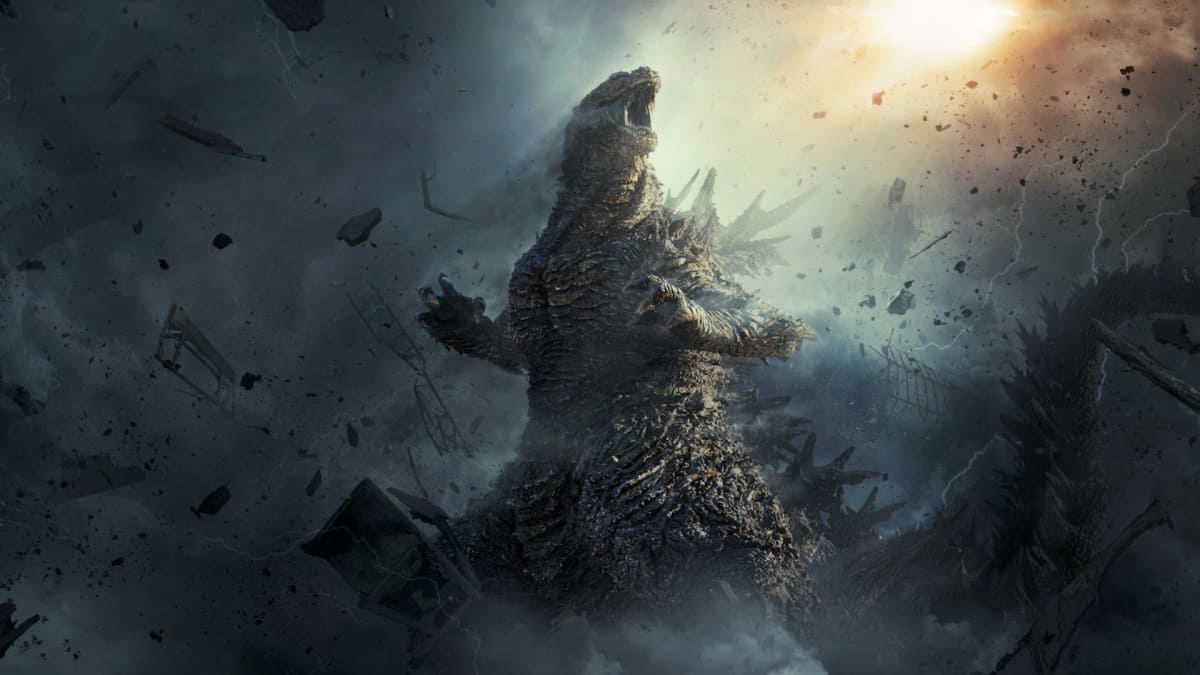
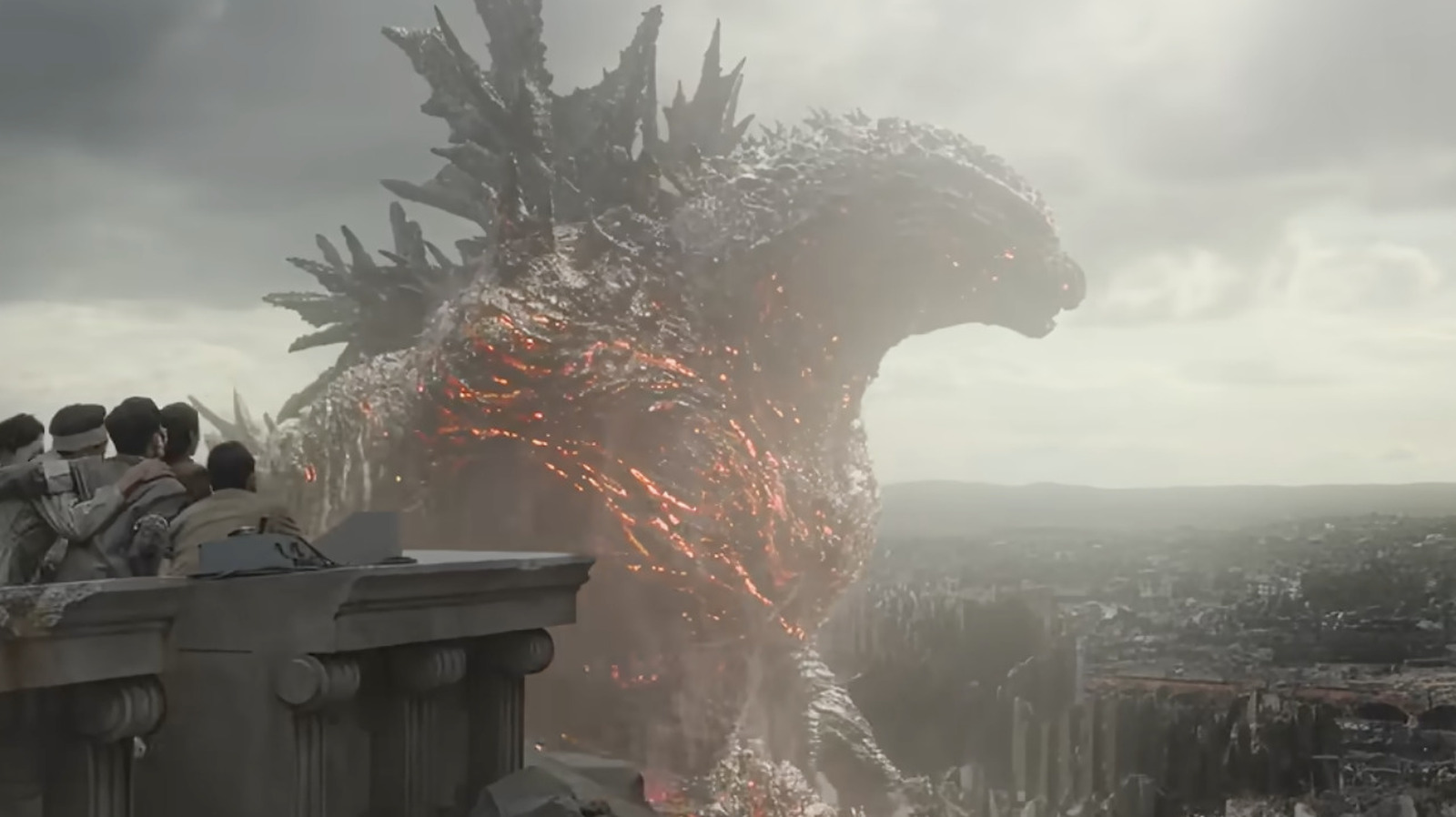
Godzilla Minus Zero, Takashi Yamazaki's follow-up to Godzilla Minus One, has officially revealed King Ghidorah as the monster Godzilla faces. Coverage from centre and left-leaning North American outlets now adds the director's comments, design and effects details, and praise for the film's human drama.
Updated (version 2). New coverage since the last version from IndieWire, The A.V. Club.

1 / 3
The story, neutrally told
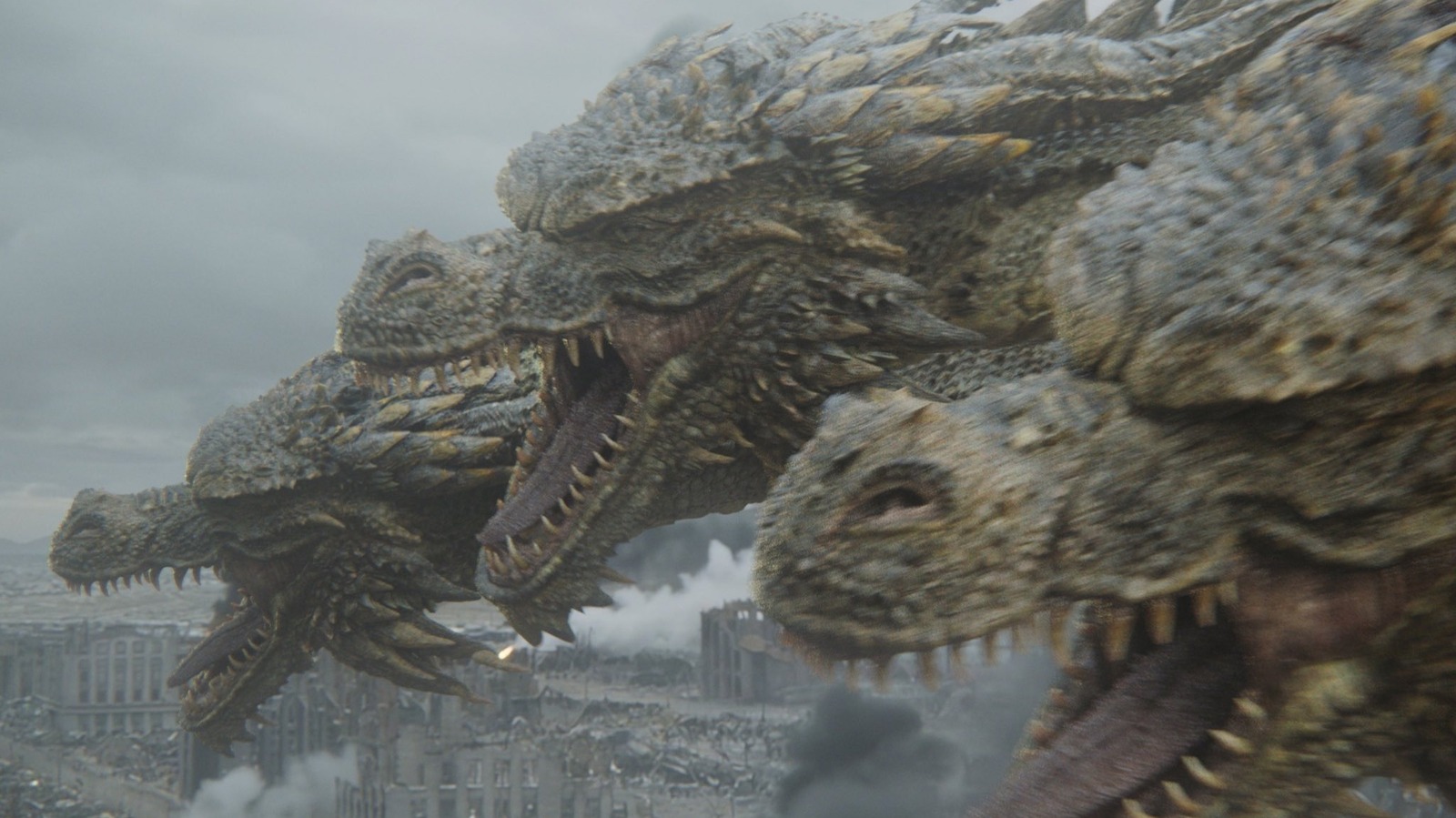
Centre · 1Godzilla Minus Zero has officially unveiled King Ghidorah, with Screen Rant reporting that the film "is bringing King Ghidorah to life". Screen RantN “Godzilla Minus Zero is bringing King Ghidorah to life.” Read at Screen Rant ↗ Centre · 1Screen Rant said a third official trailer for the film had been released and that the film is now playing in theaters nationwide and in IMAX. Screen RantN “The third official trailer for Godzilla Minus Zero has been released, and the film is now playing in theaters nationwide and IMAX.” Read at Screen Rant ↗ Centre · 1The film is directed by Takashi Yamazaki, who returned for a follow-up to his Oscar-winning "Godzilla Minus One". /FilmN “Director Takashi Yamazaki has returned with a follow-up to his Oscar-winning smash hit "Godzilla Minus One" in the form of "Godzilla Minus Zero."” Read at /Film ↗
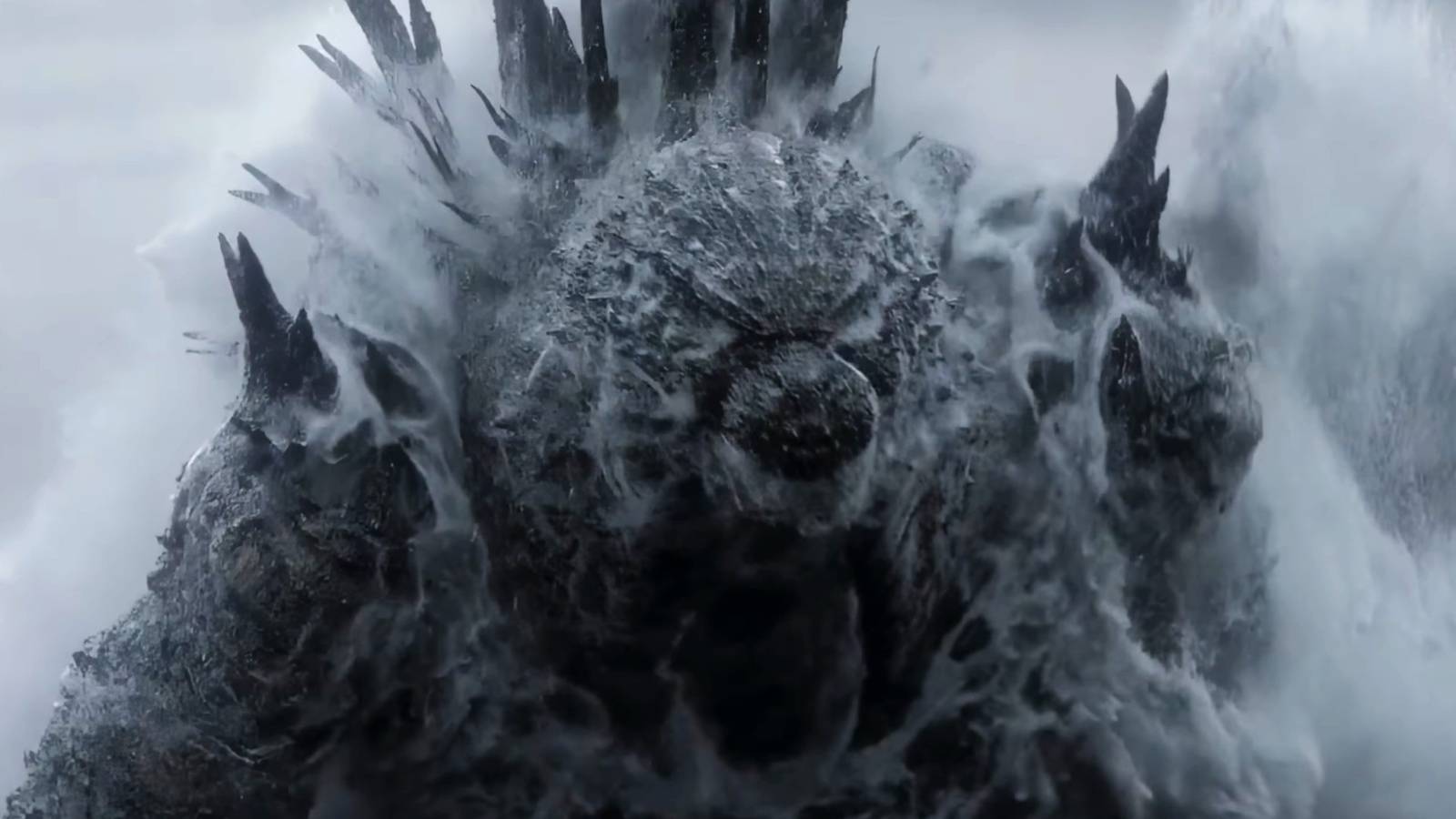
Centre · 1According to /Film, the King Ghidorah design leaked online through merchandise, even though Toho had tried to keep the monster's reveal secret from the public. /FilmN “The King Ghidorah design for "Godzilla Minus Zero" leaked online thanks to merchandise, despite Toho trying to keep the monster's reveal a secret from the viewing public.” Read at /Film ↗ Centre · 1/Film, in a spoiler-heavy piece, says the film is rated R, which lets Yamazaki show more destruction, and that its Ghidorah keeps the franchise's gold scaly skin, three heads and lightning bolts while gaining new abilities. /FilmN “"Godzilla Minus Zero" is rated R, and that allows Yamazaki to not hold back in terms of the destruction and chaos caused by this hulking beast.”“Ghidorah still shoots lightning bolts from his mouth, has that gold, scaly skin and those three dangerous heads, and remains massive.” Read at /Film ↗ Centre · 1/Film describes the plot: Ghidorah first appears as a one-headed, dragon-like creature and arrives on Earth by meteor; after Japan bombs and impales a dormant Ghidorah so lightning strikes it, it evolves into its familiar form, with gravity beams that lift towns into the sky and drop them. /FilmN “The very first scene of the movie shows us Ghidorah in a new form, namely what looks, for all intents and purposes, like a dragon with just one head.”“The biggest change is his horrifying ability to use gravity beams, literally lifting towns into the sky and dropping them down to Earth.” Read at /Film ↗
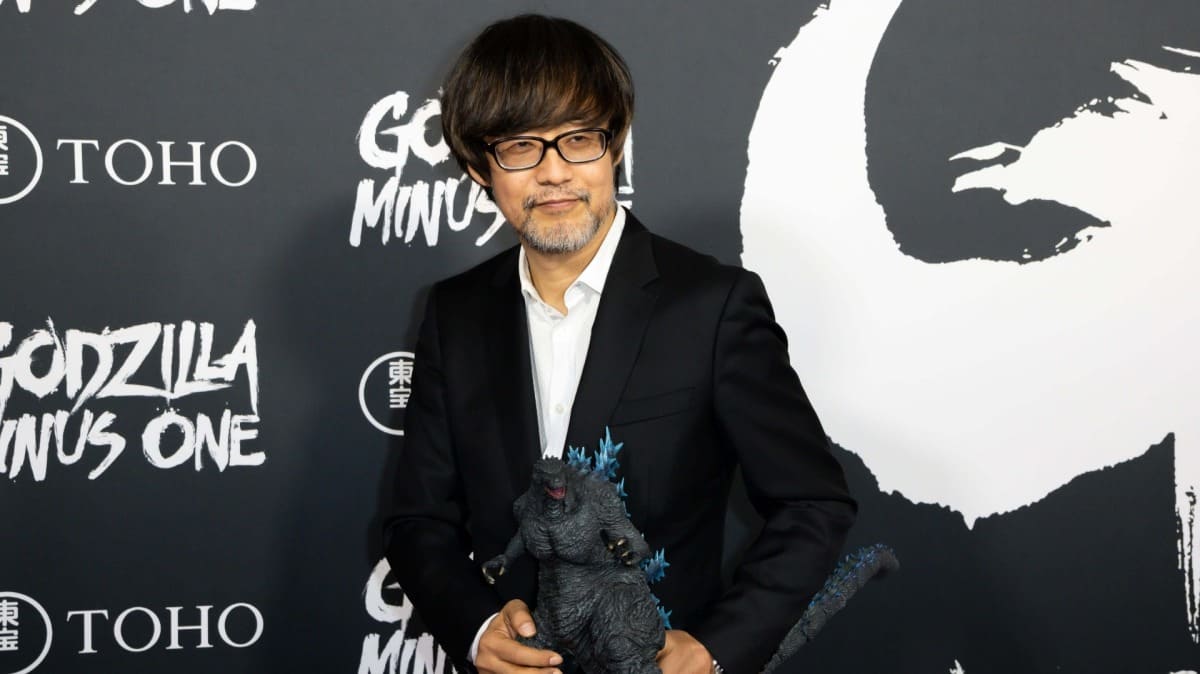
Centre · 1In the climax, humans force Godzilla into a fight with Ghidorah, and Godzilla wins by blowing Ghidorah to pieces, though the ending leaves the franchise's direction open, per /Film. /FilmN “Godzilla wins by blowing Ghidorah to pieces, but it isn't easy. The ending of "Godzilla Minus Zero" doesn't make it clear where the franchise goes from here, but it does leave some doors open.” Read at /Film ↗ Centre · 1/Film places the monster in franchise history: King Ghidorah first appeared in 1964's "Ghidorah, the Three-Headed Monster" and has returned in later eras, including 1991's "Godzilla vs. King Ghidorah", 2001's "Godzilla, Mothra and King Ghidorah: Giant Monsters All-Out Attack" and the MonsterVerse's 2019 "Godzilla: King of the Monsters". /FilmN “King Ghidorah first appeared on-screen in 1964's "Ghidorah, the "Three-Headed Monster," one of the best "Godzilla" movies of all time.”“He later appeared in the Millennium era in 2001's chaotic "Godzilla, Mothra and King Ghidorah: Giant Monsters All-Out Attack" and in the MonsterVerse in 2019's "Godzilla: King of the Monsters."” Read at /Film ↗ Centre · 1Director Takashi Yamazaki, who grew up in Matsumoto, said Ghidorah's destruction of that city fulfilled a 55-year-old dream, telling Reuters (as quoted by /Film) he made "the footage that I wanted to show my younger self". /FilmN “Yamazaki grew up in the Japanese city of Matsumoto.”“I created the footage that I wanted to show my younger self” Read at /Film ↗
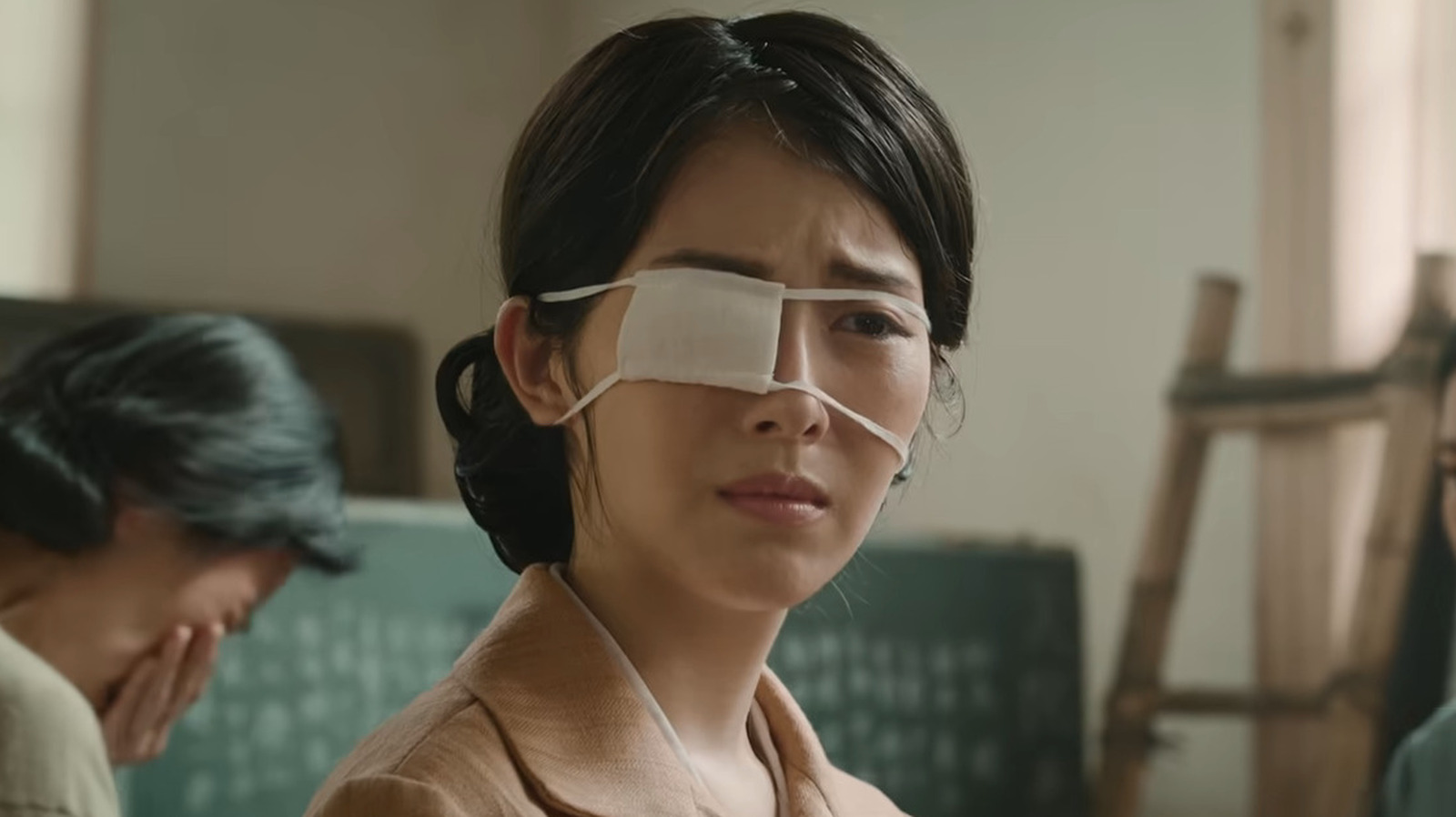
Centre · 1/Film says the film picks up two years after "Minus One" and explains how Noriko (Minami Hamabe) survived the earlier film: Godzilla's G cells were infused into several survivors, giving them regenerative properties, though every other infected person died as scaly growths spread, and the cells are later used to lure Godzilla to the final battle. /FilmN “The explanation? Godzilla's G cells were infused into several survivors.”“Those G cells are later used to help lure Godzilla to the final battle with King Ghidorah” Read at /Film ↗ Centre · 1Screen Rant says the fight with Ghidorah showed a new side of Godzilla: his rapid regeneration became a combat tactic, as he tore off his own arm to escape a severed Ghidorah head and cut off a head with the dorsal fins on his tail, which Screen Rant calls a franchise first. Screen RantN “Godzilla decapitating an enemy with the sharp dorsal fins on his tail is most certainly a franchise first.”“Godzilla simply yanked off his own arm.” Read at Screen Rant ↗ Left · 1IndieWire, citing producer Kazuaki Kishida and visual effects artist Tatsuji Nojima, says this Ghidorah was designed to feel close and threatening, drawing on Yamazaki's 2021 "Godzilla the Ride" attraction at Seibuen Amusement Park, and that Nojima based its destruction beam on how lightning lingers as plasma. IndieWireLC “Yamazaki was tapped to design “Godzilla the Ride” at Seibuen Amusement Park”“visual effects artist Tatsuji Nojima did more research than even he thought he could do on how lightning visualizes itself.” Read at IndieWire ↗
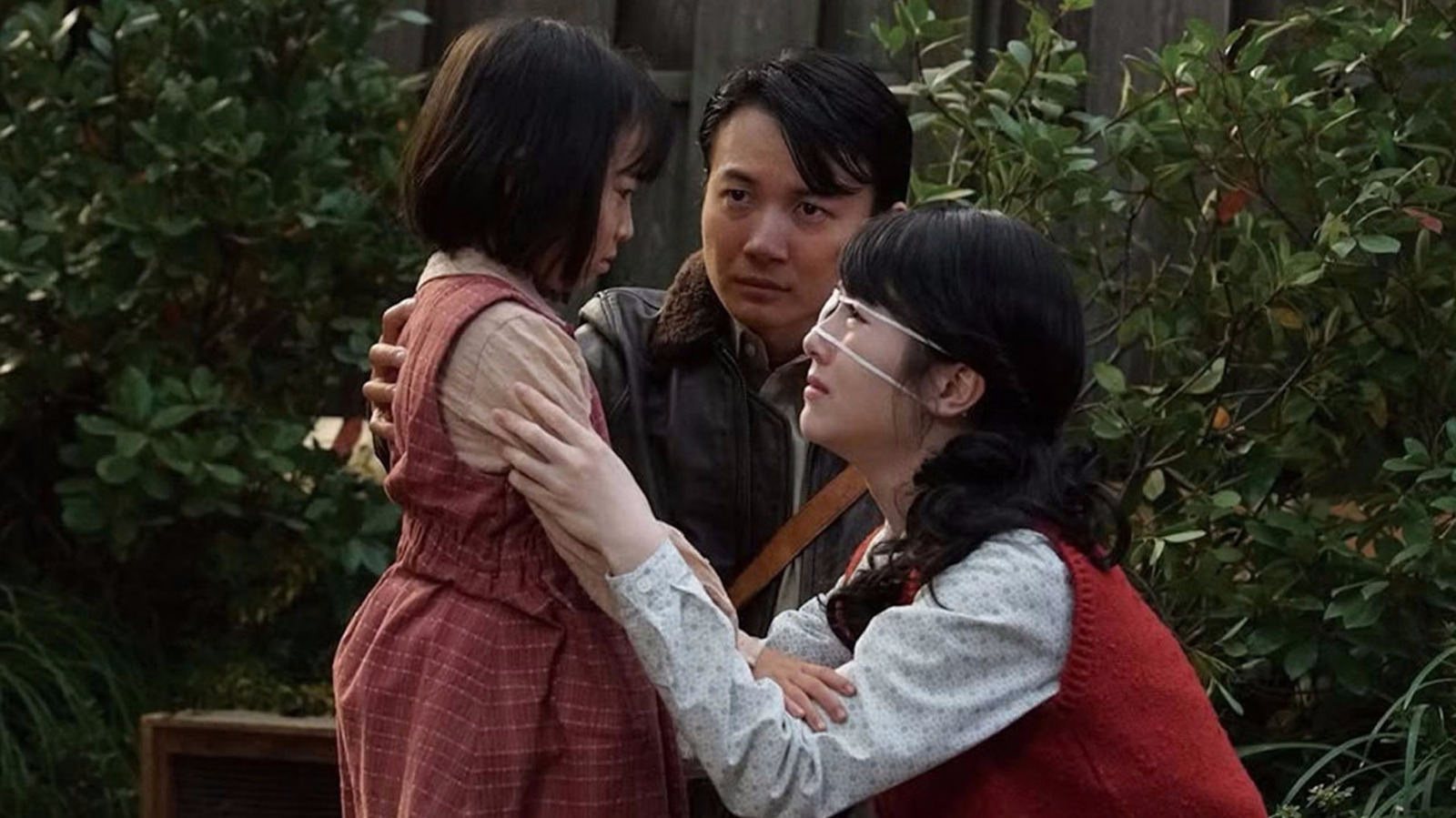
Mixed · 2Critics at the A.V. Club and /Film argue the film keeps its human drama central: the A.V. Club calls it the first Godzilla sequel to stay serious and make a critical point despite adding monsters, citing Hiroshima flashbacks and civilian deaths, while /Film says it avoids the franchise's common weakness of sidelined human characters. The A.V. ClubLC “This is the first time that a Godzilla sequel has maintained a sense of seriousness and made a critical point.” Read at The A.V. Club ↗ /FilmN “Even the MonsterVerse films have fallen prey to the common criticism that the human characters are second-rate.” Read at /Film ↗
Every sentence links to the reporting it rests on. The pill in front of each says where its sources sit: Left, Centre or Right when one side supplies at least half of them, Mixed when they are evenly split. The number is how many outlets it cites.
Left2 outlets
- Framing
- The A.V. Club and IndieWire treat the film as a serious craft and thematic achievement: the A.V. Club argues it is the first Godzilla sequel to add monsters yet keep its gravity, while IndieWire explains how Ghidorah was designed and animated.
- Emphasis
- Themes (postwar Japan, nuclear weapons, Hiroshima, cycles of violence), human stakes, and filmmaker interviews on Ghidorah's design and effects.
- Leaves out or plays down
- Neither covers the leaked merchandise design, the R rating, or the franchise-history detail that centre outlets give.
- Charged language
- “does something no kaiju sequel has ever done before”“Ready for Its Close-Up”
- For example
-
“This is the first time that a Godzilla sequel has maintained a sense of seriousness and made a critical point.” — The A.V. Club
““Godzilla Minus Zero” builds on the strong visual foundation” — IndieWire
Centre2 outlets
- Framing
- Fan-oriented entertainment coverage: Screen Rant and /Film run spoiler-heavy explainers on the Ghidorah reveal, plot points, fighting changes and the director's quotes, mostly praising the film.
- Emphasis
- The reveal and franchise history, plot explanations (Noriko's survival), Godzilla's new fighting abilities, Yamazaki's Matsumoto dream, and praise for its human characters.
- Leaves out or plays down
- Little on production or effects process (covered by IndieWire) or on the film's wider themes beyond character drama.
- Charged language
- “Shuts Down One Of The Biggest Criticisms”“game-changer”“Finally Explains”
- For example
-
“One of the most impressive aspects of "Godzilla Minus Zero" is its restraint.” — /Film
“This ability is a game-changer in terms of how various monster matchups the franchise could arrange in the future.” — Screen Rant
Right0 outlets
No right outlet in our sources has covered this story yet.
What every side reports
- Godzilla Minus Zero features King Ghidorah.
- The film is out in theaters.
-
Godzilla Minus Zero builds to a final battle between Godzilla and King Ghidorah.
Reported- Supports 1
- The A.V. Club
- Reports 2
- /Film, Screen Rant
-
Godzilla Minus Zero is a sequel to Godzilla Minus One, which won an Oscar.
Reported- Reports 4
- IndieWire, The A.V. Club, /Film, Screen Rant
Left3 articles
-
The A.V. ClubLC · · Opinion
Godzilla Minus Zero does something no kaiju sequel has ever done before
Celebratory Argues the film is the first Godzilla sequel to keep serious themes while adding monsters.
-
Sympathetic Craft feature on how Ghidorah was designed and animated, quoting the producer and VFX artist.
-
Centre6 articles
-
Godzilla Minus Zero Officially Unveils King Ghidorah
Celebratory Short announcement that the film is bringing King Ghidorah to life, tied to a new trailer and the theatrical release.
-
/FilmN ·
Godzilla Minus Zero's Surprise Villain And Its Franchise History Explained
Celebratory Spoiler-filled explainer that praises Yamazaki's redesign of Ghidorah and traces the monster's franchise history.
-
/FilmN · · Opinion
Godzilla Minus Zero Finally Explains How Noriko Survived Minus One
Sympathetic Spoiler explainer defending Noriko's survival as meaningful rather than a cop-out.
-
/FilmN ·
Godzilla Minus Zero's King Ghidorah Has One Scene That Was 55 Years In The Making
Celebratory Reports Yamazaki's quotes on realising a 55-year dream of Ghidorah attacking his hometown.
Show 2 moreShow fewer
-
Godzilla Minus Zero Just Made Massive Changes To How Godzilla Fights In His Movies
Celebratory Spoiler analysis of how the film changes Godzilla's fighting style.
-
/FilmN · · Opinion
Godzilla Minus Zero Shuts Down One Of The Biggest Criticisms Of The Franchise
Celebratory Opinion praising the film for strong human characters and restraint.
Right0 articles
No coverage yet.
- 6 Nov 15:37 First Screen RantN Godzilla Minus Zero Officially Unveils King Ghidorah
- 6 Nov 19:11 +3h 34m /FilmN Godzilla Minus Zero's Surprise Villain And Its Franchise History Explained
- 6 Nov 21:43 +6h 6m /FilmN Godzilla Minus Zero Finally Explains How Noriko Survived Minus One Opinion
- 6 Nov 22:47 +7h 10m /FilmN Godzilla Minus Zero's King Ghidorah Has One Scene That Was 55 Years In The Making
- 7 Nov 00:30 +8h 53m Screen RantN Godzilla Minus Zero Just Made Massive Changes To How Godzilla Fights In His Movies
- 7 Nov 18:30 +26h 53m /FilmN Godzilla Minus Zero Shuts Down One Of The Biggest Criticisms Of The Franchise Opinion
- 9 Nov 12:00 +68h 23m The A.V. ClubLC Godzilla Minus Zero does something no kaiju sequel has ever done before Opinion
- 9 Nov 21:22 +77h 45m IndieWireLC King Ghidorah Is Ready for Its Close-Up: How ‘Godzilla Minus Zero’ Cracked the Legendary Monster’s Next Evolution
- 10 Nov 18:00 +98h 23m The A.V. ClubLC The Oscar-winning Godzilla Minus Zero VFX team breaks down the sequel's biggest moments
Times are when each article was published, or when we first saw it if the outlet gave no time.
Ask about this story
Loading…