Google says Android partner Videostrong ran a botnet on 1.3 million TV boxes, cuts ties
Google says Shenzhen-based Videostrong Technology built a backdoor into about 1.3 million Android devices, mostly TV boxes, and used it to run a botnet. Google says it has disrupted the network and cut ties with the manufacturer.
Updated (version 2). New coverage since the last version from Anadolu Agency.


1 / 3
The story, neutrally told
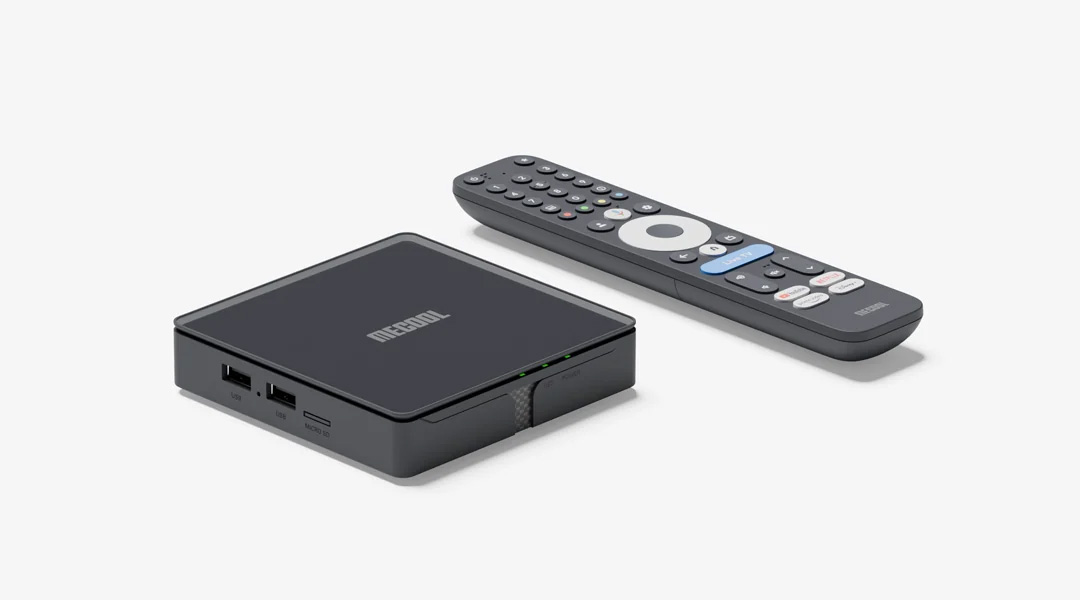
Left · 2Google says Shenzhen, China-based Videostrong Technology, one of its Android manufacturing partners, secretly built a backdoor into about 1.3 million devices and turned them into a botnet. The VergeLC “Google says one of its Android manufacturing partners secretly built a backdoor in 1.3 million devices and turned them into a botnet.” Read at The Verge ↗ Ars TechnicaLC “At its height, x.cpe ran on more than 1.3 million Android TV devices” Read at Ars Technica ↗ Left · 1Google's Threat Intelligence Group, which published a detailed blog post, calls the botnet x.cpe (also referred to as XCPE). It says the botnet grew from a single-stage dropper into a modular three-stage malware platform that sold access to third parties. Ars TechnicaLC “the x.cpe botnet evolved quickly from a single-stage dropper into a modular three-stage malware platform that sold access to third parties” Read at Ars Technica ↗ Left · 2Most of the infected devices were Android TV set-top boxes, mostly sold under the MECOOL brand. The malware was also found on other Android-based IoT devices, including telehealth devices, karaoke machines and digital signage. The VergeLC “Android-based IoT devices, including telehealth devices, karaoke machines, and digital signage devices.” Read at The Verge ↗ Ars TechnicaLC “Videostrong’s compromised boxes, mostly sold under the MECOOL brand” Read at Ars Technica ↗
Left · 2The boxes were Google-certified. Google says its screening missed the malware because Videostrong used "obfuscation techniques" to load it after users first booted and connected the devices. Ars TechnicaLC “these were Google-certified boxes. Google says its screening process missed the malware due to “obfuscation techniques”” Read at Ars Technica ↗ The VergeLC “Google says Videostrong used “obfuscation techniques” to load the malware onto users’ devices after they booted up the hardware for the first time.” Read at The Verge ↗ Left · 1According to Ars Technica's account of Google's report, a stub app called x.cpe or com.oemservice had system-level permissions and disabled Play Protect, so it could install malware modules silently. Operators could also run terminal commands, capture the screen and probe other devices on the local network. Ars TechnicaLC “a stub application called x.cpe or com.oemservice would phone home”“allowing operators to run terminal commands, capture the screen, and probe other devices on the local network” Read at Ars Technica ↗ Left · 2Google says the infected devices were used without their owners' knowledge for ad fraud, data exfiltration and routing unauthorized network traffic. It says Videostrong sold access to criminal affiliates, whose modules also enrolled devices in residential proxy networks and loaded further malware. The VergeLC “Videostrong monetized the backdoor by selling access to criminal affiliates and loading those affiliates’ malware modules onto infected devices.” Read at The Verge ↗ Ars TechnicaLC “Google found most of the boxes were running residential proxies for routing large volumes of nefarious traffic or modules that engaged in ad fraud schemes.” Read at Ars Technica ↗
Left · 2Google says the backdoor and botnet were "intentionally developed, deployed, and operated for financial gain". It says it determined this was not the work of a rogue actor. The VergeLC ““backdoor and botnet were intentionally developed, deployed, and operated for financial gain,”” Read at The Verge ↗ Ars TechnicaLC “Google determined the operation was not the work of a rogue actor, so it has ended its relationship with Videostrong.” Read at Ars Technica ↗ Left · 2Google says it has dismantled the backdoor and cut ties with Videostrong. The company and any subsidiaries are banned from building or selling certified Android devices, supplying software for them, or using Google's Android apps and services. The VergeLC “has been banned from building or selling certified Android devices or supplying software for them.” Read at The Verge ↗ Ars TechnicaLC “The company, as well as any subsidiaries, will not be permitted to use Google’s Android apps and services.” Read at Ars Technica ↗ Left · 2Google worked with Japan's National Police Agency, Synthient and Trend Micro, and says it took legal action against the domains and servers Videostrong used. It also disrupted command-and-control domains tied to affiliates' modules, which it assesses cuts access to at least 10 million additional compromised devices. Ars TechnicaLC “Google worked with several other organizations to disrupt the x.cpe network, including Japan’s National Police Agency, Synthient, and Trend Micro.” Read at Ars Technica ↗ The VergeLC “we assess that taking down their C2 domains will sever access to at least 10 million additional compromised devices.” Read at The Verge ↗
Centre · 1Anadolu Agency, citing The Japan Times, reports that Japanese police said the case came to light in September 2025, when Fukuoka police investigating an unauthorized online bank transfer found infected devices; a cybercrime unit later traced their manufacture and sale to Videostrong and alerted Google. Anadolu AgencyN “The case came to light in September 2025 when Fukuoka police investigated an unauthorized online bank transfer and discovered infected devices.”“A cybercrime unit later traced their manufacturing and sales to Videostrong and alerted Google.” Read at Anadolu Agency ↗ Centre · 1Anadolu says Google reported the takedown last week, and that Google said the operators could capture screenshots, record keystrokes and steal sensitive account and device data. Anadolu AgencyN “allowing operators to capture screenshots, record keystrokes and steal sensitive account and device data.”“Google said Tuesday that it had worked with Japan's National Police Agency and other partners to dismantle the backdoor and the network of infected devices” Read at Anadolu Agency ↗ Left · 1Trend Micro counted 1,472,554 infected devices, above Google's estimate, mostly in Brazil, Malaysia, Iraq, Mexico and Taiwan. Synthient published a list of 182 affected device model names. Ars TechnicaLC “Trend Micro counted a total of 1,472,554 infected devices, somewhat higher than Google’s estimate.”“Synthient has published a list of 182 device model names known to be included in the botnet.” Read at Ars Technica ↗
Left · 1Ars Technica says the affected devices should now be safer but not fully clean: Play Protect remains disabled and the inert modules remain installed as system apps that users cannot easily remove. It also notes Videostrong could keep selling uncertified Android hardware under other brands, though it would have to rebuild its malware operation. Ars TechnicaLC “Play Protect is still disabled, and the inert malware modules are still installed.”“Videostrong could continue to sell malicious hardware under other brands without Google apps.” Read at Ars Technica ↗ Left · 2Google says it has changed its review and certification process for device manufacturers to close the loophole. The VergeLC “Google also says it made changes to its review process for device manufacturers after this incident.” Read at The Verge ↗ Ars TechnicaLC “it is updating its certification process to close the loophole” Read at Ars Technica ↗ Centre · 1For context, Japan's National Police Agency warned in July that smart TVs, routers and other connected devices could be hijacked as residential proxies, and linked such proxies to 1,918 unauthorized bank transfers in 2024, with losses of about 2.89 billion yen ($18.3 million). Anadolu AgencyN “The agency linked residential proxies to 1,918 unauthorized bank transfers in 2024, resulting in losses of about 2.89 billion yen ($18.3 million).” Read at Anadolu Agency ↗
Every sentence links to the reporting it rests on. The pill in front of each says where its sources sit: Left, Centre or Right when one side supplies at least half of them, Mixed when they are evenly split. The number is how many outlets it cites.
Left2 outlets
- Framing
- Both outlets present the story as a security takedown reported from Google's disclosure. The Verge stresses a Google partner secretly backdooring devices; Ars Technica adds technical detail and consumer-safety caveats.
- Emphasis
- Google's attribution of intent, the ban on Videostrong, the 10 million additional devices, and (Ars) technical mechanics, partner organisations and remaining risk to owners.
- Leaves out or plays down
- Neither carries a response from Videostrong, nor the Fukuoka police origin of the case. Only Ars reports Trend Micro's higher count and the country breakdown.
- For example
-
“Google says one of its Android manufacturing partners secretly built a backdoor in 1.3 million devices and turned them into a botnet.” — The Verge
“Google dismantles botnet secretly running on 1.3 million Android TV boxes” — Ars Technica
Centre1 outlet
- Framing
- Anadolu Agency frames the story through Japan: Japanese police's role and the Japan Times report, with Google's findings relayed and residential-proxy crime in Japan as context.
- Emphasis
- Fukuoka police origin of the case, Google's quotes on intent, and Japanese statistics on proxy-linked bank fraud.
- Leaves out or plays down
- No technical detail on the x.cpe mechanics, Trend Micro's higher count or country breakdown, and no Videostrong response.
- For example
-
“Japanese police said that Google had shut down a backdoor that turned 1.3 million internet-connected devices made by a Chinese company into residential proxies” — Anadolu Agency
Right0 outlets
No right outlet in our sources has covered this story yet.
What every side reports
- Google says Videostrong Technology, based in Shenzhen, built a backdoor and botnet on about 1.3 million Android devices, mostly TV boxes.
- Google has cut ties with Videostrong and banned it from certified Android devices.
- Google says it disrupted command-and-control domains and will update its certification process.
-
Videostrong intentionally developed and operated the backdoor and botnet for financial gain.
Reported- Supports 1
- Ars Technica
- Reports 2
- The Verge, Anadolu Agency
-
About 1.3 million devices were infected through the Videostrong backdoor.
Reported- Reports 3
- Ars Technica, The Verge, Anadolu Agency
Google organisation
Says Videostrong deliberately built and monetized the botnet, that it has dismantled the backdoor, cut ties and banned the firm, and that it is tightening certification.
“The company says it has now dismantled the backdoor and “cut ties” with the manufacturer” — The Verge
“Google also notes that it is updating its certification process to close the loophole” — Ars Technica
Videostrong Technology organisation
No response from Videostrong appears in the coverage; it is described by Google as having built, sold access to and operated the botnet.
“Videostrong monetized the backdoor by selling access to criminal affiliates” — The Verge
Left2 articles
-
One of Google’s Android partners turned 1.3 million set-top boxes into a botnet
Neutral Short report relaying Google's claims that a partner deliberately built and monetized a backdoor, with long quotation from Google.
-
Google dismantles botnet secretly running on 1.3 million Android TV boxes
Mixed Detailed technical explainer on the takedown that also warns affected owners are not fully protected and that Videostrong could continue under other brands.
Centre1 article
-
Japan says Google shut down Chinese firm's backdoor linked to hijacking of 1.3 million devices
Neutral Relays Japanese police and Google statements, adding the Fukuoka origin and Japanese residential-proxy fraud context.
Right0 articles
No coverage yet.
- 2 Nov 20:37 First The VergeLC One of Google’s Android partners turned 1.3 million set-top boxes into a botnet
- 3 Nov 17:08 +20h 31m Ars TechnicaLC Google dismantles botnet secretly running on 1.3 million Android TV boxes
- 5 Nov 14:05 +65h 28m Anadolu AgencyN Japan says Google shut down Chinese firm's backdoor linked to hijacking of 1.3 million devices
Times are when each article was published, or when we first saw it if the outlet gave no time.
Ask about this story
Loading…