Gulliver's Travels turns 300 with events in Ireland and a fresh look at its Anglo-Irish roots
Jonathan Swift's Gulliver's Travels, first published on 28 October 1726, is being marked by exhibitions and events in Ireland, while an academic reading stresses its satire of Anglo-Irish loyalty to England.
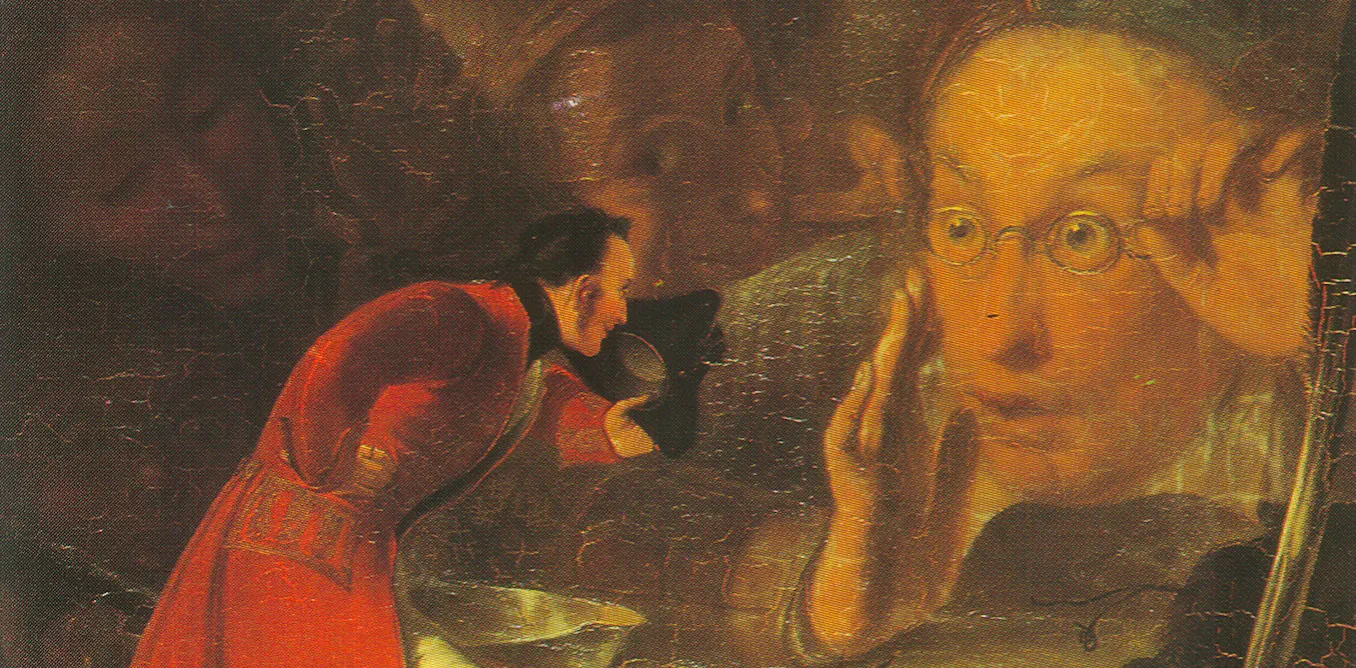
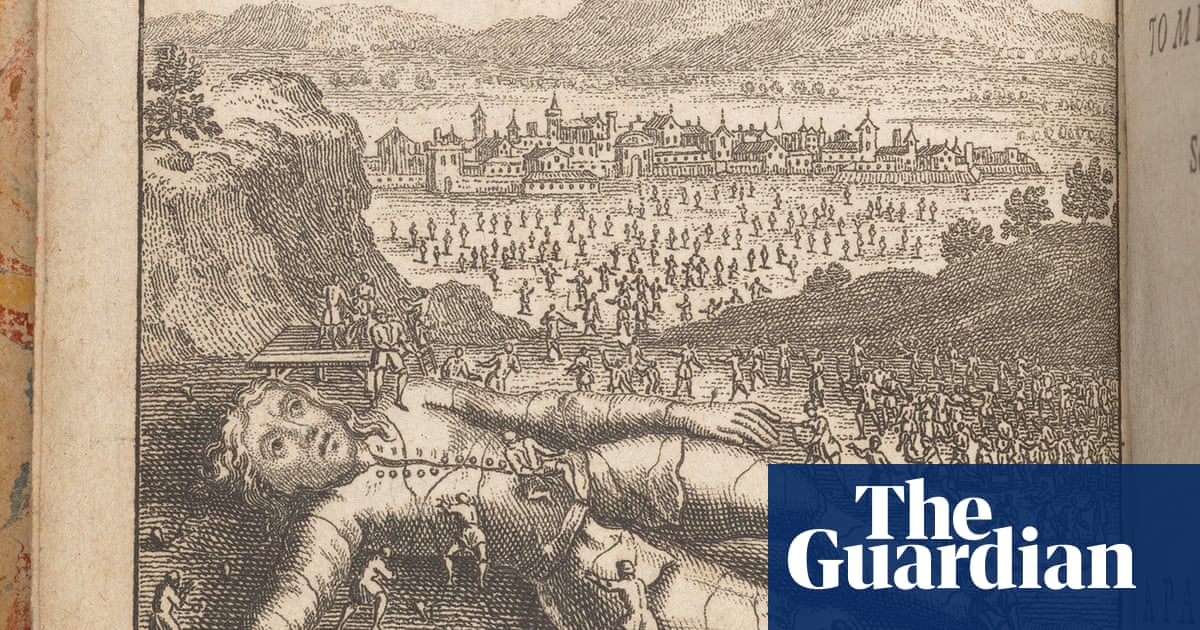
1 / 2
The story, neutrally told
Left · 2Gulliver's Travels, by Jonathan Swift, was first published on 28 October 1726, so the book turns 300 this year. The ConversationLC “Gulliver’s Travels, first published on October 28 1726, is a masterpiece of satire” Read at The Conversation ↗ The GuardianLC “The satirical work was published that October and is better known 300 years on as Gulliver’s Travels.” Read at The Guardian ↗ Left · 2Swift was Irish-born and Dean of St Patrick's Cathedral in Dublin when he wrote it. The ConversationLC “was Dean of St Patrick’s Cathedral in Dublin when he wrote what is unquestionably his greatest work” Read at The Conversation ↗ The GuardianLC “The dean of St Patrick’s Cathedral in Dublin knew his novel would cause trouble and wanted to publish it anonymously.” Read at The Guardian ↗ Left · 1According to the Guardian, in March 1726 Swift visited London and had a courier deliver the manuscript to a publisher at night, hoping to publish anonymously under the title Travels into Several Remote Nations of the World. The GuardianLC “In March 1726, an Irish clergyman visited London and arranged for a courier to deliver a manuscript to a publisher under cover of night.”“His name was Jonathan Swift and the story was called Travels into Several Remote Nations of the World.” Read at The Guardian ↗
Left · 1The publisher, Benjamin Motte, did not know the author's identity, but the book's success and Swift's literary record led many to guess it, said Trinity College Dublin professor Aileen Douglas. The GuardianLC “Swift’s publisher, Benjamin Motte, did not know his author’s identity but the book’s success, and Swift’s literary record, enabled many to guess, said Douglas.” Read at The Guardian ↗ Left · 1The Guardian reports the anniversary is being celebrated at Trinity College Dublin and around Ireland with exhibitions, festivals, seminars, art competitions and workshops. The Trinity exhibition, co-curated by Stephanie Breen and Aileen Douglas, runs until December and is online, drawing on hundreds of editions including a 1976 Marvel comic and the only known surviving copy of an abridgement printed in 1761. The GuardianLC “Exhibitions, festivals, seminars, art competitions and workshops are exploring the origins of Swift’s masterpiece”“The exhibition, which runs until December and is available online, draws on the university’s collection of hundreds of editions and popularisations of Gulliver’s Travels” Read at The Guardian ↗ Left · 1Other events include a Trinity panel on art challenging power, a premiere by composer Seán Doherty with readings by Swift scholar Brendan Twomey at the cathedral, and an exhibition and lecture series at the Robinson library in County Armagh running until December. The GuardianLC “A panel discussion about the role of art in challenging power, and Gulliver’s attacks on human vanity and scientific arrogance, is to be held at Trinity on Wednesday.”“An exhibition and lecture series at the Robinson library in County Armagh runs until December.” Read at The Guardian ↗
Left · 1Douglas said Laputa's engine producing tracts without 'genius or study' resonates with present anxieties about technology, and the Guardian notes the book's retelling through a feminist lens, including works imagining the voice of Gulliver's wife Mary. The GuardianLC “Gulliver’s experiences in Laputa, a floating island dedicated to arts and science, resonated with our era’s anxieties about technology, said Douglas.”“The voice of Gulliver’s wife, Mary, who is neglected and left at home “big with child”” Read at The Guardian ↗ Left · 1In The Conversation, University College Cork lecturer Clíona Ó Gallchoir argues the text was shaped by Swift's experience as a member of Ireland's Protestant elite, a minority who saw themselves as bringing civilisation to Ireland yet were treated as inferior in England. The ConversationLC “the text is shaped in fundamental ways by Swift’s experience as a member of Ireland’s Protestant elite.”“living in Ireland meant accepting that they were in fact considered inferior themselves” Read at The Conversation ↗ Left · 1She cites Swift's 1724 Drapier's Letters ('Am I a freeman in England, and do I become a slave in six hours by crossing the Channel?') and reads the Brobdingnag king's verdict on the English, and the Laputa satire of the Royal Society, as undermining English claims to superiority. The ConversationLC “Am I a freeman in England, and do I become a slave in six hours by crossing the Channel?”“This group is a satiric take on England’s Royal Society, which was founded in London in 1660” Read at The Conversation ↗
Left · 1She reads Gulliver's final madness, preferring horses to his family, as a metaphor for the Anglo-Irish dilemma of a colonial population allied with a power that despises it, though she says Swift's achievement is broader, giving a dual perspective on the folly of one frame of reference. The ConversationLC “Gulliver’s final madness can be read on one level as a metaphor of the Anglo-Irish dilemma”“grasp the folly of believing that one frame of reference is the only one possible” Read at The Conversation ↗ Left · 2Both pieces link the book to Swift's A Modest Proposal, which proposed selling Irish children as food. The GuardianLC “A Modest Proposal, which suggested alleviating the plight of the Irish poor by selling their children as food to the wealthy.” Read at The Guardian ↗ The ConversationLC “solve Ireland’s social and economic problems by selling its surplus infant population for human consumption” Read at The Conversation ↗
Every sentence links to the reporting it rests on. The pill in front of each says where its sources sit: Left, Centre or Right when one side supplies at least half of them, Mixed when they are evenly split. The number is how many outlets it cites.
Left2 outlets
- Framing
- Both left-leaning outlets treat the anniversary as a cultural occasion: The Guardian reports commemorative events in Ireland, while The Conversation offers an academic essay on the book's Anglo-Irish colonial context.
- Emphasis
- The Guardian stresses exhibitions, the book's afterlife and relevance to technology; The Conversation stresses Swift's Irish Protestant identity and empire.
- Leaves out or plays down
- The Guardian says little about the Anglo-Irish colonial reading; The Conversation does not mention the anniversary events.
- Charged language
- “savage satire”“savage delight”
- For example
-
“it skewered Georgian pretensions and entered popular culture through translations, children’s versions, comics and films.” — The Guardian
“a colonial population that remains stubbornly allied with a power that actually despises and oppresses them” — The Conversation
Centre0 outlets
No centre outlet in our sources has covered this story yet.
Right0 outlets
No right outlet in our sources has covered this story yet.
What every side reports
- Gulliver's Travels was first published in October 1726.
- Swift was Dean of St Patrick's Cathedral, Dublin.
- The Brobdingnag king calls the English 'the most pernicious race of little odious vermin'.
- Swift also wrote A Modest Proposal.
Jonathan Swift person
Per the coverage, Swift sought to publish anonymously, expecting trouble, and his work satirises English claims to superiority from an Anglo-Irish vantage.
“knew his novel would cause trouble and wanted to publish it anonymously.” — The Guardian
“Swift’s savage delight in undermining English claims to power and superiority” — The Conversation
Gulliver's Travels other
Presented as an enduring satire that became an instant hit, spread into popular culture, and is read as relevant to empire and modern technology.
“An immediate sensation, it skewered Georgian pretensions” — The Guardian
“vitally relevant to contemporary readers 300 years since its first publication” — The Conversation
Left2 articles
-
The ConversationLC · · Opinion
Gulliver’s Travels at 300: a satire of the Anglo-Irish and the folly of allegiance to empire
Sympathetic Opinion essay by a UCC lecturer reading the novel as satire of Anglo-Irish allegiance to empire.
-
Gulliver fans celebrate three centuries of Jonathan Swift’s classic satire
Celebratory News report on anniversary events in Ireland and the book's origins and enduring relevance.
Centre0 articles
No coverage yet.
Right0 articles
No coverage yet.
- 27 Oct 15:45 First The ConversationLC Gulliver’s Travels at 300: a satire of the Anglo-Irish and the folly of allegiance to empire Opinion
- 28 Oct 05:00 +13h 16m The GuardianLC Gulliver fans celebrate three centuries of Jonathan Swift’s classic satire
Times are when each article was published, or when we first saw it if the outlet gave no time.
Ask about this story
Loading…