Criticism of Hezbollah grows in its southern Lebanon base after the war with Israel
Two right-leaning outlets report rising criticism of Hezbollah from Shi'ite communities in southern Lebanon after the latest war with Israel. Arab News details online campaigns and an assault against critics. JNS carries an analysis arguing the group's grip is weakened but not broken.
1 / 2
The story, neutrally told
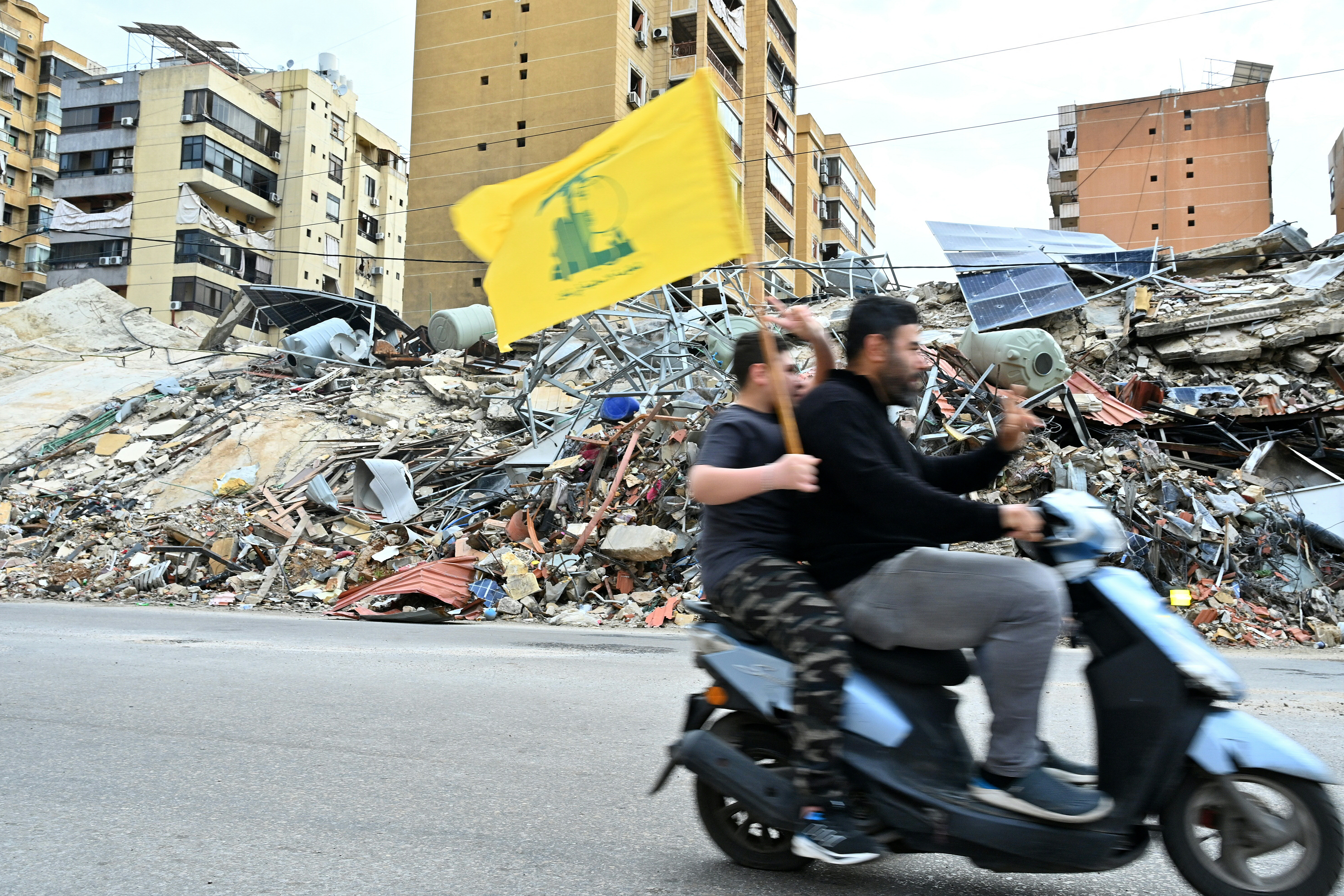
Right · 1Arab News reports that Hezbollah's tolerance for dissent appears to be narrowing as criticism of the group grows after its latest war with Israel, increasingly from communities that have traditionally supported it. Arab NewsRC “Hezbollah’s tolerance for dissent appears to be narrowing as criticism of the group grows in the aftermath of its latest devastating war with Israel” Read at Arab News ↗ Right · 1Activist Abeer Mroueh, 37, spoke briefly to Prime Minister Nawaf Salam during his visit to Nabatieh, calling for state authority, an end to the war and the recovery of occupied land through negotiations. She says Hezbollah supporters then targeted her with insults, accusations of treason and personal attacks on social media, and that an unknown person issued a statement in her family's name disowning her. Arab NewsRC “Mroueh had appealed to Salam for the restoration of state authority, an end to the war and the recovery of occupied land through negotiations.”“I was accused of treason, and someone I do not know issued a statement in the family’s name claiming that the family disowned me.” Read at Arab News ↗ Right · 1Mroueh says Hezbollah activists have since asked people to stop using her name, which she takes as a sign the campaign damaged the group more than it helped it. This is her account, and Arab News does not report a Hezbollah response. Arab NewsRC “Hezbollah activists themselves have started asking people on social media to stop talking about me or using my name simply to gain more engagement.” Read at Arab News ↗
Right · 1Writer Nabil Mamlouk, 30, says men he identifies as members of the Hezbollah-linked Resistance Brigades shot at and beat him in his father's pharmacy in Tyre over his journalism criticising rocket launches from the south. He says he then moved to Beirut, faced fabricated harassment allegations that were later dropped, and received threats that he would be killed if he returned. Arab NewsRC “I was in my father’s pharmacy when men came in, opened fire and beat me severely because they were angered by my journalism”“Hezbollah sent threats to my father that I would be killed if I returned to Tyre” Read at Arab News ↗ Right · 1Residents quoted by Arab News describe depression and fear of another war. Samer, a Nabatieh resident who withheld his surname, says people have covered windows with plastic, that he paid $3,000 a month for a room near Jezzine during the war, and that Israeli drones fly over the city daily. Arab NewsRC “People in Nabatieh are deeply depressed”“During the war I paid $3,000 a month for a single room for my family near Jezzine” Read at Arab News ↗ Right · 1Ali Al-Amin, editor-in-chief of the Janoubia news website, says objections are growing inside Hezbollah's base because homes are destroyed and no compensation or reconstruction has begun. He cites the reaction to pro-Hezbollah activist Sahar Ghaddar, who said that even if 100 villages were destroyed this mattered less than Hezbollah's survival. Arab NewsRC “Their homes have been destroyed, there has been no compensation and reconstruction has not begun”“even if 100 villages were destroyed, this was less important than Hezbollah’s survival” Read at Arab News ↗
Right · 1Mamlouk says criticism is growing among Amal Movement members and supporters, and that Hezbollah is spreading reports of coming compensation to silence objections. Arab NewsRC “Hezbollah is now spreading reports that compensation will be paid to people” Read at Arab News ↗ Right · 1In a JNS analysis originally published by the Jerusalem Center for Security and Foreign Affairs, Jacques Neriah says the growing visibility of criticism in the Shi'ite community is one of the most explicit recent shifts in Lebanese politics. He describes it as a move from ideological critique to survival-driven grievances voiced by activists and displaced civilians in southern Lebanon and Dahieh. JNSR “What is happening now is a shift from ideological critique to direct, survival-driven grievances.” Read at JNS ↗ Right · 1Neriah says Hezbollah's loss of key installations and the killing of its leadership by Israel have undermined its "victory through steadfastness" narrative. He also says its ability to pay compensation has been compromised, and he notes that cleric Subhi al-Tufayli, an early figure in the group, is now a vocal critic. JNSR “its capacity to compensate families for lost homes and livelihoods has been significantly compromised”“senior Shi’ite cleric Subhi al-Tufayli, who helped found the terrorist militia, is a vocal critic of Iran and the current Hezbollah leadership” Read at JNS ↗
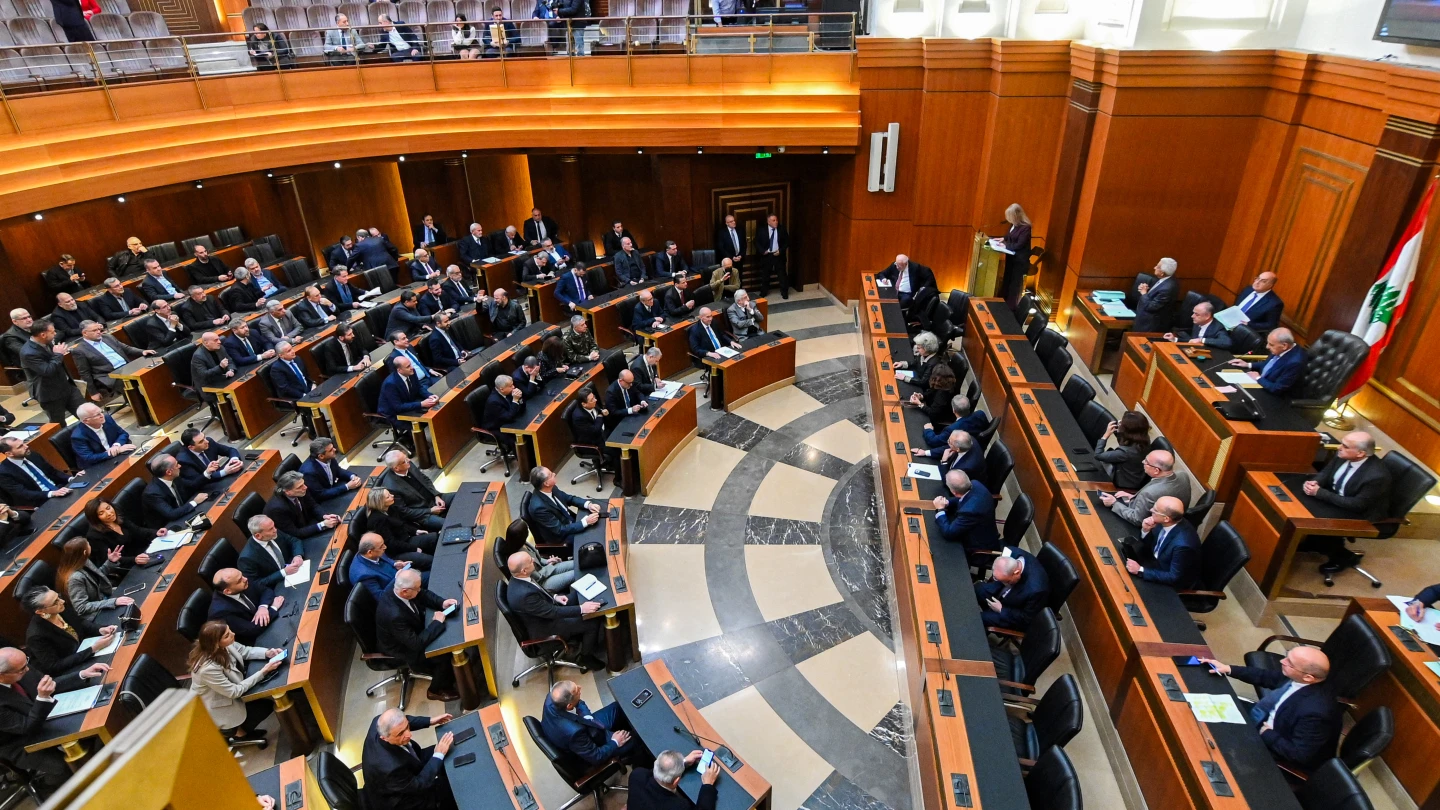
Right · 1Neriah cautions that Hezbollah's hold is not collapsing. He says most Shi'ites, even critical ones, oppose disarmament, that opposition is fragmented, and that no rival Shi'ite party can challenge the Hezbollah-Amal duopoly. He adds that anger often falls on the state too. JNSR “No organized, rival Shi’ite political party can challenge the Hezbollah-Amal duopoly in parliament”“community anger alternates between Hezbollah and the Lebanese state for failing to provide relief or protection” Read at JNS ↗ Right · 1He also notes that during a recent no-confidence motion against the government, Hezbollah's bloc walked out of parliament instead of voting. He reads this as an effort to preserve leverage and avoid showing it lacks a parliamentary veto. JNSR “Hezbollah’s “Loyalty to the Resistance” bloc walked out of the parliamentary chamber rather than stay and vote.” Read at JNS ↗
Every sentence links to the reporting it rests on. The pill in front of each says where its sources sit: Left, Centre or Right when one side supplies at least half of them, Mixed when they are evenly split. The number is how many outlets it cites.
Left0 outlets
No left outlet in our sources has covered this story yet.
Centre0 outlets
No centre outlet in our sources has covered this story yet.
Right2 outlets
- Framing
- Both outlets present rising Shi'ite criticism of Hezbollah as a significant shift. Arab News leads with first-person accounts of intimidation and online campaigns, and JNS carries a strategic analysis from an Israeli think tank.
- Emphasis
- Arab News stresses the targeting of individual critics, displacement, destroyed homes and missing compensation. JNS stresses Hezbollah's weakened narrative and finances, and the limits of the backlash.
- Leaves out or plays down
- Neither outlet quotes a Hezbollah spokesperson responding to the allegations of intimidation or assault. No left or centre outlet covered the story, so no other framing is available.
- Charged language
- “terrorist militia”“The wall is cracking”“intolerance for dissent”
What every side reports
- Criticism of Hezbollah is growing in Shi'ite and southern Lebanese communities after the latest war with Israel.
- Displacement, destroyed homes and missing compensation are driving much of the anger.
Where accounts differ
-
How serious the backlash is for Hezbollah
- Right
- Arab News presents it as a growing backlash that is hurting the group. JNS says it is real but has not produced a viable challenge to the Hezbollah-Amal order.
Hezbollah organisation
The coverage reports no direct Hezbollah statement. Critics say its supporters run online campaigns against dissenters and that it is promising compensation to quell anger. JNS says it hedges by staying in government while walking out of votes.
“Hezbollah shifts the problem onto the state.” — Arab News
“Hezbollah’s decision to avoid pulling its ministers from the Cabinet or casting a no-confidence vote reveals a strategy to preserve its remaining political leverage” — JNS
Left0 articles
No coverage yet.
Centre0 articles
No coverage yet.
Right2 articles
-
Have Hezbollah’s campaigns against its critics begun to backfire?
Critical Feature built on testimony from targeted critics and residents, presenting Hezbollah's pressure on dissent as backfiring.
-
JNSR ·
The wall is cracking: Is Lebanon’s Shi’ite community turning on Hezbollah?
Mixed Think-tank analysis saying Hezbollah has lost narrative control but that the Hezbollah-Amal order remains intact for lack of an organised alternative.
- 10 Oct 02:14 First Arab NewsRC Have Hezbollah’s campaigns against its critics begun to backfire?
- 12 Oct 07:08 +52h 53m JNSR The wall is cracking: Is Lebanon’s Shi’ite community turning on Hezbollah?
Times are when each article was published, or when we first saw it if the outlet gave no time.