Tanker attacks near Hormuz hit weekly high since Iran war began, maritime sources say
Maritime security sources say at least 12 attacks hit tankers around the Strait of Hormuz in the week of 28 September–5 October, the most in any week since the US war with Iran began on 28 February. IMO data counts nine incidents for the same week.
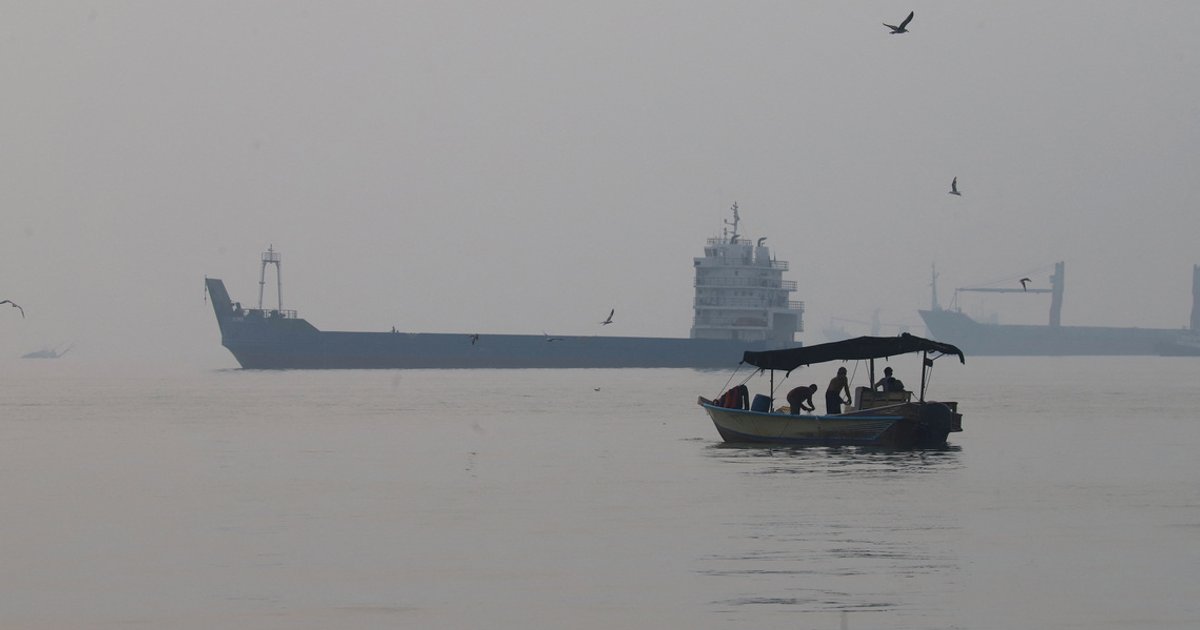
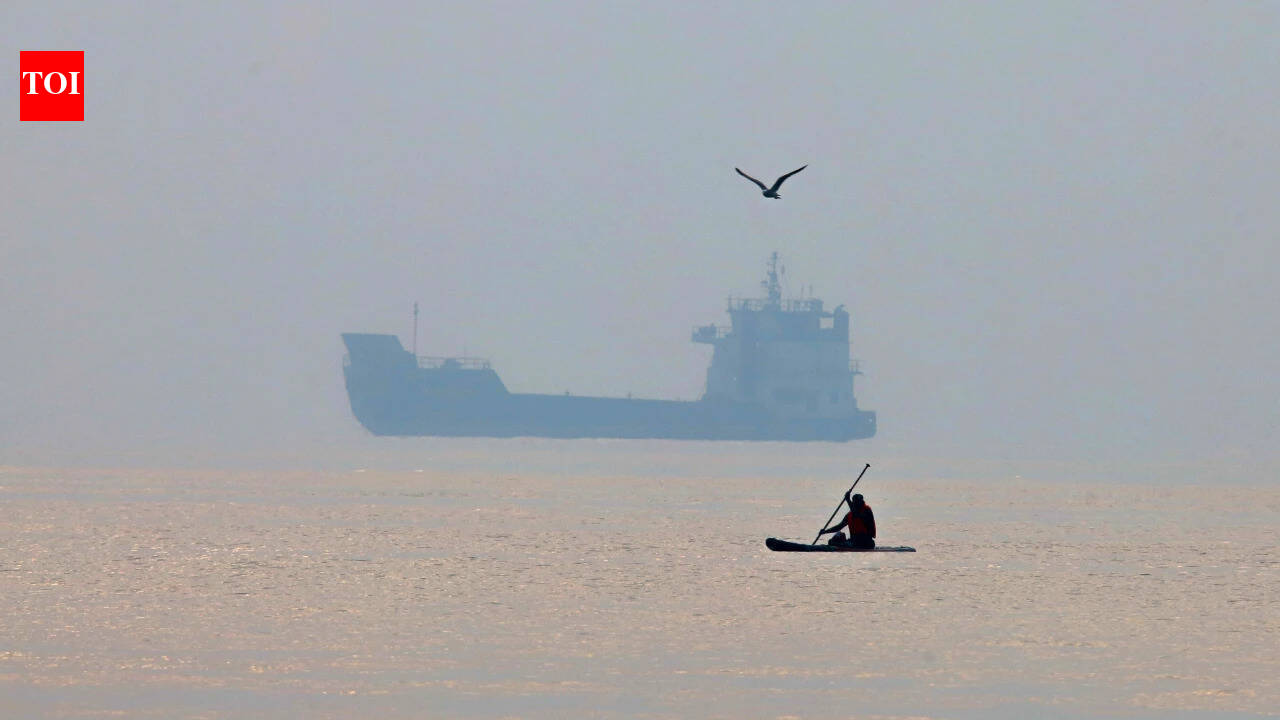
1 / 2
The story, neutrally told
Mixed · 2Attacks on tankers around the Strait of Hormuz reached their highest weekly level since the Iran war began, according to maritime security sources tracking incidents. The Straits TimesRC “Attacks on tankers sailing through the Strait of Hormuz hit their highest last week of any week since the Iran war began” Read at The Straits Times ↗ The Times of IndiaN “Attacks on tankers transiting the Strait of Hormuz last week were reportedly the most frequent of any week since the Iran war began.” Read at The Times of India ↗ Mixed · 2In the week of 28 September to 5 October there were at least 12 attacks on oil, liquefied natural gas and liquefied petroleum gas tankers, according to data from three maritime security sources. They said it was the highest number in a single week since the US war with Iran began on 28 February. The Straits TimesRC “there had been at least 12 attacks on oil, liquefied natural gas and liquefied petroleum gas tankers around the Strait of Hormuz” Read at The Straits Times ↗ The Times of IndiaN “The sources said this was the highest weekly total since the US war with Iran started on 28 February.” Read at The Times of India ↗ Mixed · 2Separate data from the UN's International Maritime Organization (IMO) showed nine incidents involving vessels in the same week. Maritime sources say the IMO tends to take longer to verify and officially record incidents. The Straits TimesRC “Separate data collated by the UN's shipping agency, the International Maritime Organization (IMO), showed nine incidents involving vessels in the same week.” Read at The Straits Times ↗ The Times of IndiaN “Maritime sources say the UN body tends to take longer to verify and officially record incidents.” Read at The Times of India ↗
Right · 1In IMO figures the closest comparable week was that of 13 July, with eight incidents. The Straits TimesRC “The closest week in terms of comparable incidents was the week of July 13 when there were eight incidents, separate IMO data showed.” Read at The Straits Times ↗ Mixed · 2The US Navy-led Joint Maritime Information Center (JMIC) said in a note on Sunday that attacks, attempted attacks and harassment by Iran's Revolutionary Guards had persisted in the strait, including drone overflights, surveillance and hailing by VHF radio. It said: "These actions continue to demonstrate Iran's intent to assert presence along key transit lanes and maintain pressure on transiting vessels." The Straits TimesRC “the US Navy-led Joint Maritime Information Center (JMIC) said in a note on Sunday.” Read at The Straits Times ↗ The Times of IndiaN “"These actions continue to demonstrate Iran's intent to assert presence along key transit lanes and maintain pressure on transiting vessels," the JMIC said” Read at The Times of India ↗ Mixed · 2On Tuesday, India's foreign ministry said 12 crew members were injured after an unknown projectile struck the Panama-flagged oil tanker On Peace as it passed through the strait. The Straits TimesRC “India's foreign ministry said on Tuesday that 12 crew members were injured after an unknown projectile struck Panama-flagged oil tanker On Peace” Read at The Straits Times ↗ The Times of IndiaN “India's foreign ministry said 12 crew members were injured after an unknown projectile struck the Panama-flagged oil tanker ‘On Peace’” Read at The Times of India ↗
Mixed · 2The surge comes amid a bigger export push by Gulf producers. Shipping data showed on Monday that Gulf oil exporters topped pre-war levels for about half of September, though attacks and logistical constraints cloud the outlook for sustained higher flows. The Straits TimesRC “Gulf oil exporters topped pre-war levels for about half of September, shipping data showed on Monday” Read at The Straits Times ↗ The Times of IndiaN “attacks on tankers and logistical constraints cloud the outlook for sustained higher flows.” Read at The Times of India ↗
Every sentence links to the reporting it rests on. The pill in front of each says where its sources sit: Left, Centre or Right when one side supplies at least half of them, Mixed when they are evenly split. The number is how many outlets it cites.
Left0 outlets
No left outlet in our sources has covered this story yet.
Centre1 outlet
- Framing
- Times of India rewrites the Reuters report under a 'Report' headline, repeatedly attributing it to Reuters and the sources.
- Emphasis
- The weekly record, the 12 versus nine count, and the JMIC statement.
- Leaves out or plays down
- Does not include the Reuters photo context or note the IMO's different counting beyond the verification lag.
- Charged language
- “surge”
- For example
-
“Attacks on tankers transiting the Strait of Hormuz last week were reportedly the most frequent of any week since the Iran war began.” — The Times of India
Right1 outlet
- Framing
- The Straits Times runs Reuters copy leading with the record weekly count from maritime security sources, tying it to the Gulf export push.
- Emphasis
- Iranian Revolutionary Guards harassment per JMIC, the export push and the On Peace injuries.
- Leaves out or plays down
- No Iranian response is given.
- Charged language
- “harassment activity”
- For example
-
“Attacks on tankers sailing through the Strait of Hormuz hit their highest last week of any week since the Iran war began, according to maritime security sources tracking incidents” — The Straits Times
What every side reports
- At least 12 tanker attacks near Hormuz in the week of 28 Sept–5 Oct, per three maritime security sources
- IMO recorded nine incidents in the same week
- The US Navy-led JMIC said Revolutionary Guards harassment persisted
- India said 12 crew were injured on the On Peace tanker
Where accounts differ
-
Number of incidents in the week of 28 Sept–5 Oct
- Centre
- Reports at least 12 attacks per maritime sources and nine incidents per the IMO, noting the IMO is slower to verify.
- Right
- Reuters copy gives the same figures: at least 12 per maritime sources, nine per the IMO, which tends to verify more slowly.
Left0 articles
No coverage yet.
Centre1 article
-
Tanker attacks in Strait of Hormuz highest in a week since Iran war began: Report
Neutral Rewrite of the Reuters report, attributing figures to maritime sources and Reuters.
Right1 article
-
The Straits TimesRC · · via Reuters
Attacks on tankers in Hormuz hit highest of any week since start of Iran war, sources say
Neutral Reuters wire copy reporting the record weekly tanker attack count with sourced figures and the JMIC assessment.
- 7 Oct 15:29 First The Straits TimesRC Attacks on tankers in Hormuz hit highest of any week since start of Iran war, sources say via Reuters
- 7 Oct 16:25 +57m The Times of IndiaN Tanker attacks in Strait of Hormuz highest in a week since Iran war began: Report
Times are when each article was published, or when we first saw it if the outlet gave no time.