Hurricane Polo hits Baja California Sur, crosses to Sonora, sends flood risk to US Southwest
Polo came ashore in Baja California Sur with 110 mph winds, then crossed the Gulf of California to a second landfall in Sonora and weakened to a tropical storm. Early assessments found limited serious damage, while its moisture threatens flash flooding across the US Southwest and Plains.
Updated (version 4). New coverage since the last version from Anadolu Agency, CBC News.

1 / 5
The story, neutrally told
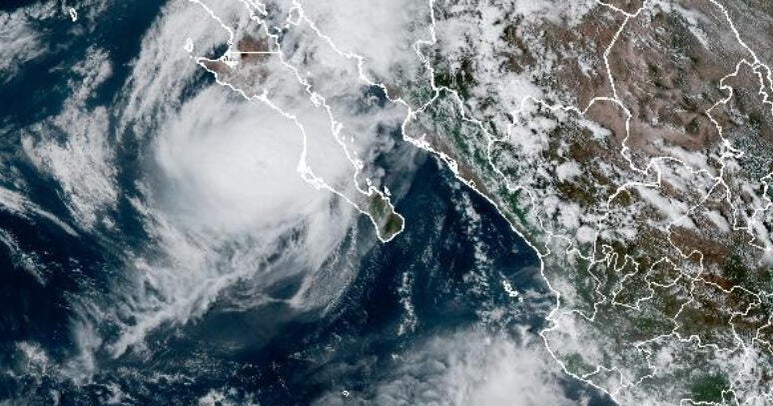
Hurricane Polo made landfall on Mexico's Pacific coast in Baja California Sur, just south of Las Barrancas, with maximum sustained winds of 110 mph (175 km/h). BBC NewsN “Polo moved ashore just south of the surfing and fishing village of Las Barrancas bringing maximum sustained winds of 110 mph (175 km/h).” Read at BBC News ↗ The IndependentLC “the Category 2 storm hit land slightly south of Las Barrancas” Read at The Independent ↗ Accounts of the timing and category differ: the New York Post put landfall around 11 p.m. Monday local time, the Independent said early Tuesday, and AFP, carried by the Straits Times, called it a Category 3 hurricane; the others described Category 2. New York PostR “first landfall around 11 p.m. Monday local time” Read at New York Post ↗ The IndependentLC “made landfall early Tuesday in Baja California” Read at The Independent ↗ The Straits TimesRC “as a Category 3 hurricane packing winds of up to 175kmh” Read at The Straits Times ↗ Forecasters warned of 6 to 12 inches of rain in parts of Baja California Sur, with life-threatening flooding and mudslides possible. BBC NewsN “Polo could dump between 6 and 12 inches (150-300mm) of rain across parts of Baja California Sur” Read at BBC News ↗ New York PostR “The storm was forecast to dump 6 to 12 inches of rain across portions of Baja California Sur” Read at New York Post ↗
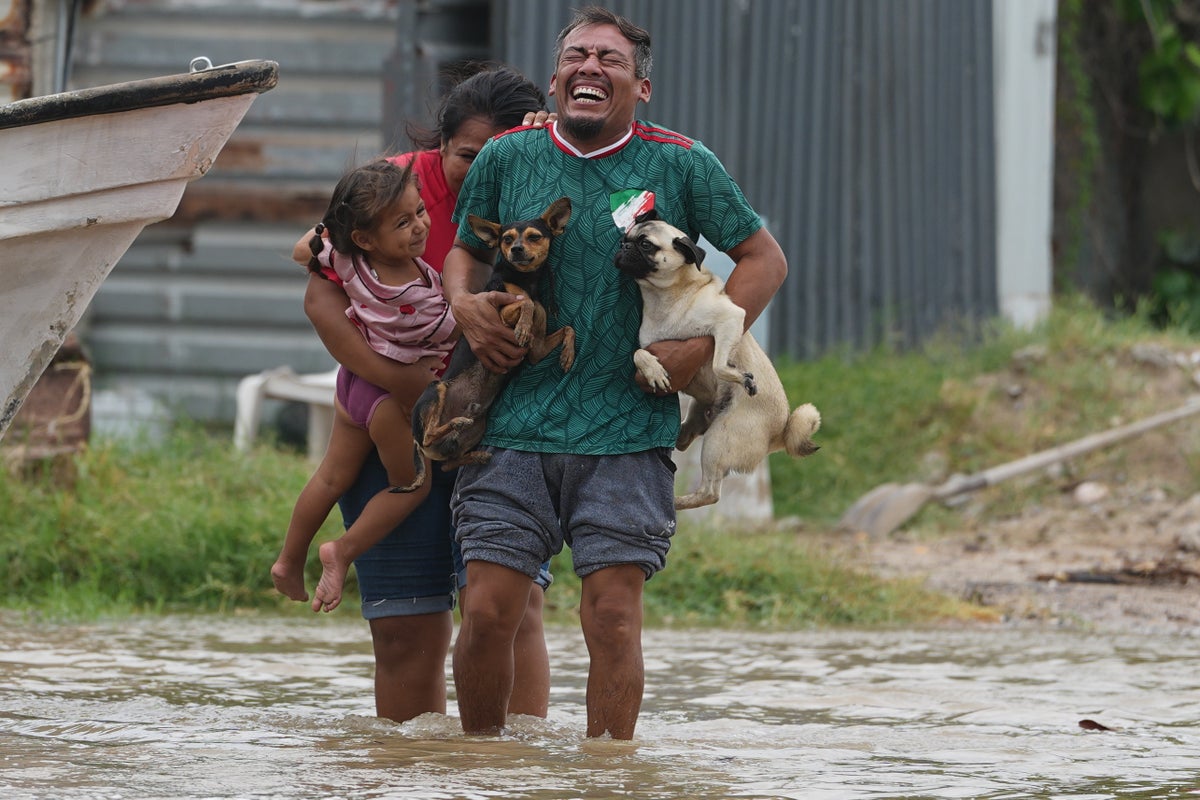
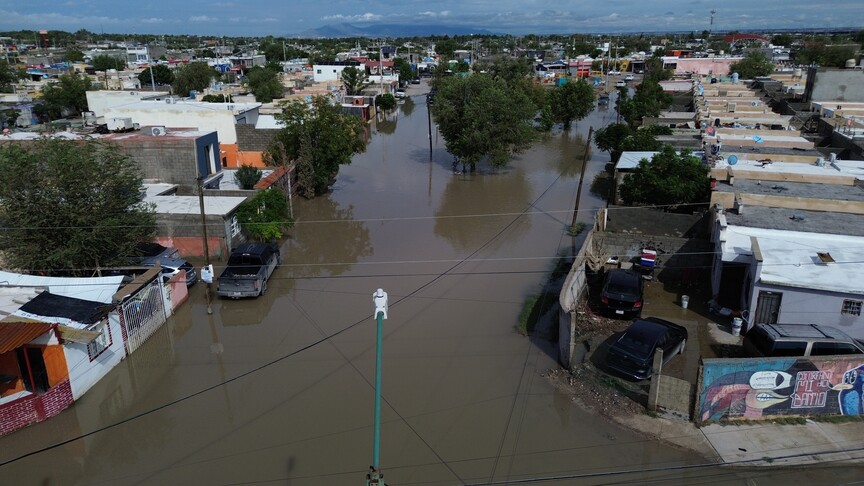
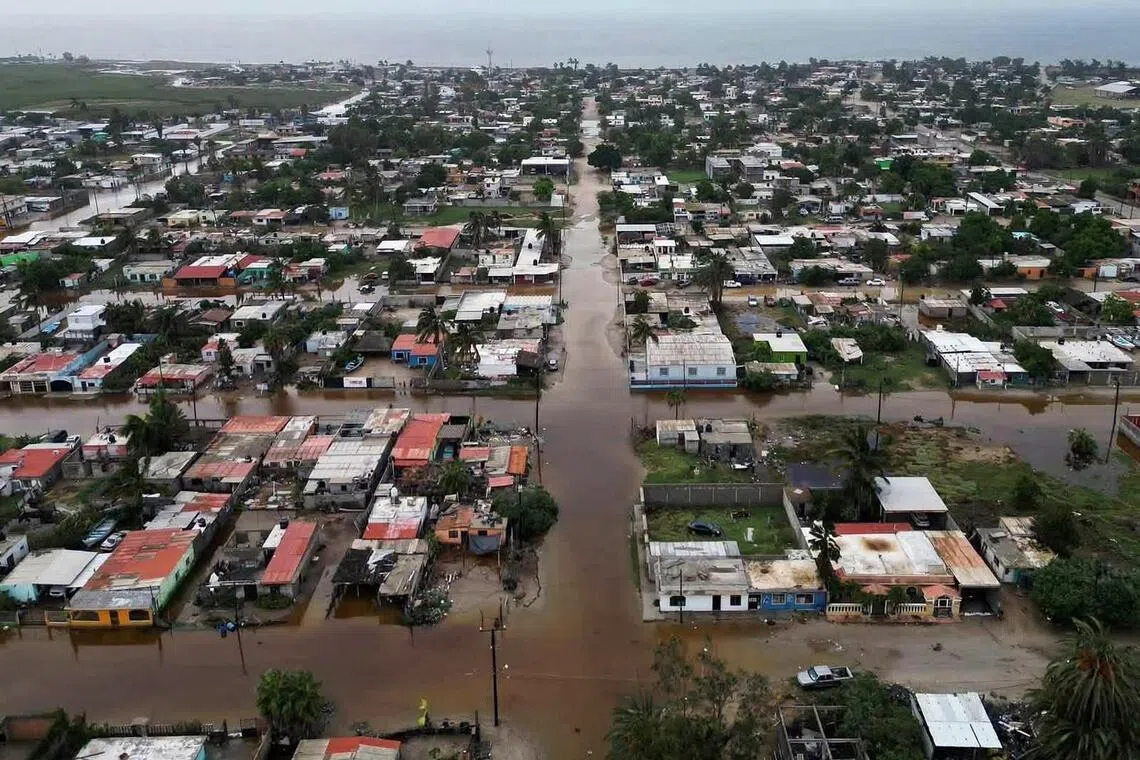
Residents sheltered, ports were closed and the navy sent ships with supplies. The IndependentLC “regional ports were shut down and local travel was halted” Read at The Independent ↗ The Straits TimesRC “A military vessel docked in the area with 2,000 batches of food and basic supplies” Read at The Straits Times ↗ AFP reported roofs torn off, flooded roads, power cuts and a collapsed highway bridge near Las Barrancas, but little serious damage and no reported injuries in initial assessments; Gov. Víctor Castro said infrastructure suffered "little damage." The Straits TimesRC “ripped roofs off houses, felled trees and flooded roads as it swept over Mexico’s Pacific coast but caused little serious damage and no reported injuries” Read at The Straits Times ↗ CBC NewsLC “Baja California Sur Gov. Víctor Manuel Castro said no deaths had been reported.” Read at CBC News ↗ Polo crossed the Gulf of California and made a second landfall in Sonora, near Guaymas according to CBC, as a Category 1 hurricane, then weakened to a tropical storm with 65 mph winds. CBC NewsLC “Polo again came ashore earlier on Tuesday near the port city of Guaymas as a Category 1 hurricane” Read at CBC News ↗ CBS NewsLC “Polo had maximum sustained winds of 65 mph Tuesday” Read at CBS News ↗
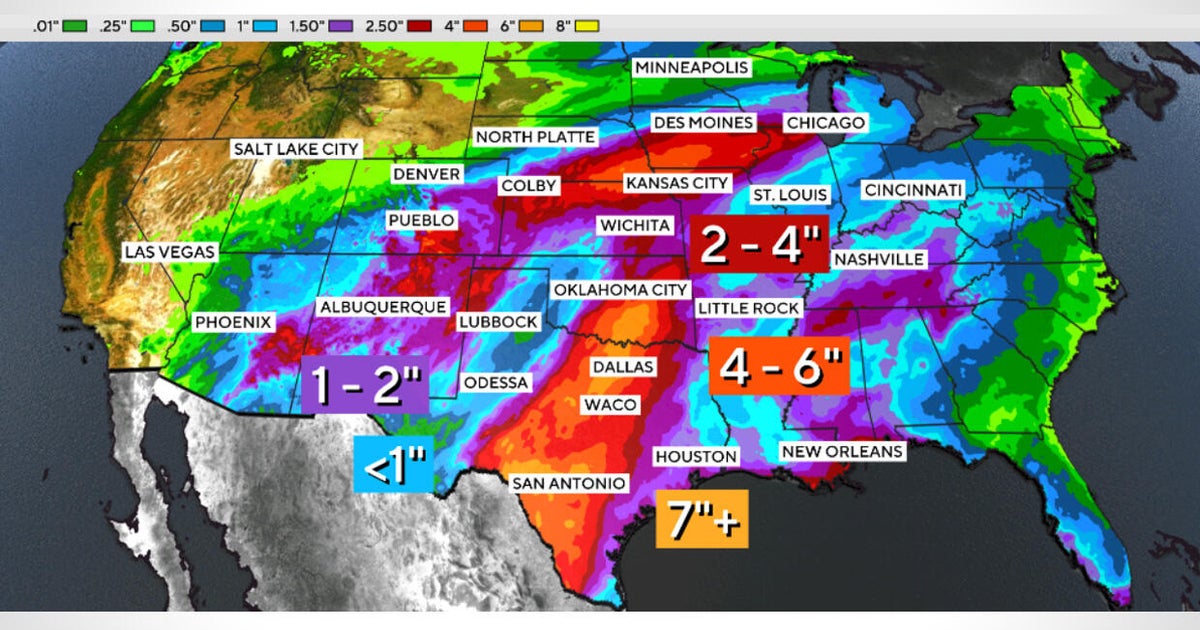
Its remnants are expected to bring heavy rain and flash-flood risk to the US Southwest and Plains; CBS said flood watches run from Phoenix to Des Moines and some southern New Mexico roads had already flooded. CBS NewsLC “Flash flood watches are in effect from Phoenix, Arizona to Des Moines, Iowa.” Read at CBS News ↗ New York PostR “across the southwestern US and southern Plains” Read at New York Post ↗ CBS reported Polo had earlier reached winds as high as 180 mph after extreme rapid intensification. CBS NewsLC “Its maximum sustained winds climbed as high as 180 mph at one point” Read at CBS News ↗ BBC, the Independent, CBS and the Straits Times link the active Pacific season to El Niño; CBC noted Tropical Storm Rachel strengthening offshore. BBC NewsN “fuelled by extremely warm waters caused by the El Niño climate phenomenon” Read at BBC News ↗ CBC NewsLC “Rachel was intensifying to the south” Read at CBC News ↗
Every sentence links to the reporting it rests on.
Left3 outlets
- Framing
- Focus on the storm's meteorology and the flood threat to the US, with record-strength intensification detail.
- Emphasis
- US flood watches, populations at risk, rapid intensification, El Niño; CBC adds Mexican governor's no-deaths statement.
- Leaves out or plays down
- CBS and the Independent give little on Mexican damage on the ground.
- Charged language
- “Lethal”“slamming Mexico”
- For example
-
“Lethal Hurricane Polo threatens to unleash deadly flash floods across US Southwest” — The Independent
“Tropical Storm Polo will impact the U.S. after slamming Mexico. See its path.” — CBS News
“Polo makes 2nd landfall on Mexico's Pacific coast” — CBC News
Centre2 outlets
- Framing
- Straight news report on the landfall, tourist region and later US impact.
- Emphasis
- Residents' testimony, tourist destinations, US rainfall.
- Leaves out or plays down
- No account of the second landfall or damage outcome.
- Charged language
- “life-threatening”
- For example
-
“The south of the peninsula is popular with tourists and acts as a base for surfers, sport fishers, and whale watchers.” — BBC News
Right2 outlets
- Framing
- NY Post uses dramatic language and footage; AFP via Straits Times stresses limited damage.
- Emphasis
- Post: waves, floods, violence; Straits Times: local voices and modest damage.
- Leaves out or plays down
- Post omits the later damage assessment; Straits Times gives less on US flooding.
- Charged language
- “unleashes hell”“tempest”
- For example
-
“Hurricane unleashes hell on Pacific Coast as streets turn to rivers and violent winds battered homes” — New York Post
“Nature, he said, had decided “to be kind this year.”” — The Straits Times
What every side reports
- Polo made landfall in Baja California Sur just south of Las Barrancas with 110 mph winds.
- Polo was forecast to, and did, make a second landfall in Sonora before weakening inland.
- Rain of 6 to 12 inches was forecast for Baja California Sur.
- Polo's remnants threaten flash flooding across the US Southwest.
- El Niño is tied to the active Pacific season.
Where accounts differ
-
Category and timing of first landfall
- Left
- Independent: Category 2, early Tuesday; CBS and CBC: Category 2.
- Centre
- BBC gives 110 mph winds without a category or time.
- Right
- New York Post: likely Category 2, around 11 p.m. Monday; AFP via Straits Times: Category 3, late Sept 28.
-
Severity of impact
- Left
- CBC: flooded crossings, toppled palms and poles, but no deaths reported and residents said it was not 'so disastrous'.
- Centre
- BBC: flooding of some coastal areas and power cuts, with no injury count given.
- Right
- New York Post stresses 'hell', flooded streets and battered homes; AFP via Straits Times stresses little serious damage and no reported injuries.
-
Polo made landfall just south of Las Barrancas, Baja California Sur, with maximum sustained winds of 110 mph.
Reported- Reports 5
- CBS News, The Independent, BBC News, New York Post, The Straits Times
-
Polo was expected to make (or made) a second landfall in southern Sonora, likely still as a hurricane, before weakening inland.
Reported- Reports 5
- CBC News, CBS News, BBC News, New York Post, The Straits Times
-
Polo's intensity was fuelled by El Niño-warmed waters, contributing to an active Pacific season.
Reported- Reports 4
- CBS News, The Independent, BBC News, The Straits Times
-
Polo did little serious damage and caused no injuries in Baja California Sur.
Mixed- Supports 1
- The Straits Times
- Disputes 1
- New York Post
- Reports 2
- CBC News, BBC News
-
Polo's remnants threaten flash flooding across the US Southwest and Plains.
Reported- Reports 4
- CBS News, The Independent, BBC News, New York Post
Hurricane Polo event
Forecasters at the US National Hurricane Center warned of life-threatening flooding and expected Polo to weaken inland.
“it was forecast to still be at hurricane strength when it makes its second landfall in mainland Mexico” — BBC News
Baja California place
Baja California Sur's governor said infrastructure suffered little damage.
“local infrastructure has suffered “little damage.”” — The Straits Times
Sonora place
Sonora suspended nonessential public operations and expected flooding and mudslides.
“officials announced Monday night the suspension of all "nonessential" public operations” — The Independent
North America3 outlets
Focused on US flood risk and NHC data; CBC added Mexican voices.
“more than 30 million people from Arizona to Iowa could be at risk for flash floods” — CBS News
CBS News, New York Post, CBC News
UK and Ireland2 outlets
BBC and Independent led with landfall and tourist or US flood angles.
“lashing the state of Baja California Sur with life-threatening winds” — BBC News
BBC News, The Independent
East and Southeast Asia1 outlet
AFP copy centred on local damage and the governor's remarks.
“Baja California Sur is one of the Mexican states most exposed to major storms.” — The Straits Times
The Straits Times
Left5 articles
-
Lethal Hurricane Polo threatens to unleash deadly flash floods across US Southwest
Alarmist Leads on deadly flood threat to the US Southwest.
-
Hurricane Polo makes landfall in Mexico
Neutral Landfall plus watches, US flood risk and record intensification.
-
Hurricane Polo will impact the U.S. after slamming Mexico. See its path.
Neutral Explainer on Polo's path and US impact.
-
Polo makes 2nd landfall on Mexico's Pacific coast
Neutral Second landfall, no deaths and residents relieved.
Show 1 moreShow fewer
-
Tropical Storm Polo will impact the U.S. after slamming Mexico. See its path.
Neutral Downgrade to tropical storm and US flood watches.
Centre2 articles
-
Hurricane Polo makes landfall on Mexico's Pacific coast
Neutral Landfall report with residents' quotes and tourism context.
-
Right3 articles
-
Hurricane unleashes hell on Pacific Coast as streets turn to rivers and violent winds battered homes
Alarmist Dramatic wording and footage of floods and waves.
-
The Straits TimesRC · · via AFP
Hurricane Polo sweeps over Mexico’s Pacific coast, heads inland
Sympathetic AFP copy stressing limited damage and local voices.
-

- 29 Sep 11:34 First BBC NewsN Hurricane Polo makes landfall on Mexico's Pacific coast
- 29 Sep 11:39 +4m The IndependentLC Lethal Hurricane Polo threatens to unleash deadly flash floods across US Southwest
- 29 Sep 11:42 +7m CBS NewsLC Hurricane Polo makes landfall in Mexico
- 29 Sep 15:46 +4h 11m CBS NewsLC Hurricane Polo will impact the U.S. after slamming Mexico. See its path.
- 29 Sep 16:34 +4h 59m New York PostR Hurricane unleashes hell on Pacific Coast as streets turn to rivers and violent winds battered homes
- 29 Sep 20:52 +9h 18m CBC NewsLC Polo makes 2nd landfall on Mexico's Pacific coast
- 29 Sep 22:18 +10h 44m CBS NewsLC Tropical Storm Polo will impact the U.S. after slamming Mexico. See its path.
- 30 Sep 00:34 +12h 59m The Straits TimesRC Hurricane Polo sweeps over Mexico’s Pacific coast, heads inland via AFP
- 30 Sep 19:04 +31h 30m Anadolu AgencyN Hurricane Polo leaves no fatalities in Mexico's Baja California Sur
- 30 Sep 20:20 +32h 46m New York PostR Hurricane-powered waves batter California coastline sparking massive rockslide at beauty spot
Times are when each article was published, or when we first saw it if the outlet gave no time.