ICC unseals arrest warrants for four Taliban leaders over gender persecution
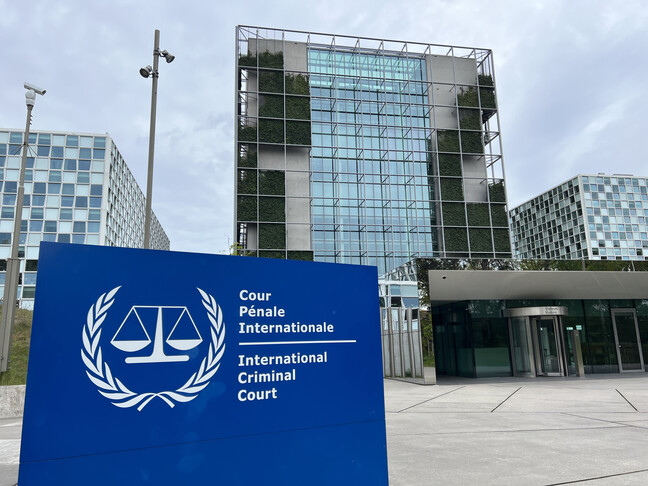
The International Criminal Court unsealed arrest warrants on Monday for four senior Taliban officials, accusing them of the crime against humanity of gender persecution. Arrests are considered unlikely because the Taliban control Afghanistan and the court has no police force.

1 / 3
The story, neutrally told
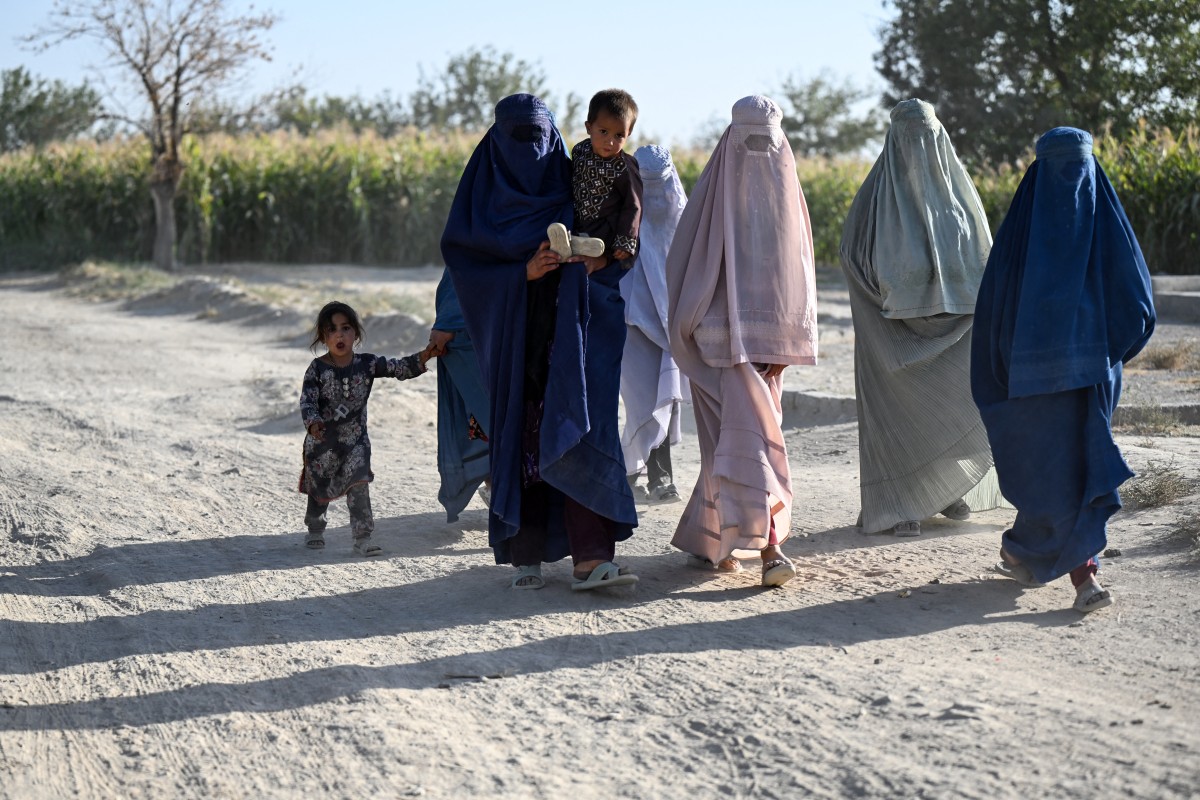
Mixed · 2The International Criminal Court said on Monday 5 October 2026 that it was unsealing arrest warrants for four senior Taliban officials, accusing them of the crime against humanity of persecution on gender grounds against women and girls in Afghanistan since the Taliban took power in 2021. Arab NewsRC “The International Criminal Court said on Monday it would unseal arrest warrants against four senior Taliban leaders” Read at Arab News ↗ France 24N “The ICC's Pre-Trial Chamber II said it decided to unseal all four warrants, with redactions” Read at France 24 ↗ Mixed · 2The four are the Taliban's supreme leader, Hibatullah Akhundzada; the head of Afghanistan's Supreme Court, Abdul Hakim Haqqani; Education Minister Habibullah Agha; and Minister of Higher Education Neda Mohammad Nadim (spelt Nadeem by France 24). Arab NewsRC “Also wanted are Education Minister Habibullah Agha and Minister of Higher Education Neda Mohammad Nadim.” Read at Arab News ↗ France 24N “Both Agha and Nadeem have played key roles in implementing the supreme leader's vision for Afghanistan.” Read at France 24 ↗ Mixed · 2The warrants for Akhundzada and Haqqani were authorised in July 2025, and those for Agha and Nadeem were issued on 9 September 2025; the existence of the first two had been revealed earlier, but all remained sealed until Monday. Arab NewsRC “The existence of the warrants against Akhunzada and Haqqani was revealed last year, but the warrants remained sealed.” Read at Arab News ↗ France 24N “were issued on September 9, 2025 and remained under seal until Monday.” Read at France 24 ↗
Right · 1Former ICC chief prosecutor Karim Khan had announced in January 2025 that he sought warrants for Akhundzada and Haqqani, saying Afghan women and girls and the LGBTQI+ community faced "unprecedented, unconscionable and ongoing persecution". Arab NewsRC “Former ICC chief prosecutor Karim Khan announced in January last year that he had requested warrants for Akhunzada and Haqqani” Read at Arab News ↗ Mixed · 2The court said persecution was directed at girls, women and other people not conforming to Taliban gender policy, and, on political grounds, at people seen as "allies of girls and women"; it said it was carried out in connection with murder, imprisonment, torture, rape and enforced disappearance. Arab NewsRC “on political grounds against persons perceived as ‘allies of girls and women,’” the court said Monday.” Read at Arab News ↗ France 24N “including "imprisonment, torture, rape and enforced disappearance".” Read at France 24 ↗ Right · 1Judges said the suspects, "acting on behalf of the Taliban", implemented a policy that deprived girls and women of rights including education, privacy and family life, and freedom of movement, expression, thought, conscience and religion. Arab NewsRC “The judges said that the Taliban “specifically targeted girls and women by reason of their gender, depriving them of fundamental rights and freedoms”” Read at Arab News ↗
Centre · 1The court said there are "reasonable grounds to believe" the suspects committed the crimes between the Taliban takeover and at least 20 January 2025. France 24N “The court said the alleged crimes were committed in Afghanistan from the Taliban's takeover until at least January 20, 2025.”“"There are "reasonable grounds to believe" the suspects committed” Read at France 24 ↗ Centre · 1Pre-Trial Chamber II said unsealing, with redactions, would not unduly affect ongoing investigations, could "prevent the commission of further crimes by the suspects", and could promote international cooperation. France 24N “could "prevent the commission of further crimes by the suspects"” Read at France 24 ↗ Right · 1AP said the prospect of arrests is remote, since the Taliban control Afghanistan and the court has no police force; full details of the warrants were not immediately released. Arab NewsRC “the prospect of any of the suspects being arrested is remote.”“Full details of the unsealed warrants were not immediately released.” Read at Arab News ↗
Mixed · 2Both AP and AFP said they had approached the Taliban for comment; no Taliban response is reported. Arab NewsRC “The Associated Press approached the Taliban for a reaction to the court’s announcement.” Read at Arab News ↗ France 24N “AFP has approached Taliban authorities for comment.” Read at France 24 ↗ Centre · 1The disclosure came the same day the UN Human Rights Council's 47 member states unanimously urged the Taliban to repeal their "worsening" and "systematic oppression" of women and girls; France 24 said the warrants were likely to increase international pressure on the Taliban. France 24N “The council's 47 member countries unanimously criticised that discrimination”“The ICC warrants were likely to increase international pressure on the Taliban government.” Read at France 24 ↗ Mixed · 2Under Taliban rule, women are barred from most jobs, most public spaces and education beyond sixth grade, according to AP; France 24 reports girls over 12 are barred from school, universities are men-only, and the ban on women studying medicine has caused hospital staff shortages. Arab NewsRC “the Taliban have barred women from jobs, most public spaces and education beyond sixth grade.” Read at Arab News ↗ France 24N “The higher education ban has led to staff shortages in hospitals” Read at France 24 ↗
Every sentence links to the reporting it rests on. The pill in front of each says where its sources sit: Left, Centre or Right when one side supplies at least half of them, Mixed when they are evenly split. The number is how many outlets it cites.
Left0 outlets
No left outlet in our sources has covered this story yet.
Centre3 outlets
- Framing
- France 24 leads on the two education ministers and the education ban, placing the ICC step in the context of a UN Human Rights Council vote and its own AFP reporting on the effects on Afghan women and girls.
- Emphasis
- Education restrictions, the court's reasoning for unsealing, the 20 January 2025 end date, the UN council's unanimous criticism, and the human toll in Afghanistan.
- Leaves out or plays down
- Does not mention that arrests are unlikely, nor Karim Khan's earlier application, nor the LGBTQI+ and political-grounds elements of the charges.
- Charged language
- “worsening”“systematic oppression”
Right1 outlet
- Framing
- Arab News carries AP's wire report, which leads on all four leaders and the court's charges, and stresses that arrest is a remote prospect. This is the agency's wording rather than the outlet's own framing.
- Emphasis
- The four named suspects, the court's description of the charges including gender identity and political grounds, Karim Khan's earlier request, and the court's lack of enforcement power.
- Leaves out or plays down
- Omits the UN Human Rights Council vote, the court's reasons for unsealing and the end date of the alleged crimes.
- Charged language
- “unprecedented, unconscionable and ongoing persecution”
- For example
-
“With the Taliban in control of Afghanistan and the court having no police force to execute warrants, the prospect of any of the suspects being arrested is remote.” — Arab News
“Rights groups applauded last year when the court issued sealed warrants for the two senior Taliban leaders.” — Arab News
What every side reports
- The ICC unsealed arrest warrants on Monday 5 October 2026 for Taliban officials over gender persecution.
- The warrants cover supreme leader Hibatullah Akhundzada, Supreme Court head Abdul Hakim Haqqani, Education Minister Habibullah Agha and Higher Education Minister Neda Mohammad Nadeem/Nadim.
- The charge is the crime against humanity of persecution on gender grounds, linked to murder, imprisonment, torture, rape and enforced disappearance.
- The Taliban were approached for comment.
Where accounts differ
-
Scope of the headline news
- Centre
- France 24 presents the unsealing as concerning the two education ministers, with the Akhundzada and Haqqani warrants described as partly public already.
- Right
- AP, carried by Arab News, presents it as unsealing warrants for all four leaders, noting the first two were already known.
International Criminal Court organisation
The court says there are reasonable grounds to believe the four committed gender persecution and unsealed the warrants to prevent further crimes and promote cooperation.
“could "prevent the commission of further crimes by the suspects"” — France 24
Taliban organisation
No Taliban response is reported; both AP and AFP said they sought comment.
“The Associated Press approached the Taliban for a reaction to the court’s announcement.” — Arab News
“AFP has approached Taliban authorities for comment.” — France 24
Hibatullah Akhundzada person
Named as a suspect as the Taliban's supreme leader; a warrant was authorised in July 2025. No response is reported.
“authorised warrants for Afghanistan's Supreme Taliban Leader Haibatullah Akhundzada” — France 24
Left0 articles
No coverage yet.
Centre3 articles
-
ICC unseals arrest warrants for Taliban education ministers
Sympathetic France 24 focuses on the education ministers and the impact of the bans on Afghan women, alongside UN criticism.
-
Right1 article
-
Arab NewsRC · · via AP
ICC will unseal arrest warrants for 4 Taliban leaders wanted on gender persecution charges
Neutral AP wire copy run by Arab News: factual account of the four warrants and charges, noting arrest is unlikely.
- 5 Oct 16:56 First Arab NewsRC ICC will unseal arrest warrants for 4 Taliban leaders wanted on gender persecution charges via AP
- 5 Oct 17:16 +20m France 24N ICC unseals arrest warrants for Taliban education ministers
- 5 Oct 19:15 +2h 19m Anadolu AgencyN International Criminal Court unseals arrest warrants for 4 Taliban figures over alleged persecution
- 5 Oct 19:35 +2h 39m Hindustan TimesN ICC unseals arrest warrants for 4 Taliban leaders wanted on gender persecution charges via AP
Times are when each article was published, or when we first saw it if the outlet gave no time.