ICJ rules 9-6 that Myanmar committed genocide against the Rohingya
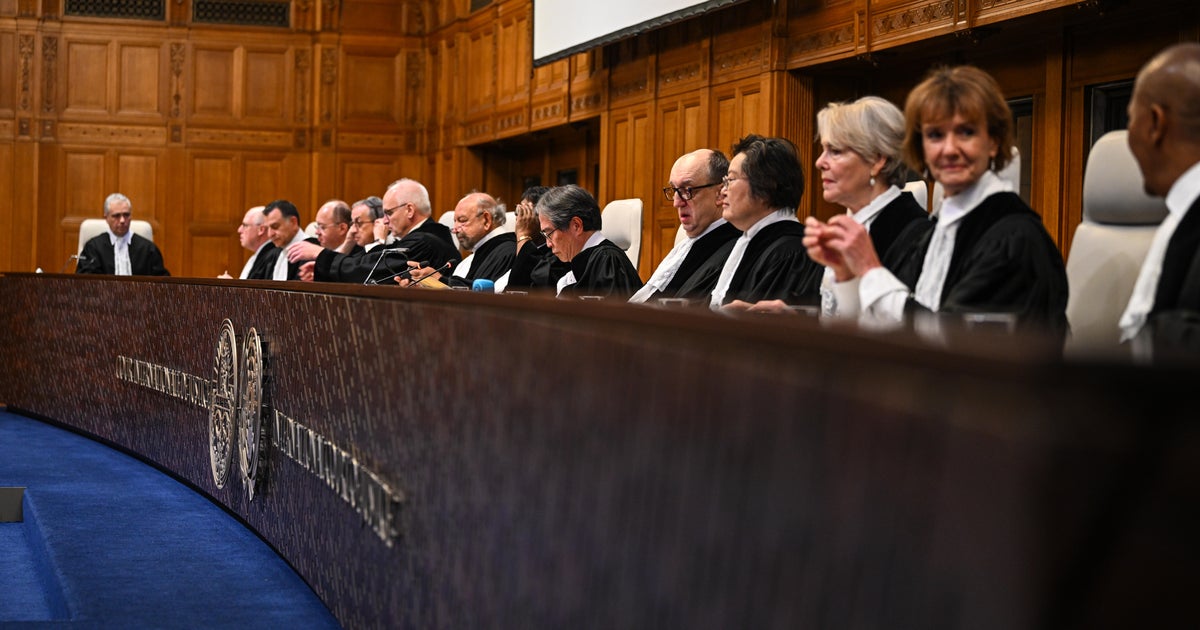
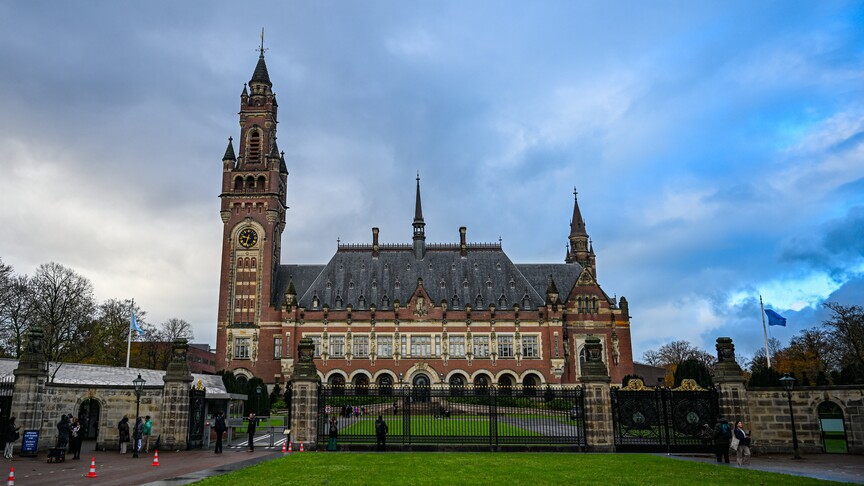
The International Court of Justice ruled on 19 November, by 9 votes to 6, that Myanmar committed genocide against the Rohingya in 2017, the first time it has found a state responsible for genocide. It ordered return, prosecutions and compensation; coverage stresses limited enforcement and the link to South Africa's case against Israel.
Updated (version 8). New coverage since the last version from CBC News, Daily Mirror, New York Post, The Verge, Washington Examiner.



1 / 8
The story, neutrally told
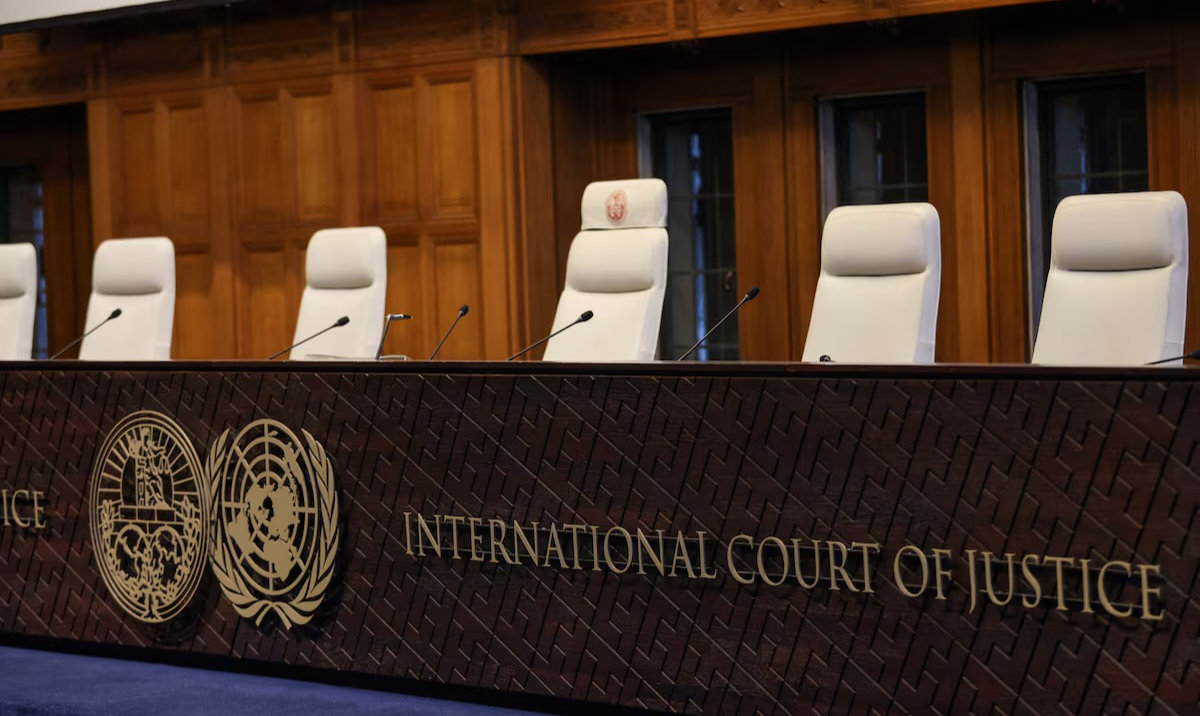
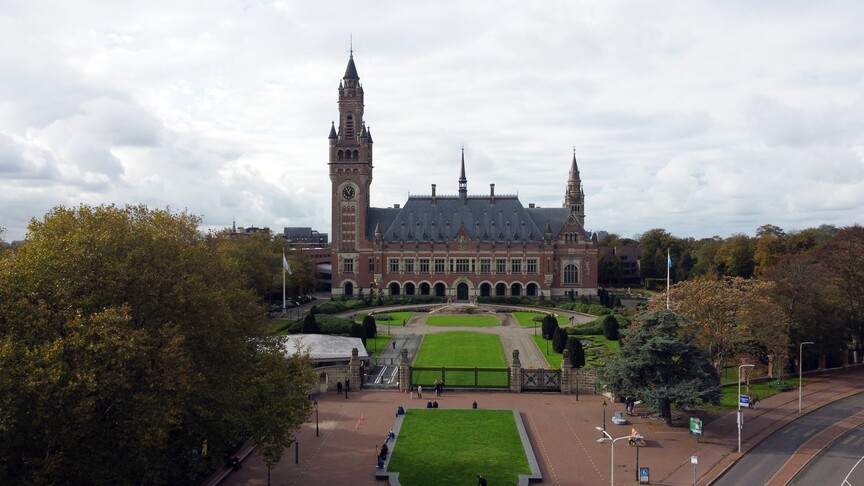
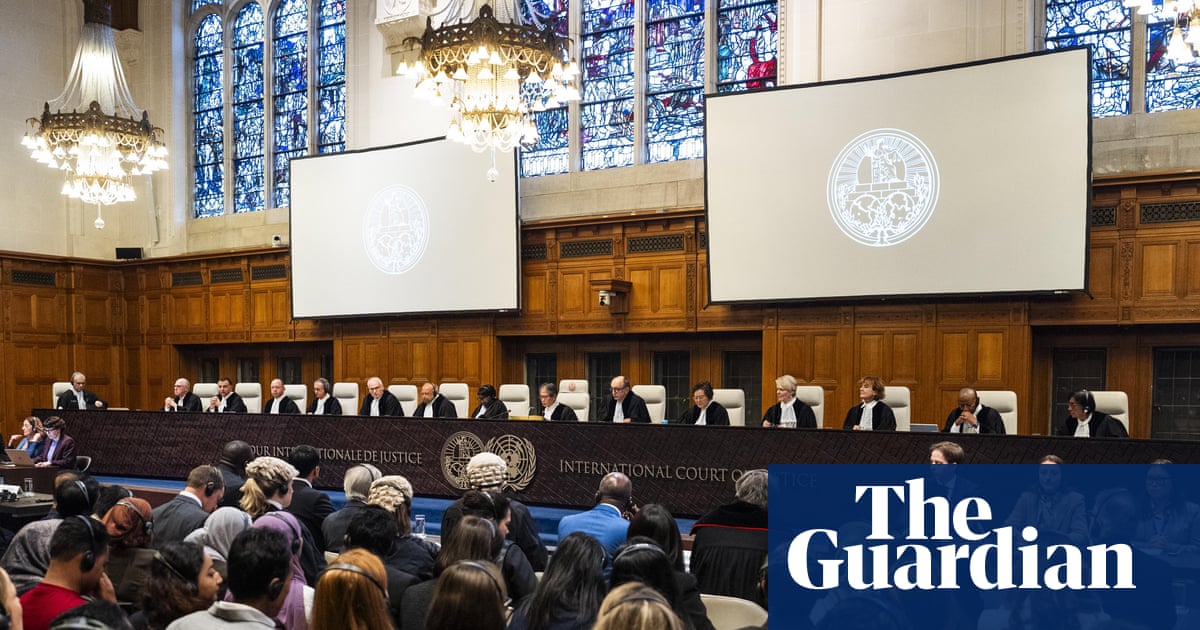
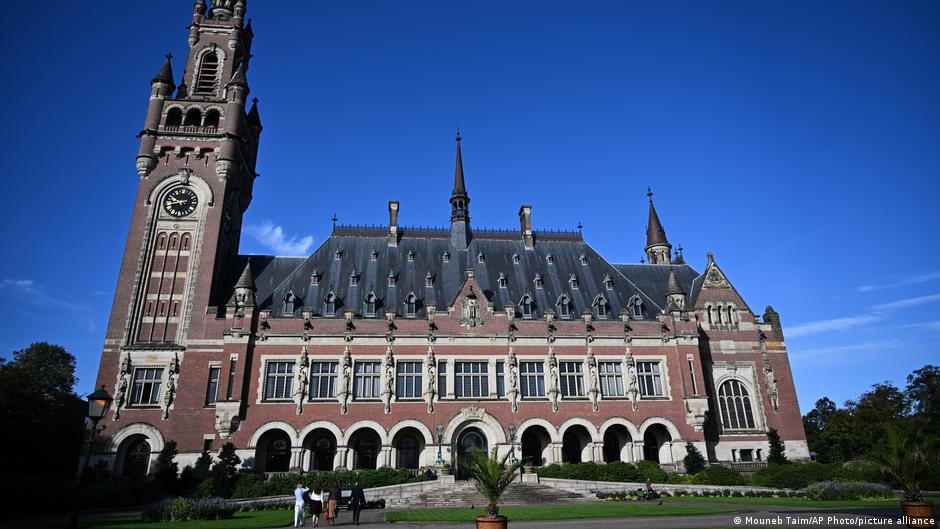
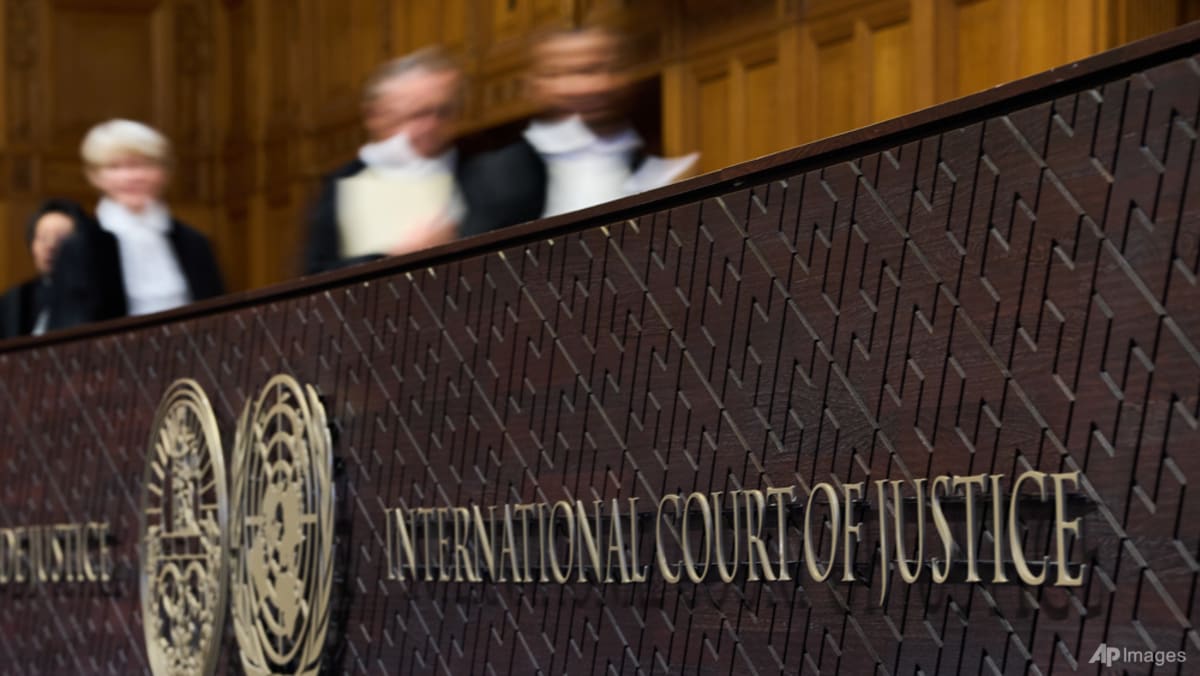
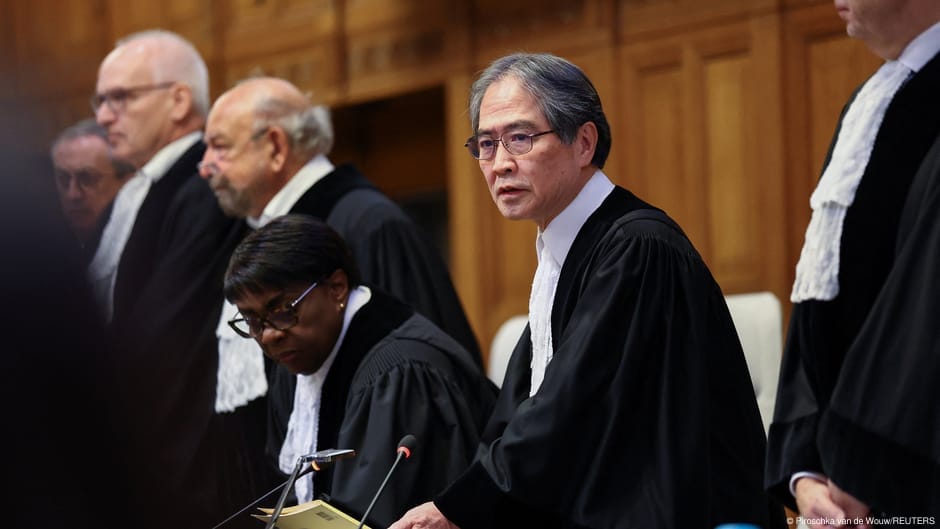
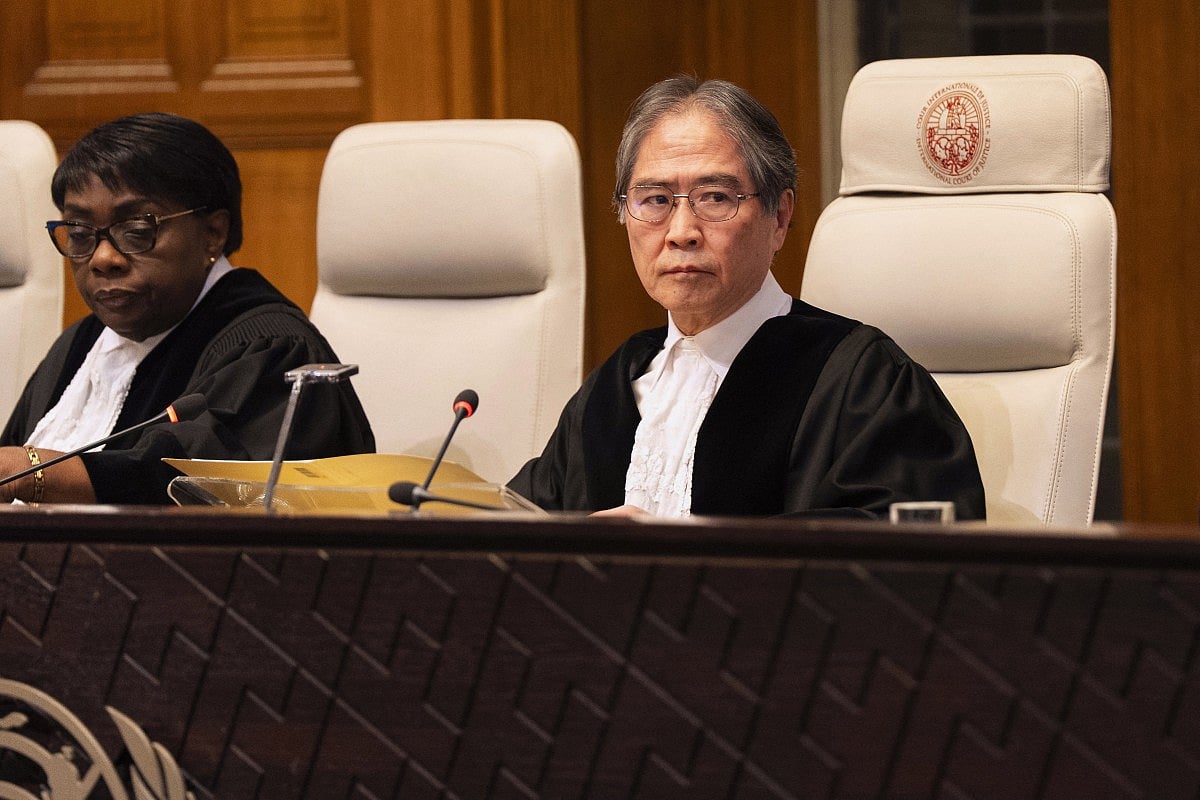
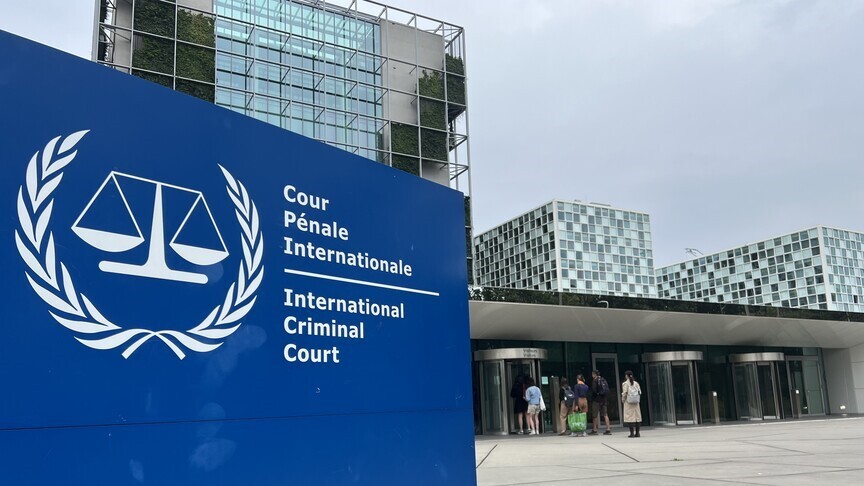
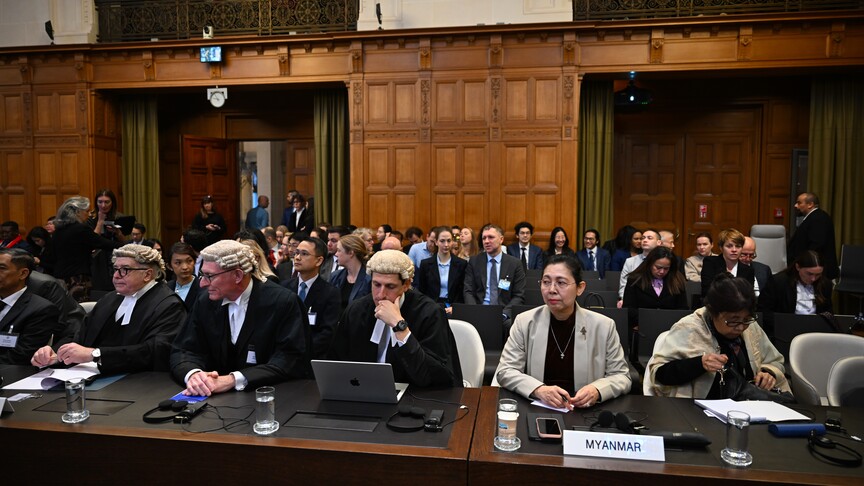
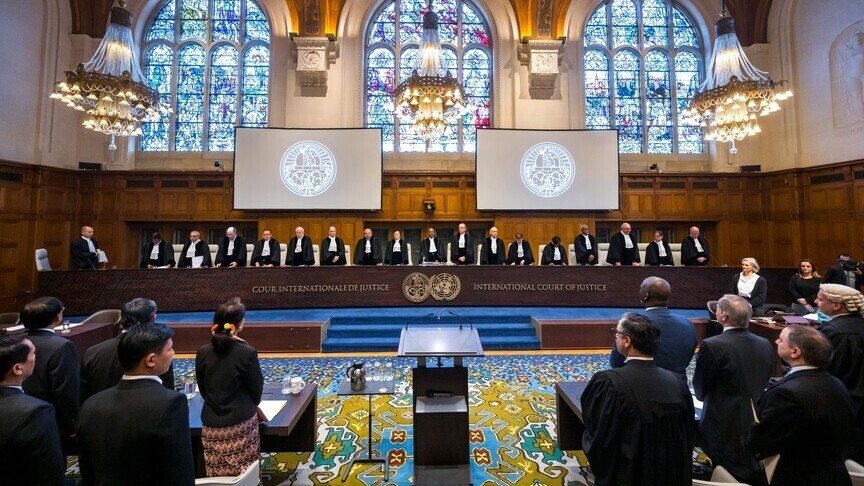
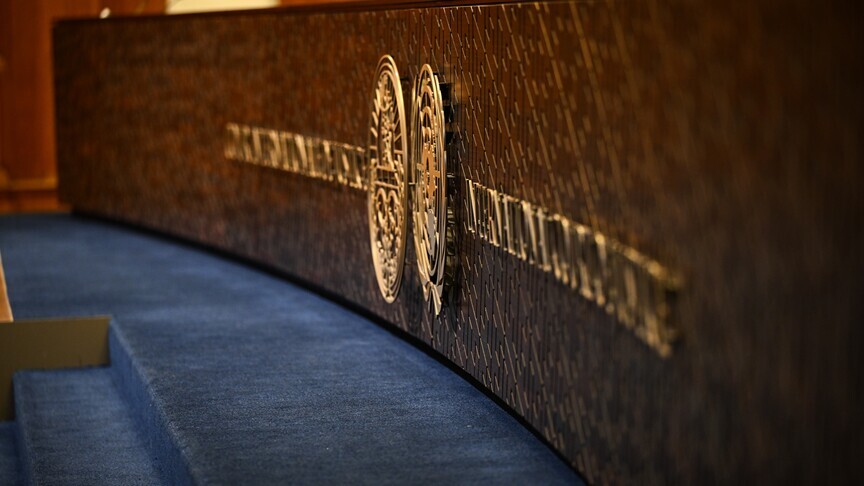
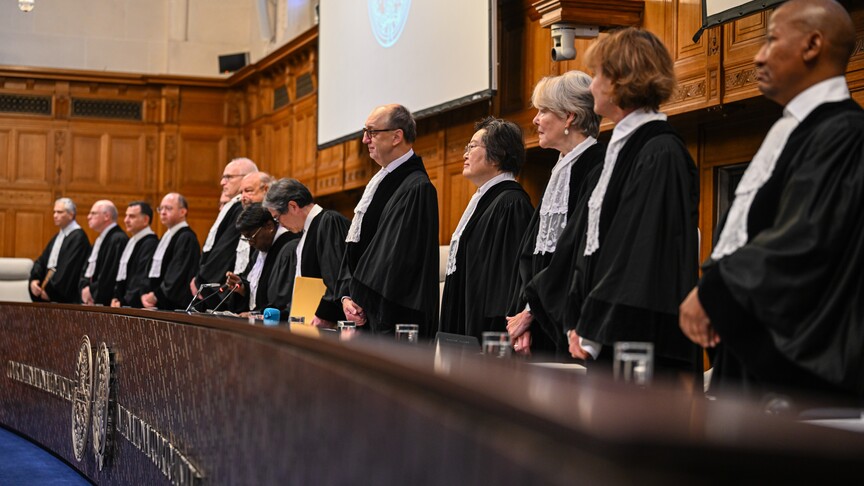
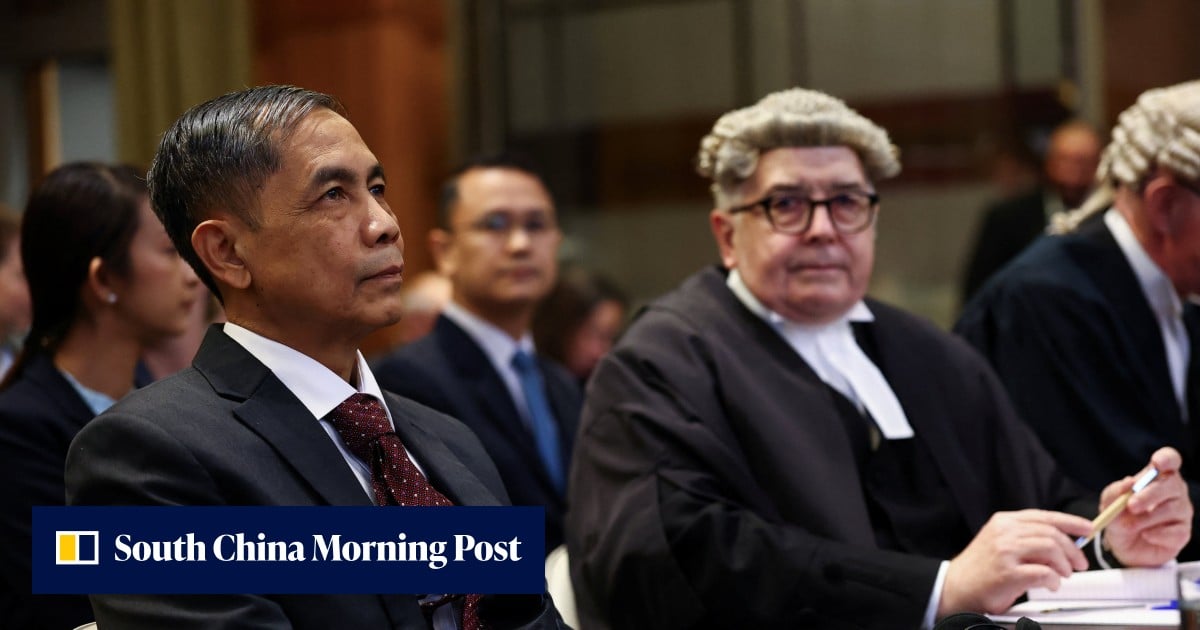
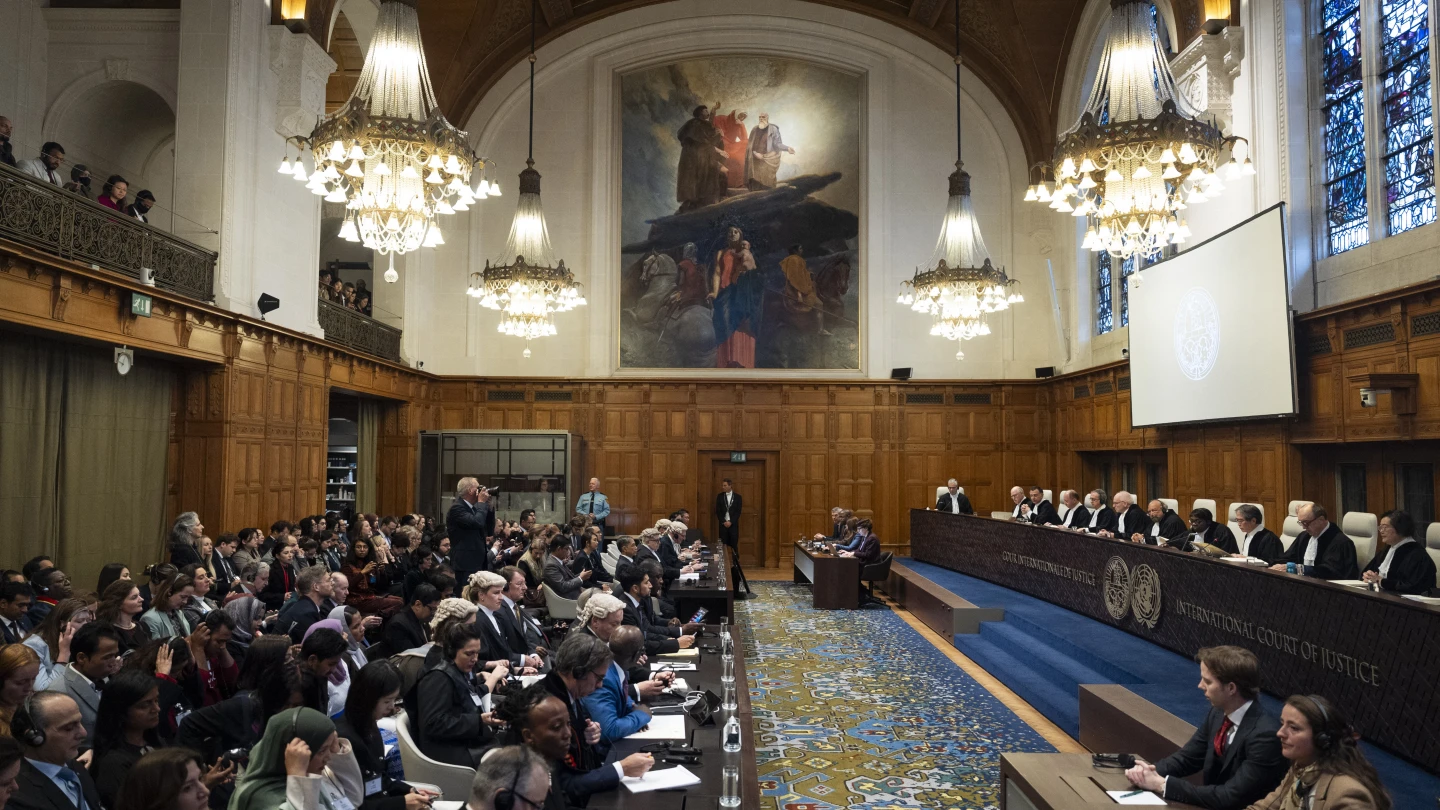
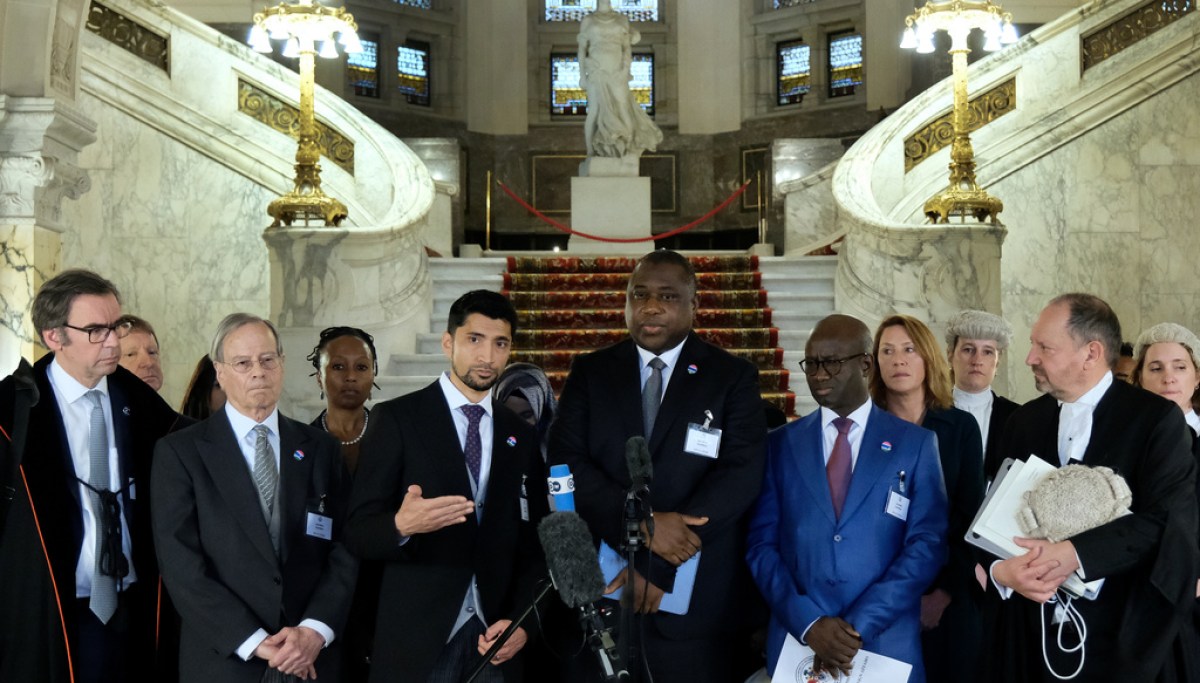
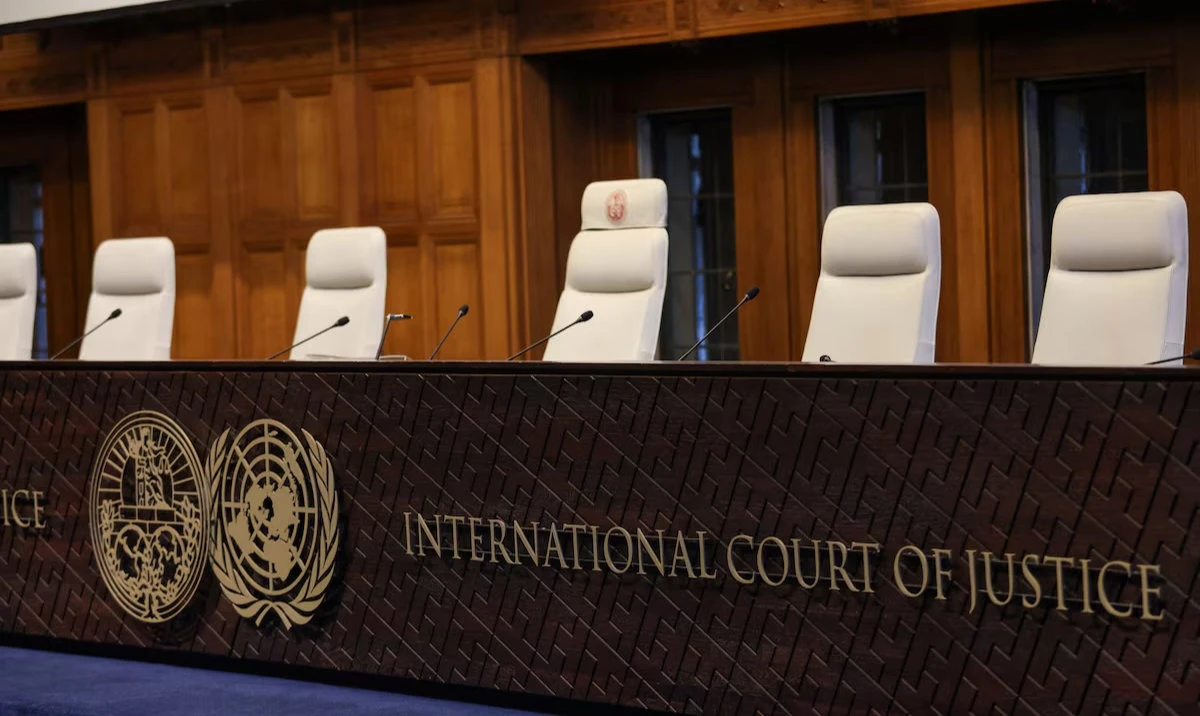
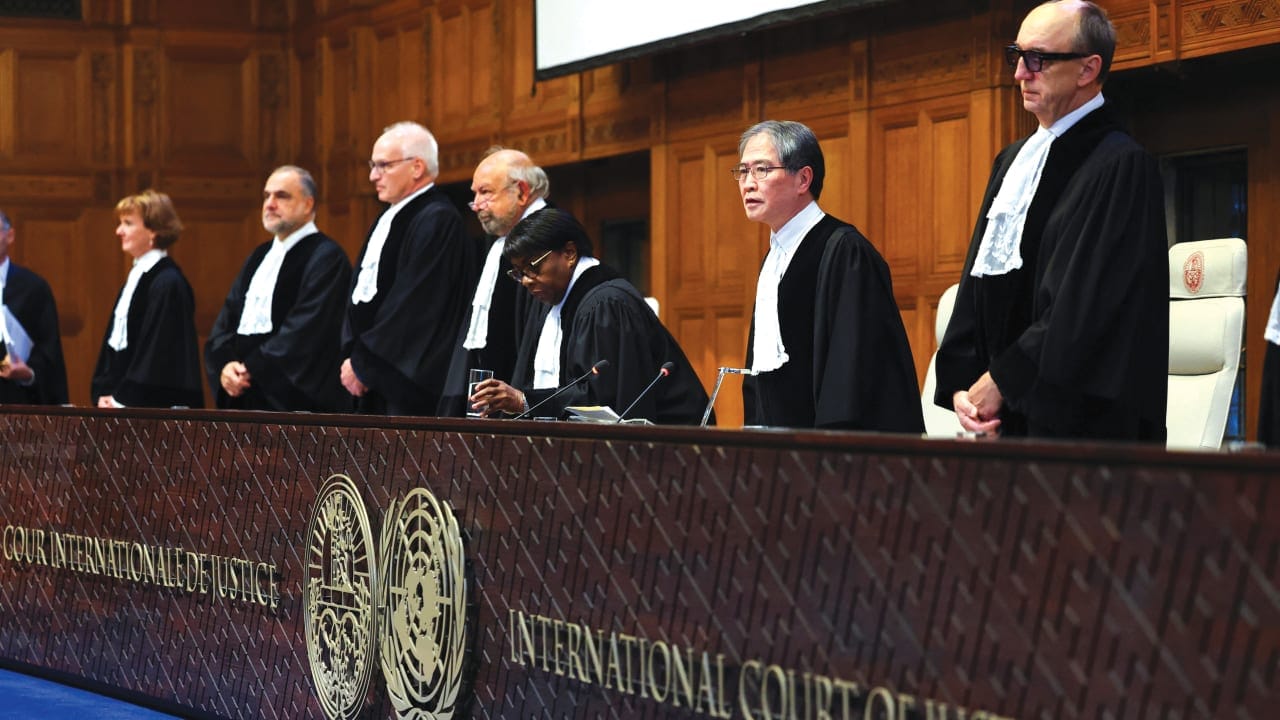
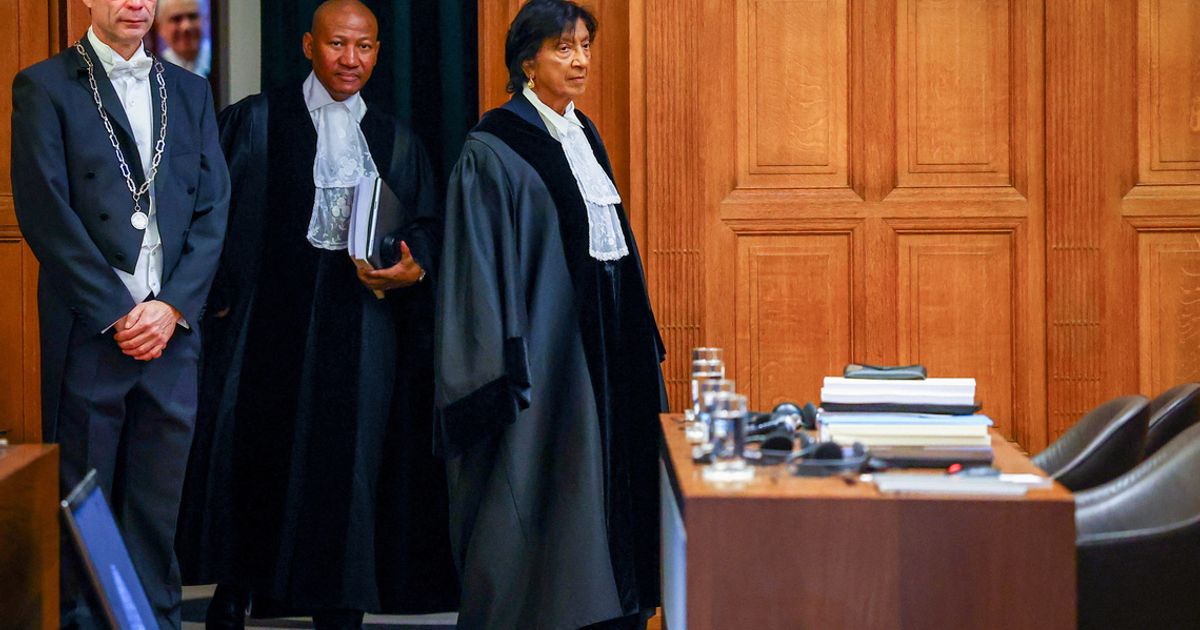
Mixed · 2The International Court of Justice (ICJ) in The Hague ruled on Thursday 19 November, by 9 votes to 6, that Myanmar committed genocide against its Rohingya minority; the judgment was due to be read by court president Yuji Iwasawa on the morning of the ruling. Arab NewsRC “in a 9-6 decision, found that Myanmar “has committed genocide against the Rohingya group in northern Rakhine state, in violation of its obligations under the Genocide Convention.”” Read at Arab News ↗ The NationalN “The court found by 9 voices to 6 that Myanmar "has committed genocide against the Rohingya group in northern Rakhine state” Read at The National ↗ Right · 1Iwasawa said the court found that Myanmar's security forces 'killed thousands of Rohingya civilians, perpetrated widespread acts of sexual violence as well as acts of extreme violence against children and attacked fleeing Rohingya as they sought to flee in large numbers to Bangladesh'. The court said evidence showed about 10,000 Rohingya were killed, and it rejected Myanmar's defence that the 2017 campaign was a legitimate operation against insurgents. Arab NewsRC “the court finds that Myanmar’s security forces killed thousands of Rohingya civilians, perpetrated widespread acts of sexual violence, as well as acts of extreme violence against children, and attacked fleeing Rohingya as they sought to flee in large numbers.”“The court said that evidence showed Myanmar forces killed about 10,000 Rohingya.” Read at Arab News ↗ Centre · 3Reading the judgment at a hearing that lasted more than two hours, ICJ President Yuji Iwasawa said Myanmar 'has committed genocide against the Rohingya group in northern Rakhine State'. The BBC and Anadolu report the court also found by majority that Myanmar violated several other provisions of the 1948 Genocide Convention, and the Washington Examiner reports a 14-1 vote that Myanmar must cease any ongoing violations. Anadolu AgencyN “The judges also found Myanmar responsible for several other specific violations in rulings reached by majority votes.” Read at Anadolu Agency ↗ Washington ExaminerR “The court also ruled 14-1 that Myanmar must cease any ongoing violations of its obligations under the Genocide Convention.” Read at Washington Examiner ↗ BBC NewsN “The ICJ also found in favour by majority that Myanmar had violated several other parts of the 1948 Genocide Convention.” Read at BBC News ↗
Centre · 2On intent, Deutsche Welle quotes the court as saying that, taking all the evidence together, 'the only reasonable inference that can explain Myanmar's actions is an intention to destroy a substantial part of... the Rohingya population in northern Rakhine State'. The National says the judges cited anti-Rohingya hate speech that portrayed them as 'subhuman' and created a 'climate conducive to targeting a group for destruction', and found forces aimed to stop births by separating men and women. The court also noted Myanmar's failure to investigate and its refusal to give access to evidence and witnesses, so it may lack information held inside the country. Deutsche WelleN “the only reasonable inference that can explain Myanmar's actions is an intention to destroy a substantial part of... the Rohingya population in northern Rakhine State”“Myanmar's failure, genuinely to investigate the alleged atrocities, and its refusal to facilitate access to evidence and witnesses” Read at Deutsche Welle ↗ The NationalN “State forces aimed to stop children being born by separating men and women” Read at The National ↗ Centre · 2The BBC says the court found about 815,000 Rohingya had been targeted and that Myanmar engaged in 'extensive destruction of evidence'. Myanmar must report within two years on the restitution measures it has adopted, with the amount of compensation set in a later phase. Government representative Ko Ko Hlaing, who told the court in January that Myanmar 'was not obliged to remain idle and allow terrorists to have free reign', said he had 'no comment' after the verdict. BBC NewsN “The court found that approximately 815,000 had been targeted in some way.”“He said he had "no comment" following Thursday's verdict.” Read at BBC News ↗ Anadolu AgencyN “a report on the measures of restitution it has adopted and the amount and modalities of compensation” Read at Anadolu Agency ↗ Mixed · 2The Guardian says the court kept the existing 'only reasonable inference' benchmark for intent and did not directly lower the standard, but held that other motives, such as a desire to displace or punish the Rohingya, could exist alongside genocidal intent. It also looked beyond the roughly 10,000 deaths to the 815,000 people targeted, to mental harm to survivors, and to the impact on reproduction. Legal Action Worldwide's Antonia Mulvey told the BBC the court found for the first time that rape and sexual violence was an act of genocide. The GuardianLC “The court did not directly lower the standard for demonstrating genocide, and the Gambia – which brought the case to The Hague – did not ask it to.”“Myanmar could have had other motives, such as the desire to displace or punish the Rohingya population, but that those motives could exist alongside genocidal intent.” Read at The Guardian ↗ BBC NewsN “had found for the first time that rape and sexual violence was an act of genocide” Read at BBC News ↗
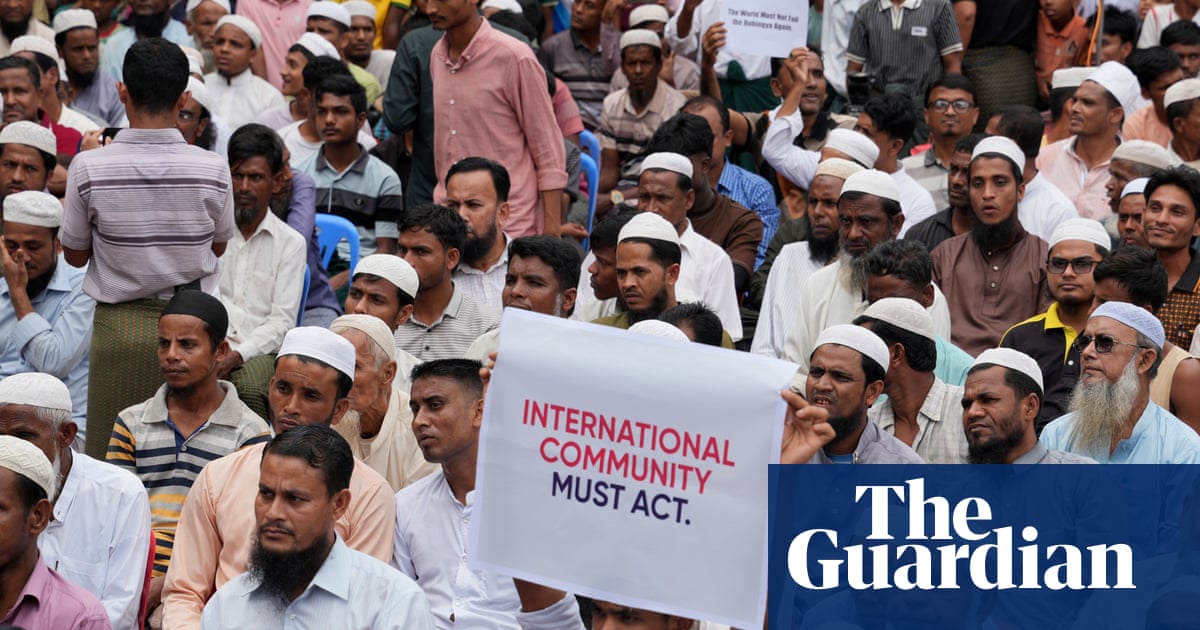
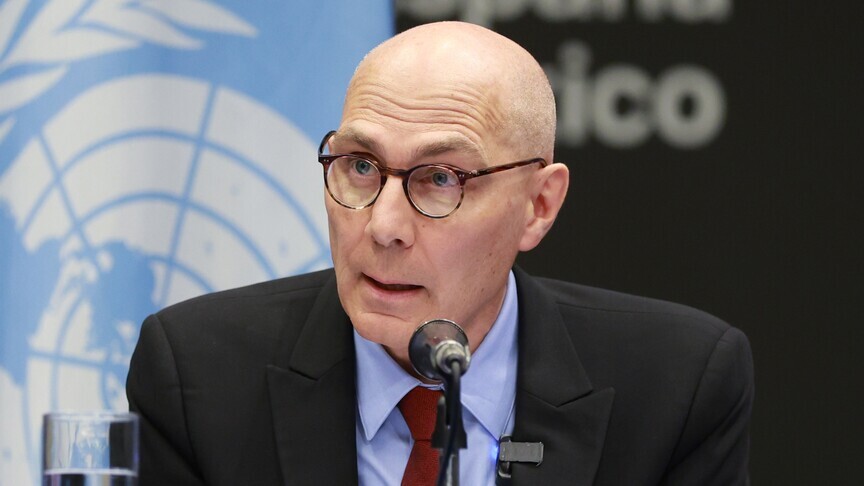
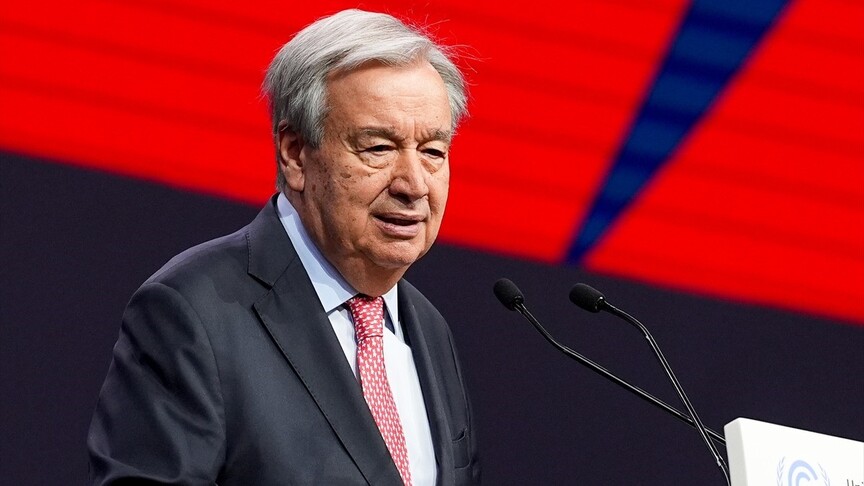
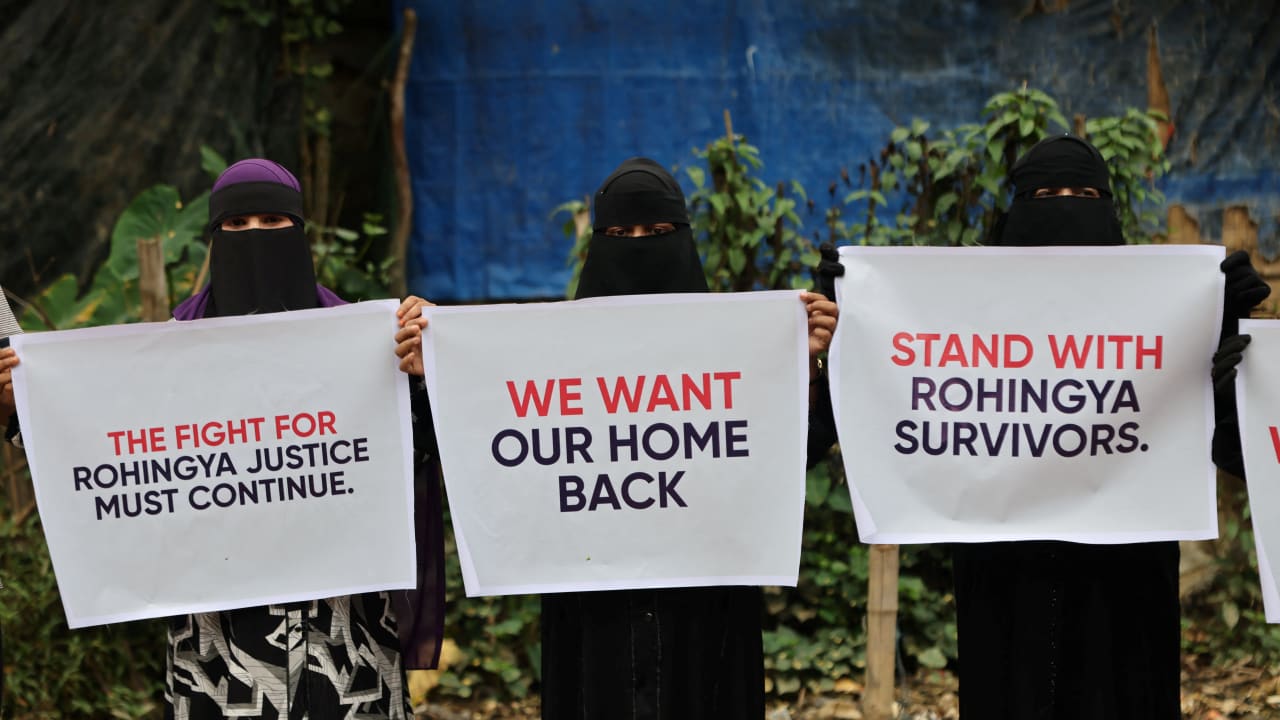
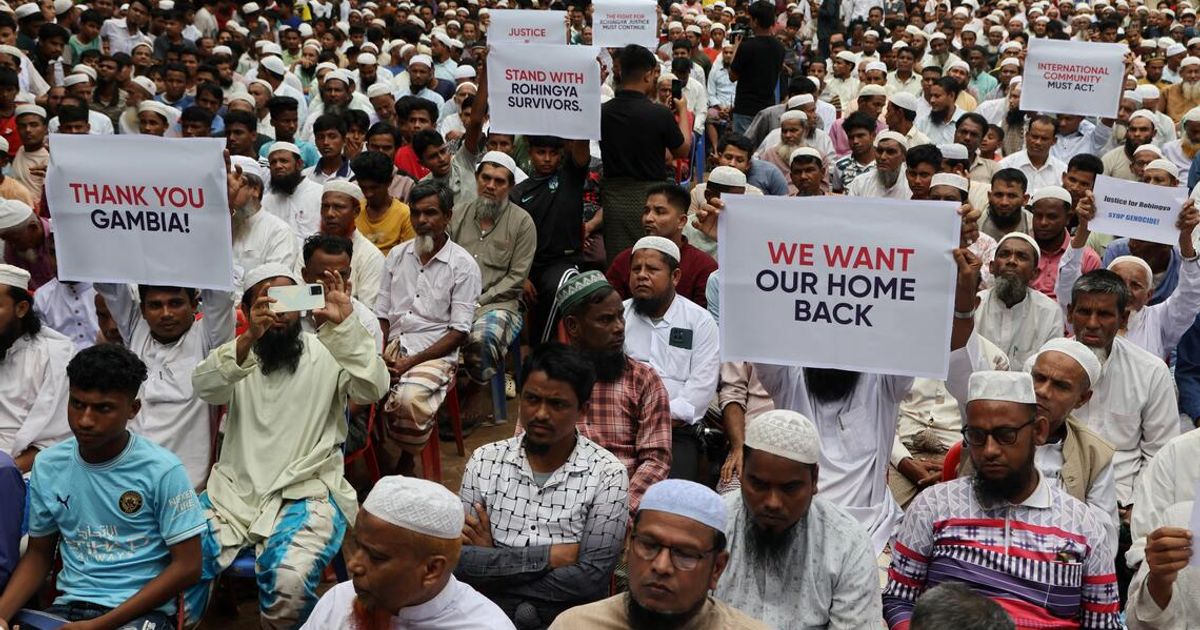
Mixed · 2The court ordered Myanmar to allow the safe, voluntary and dignified return of displaced Rohingya and the reunification of families, to investigate and punish those responsible for genocidal acts, to give assurances of non-repetition, and to compensate Rohingya, with the amount to be set in later proceedings. CNA and AP describe it as the first time the ICJ has found a state responsible for genocide, and CNA says it is only the fourth time since the Holocaust an international court has found the genocide threshold met. CNAN “Myanmar must also allow the safe return of the Rohingya Muslim minority to their place of residence and allow reunification of families”“marked only the fourth time since the Nazi Holocaust that an international court ruled that the legal threshold to prove genocide had been met.” Read at CNA ↗ Arab NewsRC “to pay compensation to Rohingya. The amount will be decided in later court proceedings.” Read at Arab News ↗ Mixed · 2Yasmin Ullah, a Rohingya activist who attended the reading, called it 'a great day for the Rohingya'. Human Rights Watch's Maria Elena Vignoli called it 'long-awaited recognition' and a significant precedent. UN human rights chief Volker Türk said the judgment 'clearly concludes the State of Myanmar stands responsible for one of the most egregious crimes known to humankind', urged states to halt transfers of military equipment and jet fuel to Myanmar, and said there must be no return of Rohingya until conditions are safe. Arab NewsRC ““This is a great day for the Rohingya, and it is a great day for all oppressed people, everywhere” Read at Arab News ↗ Anadolu AgencyN “This judgment clearly concludes the State of Myanmar stands responsible for one of the most egregious crimes known to humankind”“There must also be no return of Rohingya to Myanmar until such time that there are conditions for safe and sustainable return” Read at Anadolu Agency ↗ Mixed · 2Al Jazeera reports that Myanmar's parallel National Unity Government said it respects the authority of the ICJ and its judgment, that The Gambia welcomed the ruling with 'profound satisfaction' and called on Myanmar to comply 'fully and without delay', and that UN Secretary-General Antonio Guterres called on Myanmar to comply. Amnesty International's Agnès Callamard called it 'a rare moment of justice for survivors, victims and their families'. Al JazeeraLC “said it respects the authority of the International Court of Justice and its judgement.”“called on Myanmar to comply with its decision.” Read at Al Jazeera ↗ Anadolu AgencyN “Amnesty International demanded that Myanmar's authorities immediately comply with the ICJ ruling.” Read at Anadolu Agency ↗
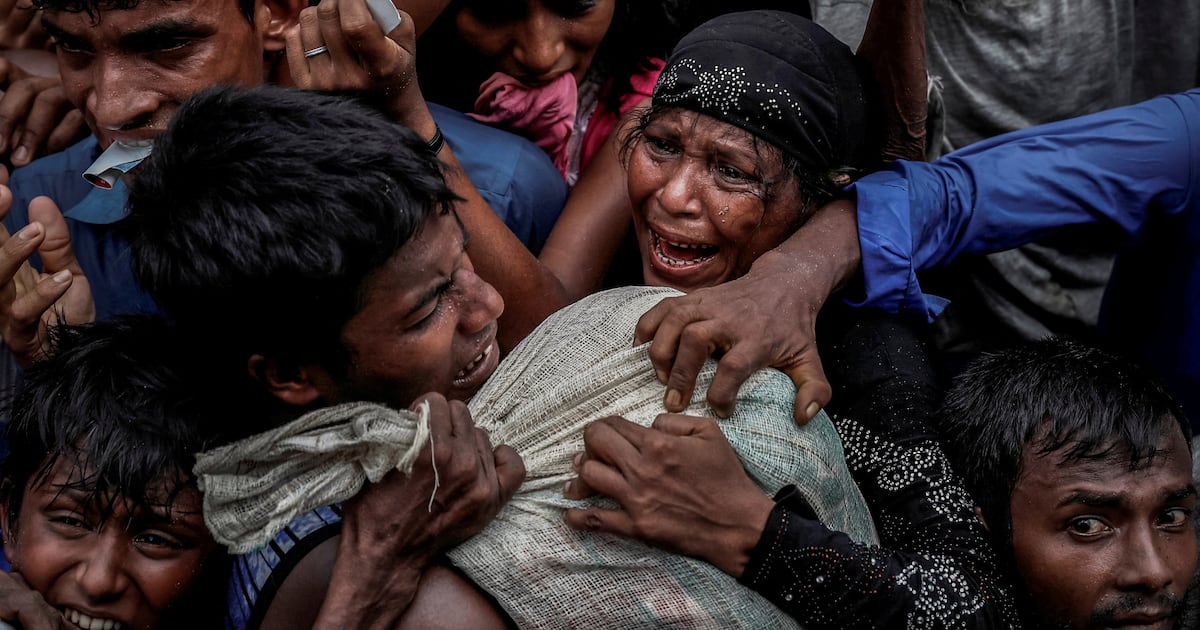
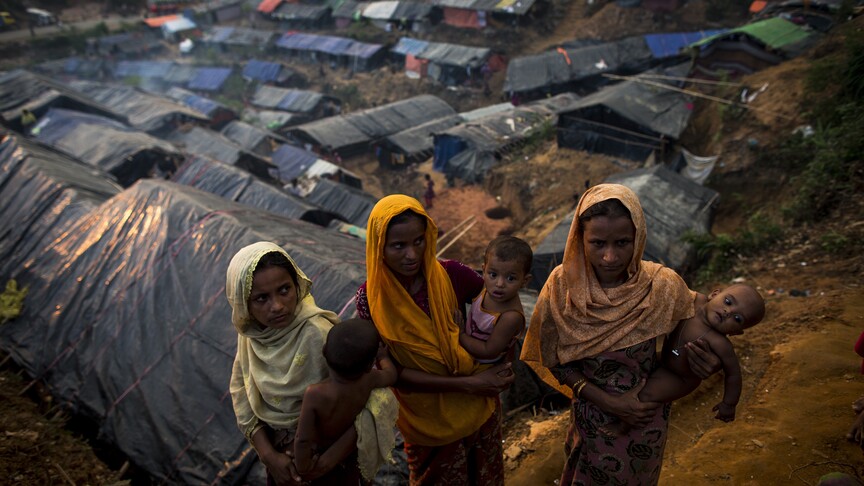
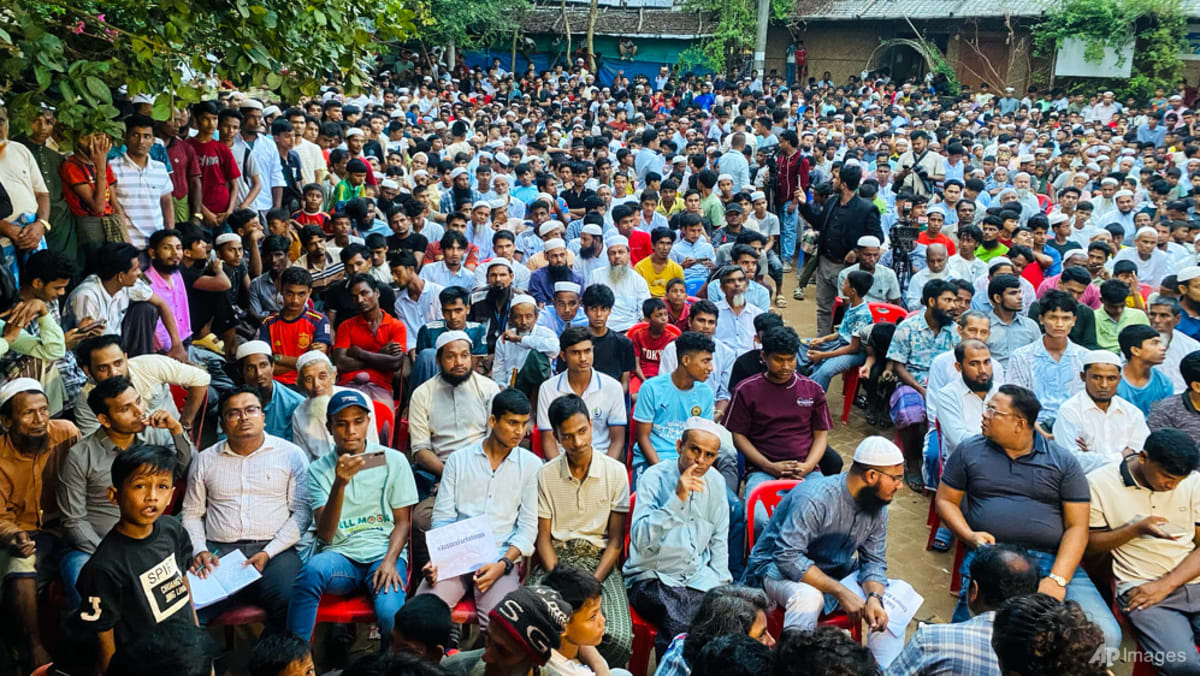
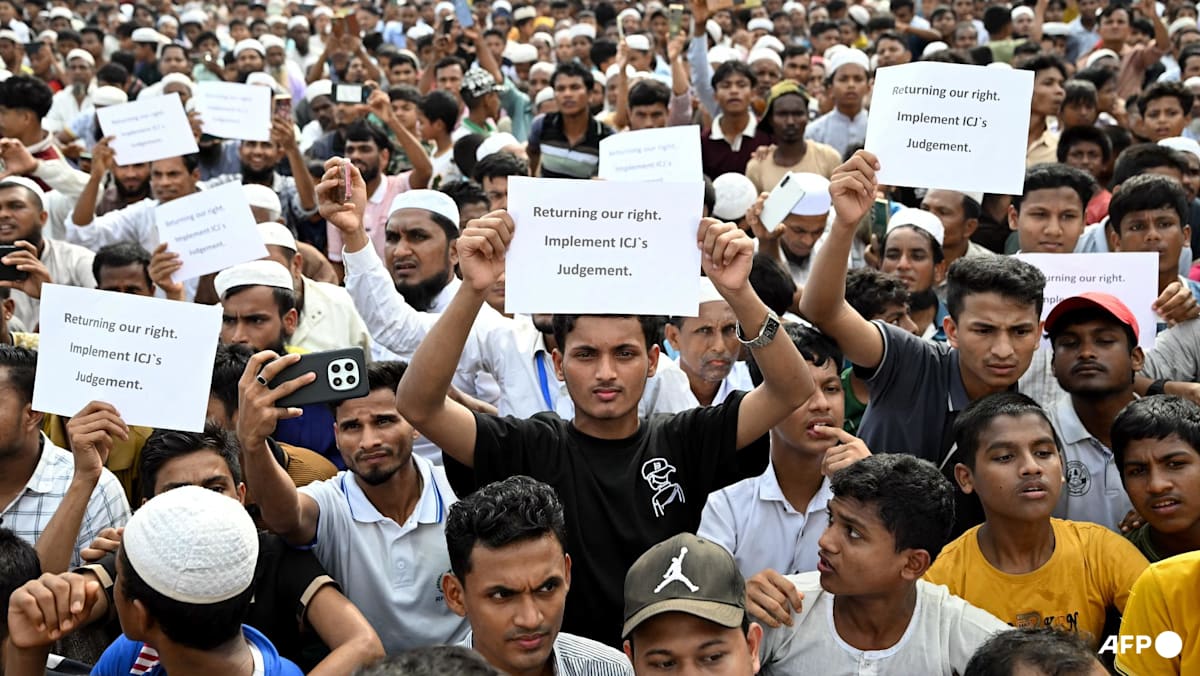
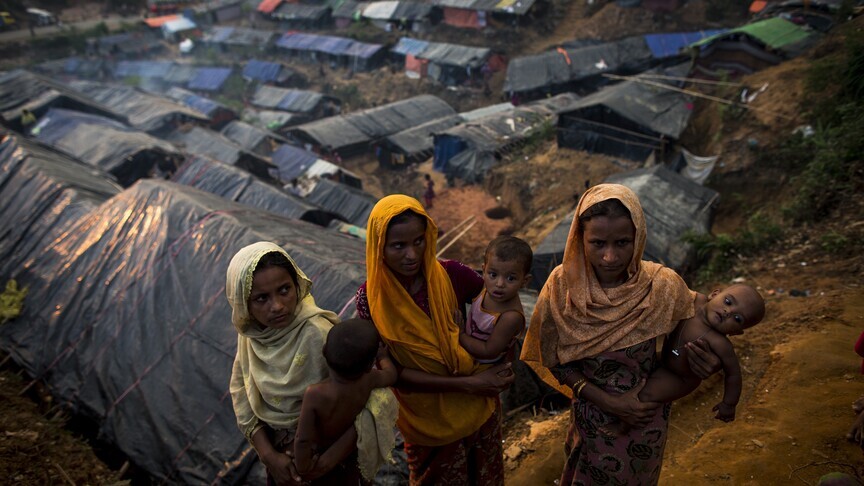
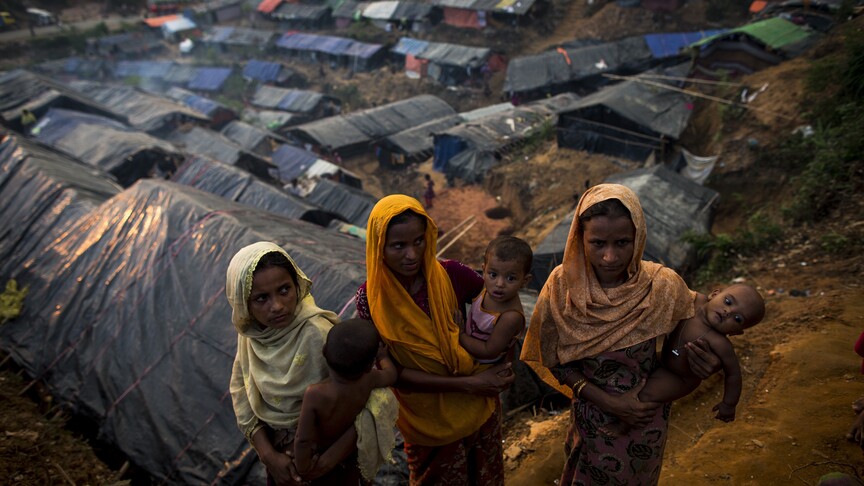
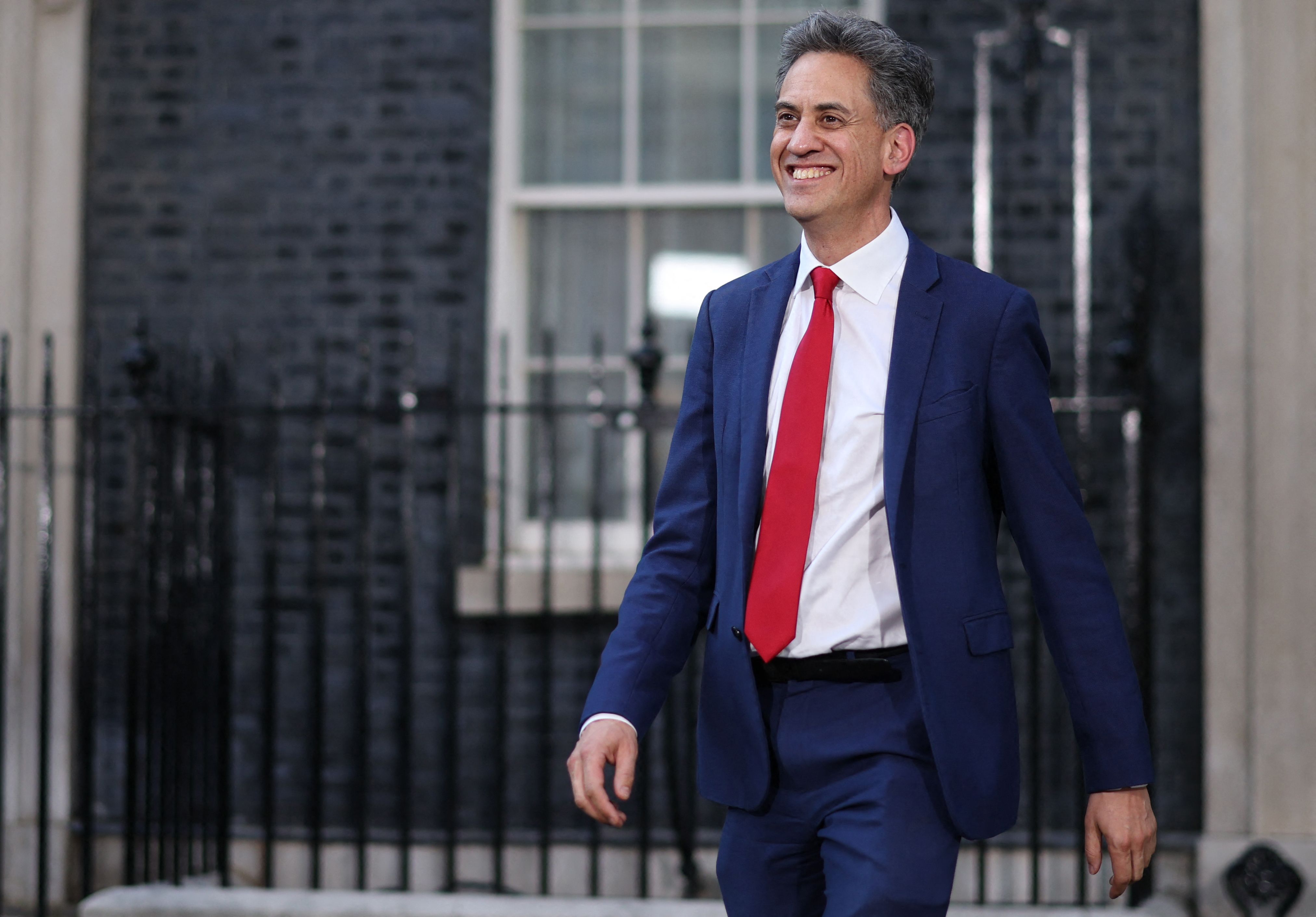
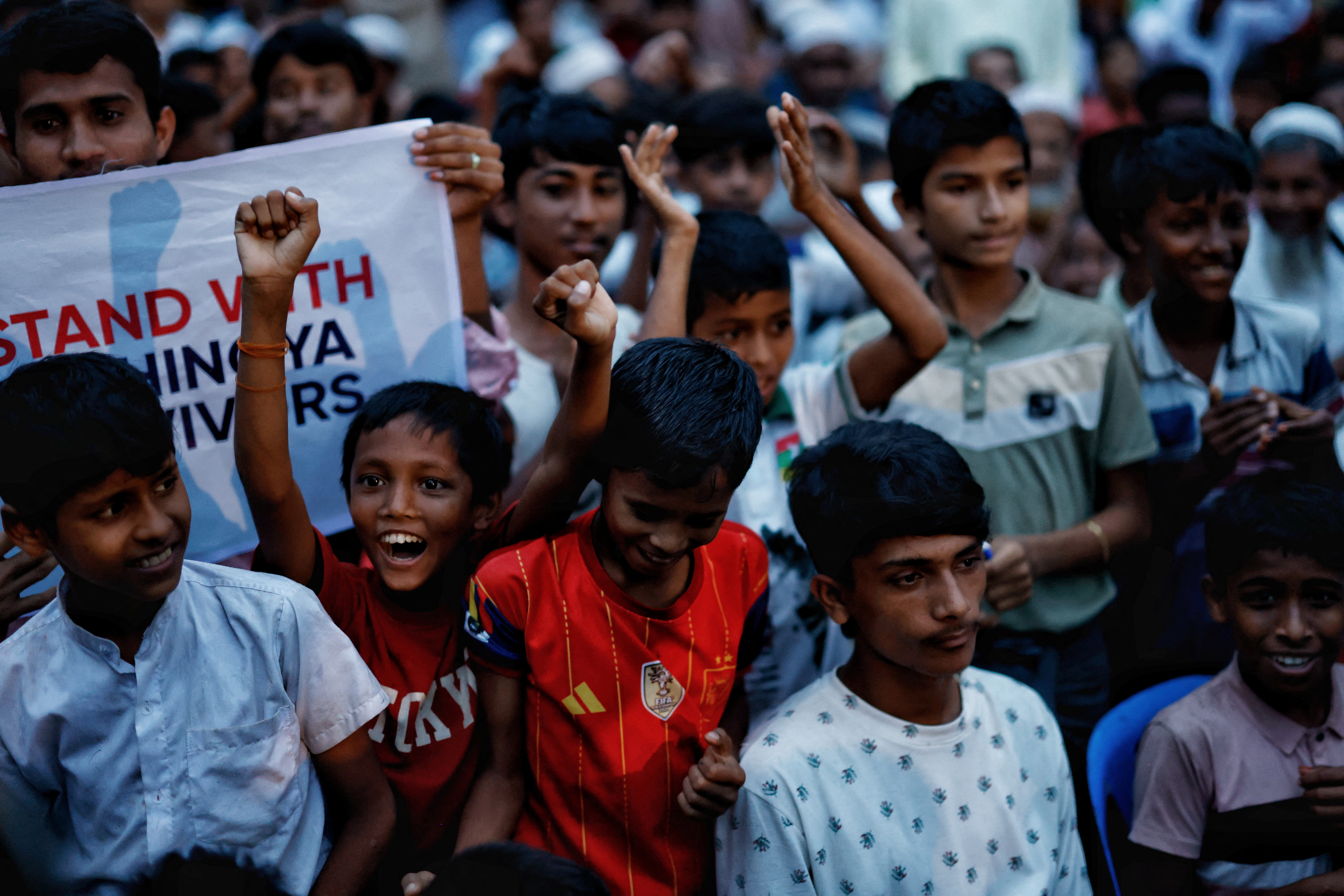
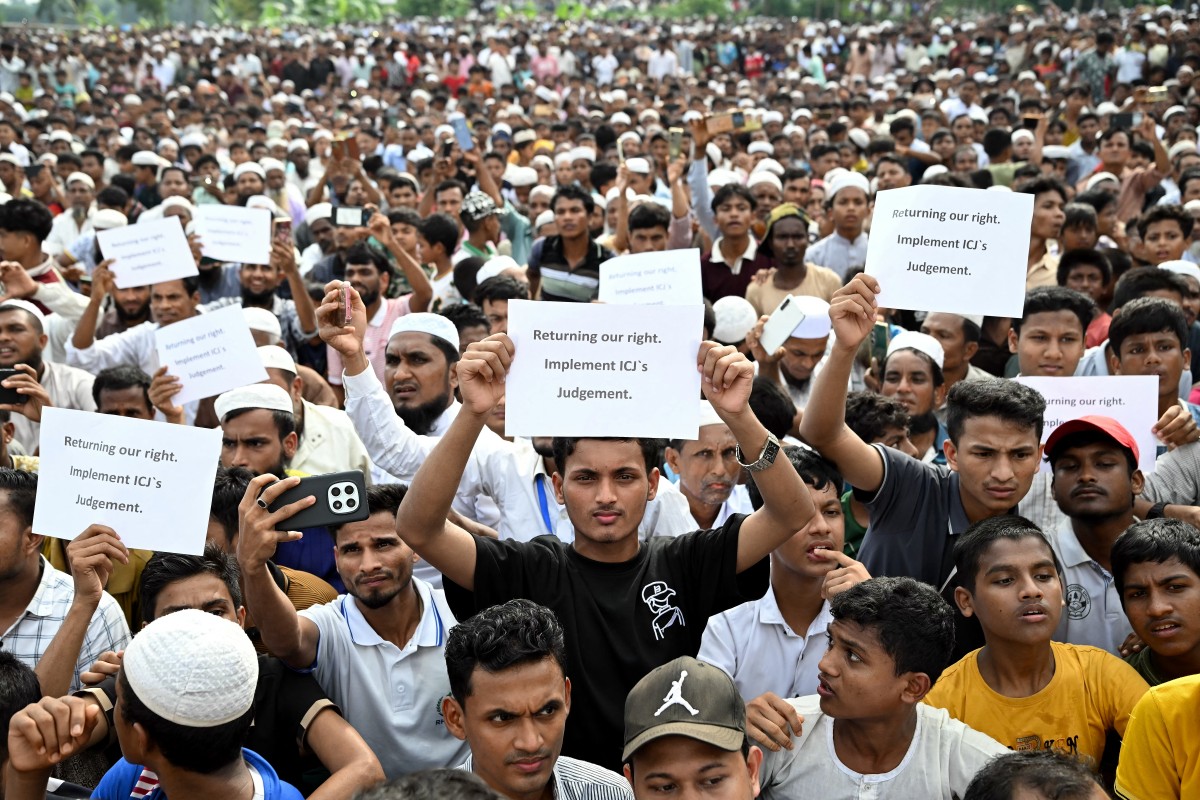
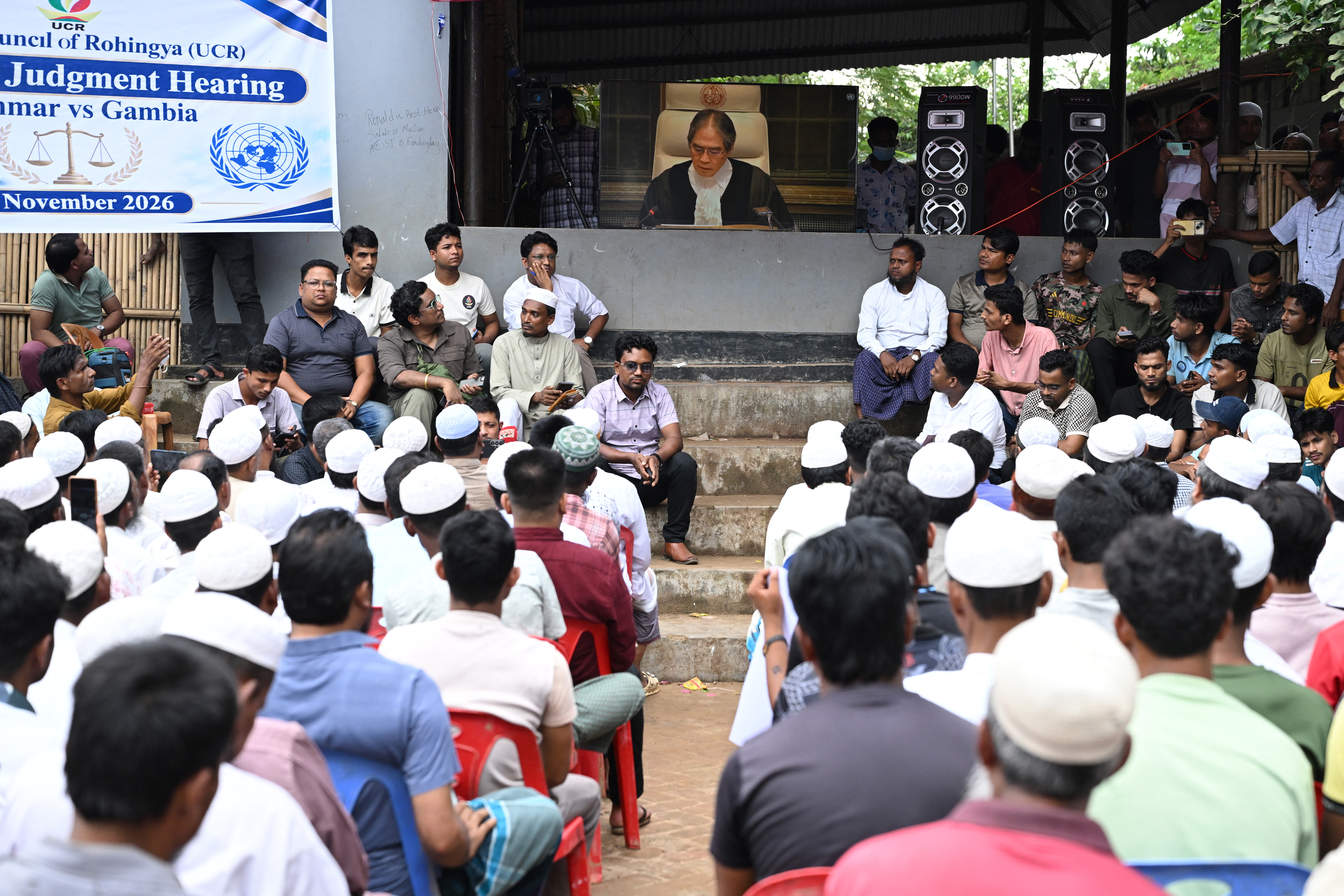
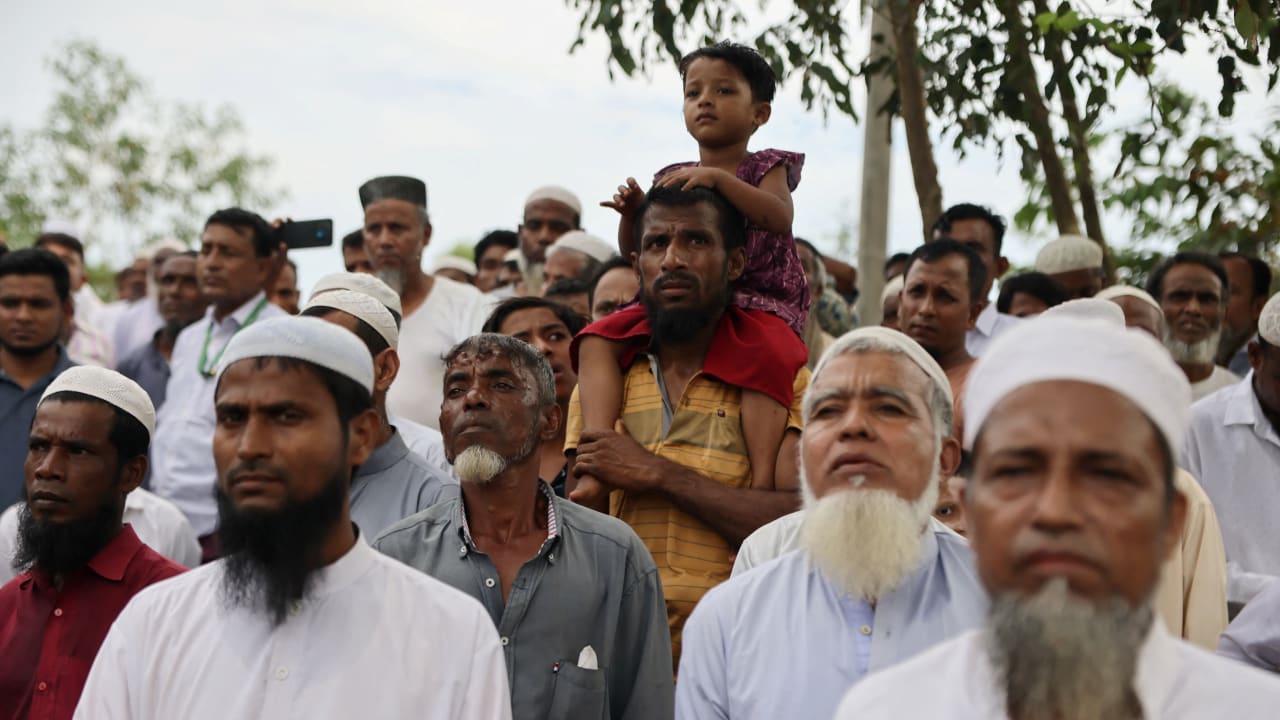
Centre · 3UK Foreign Secretary Ed Miliband said the UK was ordering the expulsion of Myanmar's defence attaché, summoning its chargé d'affaires and calling urgently for a UN Security Council session, with further measures 'in the coming days'; the BBC notes a cross-party group of MPs had called for sanctions on Myanmar's military to resume. A US State Department spokesperson said Washington was studying the decision, stressing 'preventing politicization of the ICJ', while the EU said it 'takes note' of the ruling. Anadolu AgencyN “we are ordering the expulsion of the Myanmar Defence Attaché from the UK and calling urgently for a UN Security Council session to discuss the judgment” Read at Anadolu Agency ↗ BBC NewsN “a cross-party group of MPs called for the government to resume sanctions against Myanmar's military.” Read at BBC News ↗ Arab NewsRC “The proper interpretation of the Genocide Convention is of paramount importance, as is preventing politicization of the ICJ” Read at Arab News ↗ Centre · 1Anadolu reports that refugees in the Cox's Bazar camps watched on giant screens and greeted the verdict with tears, prayers and relief, though several doubted it would bring a return soon. Camp leader Nur Mohammad said 'The whole of Myanmar is a battlefield'; Bangladesh's refugee commissioner Mohammad Mizanur Rahman said repatriation 'will not begin immediately as a direct result of the ruling'. Anadolu AgencyN “Across the sprawling refugee camps of Cox's Bazar in southern Bangladesh, the verdict brought tears, prayers, and relief.”“Repatriation will not begin immediately as a direct result of the ruling,” Read at Anadolu Agency ↗ Mixed · 2The Guardian says the judgment was predicted to lead the US to sanction ICJ judges, including Navi Pillay, who sits on the 15-judge bench. It notes that the Trump administration has been hostile to international rights bodies. JNS, a right-leaning outlet, says the ruling could inform how the court assesses intent in South Africa's case against Israel, which has not been ruled on; it says the court has given South Africa until 22 November 2027 to file its reply and Israel until 22 May 2029 to respond. The GuardianLC “A judgment finding Myanmar had breached the convention has been predicted to lead to the US imposing sanctions on ICJ judges, including this year’s Nobel peace prize winner, Navi Pillay.” Read at The Guardian ↗ JNSR “It extended deadlines in the case, giving South Africa until Nov. 22, 2027, to file its reply and Israel until May 22, 2029, to respond.” Read at JNS ↗
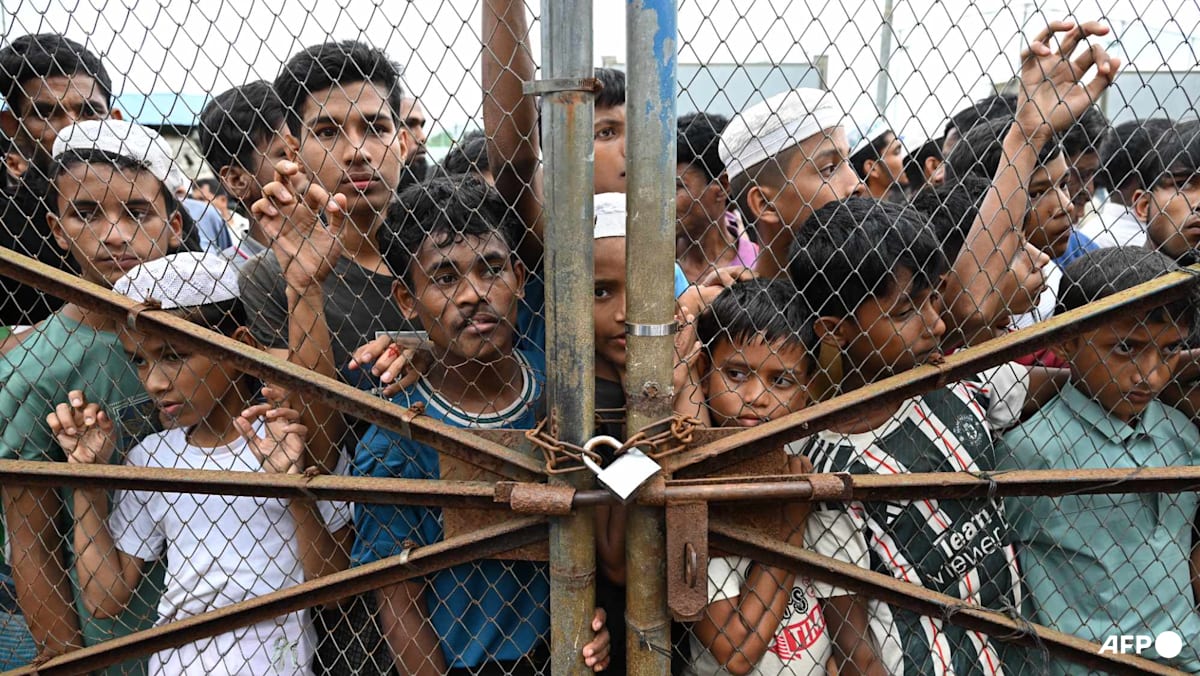
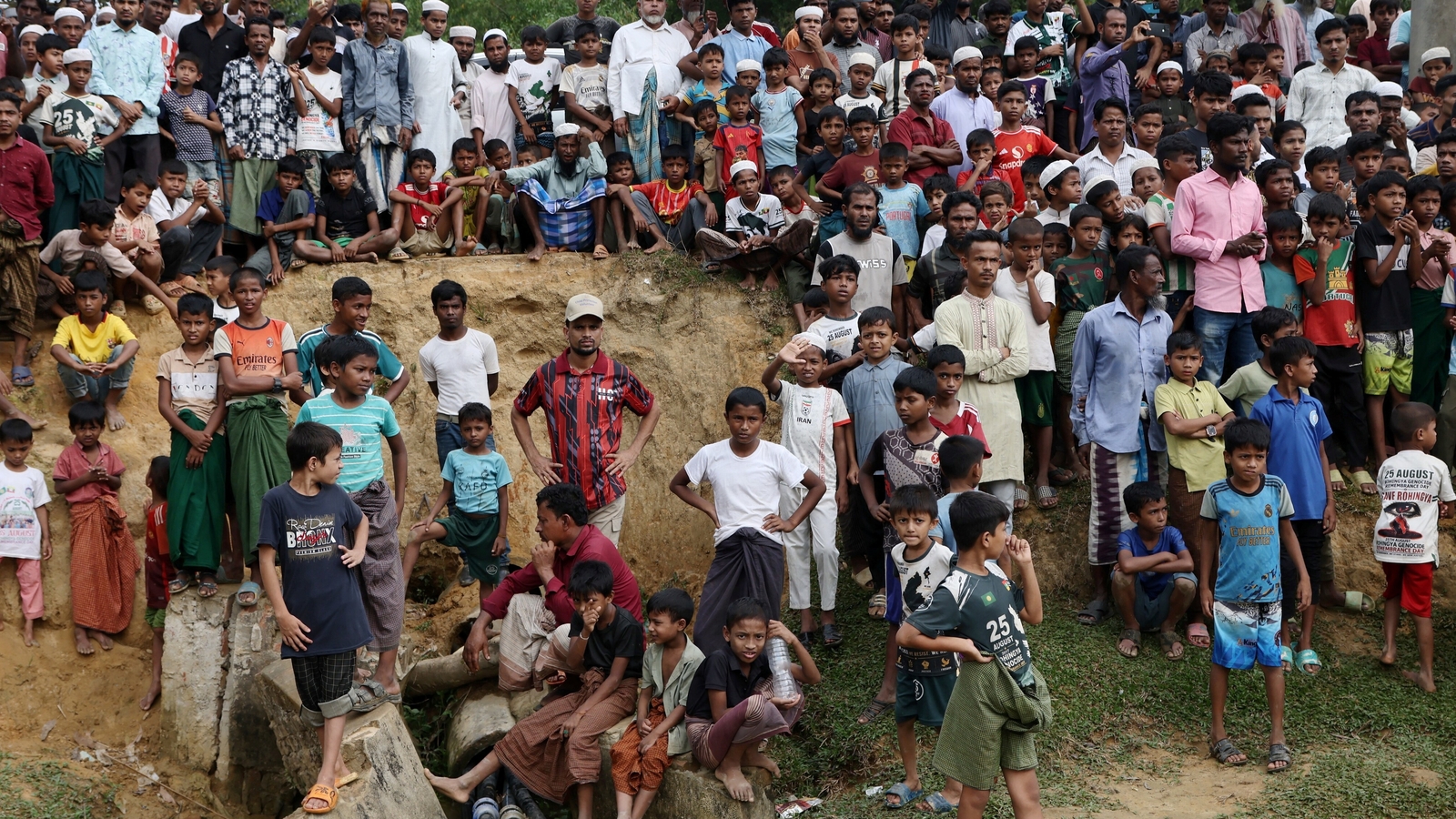
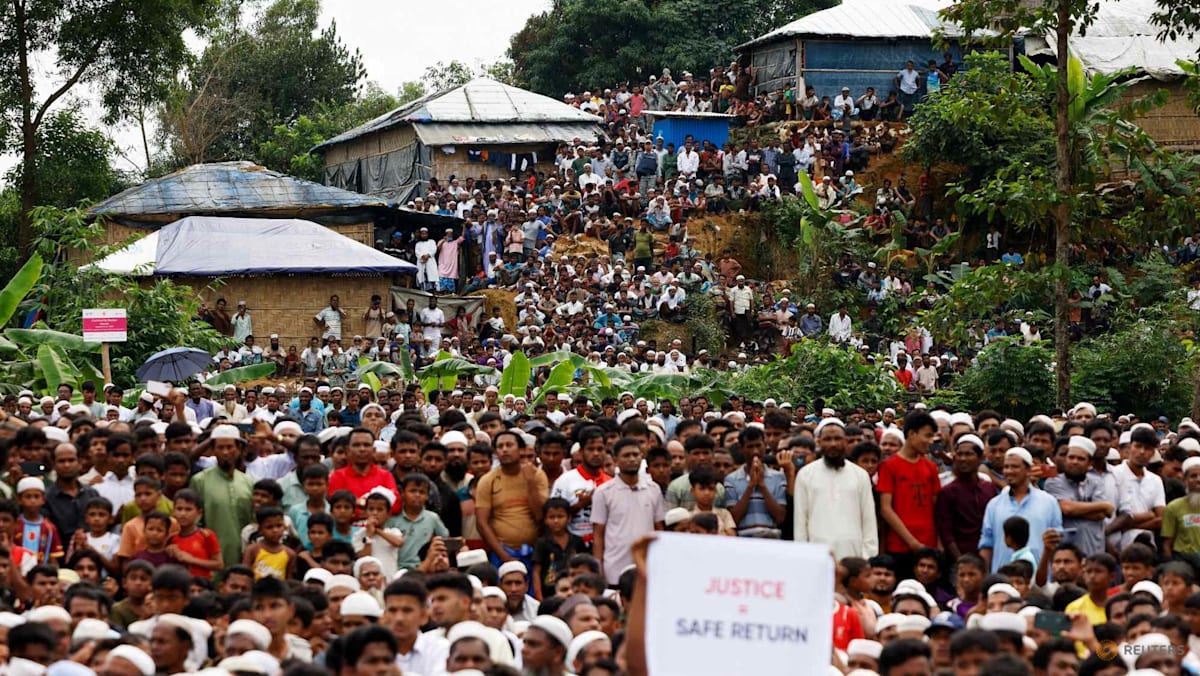
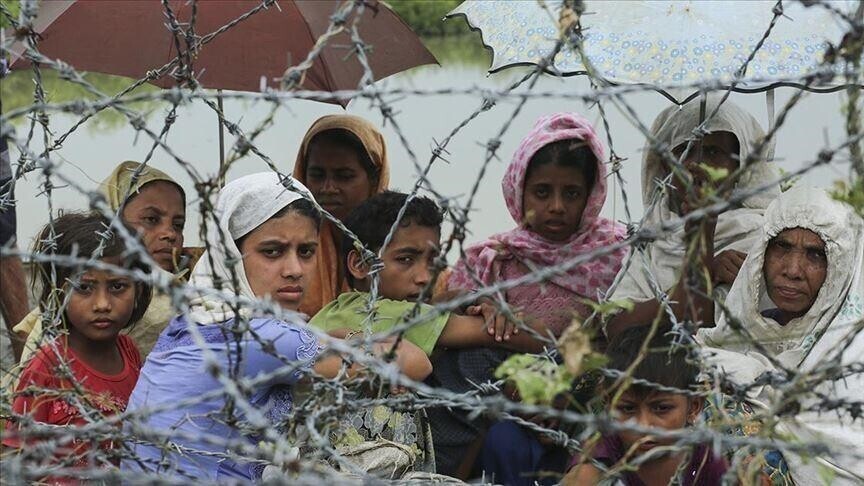
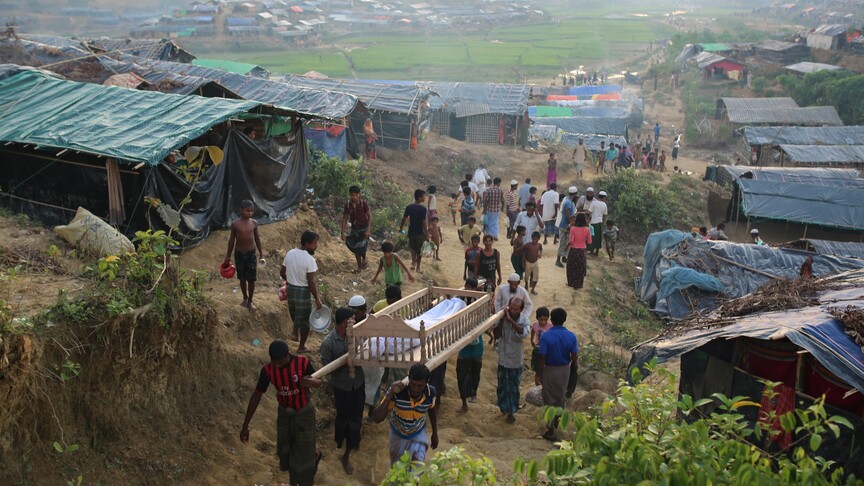
Mixed · 2The Guardian says the judgment will have been read closely by Israel, and that lawyers cautioned it does not necessarily mean the same bench would find Israel guilty in the Gaza case, which is still at the written-pleadings stage. The Jerusalem Post's analysis argues parts of the ruling lowered the standard of proof and could be used against Israel, while calling the genocide allegations against Israel 'preposterous' and the situation 'night and day different' from Myanmar's. The GuardianLC “lawyers involved in the case cautioned that it did not necessarily mean that the same bench would find Israel guilty of genocide in Gaza” Read at The Guardian ↗ The Jerusalem PostRC “The genocide allegations against Israel are preposterous”“parts of the ICJ ruling have harmed Israel's ability to mount a defense by lowering the standard of proof” Read at The Jerusalem Post ↗ Mixed · 2The Gambia, a predominantly Muslim West African country, filed the case in 2019, accusing Myanmar of breaching the 1948 UN genocide convention; the Guardian says the judges have spent seven years weighing it. The Jerusalem PostRC “filed the case at the ICJ - also known as the World Court - in 2019” Read at The Jerusalem Post ↗ The GuardianLC “ICJ judges have spent seven years weighing accusations by the Gambia” Read at The Guardian ↗ Left · 1Al Jazeera gives the filing date as 11 November 2019 and says the case concerns the 'clearance operations' that began in 2016 and escalated in August 2017. It asks the court to determine Myanmar's responsibility as a state under the convention. Al JazeeraLC “The Gambia filed the case on November 11, 2019, alleging that Myanmar had violated the 1948 Genocide Convention” Read at Al Jazeera ↗
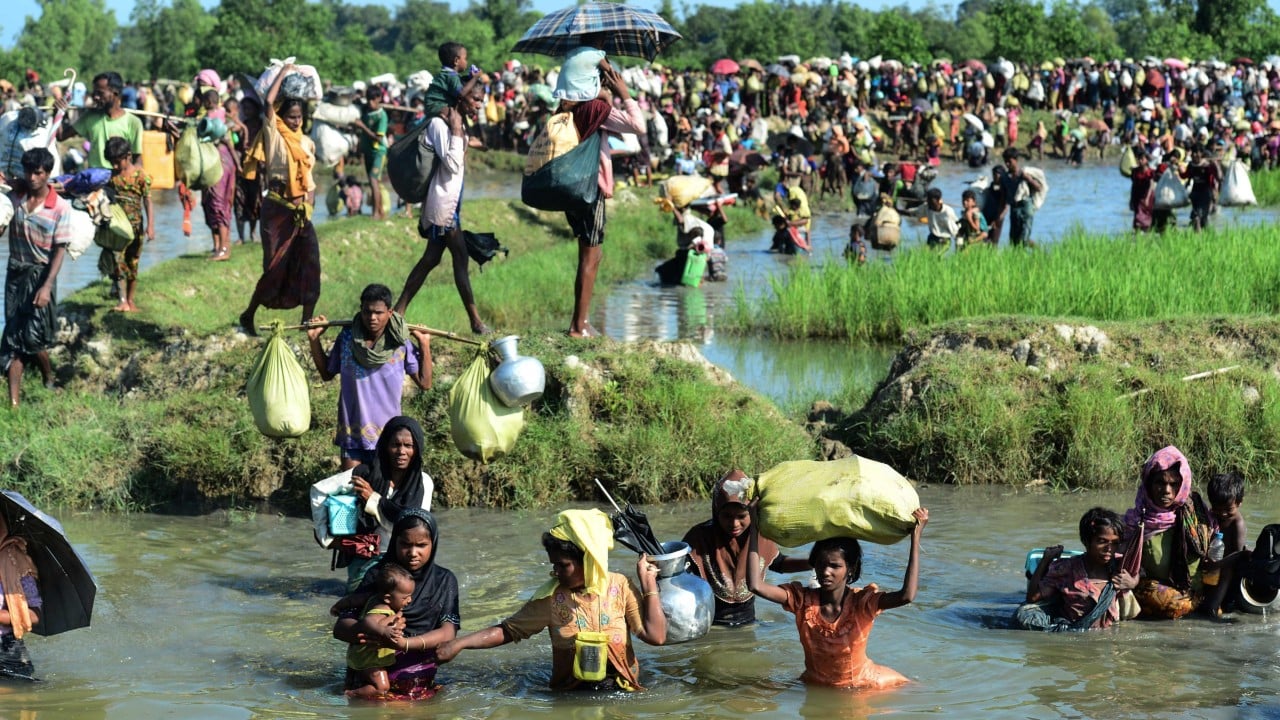
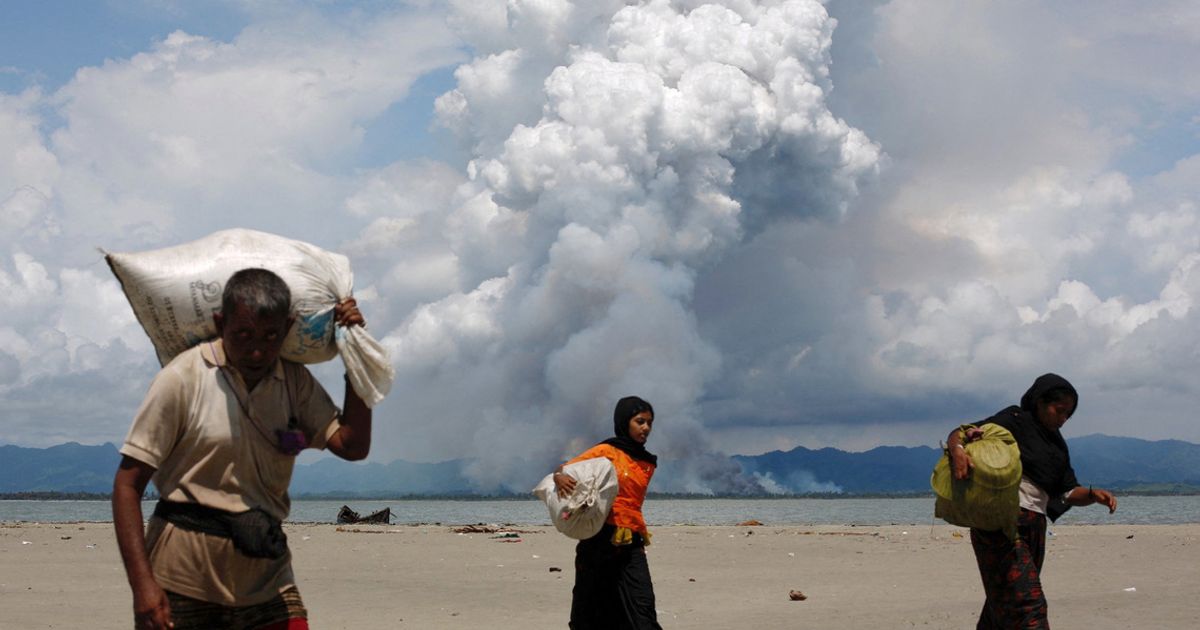
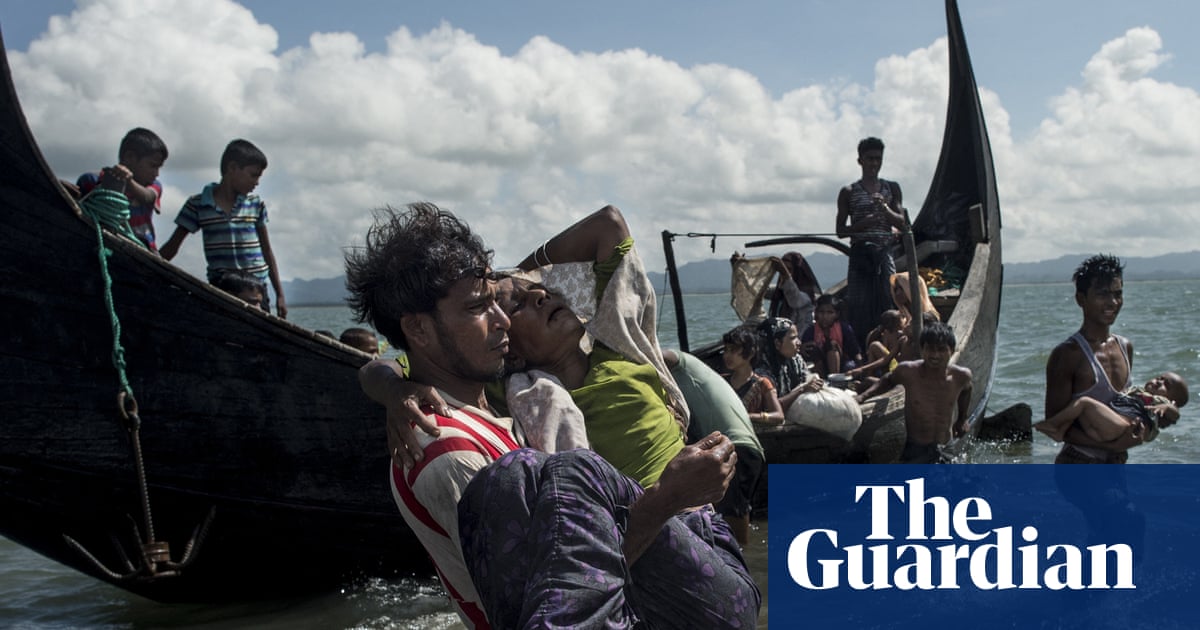
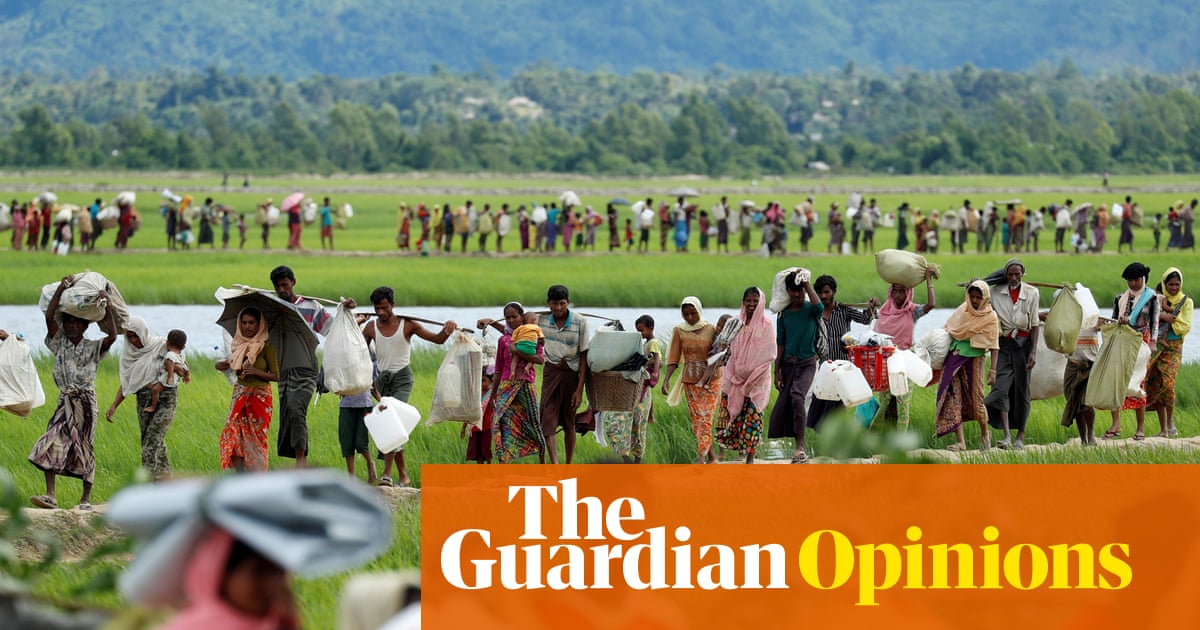
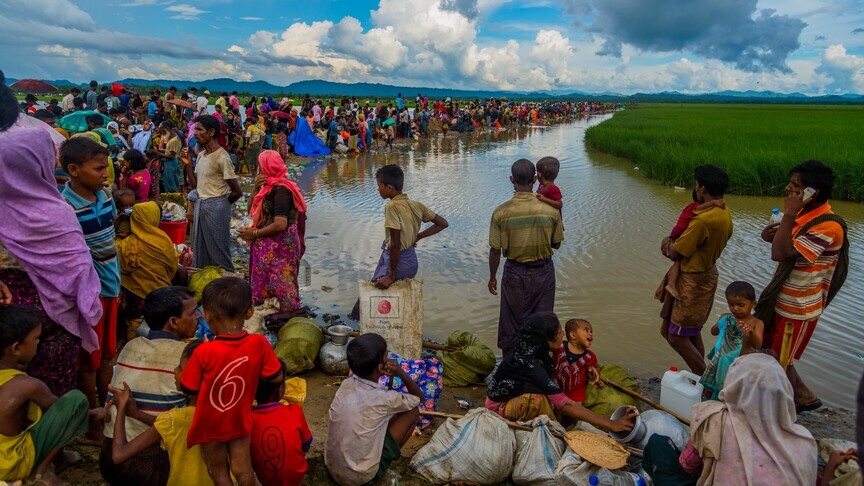
Mixed · 2The case concerns the 2017 military offensive in Rakhine state. The Jerusalem Post says it forced at least 730,000 Rohingya into Bangladesh, where they described killings, mass rape and arson. Myanmar denies genocide and says its actions targeted a military uprising by insurgents, which followed attacks by a Rohingya militant group in the summer of 2017. The Jerusalem PostRC “forced at least 730,000 Rohingya from their homes and into neighboring Bangladesh” Read at The Jerusalem Post ↗ The GuardianLC “Myanmar, which has denied carrying out a genocide, claims its actions targeted a military uprising from insurgents.” Read at The Guardian ↗ Mixed · 2The BBC's Jonathan Head, who witnessed Rohingya villages being burned in 2017, writes that the expulsion was 'without question a military operation of exceptional brutality' and that the question for the court is whether it amounted to genocide. A 2018 UN fact-finding report said the army's tactics were 'grossly disproportionate to actual security threats'; Myanmar rejected it. Reuters, in the Straits Times, says officials in the military-backed government did not respond to requests for comment. BBC NewsN “was without question a military operation of exceptional brutality.”“grossly disproportionate to actual security threats” Read at BBC News ↗ The Straits TimesRC “Officials in the military-backed government did not respond to requests for comment.” Read at The Straits Times ↗ Mixed · 2The Guardian and the Jerusalem Post both report that before this ruling the ICJ had never formally found a state guilty of genocide. In the Bosnia case in 2007, the court found Serbia responsible for failing to prevent the genocide at Srebrenica but did not hold it directly responsible for the genocide itself; the Guardian says the Myanmar judgment finds the military directly responsible. The GuardianLC “In the Bosnian ruling in 2007, Belgrade was found to have failed to prevent the 1995 genocide in Srebrenica, but in both cases it was cleared of committing the genocide directly.” Read at The Guardian ↗ The Jerusalem PostRC “did not find genocide, but a failure to prevent genocide.” Read at The Jerusalem Post ↗
Mixed · 2The BBC notes that the Bosnia case took 14 years, and that judges typically require that genocidal intent be the only reasonable inference from the defendants' actions. AP, carried by Arab News, adds that the 2007 ruling said Serbia 'violated the obligation to prevent genocide' at Srebrenica, and that a Myanmar finding would be the first ICJ genocide judgment against a state. BBC NewsN “the only reasonable inference from the actions of the defendants is that they had genocidal intent.” Read at BBC News ↗ Arab NewsRC “violated the obligation to prevent genocide” Read at Arab News ↗ Left · 1A central legal question in genocide cases is proving 'intent to destroy, in whole or in part' a protected group. Antonia Mulvey of Legal Action Worldwide, which represents hundreds of Rohingya survivors, said she was 'cautiously optimistic'. She argues that patterns of conduct and sexual violence show intent. The GuardianLC “A key issue in previous cases has been how to prove “intent” in a crime defined as acts committed with the “intent to destroy, in whole or in part””“said she was “cautiously optimistic” the court would hold Myanmar fully accountable” Read at The Guardian ↗ Left · 1In January the ICJ held closed-door sessions to hear Rohingya survivors who travelled from camps in Bangladesh. Gambian justice minister Dawda Jallow told the court the Rohingya 'have been targeted for destruction'. The GuardianLC “In January, the ICJ held closed-door sessions to hear directly from Rohingya survivors who travelled from camps in Bangladesh.”“They have been targeted for destruction.”” Read at The Guardian ↗
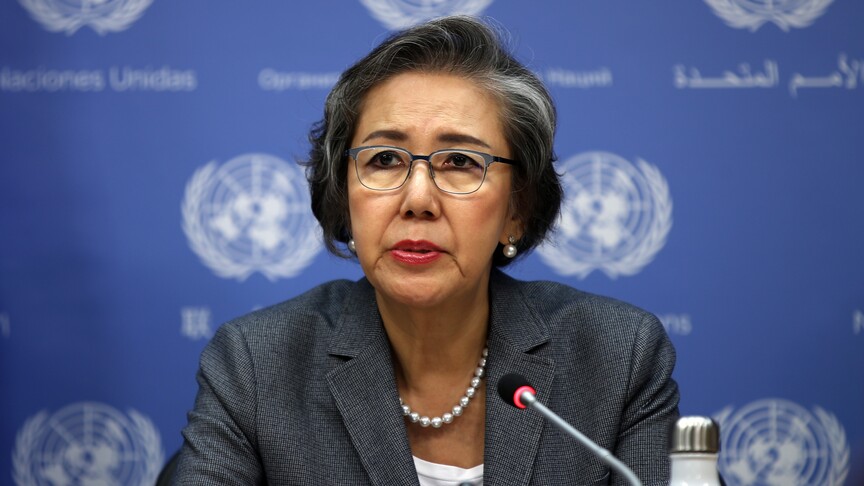
Centre · 1Arsalan Suleman, the lawyer leading The Gambia's case, told the BBC the team presented a long history of discrimination, including the 1982 citizenship law, as indicators of genocidal intent. The BBC says The Gambia, backed by the Organisation of Islamic Co-operation, accuses the state, not just the military, and that Aung San Suu Kyi argued that war crimes are not proof of genocidal intent. BBC NewsN “We discussed the 1982 citizenship law, and the tightening noose of discriminatory laws”“It accused the state in Myanmar, not just the military, of genocide.” Read at BBC News ↗ Mixed · 2Yanghee Lee, a former UN rights investigator to Myanmar, called the ruling 'historic for Rohingya survivors and their families around the world'; both outlets quote this. The GuardianLC ““The ICJ ruling will be historic for Rohingya survivors and their families around the world,” said Yanghee Lee” Read at The Guardian ↗ The Jerusalem PostRC “The Guardian cited Yanghee Lee, a former UN rights investigator to Myanmar” Read at The Jerusalem Post ↗ Mixed · 2Both outlets say the outcome is expected to bear on South Africa's genocide case against Israel over the war in Gaza, which South Africa brought in December 2023 and which Israel has called 'baseless'. The Guardian calls the Myanmar ruling the strongest hint of how judges might assess that case, while noting Israel has far stronger US diplomatic backing. The GuardianLC “it will provide the strongest hint of how judges might assess the seminal genocide case brought by South Africa against Israel” Read at The Guardian ↗ The Jerusalem PostRC “Israel subsequently rejected the allegation of genocide, calling it “baseless.”” Read at The Jerusalem Post ↗
Centre · 1France 24's Monday press review says the international press is looking ahead to the verdict, notes that the legal threshold is high because it requires proving 'genocidal intent', and says the ruling is being watched for the precedent it could set on intent given South Africa's similar case against Israel. France 24N “The legal threshold is high: proving that a state committed genocide requires establishing the crucial element of "genocidal intent".”“It is also being closely watched for the precedent it could set on the question of intent, particularly as South Africa has brought a similar case against Israel” Read at France 24 ↗ Mixed · 2US ambassador to the UN Mike Waltz warned in October that the ICJ must not be allowed to set a genocide standard that could be used against 'allied soldiers'. The Jerusalem Post quotes him as warning against a 'weakened and false standard' being 'weaponized'. The GuardianLC “warned that the ICJ “must not be allowed” to establish a standard for genocide that could be used against “allied soldiers”” Read at The Guardian ↗ The Jerusalem PostRC “a weakened and false standard can later be weaponized against American and allied soldiers” Read at The Jerusalem Post ↗ Left · 1The Guardian adds that a genocide finding would add pressure on Myanmar leader Min Aung Hlaing. He headed the military during the 2016-2017 attacks, overthrew Aung San Suu Kyi's elected government in 2021 and became civilian president in April after elections widely condemned as a sham. He is separately under International Criminal Court investigation for alleged crimes against humanity. The GuardianLC “A ruling that Myanmar committed genocide would add international pressure on its leader Min Aung Hlaing”“He was installed as civilian president in April after elections that were widely condemned as a sham” Read at The Guardian ↗
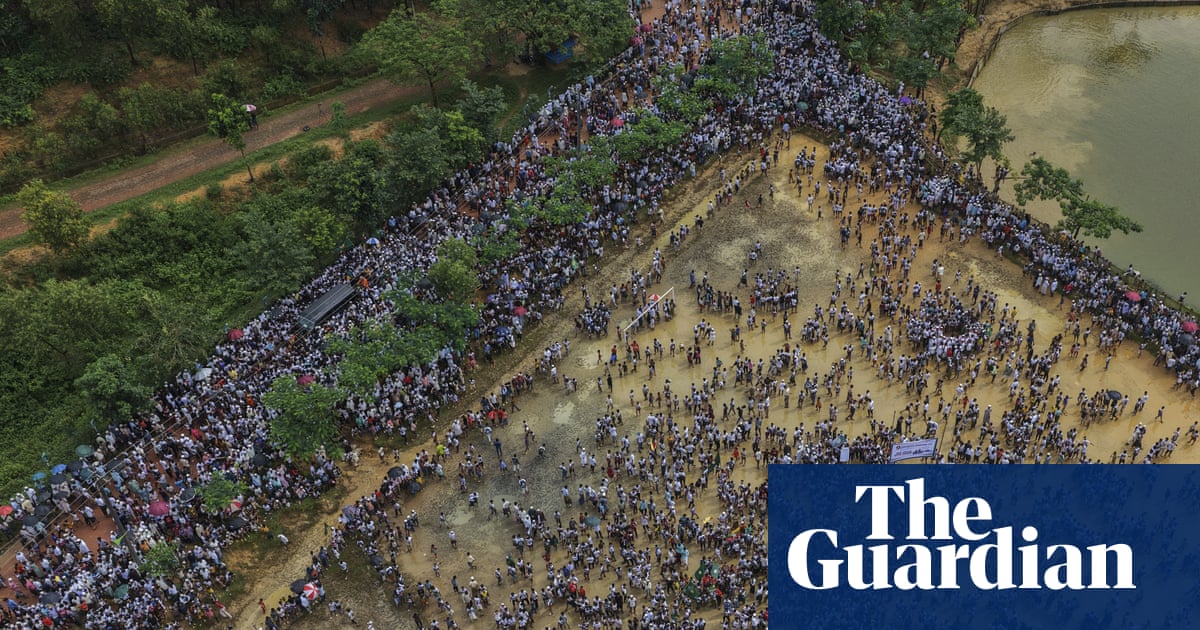
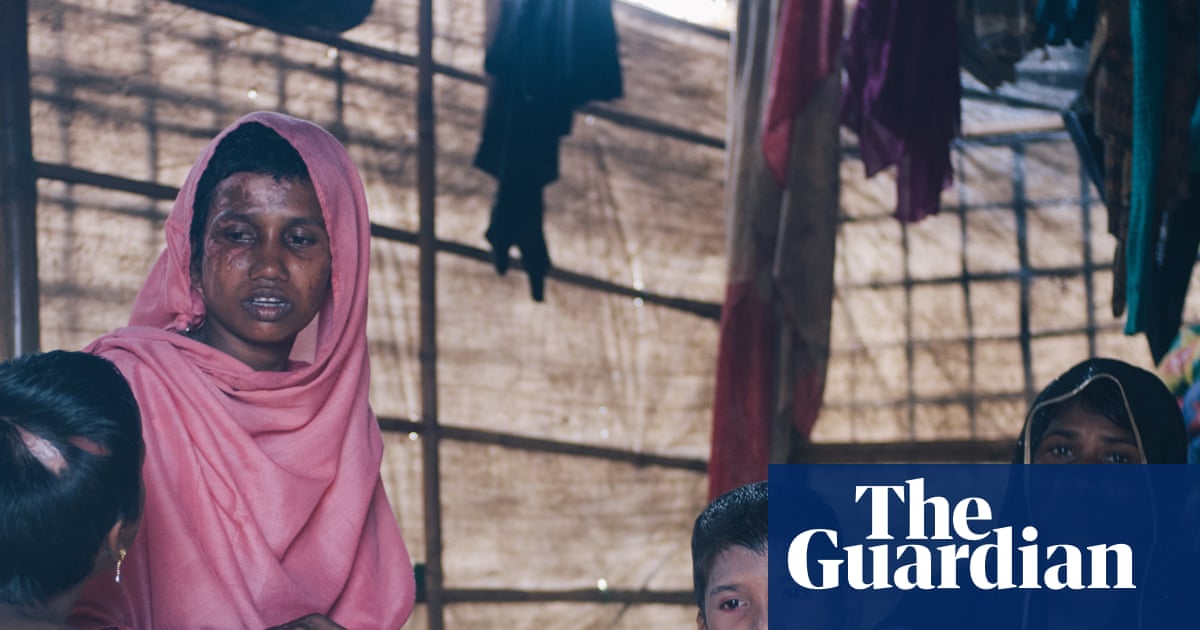
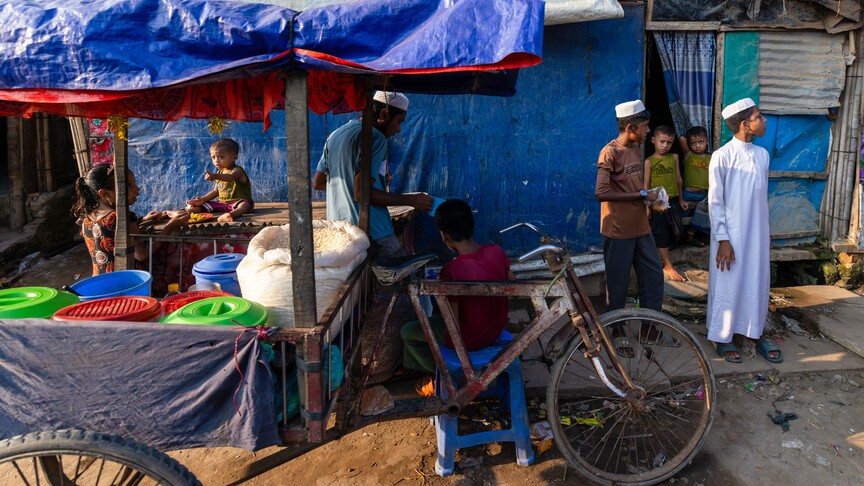
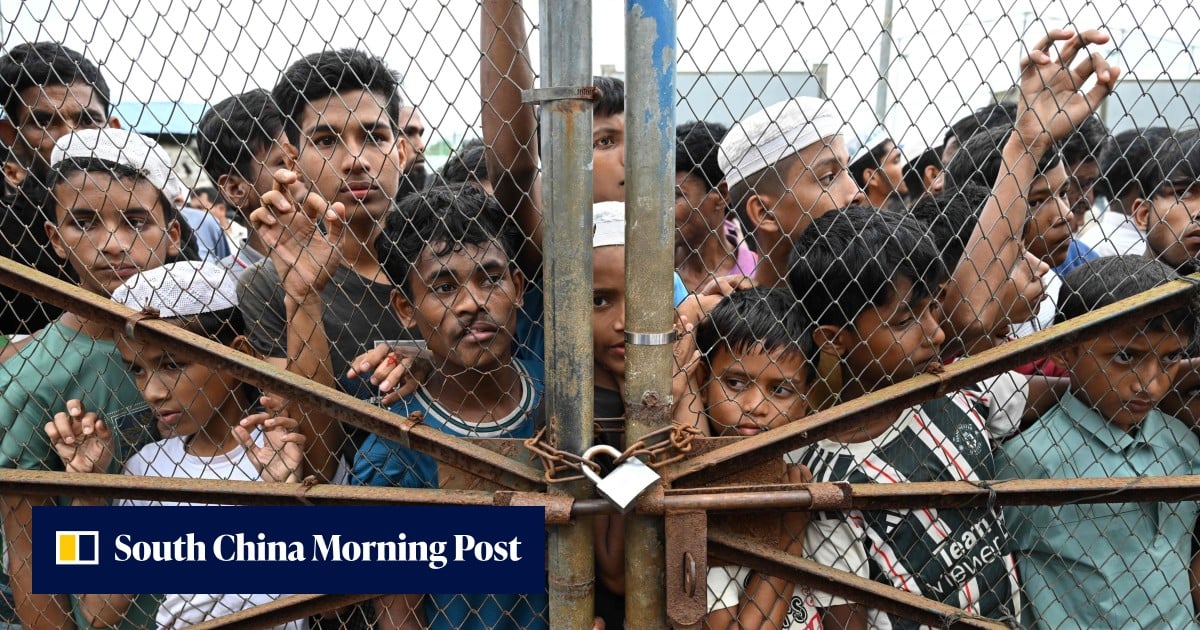
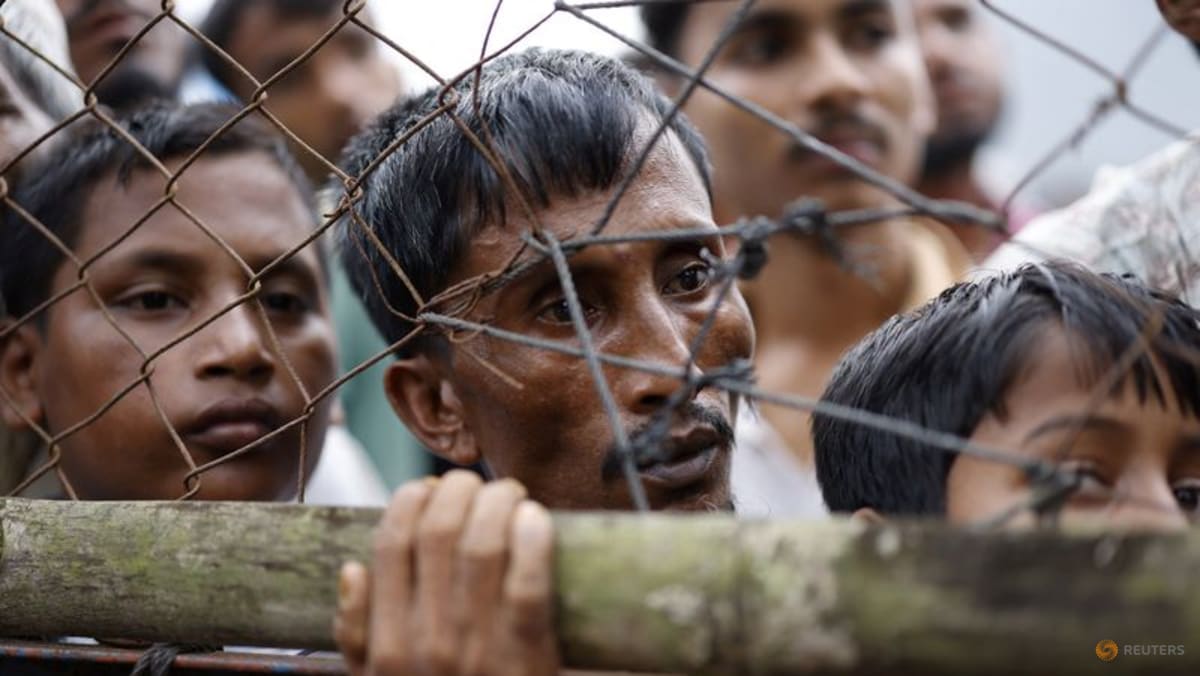
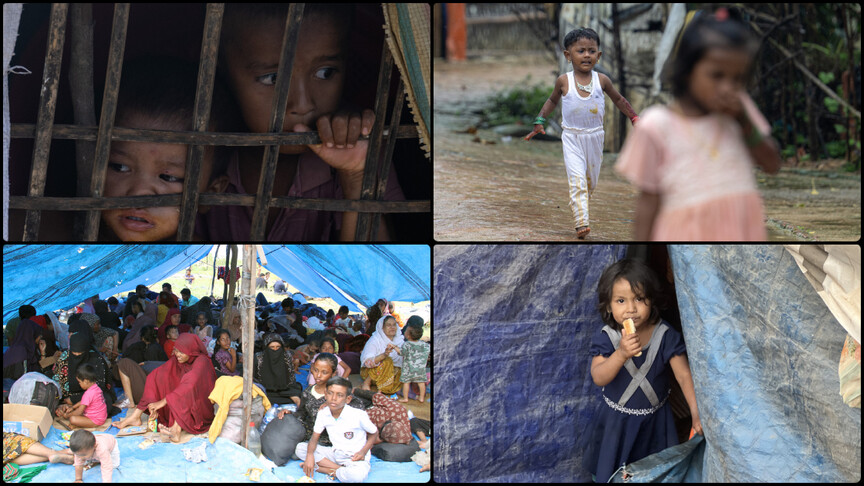
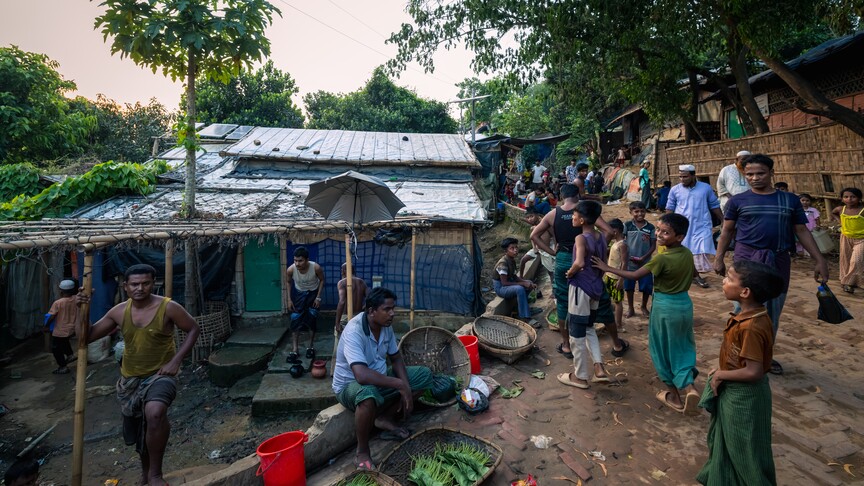
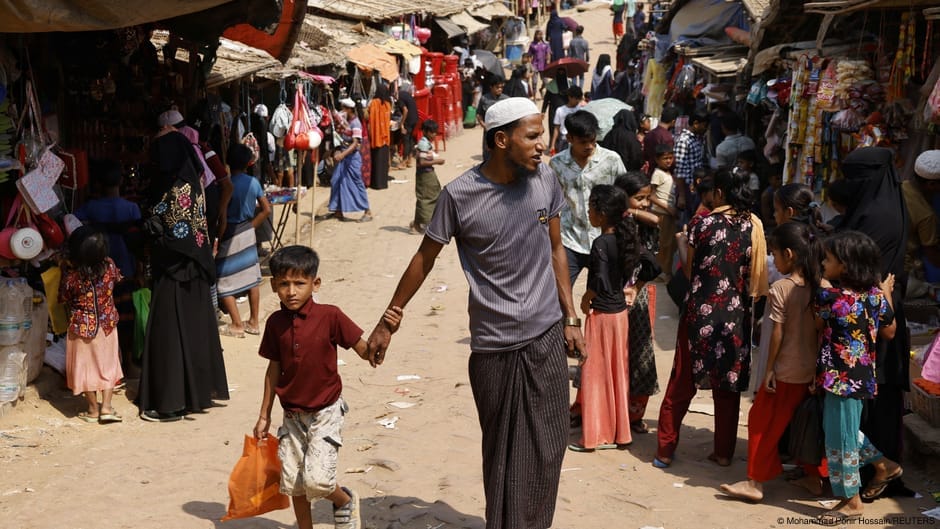
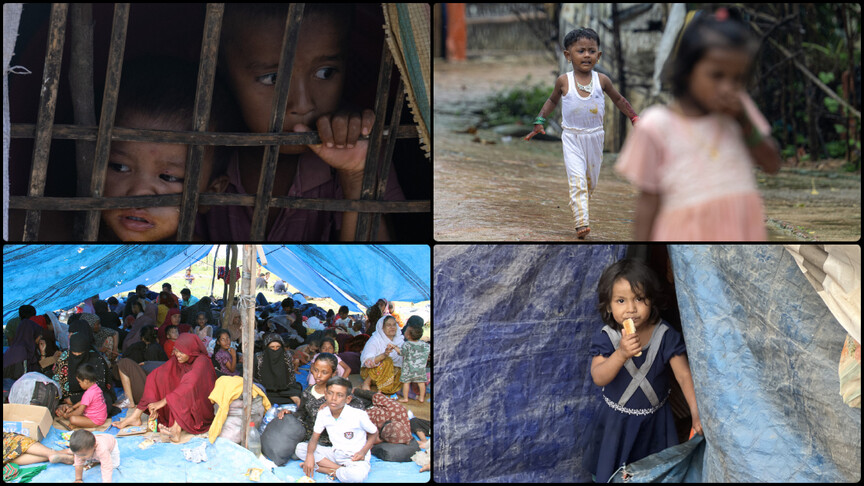
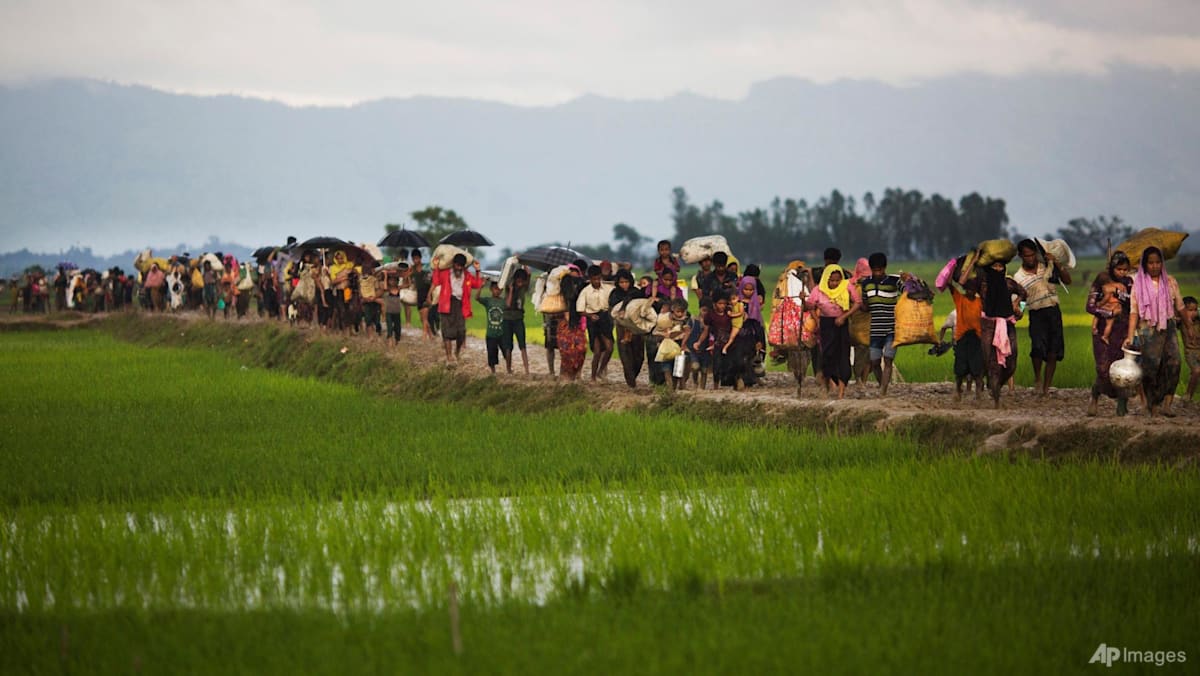
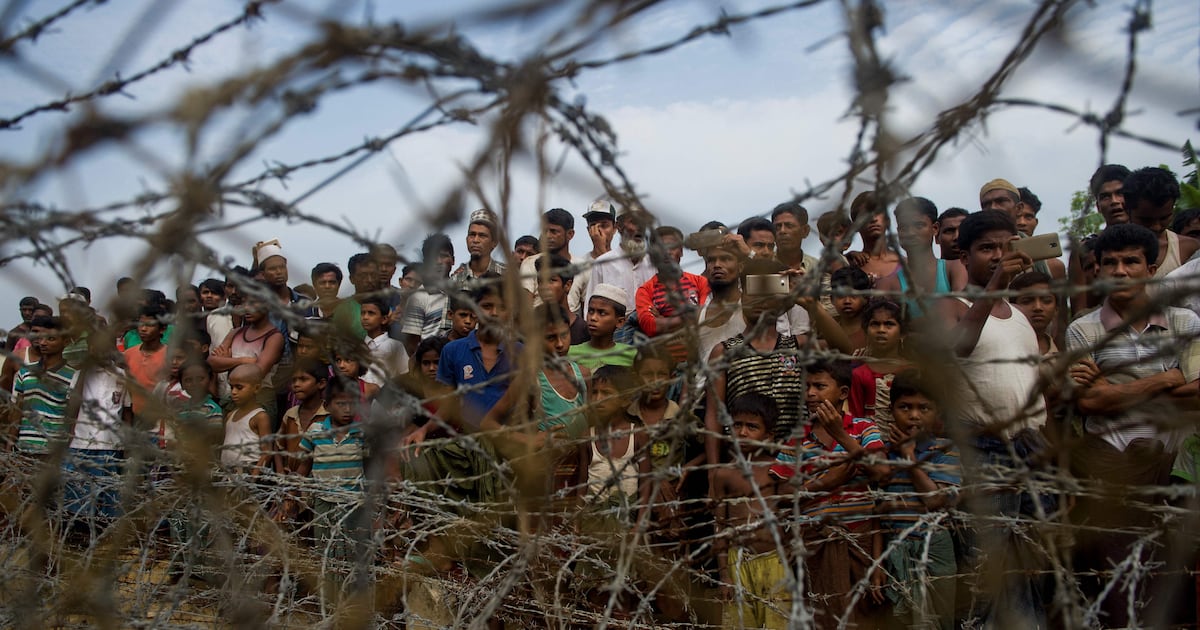
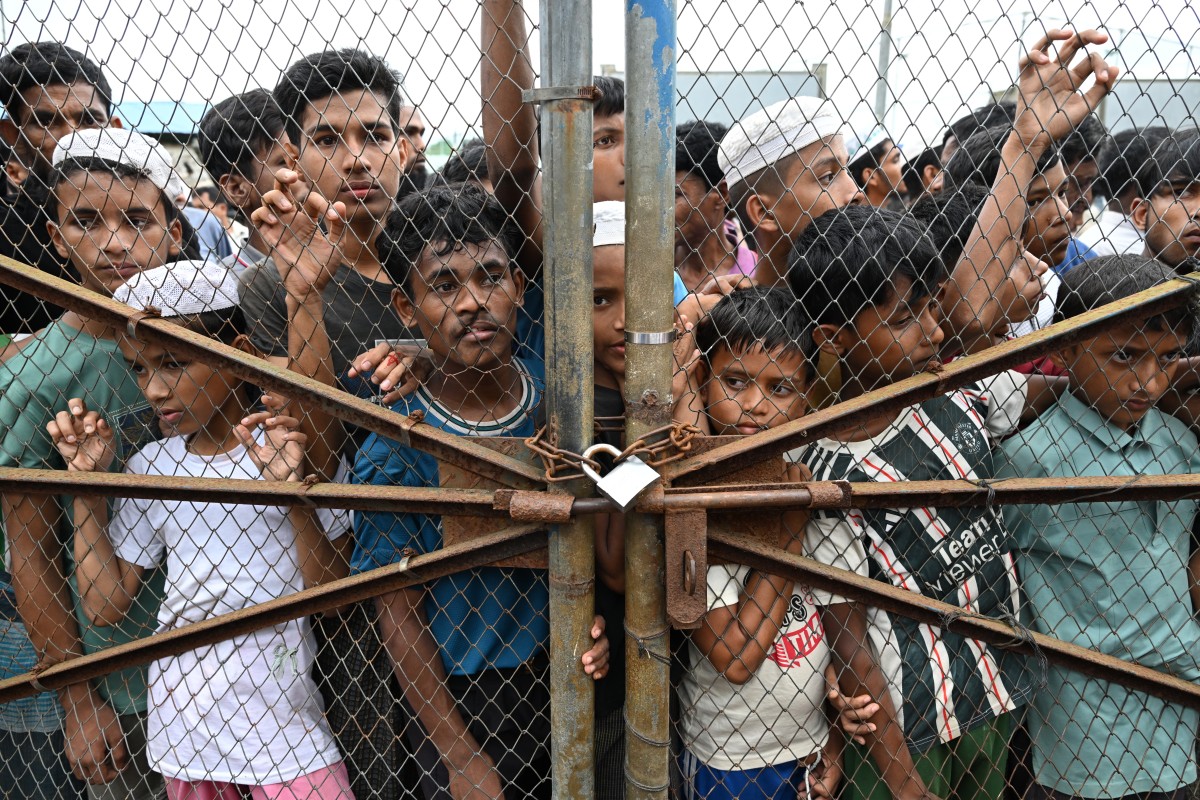
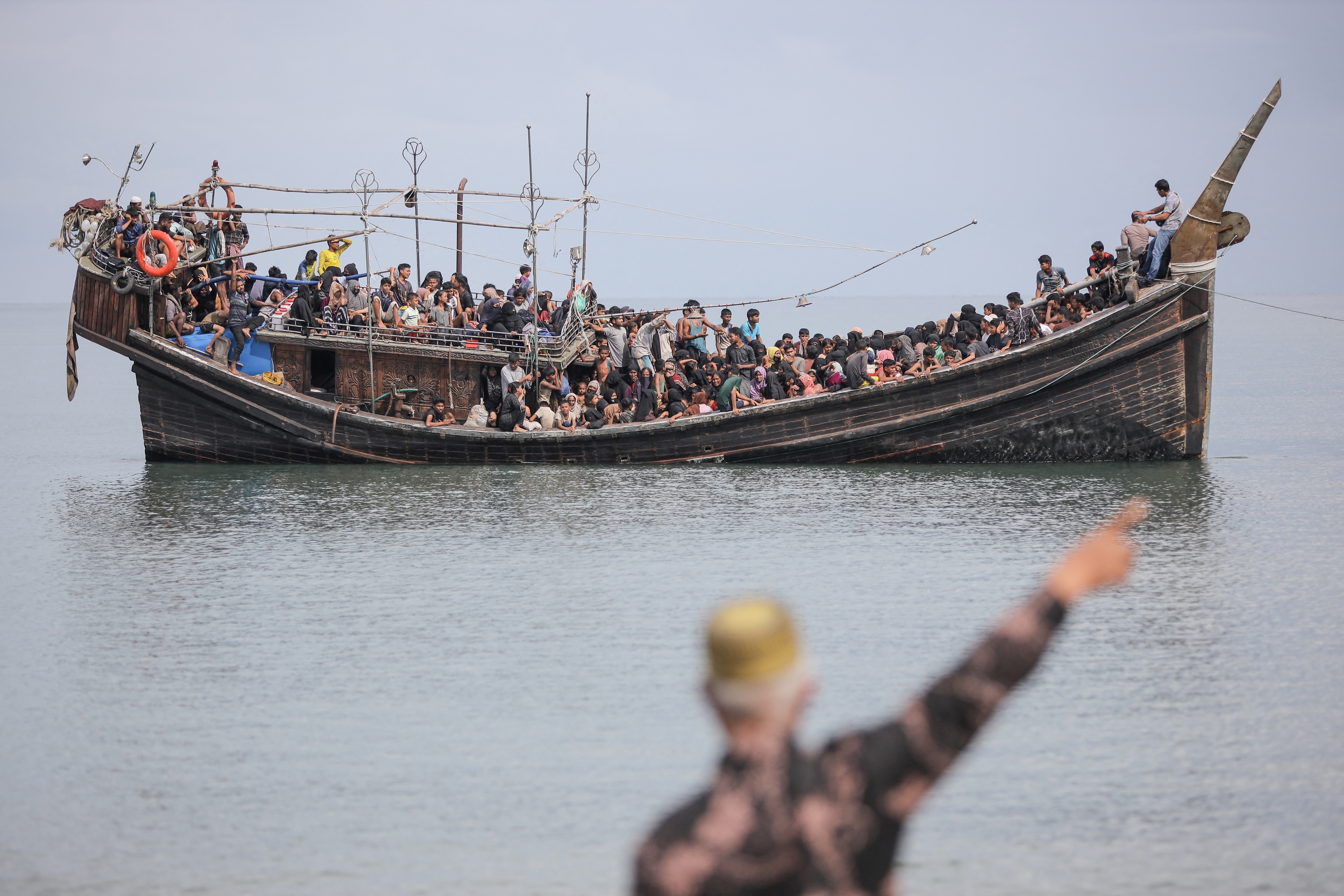
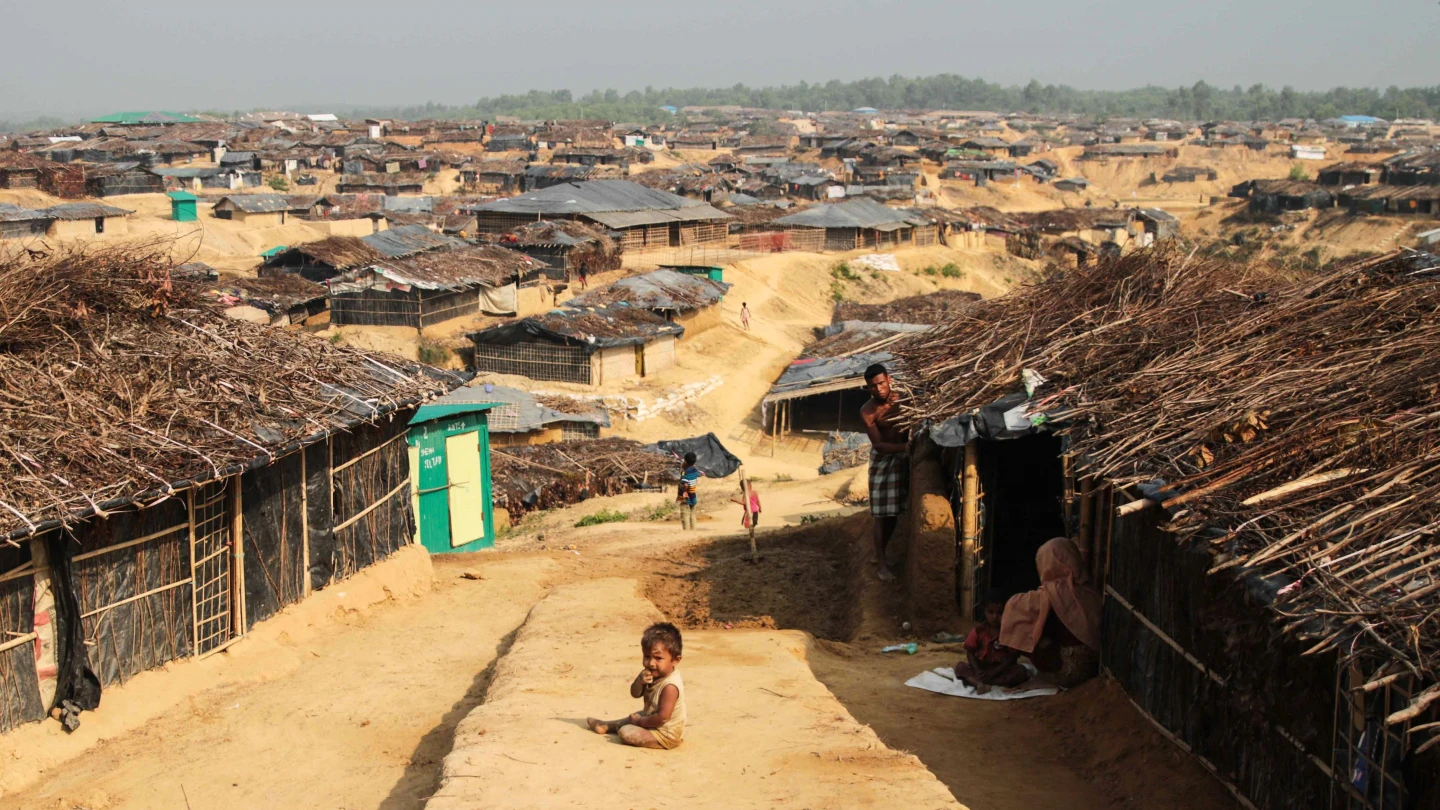
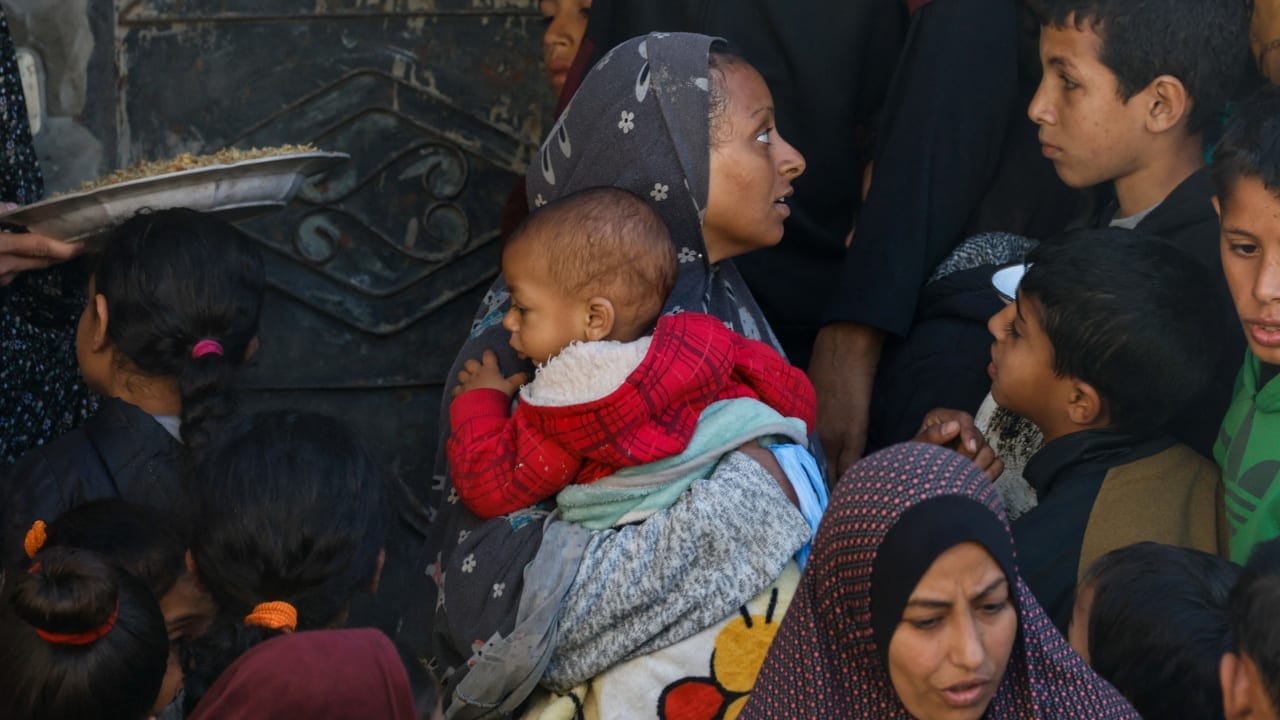
Left · 1The court cannot enforce its decisions, though they have been respected in the past; the Guardian says supporters want states to block arms transfers and jet fuel supplies, and that UN Security Council backing is unlikely given US-China divisions. More than 1 million Rohingya remain in Bangladesh, and fewer than 600,000 are estimated to remain in Myanmar. The GuardianLC “While the court does not have the means to enforce its decisions, they have been respected in the past”“More than 1 million Rohingya remain in Bangladesh, in the world’s largest refugee settlement. Fewer than 600,000 are estimated to remain in Myanmar.” Read at The Guardian ↗ Left · 1Al Jazeera, reporting from Cox's Bazar, says more than 1.2 million Rohingya refugees remain in Bangladesh and that aid has declined sharply. Refugees and activists interviewed say they hope a ruling would bring recognition and strengthen their claim to return. Activist Nay San Lwin said justice also requires citizenship and safe return, and that the struggle would continue even without a genocide finding. Al JazeeraLC “More than 1.2 million Rohingya refugees remain in Bangladesh, most of them in camps in Cox’s Bazar.”“Our commitment to justice does not depend on a single verdict,” Nay San Lwin said.” Read at Al Jazeera ↗ Mixed · 2AP, carried by Arab News, says The Gambia asks for reparations, full citizenship for the Rohingya and their right to return, and that about 1.2 million Rohingya live in Bangladesh and around 550,000 remain in Myanmar. It cites over 6,500 attempted sea crossings in 2025, with nearly 900 people dead or missing. Rohingya activist Yasmin Ullah said the demands are rooted in a desire for recognition and dignity. The BBC adds that Rakhine State is now mostly controlled by the Arakan Army, whose Rakhine supporters are hostile to Rohingya returning. Arab NewsRC “approximately 1.2 million Rohingya refugees live in Bangladesh”“The UN refugee agency recorded over 6,500 attempted crossings in 2025” Read at Arab News ↗ BBC NewsN “Rakhine State has been ravaged by a conflict between the military and the insurgent Arakan Army, which now controls most of the territory.” Read at BBC News ↗
Left · 1Al Jazeera notes that even a favourable ruling may change little soon, since Myanmar is in civil war and the same military remains in power. Michael Kugelman of the Atlantic Council said a finding would carry major implications for international law but that Myanmar's neighbours would likely stay pragmatic. Nasir Uddin of the University of Chittagong said he did not expect an 'entirely black-and-white judgement' and that the court might recognise some aspects while scrutinising others. He added that a ruling could reinforce the principle that states not directly affected, like The Gambia, can bring genocide cases. Al JazeeraLC “I would not necessarily expect an entirely black-and-white judgement,” Uddin said.”“Myanmar’s neighbours would likely continue to take a pragmatic position,”” Read at Al Jazeera ↗ Centre · 2Anadolu Agency and Deutsche Welle describe the case's history: the ICJ ordered provisional measures on 23 January 2020 telling Myanmar to prevent genocide, preserve evidence and report on compliance, and rejected Myanmar's jurisdiction and admissibility objections on 22 July 2022. Anadolu says 11 states, including Canada, France, Germany and the UK, intervened on how to interpret the Genocide Convention. Deutsche Welle says rights groups argue Myanmar has ignored the provisional measures. Anadolu AgencyN “On Jan. 23, 2020, the court ordered Myanmar to take all measures within its power to prevent genocide against the Rohingya.”“Eleven countries, including Canada, France, Germany and the UK, subsequently intervened” Read at Anadolu Agency ↗ Deutsche WelleN “an order rights groups say it has blatantly ignored” Read at Deutsche Welle ↗ Centre · 2Merits hearings ran from 12 to 29 January 2026; Deutsche Welle says Myanmar called one witness and The Gambia three plus an expert. Anadolu says Aung San Suu Kyi, then civilian leader, defended Myanmar in December 2019, acknowledging disproportionate force may have been used but rejecting genocidal intent, and that the military authorities have continued the defence since the 2021 coup. Anadolu AgencyN “The ICJ held hearings on the merits of the case from Jan. 12 to 29, 2026.”“She acknowledged that disproportionate force may have been used but rejected allegations of genocidal intent.” Read at Anadolu Agency ↗ Deutsche WelleN “While Myanmar called one witness, The Gambia called three, as well as an expert.” Read at Deutsche Welle ↗
Centre · 1Deutsche Welle quotes Melanie O'Brien of the University of Western Australia as saying the judgment could be 'fairly complicated', because the court could rule for Myanmar on some Convention provisions and against it on others. Michael Becker of Trinity College Dublin argues that sexual violence and the killing of children undermine Myanmar's claim of a legitimate counterterrorism operation. Both say the court's handling of indirect evidence of intent will matter for other cases, including South Africa v Israel. Deutsche WelleN “The ICJ could rule in Myanmar's favor on some of these provisions and against it on others.”“It directly undermines Myanmar's argument that this was a legitimate counterterrorism operation,”“this will have major repercussions for other cases,” Read at Deutsche Welle ↗ Centre · 2Deutsche Welle says a genocide finding could bolster a request before the International Criminal Court for an arrest warrant for Min Aung Hlaing, and that enforcing any reparations would rest with the UN Security Council, where Myanmar allies China and Russia hold vetoes. Human Rights Watch called the judgment a 'crucial moment in the Rohingya's quest for justice', and Anadolu says it will not automatically bring repatriation, compensation or criminal accountability. Deutsche WelleN “a finding of genocide by the ICJ could bolster the case for granting the warrant.”“with China and Russia, both allies of Min Aung Hlaing's regime, holding veto power on the council” Read at Deutsche Welle ↗ Anadolu AgencyN “will mark a crucial moment in the Rohingya's quest for justice” Read at Anadolu Agency ↗ Centre · 1Bangladesh, which Anadolu says hosts about 1.3 million Rohingya, voiced 'deep concern' on Wednesday about the situation in Rakhine at a Dhaka meeting between State Minister for Foreign Affairs Shama Obaed Islam and UN Special Rapporteur Kelley Anne Eckels-Currie. It called early repatriation the only durable solution and said accountability is essential. Anadolu AgencyN “expressed “deep concern over the deteriorating situation in Myanmar, particularly in Rakhine State, where the Rohingya continue to face violence and renewed displacement.””“Bangladesh hosts about 1.3 million Rohingya in camps along its southeastern coast” Read at Anadolu Agency ↗
Mixed · 2AP and the BBC both say an ICJ judgment is final but unenforced: AP says the court can only report non-compliance to the UN Security Council, and the BBC says there is no appeal and no penalty. The BBC expects Min Aung Hlaing to focus on neighbouring Asian states unlikely to heed a verdict. AP also lists other pending ICJ genocide cases, including Nicaragua v Germany and Ukraine v Russia, and says the South Africa v Israel case will take years to reach judgment. Arab NewsRC “the court has no way to enforce it beyond reporting non-compliance to the UN Security Council.”“That case will take years to reach a judgment.” Read at Arab News ↗ BBC NewsN “There is no right of appeal against an ICJ verdict. However, there is also no penalty that follows an ICJ verdict.” Read at BBC News ↗ Left · 1Al Jazeera says the UN estimated about 10,000 Rohingya were killed and 740,000 fled in 2017. It adds that Myanmar's military has announced convictions in only two cases, and that seven soldiers jailed for killing 10 Rohingya men and boys at Inn Din were freed after less than a year of 10-year sentences. Al Jazeera also says Myanmar excluded the Rohingya from its 135 recognised ethnic groups in 1982, leaving nearly all stateless. Al JazeeraLC “About 10,000 Rohingya were killed and 740,000 forced to flee to Bangladesh, the UN estimated.”“seven soldiers jailed for killing 10 Rohingya men and boys at Inn Din village were freed after serving less than a year of their 10-year sentences.” Read at Al Jazeera ↗ Mixed · 2The Gambia asks the court to order Myanmar to prosecute those responsible, make reparations and ensure safe return. Myanmar disputes The Gambia's right to seek reparations on the Rohingya's behalf and rejects the allegations as 'unsubstantiated', saying its military ran a 'counter-terrorism operation'. Al Jazeera's account says seven states backed The Gambia at the hearings, whereas Anadolu says 11 intervened. Al JazeeraLC “Myanmar disputes The Gambia’s right to seek reparations on their behalf.” Read at Al Jazeera ↗ CNAN “Myanmar rejected the allegations as “unsubstantiated”, arguing that the military had acted in a “counter-terrorism operation”.” Read at CNA ↗ Al JazeeraLC “seven states – including Canada, France and the United Kingdom – backing The Gambia.” Read at Al Jazeera ↗
Centre · 1CNA reports that after the 2021 coup the parallel National Unity Government said in February 2022 it accepted the ICJ's jurisdiction and would withdraw Myanmar's preliminary objections. It also notes the ICC prosecutor sought an arrest warrant for Min Aung Hlaing in 2024 and that a universal-jurisdiction case is under way in Argentina. CNAN “In February 2022, the NUG announced that it accepted the ICJ’s jurisdiction and would withdraw Myanmar’s preliminary objections to the genocide case.”“A separate case is also under way in Argentina under the principle of universal jurisdiction” Read at CNA ↗ Left · 1Al Jazeera quotes Michael Becker as saying a genocide finding may do little in the short term and that relief may be ordered only partly or generally. William Schabas said that if The Gambia wins, 'we can be confident that South Africa will prevail over Israel', a view he gives as his own opinion. Al Jazeera says the Myanmar judgment will be the first final ruling among five genocide cases pending at the ICJ. Al JazeeraLC “In my opinion, the South African case against Israel is much stronger than the case of Gambia against Myanmar. If Gambia wins against Myanmar, we can be confident that South Africa will prevail over Israel,” he said.”“The Myanmar ruling will be the first final judgement out of five genocide cases pending before the ICJ.” Read at Al Jazeera ↗ Centre · 1Hindustan Times, citing Reuters, says both Israel and Myanmar deny genocide and say their forces responded legitimately to attacks by armed groups. Hindustan TimesN “Both Israel and Myanmar deny genocide and say their forces have responded legitimately to attacks by armed groups.” Read at Hindustan Times ↗
Every sentence links to the reporting it rests on. The pill in front of each says where its sources sit: Left, Centre or Right when one side supplies at least half of them, Mixed when they are evenly split. The number is how many outlets it cites.
Left8 outlets
- Framing
- The Guardian leads with the case's legal and moral stakes, calling the ruling a landmark benchmark and giving heavy space to survivors, a former UN investigator and the survivors' lawyer. Al Jazeera reports from Cox's Bazar on refugees' hopes and what a ruling could change.
- Emphasis
- Survivor testimony, the difficulty of proving intent, sexual violence as evidence of intent, Min Aung Hlaing's role and enforcement limits. The Israel link is one implication among several.
- Leaves out or plays down
- Little detail on Myanmar's defence beyond one line saying it denies genocide.
- For example
-
“International court of justice has never before found a state guilty of genocide, and ruling will have implications for case against Israel” — The Guardian
“The ICJ rules on The Gambia’s genocide case against Myanmar. Here’s what’s at stake for the Rohingya.” — Al Jazeera
Centre10 outlets
- Framing
- Centre outlets (France 24, SCMP, Anadolu, Deutsche Welle, BBC) treat the ruling as a legal explainer and history. The BBC adds a correspondent's first-hand view and the lead counsel's argument; Anadolu also reports Bangladesh's official reaction.
- Emphasis
- The high bar of proving genocidal intent, the court's inability to enforce, the effect on other genocide cases and the ICC request on Min Aung Hlaing, plus obstacles to Rohingya return, notably Arakan Army control of Rakhine.
- Leaves out or plays down
- Little survivor testimony beyond a few activists; Anadolu and Deutsche Welle give the Israel link less weight than the Guardian; the BBC does not mention South Africa v Israel; France 24 omits Myanmar's defence.
- For example
-
“But no state has ever been found guilty by an international court of committing genocide.” — BBC News
“Bangladesh on Wednesday expressed deep concern over the deteriorating situation in Myanmar’s Rakhine state” — Anadolu Agency
Right6 outlets
- Framing
- The Jerusalem Post frames the ruling as a precedent for South Africa's case against Israel. Arab News (AP) and the Straits Times (Reuters) run neutral agency previews covering the case, the refugees and other pending ICJ genocide cases.
- Emphasis
- Precedent for South Africa's case, Israel's rejection of the accusation, Waltz's warning, and in the agency copy, the list of other pending genocide cases and the refugee numbers.
- Leaves out or plays down
- The Jerusalem Post omits survivor testimony, Myanmar's defence and the refugee numbers; the agency copy gives little on Min Aung Hlaing.
- For example
-
“The ICJ's landmark ruling on Myanmar's alleged Rohingya genocide could set a historic precedent for South Africa's genocide case against Israel in Gaza.” — The Jerusalem Post
“The judgment comes while the World Court also is handling genocide allegations linked to the Gaza conflict and the war in Ukraine.” — Arab News
What every side reports
- The ICJ is due to deliver its judgment on the Gambia's genocide case against Myanmar this week.
- The ICJ has never formally found a state guilty of genocide.
- Myanmar's 2017 military offensive drove hundreds of thousands of Rohingya into Bangladesh.
- The outcome is expected to bear on South Africa's genocide case against Israel.
- US ambassador Mike Waltz warned the ICJ against setting a genocide standard that could be used against allied soldiers.
Where accounts differ
-
Number of Rohingya in Bangladesh and Myanmar
- Left
- Al Jazeera: more than 1.2 million in Bangladesh.
- Centre
- Anadolu: about 1.3 million in Bangladesh; BBC: more than a million.
- Right
- AP (Arab News): about 1.2 million in Bangladesh and around 550,000 in Myanmar; Reuters (Straits Times): 1.2 million.
-
Timing of the merits hearings
- Centre
- Deutsche Welle and Anadolu give 12 to 29 January 2026.
- Right
- AP (Arab News) says public hearings were 'early last year', which differs from the January 2026 dates other outlets give.
-
The Myanmar ruling is the first time the ICJ has found a state responsible for committing genocide.
Supported- Supports 7
- Al Jazeera, The Guardian, Anadolu Agency, BBC News, CNA, Arab News, The Jerusalem Post
- Reports 1
- France 24
-
The ICJ's Myanmar ruling will bear on South Africa's genocide case against Israel.
Supported- Supports 4
- Al Jazeera, The Guardian, BBC News, The Jerusalem Post
- Reports 9
- Anadolu Agency, CNA, Deutsche Welle, France 24, Hindustan Times, The National, Arab News, JNS, The Straits Times
-
The ICJ has no independent mechanism to enforce its judgments.
Reported- Reports 9
- Al Jazeera, Anadolu Agency, BBC News, CNA, Deutsche Welle, Hindustan Times, Arab News, The Straits Times, Washington Examiner
-
The ICJ ruled by 9 votes to 6 that Myanmar committed genocide against the Rohingya in northern Rakhine state.
Supported- Supports 9
- The Guardian, Anadolu Agency, BBC News, CNA, Deutsche Welle, The National, Arab News, JNS, Washington Examiner
Myanmar place
Myanmar denies carrying out genocide and says its actions targeted a military uprising by insurgents.
“Myanmar, which has denied carrying out a genocide, claims its actions targeted a military uprising from insurgents.” — The Guardian
International Court of Justice organisation
The court is due to rule on Thursday. It has never found a state guilty of genocide and cannot enforce its decisions.
“will deliver its judgment on Thursday morning” — The Guardian
“the ICJ has never before formally found a country guilty of committing such an act” — The Jerusalem Post
South Africa place
South Africa brought a genocide case against Israel over the Gaza war in December 2023. Both outlets say the Myanmar ruling may affect it.
“South Africa initially brought the accusation against Israel before the court over alleged violations of the Genocide Convention in relation to the war in Gaza in December 2023.” — The Jerusalem Post
Rohingya other
Rohingya survivors and their representatives say they were targeted for destruction and hope the ruling brings justice and recognition.
““We are asking for justice, recognition, equal rights and a future in which our children can live safely and with dignity in their own homeland.”” — The Guardian
UK and Ireland4 outlets
The Guardian covers the case as a human-rights and international-law milestone for the Rohingya, with the Israel case as a secondary implication.
“For many onlookers, the ICJ decision will hold relevance far beyond Myanmar” — The Guardian
The Guardian, BBC News, The Independent, Daily Mirror
Israel2 outlets
The Jerusalem Post focuses on how the Myanmar ruling could affect the South Africa v. Israel case, including Israel's denial.
“The outcome is expected to have repercussions beyond Myanmar, likely affecting South Africa's genocide case at the ICJ against Israel over the war in Gaza.” — The Jerusalem Post
The Jerusalem Post, JNS
Left35 articles
-
World’s top court to rule if Myanmar committed genocide against Rohingya
Sympathetic Presents the ruling as a historic test of international law, centring Rohingya survivors and legal advocates while noting the implications for the Israel case.
-
‘We want to go back’: Rohingya refugees pin hopes on ICJ genocide verdict
Sympathetic Al Jazeera centres Rohingya refugees in Cox's Bazar and their hopes, with expert caveats that a ruling may not bring a safe return.
-
ICJ to rule on Rohingya genocide case: What to expect
Sympathetic Al Jazeera explainer on what is at stake for the Rohingya and the limits of a ruling.

-
ICJ to rule on Rohingya genocide case against Myanmar
Neutral Concise Al Jazeera preview setting out the judgment time, the legal test, Myanmar's denial and the Serbia precedent.

Show 31 moreShow fewer
-
ICJ to rule on Rohingya genocide case against Myanmar: What’s at stake?
Sympathetic Al Jazeera 'what's at stake' piece stressing UN findings of atrocities and impunity, refugee hardship and expert views that the Israel case is stronger.

-

-
Myanmar committed acts of genocide against Rohingya minority, world’s top court rules
Mixed Presents the ruling as a critical global test, stressing sexual violence as evidence of intent, US hostility to international courts and the Israel link, including that UN investigators have said Israel committed genocide in Gaza.
-
-
-

-
-

-

-
-

-

-

-

-

-

-

-
-
-

-

-

-

-

-
-

-
-
The GuardianLC · · Opinion
The ruling against Myanmar makes proving genocide more feasible | Kenneth Roth
-
The GuardianLC · · Opinion

Centre66 articles
-
Verdict week in the Myanmar genocide case
Neutral A press-review item relaying other outlets' reporting on the coming ICJ verdict, stressing the high bar of genocidal intent and the link to the Israel case.
-
World Court to rule on whether Myanmar committed genocide against the Rohingya
Neutral SCMP leads with the plain news that the ICJ will rule on Thursday on whether Myanmar committed genocide against the Rohingya.
-
EXPLAINER – What to know ahead of ICJ ruling in Rohingya genocide case against Myanmar
Neutral Anadolu's explainer sets out the case chronology, both sides' arguments and the stakes, noting that the ruling will not automatically bring repatriation or compensation.
-
ICJ to rule on Rohingya genocide case against Myanmar: What to know
Neutral Deutsche Welle's explainer relies on legal experts and a Rohingya activist to explain intent, the possible split ruling, links to other cases and enforcement doubts.
Show 62 moreShow fewer
-
Neutral Anadolu reports Bangladesh's official concern over Rakhine and its call for accountability and repatriation.
-
Myanmar faces historic genocide verdict at UN court over Rohingya massacres
Sympathetic BBC correspondent's analysis stressing the brutality of 2017, the high legal bar and the limits of a verdict.

-

-

-
CNAN ·
World Court to rule whether Myanmar committed genocide against Rohingya
Neutral CNA explainer that adds the National Unity Government's cooperation with the court and Arakan Army control of Rakhine as complications.
-
International Court of Justice to deliver landmark judgment in Myanmar Rohingya genocide case
Neutral Hindustan Times short preview largely relaying Reuters, including the line that Israel and Myanmar both deny genocide.
-

-
Top UN court rules Myanmar 'has committed' genocide against Rohingya
Neutral Reports the 9-6 finding and the court's reasoning on hate speech and intent, and notes repercussions for South Africa's case against Israel.
-
CNAN ·
Top UN court finds Myanmar committed state-sponsored genocide against Muslim Rohingya
Neutral Leads on the first ICJ genocide finding against a state, with remedies, limits on enforcement and ASEAN context.
-
-
Myanmar committed genocide against Rohingya, top UN court rules
Neutral Legal summary of the verdict, including the court's finding on Myanmar's withholding of evidence and non-state civilian violence.
-
-
Gulf NewsN · · via AP
UN court declares Myanmar guilty of genocide against rohingya in landmark ruling
-
-
-
Tears, prayers, hopes of home as Rohingya celebrate ICJ genocide verdict against Myanmar
Sympathetic Refugee-focused account of reactions in Cox's Bazar, balancing relief with doubts that the ruling will enable return.
-

-
UN rights chief says Myanmar genocide ruling must be a 'turning point' for Rohingya justice
Sympathetic Relays the UN rights chief's call for implementation, an arms and jet fuel halt and no premature return.
-
-
CNAN ·
'Justice is finally being served': Rohingya widow hears Myanmar genocide ruling from refugee camp
-
-
-

-
-
-
-
-
France 24N · · Opinion
ICJ ruling on Myanmar genocide: ‘Historic victory for Rohingya, landmark for international justice’

-
-

-

-
BBC NewsN · · Opinion
Bowen: Myanmar genocide verdict is historic and could have far-reaching implications

-
-
-
-
-
-
-
-
-
-
-
-
-
-
-
-
-
-
-
CNAN ·
Rohingya in Bangladesh welcome UN court’s genocide verdict but say they want to go home to Myanmar
-
-
-
-
-

-

-
Right26 articles
-
Can ICJ's ruling on Myanmar's Rohingya genocide affect South Africa's case on Israel? - explainer
Neutral Explainer that treats the Myanmar ruling mainly as a possible precedent for South Africa's case against Israel, including Israel's rejection and the US warning.
-
Arab NewsRC · · via AP
Top UN court to deliver judgment in case alleging Myanmar committed genocide against Rohingya
Neutral AP preview carried by Arab News, with expert and Rohingya voices and other pending ICJ genocide cases.
-
Top UN court to rule on alleged genocide of Myanmar’s Rohingya
Neutral Reuters preview carried by the Straits Times, with the reading time, the legal test and the limits of enforcement.
-
Show 22 moreShow fewer
-
-
Arab NewsRC · · via AP
In a landmark judgment, top UN court says Myanmar committed genocide against the Rohingya
Neutral AP copy carried by Arab News reports the ruling, remedies and the Rohingya reaction in the courtroom, with other pending ICJ genocide cases as context.
-
-
JNSR ·
World Court rules Myanmar committed genocide against Rohingya
Neutral Short report on the verdict framed around its implications for South Africa v Israel and that case's timetable.
-
The Jerusalem PostRC · · Opinion
ICJ Myanmar ruling could undermine Israel's defense against Gaza genocide charges - analysis
-
New York PostR · · via AP
Top UN court says Myanmar committed genocide against the Rohingya minority in landmark ruling

-
-
-
-
-
-
-
-
The Jerusalem PostRC · · Opinion
Genocide must be proven, not proclaimed, the ICJ ruling on Myanmar shows - editorial
-
-
-
-
-
Arab NewsRC · · via AP
Rights groups urge sanctions after top UN court finds Myanmar committed genocide against Rohingya
-
-
-


- 15 Nov 06:00 First The GuardianLC World’s top court to rule if Myanmar committed genocide against Rohingya
- 15 Nov 15:24 +9h 24m The Jerusalem PostRC Can ICJ's ruling on Myanmar's Rohingya genocide affect South Africa's case on Israel? - explainer
- 16 Nov 10:01 +28h 1m France 24N Verdict week in the Myanmar genocide case
- 18 Nov 03:51 +69h 51m South China Morning PostN World Court to rule on whether Myanmar committed genocide against the Rohingya
- 18 Nov 08:55 +74h 56m Al JazeeraLC ‘We want to go back’: Rohingya refugees pin hopes on ICJ genocide verdict
- 18 Nov 09:28 +75h 29m Anadolu AgencyN EXPLAINER – What to know ahead of ICJ ruling in Rohingya genocide case against Myanmar
- 18 Nov 12:11 +78h 12m Al JazeeraLC ICJ to rule on Rohingya genocide case: What to expect
- 18 Nov 14:27 +80h 27m Deutsche WelleN ICJ to rule on Rohingya genocide case against Myanmar: What to know
- 18 Nov 15:30 +81h 30m Anadolu AgencyN Bangladesh expresses ‘deep concern’ over deteriorating situation in Rakhine as ICJ set to rule in Rohingya genocide case
- 18 Nov 18:06 +84h 7m Arab NewsRC Top UN court to deliver judgment in case alleging Myanmar committed genocide against Rohingya via AP
- 18 Nov 23:04 +89h 4m BBC NewsN Myanmar faces historic genocide verdict at UN court over Rohingya massacres
- 18 Nov 23:05 +89h 5m The Straits TimesRC Top UN court to rule on alleged genocide of Myanmar’s Rohingya
- 19 Nov 02:10 +92h 11m Al JazeeraLC ICJ to rule on Rohingya genocide case against Myanmar
- 19 Nov 03:07 +93h 7m France 24N Top UN court to rule if Myanmar committed genocide against Rohingya minority
- 19 Nov 03:07 +93h 8m RFIN Myanmar guilty of genocide against Rohingya, says top UN court
- 19 Nov 04:10 +94h 10m CNAN World Court to rule whether Myanmar committed genocide against Rohingya
- 19 Nov 05:13 +95h 13m Al JazeeraLC ICJ to rule on Rohingya genocide case against Myanmar: What’s at stake?
- 19 Nov 06:50 +96h 51m Hindustan TimesN International Court of Justice to deliver landmark judgment in Myanmar Rohingya genocide case
- 19 Nov 09:24 +99h 24m The Jerusalem PostRC WATCH: World court rules on whether Myanmar committed genocide against Rohingya
- 19 Nov 10:31 +100h 32m Al JazeeraLC UN top court convicts Myanmar of ‘genocidal intent’ against Rohingya
- 19 Nov 11:00 +101h Arab NewsRC Myanmar forces killed ‘thousands of Rohingya’, says top UN court via AFP
- 19 Nov 11:00 +101h Arab NewsRC In a landmark judgment, top UN court says Myanmar committed genocide against the Rohingya via AP
- 19 Nov 11:00 +101h Arab NewsRC In landmark ruling, ICJ finds Myanmar guilty of genocide against Rohingya
- 19 Nov 11:08 +101h 9m The GuardianLC Myanmar committed acts of genocide against Rohingya minority, world’s top court rules
- 19 Nov 11:22 +101h 22m France 24N Myanmar's Rohingya case: how does the ICJ define genocide?
- 19 Nov 11:26 +101h 27m The NationalN Top UN court rules Myanmar 'has committed' genocide against Rohingya
- 19 Nov 11:39 +101h 39m CNAN Top UN court rules Myanmar committed genocide against Rohingya in landmark judgement
- 19 Nov 11:39 +101h 39m Deutsche WelleN ICJ: Myanmar committed genocide against Rohingya
- 19 Nov 11:39 +101h 39m CNAN Top UN court finds Myanmar committed state-sponsored genocide against Muslim Rohingya
- 19 Nov 11:39 +101h 39m Deutsche WelleN Myanmar committed genocide against Rohingya, top UN court rules
- 19 Nov 11:43 +101h 44m Gulf NewsN UN court declares Myanmar guilty of genocide against rohingya in landmark ruling via AP
- 19 Nov 11:45 +101h 45m The IndependentLC Myanmar committed genocide against Rohingya people, UN’s top court rules
- 19 Nov 11:49 +101h 49m Hindustan TimesN Myanmar committed genocide during 2017 Rohingya crackdown, UN court rules
- 19 Nov 11:51 +101h 52m ABC News (Australia)LC Breaking: Myanmar committed genocide against Rohingyas, UN court says
- 19 Nov 11:52 +101h 52m South China Morning PostN UN top court says Myanmar committed genocide against Rohingya via AP
- 19 Nov 12:08 +102h 8m The Jerusalem PostRC ICJ Myanmar ruling could undermine Israel's defense against Gaza genocide charges - analysis Opinion
- 19 Nov 12:09 +102h 10m Anadolu AgencyN UN court rules Myanmar committed genocide against Rohingya in 1st such ruling against a state
- 19 Nov 12:20 +102h 20m Al JazeeraLC ICJ rules Myanmar committed genocide against the Rohingya
- 19 Nov 12:35 +102h 35m CBS NewsLC Myanmar committed genocide against Rohingya, U.N. top court rules
- 19 Nov 12:56 +102h 57m Anadolu AgencyN Tears, prayers, hopes of home as Rohingya celebrate ICJ genocide verdict against Myanmar
- 19 Nov 13:03 +103h 4m JNSR World Court rules Myanmar committed genocide against Rohingya
- 19 Nov 13:07 +103h 8m CBC NewsLC Myanmar committed genocide against Rohingya ethnic minority, International Court of Justice rules
- 19 Nov 13:19 +103h 19m France 24N 'Their lives, their rights, their history': Not the end of accountability for the Rohingya people'
- 19 Nov 13:19 +103h 19m Anadolu AgencyN UN rights chief says Myanmar genocide ruling must be a 'turning point' for Rohingya justice
- 19 Nov 13:53 +103h 54m Anadolu AgencyN UN chief welcomes Myanmar genocide ruling, urges accountability for Rohingya
- 19 Nov 13:54 +103h 55m Hindustan TimesN ‘Justice is finally being served’: Rohingya widow hears Myanmar genocide ruling from refugee camp via Reuters
- 19 Nov 13:56 +103h 56m CNAN 'Justice is finally being served': Rohingya widow hears Myanmar genocide ruling from refugee camp
- 19 Nov 13:56 +103h 56m The Jerusalem PostRC What is the ICJ, the UN body that just ruled Myanmar committed genocide? - explainer
- 19 Nov 14:00 +104h Anadolu AgencyN UK expels Myanmar defense attache, seeks urgent UN meeting after genocide ruling
- 19 Nov 14:07 +104h 7m Anadolu AgencyN Rohingya council co-chair hails ICJ genocide ruling, calls for concrete action
- 19 Nov 14:07 +104h 7m France 24N ICJ rules Myanmar committed genocide against the Rohingya
- 19 Nov 14:22 +104h 22m Anadolu AgencyN Norway welcomes UN court ruling holding Myanmar responsible for Rohingya genocide
- 19 Nov 14:31 +104h 32m Al JazeeraLC What the ICJ genocide ruling means for the Rohingya people
- 19 Nov 14:51 +104h 52m Anadolu AgencyN UN investigative mechanism hails Myanmar genocide ruling as 'major milestone,' urge accountability
- 19 Nov 15:04 +105h 5m Anadolu AgencyN 'Justice decided, but not yet delivered': Rights experts on Myanmar urge prosecutions after genocide ruling
- 19 Nov 15:14 +105h 15m New York PostR Top UN court says Myanmar committed genocide against the Rohingya minority in landmark ruling via AP
- 19 Nov 15:28 +105h 29m Anadolu AgencyN FACTBOX - Inside ICJ's historic Rohingya genocide ruling against Myanmar
- 19 Nov 15:51 +105h 52m Arab NewsRC UK says expelling Myanmar defense attache after ICJ genocide ruling: FM via AFP
- 19 Nov 15:54 +105h 55m France 24N ICJ ruling on Myanmar genocide: ‘Historic victory for Rohingya, landmark for international justice’ Opinion
- 19 Nov 16:05 +106h 6m Anadolu AgencyN Bangladesh hopes genocide verdict against Myanmar helps Rohingya repatriation
- 19 Nov 16:19 +106h 19m BBC NewsN Myanmar committed genocide against Rohingya minority, top UN court rules
- 19 Nov 16:49 +106h 50m Daily MirrorL Myanmar committed genocide against Rohingya minority – UN court landmark ruling
- 19 Nov 17:06 +107h 6m Washington ExaminerR ICJ rules Myanmar committed genocide against Rohingya
- 19 Nov 17:14 +107h 15m The GuardianLC Myanmar ruling gives new relevance to genocide convention and is ‘full of messages’ for Israel
- 19 Nov 17:35 +107h 35m BBC NewsN Rohingya genocide: What was said in court and what happens now?
- 19 Nov 19:16 +109h 16m Al JazeeraLC Rohingya survivors react to landmark genocide ruling against Myanmar
- 19 Nov 19:19 +109h 19m Al JazeeraLC World reacts to ICJ finding Myanmar guilty of genocide against Rohingya
- 19 Nov 19:25 +109h 25m Arab NewsRC US says it is assessing implications of UN court decision on Myanmar via Reuters
- 19 Nov 19:33 +109h 33m Al JazeeraLC Photos: Genocide ruling spotlights human toll of 2017 Rohingya crisis
- 19 Nov 20:02 +110h 2m BBC NewsN Bowen: Myanmar genocide verdict is historic and could have far-reaching implications Opinion
- 19 Nov 20:26 +110h 26m Al JazeeraLC What does the Myanmar genocide ruling mean for the Rohingya?
- 19 Nov 20:58 +110h 59m Al JazeeraLC Rohingya genocide survivor: ‘perpetrators will have to face consequences’
- 19 Nov 21:00 +111h The Jerusalem PostRC US assessing implications of International Court of Justice's Myanmar genocide ruling
- 19 Nov 21:32 +111h 32m Anadolu AgencyN Switzerland expects compliance with ICJ genocide ruling against Myanmar
- 19 Nov 21:35 +111h 36m Anadolu AgencyN EU urges Myanmar to fully implement ICJ's genocide ruling 'without delay'
- 19 Nov 22:40 +112h 40m The Straits TimesRC Myanmar genocide ruling sets up court fight over Israel and Gaza
- 19 Nov 23:17 +113h 18m Anadolu AgencyN Türkiye welcomes ICJ ruling holding Myanmar responsible for Rohingya genocide
- 20 Nov 00:10 +114h 10m The Straits TimesRC US warns against ‘politicisation’ of ICJ, studying Myanmar ruling
- 20 Nov 01:06 +115h 6m Hindustan TimesN Myanmar guilty of genocide against Rohingya, rules ICJ
- 20 Nov 04:16 +118h 16m The Jerusalem PostRC Genocide must be proven, not proclaimed, the ICJ ruling on Myanmar shows - editorial Opinion
- 20 Nov 05:36 +119h 36m Al JazeeraLC Tears of joy, prayers for return home: Rohingya react to genocide ruling
- 20 Nov 07:20 +121h 21m Al JazeeraLC The Gambia stood up for the Rohingya, now the world must act Opinion
- 20 Nov 07:29 +121h 29m ABC News (Australia)LC Celebrations in Australian suburbs at international court's genocide ruling
- 20 Nov 07:32 +121h 32m CNAN UN General Assembly chief tells Myanmar to ‘bring Rohingya home’
- 20 Nov 08:18 +122h 19m Arab NewsRC International court’s genocide ruling ‘not fair’: Myanmar spokeswoman via AFP
- 20 Nov 08:26 +122h 26m Hindustan TimesN Myanmar calls International court's Rohingya genocide ruling ‘unfair’
- 20 Nov 08:45 +122h 45m Anadolu AgencyN ICJ's Myanmar genocide ruling raises concerns in Israel over Gaza case: Report
- 20 Nov 09:16 +123h 17m Anadolu AgencyN China seeks ‘comprehensive solution’ to Rohingya issue after ICJ genocide ruling
- 20 Nov 09:30 +123h 30m The Jerusalem PostRC Myanmar calls UN court's landmark Rohingya genocide ruling 'unfair,' claims it was unjustly accused
- 20 Nov 09:36 +123h 36m CNAN Myanmar says international court's genocide ruling 'not fair'
- 20 Nov 09:54 +123h 54m ABC News (Australia)LC Myanmar calls international court ruling on Rohingya genocide 'unfair'
- 20 Nov 09:57 +123h 57m Anadolu AgencyN Myanmar calls ICJ genocide ruling over Rohingya 'unfair'
- 20 Nov 10:17 +124h 17m Anadolu AgencyN Myanmar has no 'credible' grounds to avoid implementing Rohingya genocide ruling: Gambia's lead lawyer
- 20 Nov 10:17 +124h 18m Anadolu AgencyN ‘Justice must not remain on paper,’ UN General Assembly chief says as Rohingya hope for justice, safe return
- 20 Nov 10:45 +124h 45m Al JazeeraLC Can the Rohingya genocide verdict deliver justice?
- 20 Nov 10:45 +124h 45m CNAN CNA Explains: Can a country be held accountable for genocide?
- 20 Nov 11:00 +125h CBC NewsLC What an international court's historic genocide ruling could mean for future cases
- 20 Nov 12:20 +126h 20m Al JazeeraLC What does the ICJ’s Rohingya genocide ruling mean for Gaza?
- 20 Nov 12:21 +126h 21m Anadolu AgencyN Myanmar genocide ruling beginning of 'the road for justice' for Rohingya, say experts
- 20 Nov 13:10 +127h 11m Anadolu AgencyN Bangladesh vows action to secure compensation after Rohingya genocide ruling
- 20 Nov 13:38 +127h 38m Deutsche WelleN Myanmar genocide ruling: Rohingya say struggle for justice not over
- 20 Nov 13:41 +127h 42m Al JazeeraLC Myanmar, China object to ‘unfair’ ICJ genocide ruling
- 20 Nov 15:02 +129h 2m The VergeLC UN court cites military Facebook posts while finding Myanmar guilty of genocide
- 20 Nov 15:30 +129h 31m The Straits TimesRC Myanmar genocide judgment may bolster Gaza case against Israel
- 20 Nov 17:20 +131h 20m Anadolu AgencyN Change for Rohingya after genocide ruling hinges on international action: UN investigator
- 20 Nov 17:27 +131h 28m Anadolu AgencyN Switzerland calls ICJ ruling against Myanmar 'important step forward' toward justice for Rohingya
- 20 Nov 18:28 +132h 29m Anadolu AgencyN 'The world now knows': Rohingya welcome landmark genocide verdict
- 20 Nov 19:11 +133h 12m Hindustan TimesN Grupos de derechos piden sanciones tras fallo de ONU sobre genocidio en Myanmar contra los rohinyá via AP
- 20 Nov 19:12 +133h 12m Al JazeeraLC What are the implications of the ICJ Rohingya genocide ruling?
- 20 Nov 19:42 +133h 42m Arab NewsRC How an OIC-led case made legal history against Myanmar over the Rohingya genocide
- 20 Nov 20:05 +134h 6m Arab NewsRC Rights groups urge sanctions after top UN court finds Myanmar committed genocide against Rohingya via AP
- 21 Nov 03:37 +141h 38m CNAN Rohingya in Bangladesh welcome UN court’s genocide verdict but say they want to go home to Myanmar
- 21 Nov 04:00 +142h 1m The GuardianLC Rohingya who escaped Myanmar’s genocide tell their stories
- 21 Nov 13:07 +151h 8m Arab NewsRC Historic Myanmar genocide ruling sparks new hope for Rohingya refugees in Bangladesh
- 21 Nov 20:57 +158h 57m Anadolu AgencyN Rohingya groups welcome Hague court’s genocide ruling against Myanmar, urge international action
- 22 Nov 10:17 +172h 17m Anadolu AgencyN Malaysia to engage UN, OIC, ASEAN over Myanmar genocide ruling on Rohingya
- 22 Nov 18:02 +180h 2m Al JazeeraLC Cox’s Bazar: Rohingya Life in Exile
- 23 Nov 01:00 +187h JNSR ‘Genocide’ news reporting in light of the Myanmar ruling Opinion
- 23 Nov 08:26 +194h 26m South China Morning PostN How will China’s ties with Myanmar change with the ICJ’s genocide ruling?
- 23 Nov 09:42 +195h 42m The GuardianLC ICJ ruling on duty to prevent genocide places new onus on countries to act
- 23 Nov 11:00 +197h 1m The GuardianLC The ruling against Myanmar makes proving genocide more feasible | Kenneth Roth Opinion
- 23 Nov 15:27 +201h 27m Anadolu AgencyN Myanmar urged to comply with international law after ICJ genocide ruling on Rohingya Muslims
- 23 Nov 17:07 +203h 7m The GuardianLC Words are not enough after the Myanmar genocide ruling. The world can do better – but it must take these steps | Gordon Brown Opinion
- 23 Nov 23:10 +209h 10m France 24N 14 countries acknowledge ICJ ruling of genocide against Rohingya
- 24 Nov 08:51 +218h 51m CNAN Singapore studying implications after ICJ finds Myanmar committed genocide against Rohingya
- 24 Nov 12:59 +223h Arab NewsRC Genocide ruling changes terms of engagement with Myanmar
- 24 Nov 15:00 +225h The NationalN Does a win for Gambia mean a win for South Africa? Opinion
Times are when each article was published, or when we first saw it if the outlet gave no time.
Ask about this story
Loading…