ICRC president warns further Mideast escalation would be disastrous for tens of millions
ICRC President Mirjana Spoljaric urged urgent de-escalation on 13 October 2026, citing civilian deaths and damage in Saudi Arabia and Yemen and warning that more fighting would be disastrous for tens of millions of people.
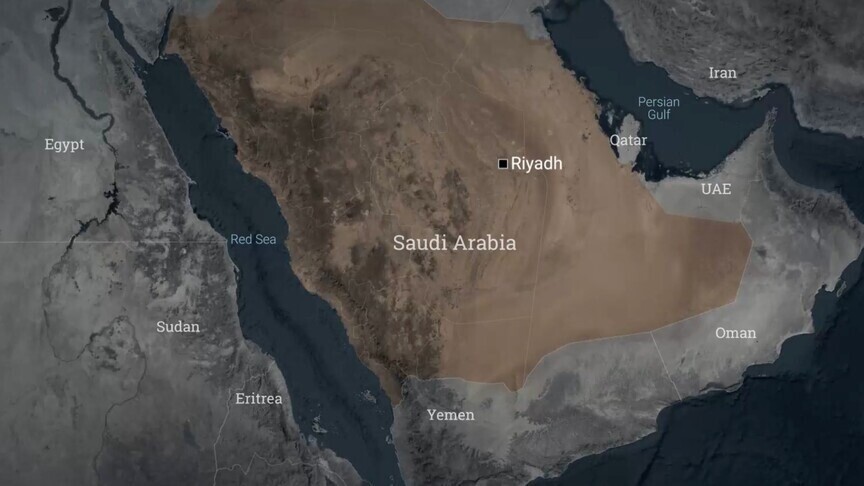

1 / 2
The story, neutrally told
Mixed · 2The International Committee of the Red Cross (ICRC) warned on Tuesday 13 October 2026 that a further intensification of hostilities in the Middle East would be "disastrous for tens of millions of people". Anadolu AgencyN “"A further intensification of hostilities would be disastrous for tens of millions of people," she said” Read at Anadolu Agency ↗ The HinduLC “warning that further fighting would be disastrous for tens of millions of civilians” Read at The Hindu ↗ Mixed · 2ICRC President Mirjana Spoljaric said in a statement that "civilians are paying an unacceptable price as a result of military operations in the Middle East". Anadolu AgencyN “"Civilians are paying an unacceptable price as a result of military operations in the Middle East," ICRC President Mirjana Spoljaric said in a statement.” Read at Anadolu Agency ↗ The HinduLC ““Civilians are paying an unacceptable price as a result of military operations in the Middle East,” said Mirjana Spoljaric” Read at The Hindu ↗ Mixed · 2She pointed to deaths, injuries and destruction in Saudi Arabia in recent days, and said death, displacement and damage to civilian infrastructure in Yemen, including in Aden and Sanaa, were mounting at an "alarming rate". Anadolu AgencyN “Deaths, displacement, and damage to civilian infrastructure in Yemen, including in Aden and Sanaa, have been mounting at an "alarming rate,"” Read at Anadolu Agency ↗ The HinduLC ““The deaths, injuries and destruction in Saudi Arabia in recent days are yet another example of the devastating toll that hostilities are taking on civilians,”” Read at The Hindu ↗
Mixed · 2Spoljaric said civilians and civilian objects must be spared from attack and that parties to conflict must at all times distinguish between civilians, civilian objects and military targets, warning that strikes on ports, airports and essential infrastructure risk severe consequences for communities that rely on them. The HinduLC “Ms. Spoljaric said civilians and civilian objects had to be spared from attack, while parties to conflict must, at all times, distinguish between civilians, civilian objects and military targets.” Read at The Hindu ↗ Anadolu AgencyN “Spoljaric warned that strikes on ports, airports, and essential infrastructure could have severe consequences for communities dependent on them.” Read at Anadolu Agency ↗ Mixed · 2She called for urgent efforts to de-escalate and protect civilians from further harm. The HinduLC “Urgent efforts must be made to de-escalate and protect civilians from further harm,”” Read at The Hindu ↗ Anadolu AgencyN “calling for urgent de-escalation to prevent further civilian suffering” Read at Anadolu Agency ↗ Centre · 1Anadolu Agency reported that Saudi Arabia has faced a series of attacks in recent days on airports and civilian facilities amid an escalating military confrontation with the Yemeni Houthi group. Anadolu AgencyN “Saudi Arabia has faced a series of attacks in recent days on airports and civilian facilities amid an escalating military confrontation with the Yemeni Houthi group.” Read at Anadolu Agency ↗
Left · 1The Hindu said the Houthis targeted Saudi oil facilities, tankers and transport hubs, including a string of lethal strikes on Riyadh's airport. The HinduLC “The Houthis quickly began targeting Saudi oil facilities, tankers and transport hubs, including a string of lethal strikes on Riyadh’s airport, rocking the world’s top oil exporter.” Read at The Hindu ↗ Mixed · 2Both outlets say the escalation in Yemen began in July this year; Anadolu notes it followed relative calm after a UN-brokered truce took effect in April 2022, while The Hindu places it months into a wider regional conflict that has roiled energy markets. Anadolu AgencyN “The escalation began in July this year following a period of relative calm after a UN-brokered truce took effect in April 2022.” Read at Anadolu Agency ↗ The HinduLC “reignited in July, months into the wider regional conflict that has roiled energy markets and plunged the Middle East into crisis.” Read at The Hindu ↗ Centre · 1Yemen has been at war since the Houthis seized the capital Sanaa and several provinces in September 2014, before a Saudi-led coalition intervened in March 2015 in support of the internationally recognised government. Anadolu AgencyN “Yemen has been at war since the Houthis seized the capital Sanaa and several provinces in September 2014, before a Saudi-led coalition intervened in March 2015” Read at Anadolu Agency ↗
Every sentence links to the reporting it rests on. The pill in front of each says where its sources sit: Left, Centre or Right when one side supplies at least half of them, Mixed when they are evenly split. The number is how many outlets it cites.
Left1 outlet
- Framing
- The Hindu presents the warning as part of a wider regional crisis, with a call for de-escalation in 'West Asia'.
- Emphasis
- The wider regional conflict, energy markets, Houthi strikes on Saudi oil and transport targets, and the ICRC's role in international humanitarian law.
- Leaves out or plays down
- Does not give the 2014-15 background of the Yemen war or the 2022 truce.
- Charged language
- “Iran-backed Houthis”“rocking the world’s top oil exporter”
Centre1 outlet
- Framing
- Anadolu leads with the ICRC warning and gives Saudi-Yemen background, describing the Houthi attacks on Saudi Arabia and the history of the Yemen war.
- Emphasis
- Spoljaric's statement, the Saudi attacks, and the timeline of the Yemen conflict since 2014.
- Leaves out or plays down
- Does not mention the wider regional conflict or energy-market effects, or the ICRC's role as guardian of humanitarian law.
- Charged language
- “disastrous”
- For example
-
“Saudi Arabia has faced a series of attacks in recent days on airports and civilian facilities amid an escalating military confrontation with the Yemeni Houthi group.” — Anadolu Agency
Right0 outlets
No right outlet in our sources has covered this story yet.
What every side reports
- The ICRC president, Mirjana Spoljaric, issued a statement on 13 October 2026 urging de-escalation.
- She warned that further intensification would be disastrous for tens of millions of people.
- She cited civilian harm in Saudi Arabia and in Yemen, including Aden and Sanaa.
- Yemen's fighting reignited in July.
International Committee of the Red Cross organisation
The ICRC says civilians are paying an unacceptable price and calls on parties to distinguish civilians from military targets and to de-escalate.
“Urgent efforts must be made to de-escalate and protect civilians from further harm,”” — The Hindu
Left1 article
-
Red Cross calls for urgent de-escalation in West Asia
Neutral Reports the statement within the wider regional conflict and its energy-market effects, and explains the ICRC's role.
Centre1 article
-
Red Cross warns escalating Mideast hostilities could have 'disastrous' consequences for millions
Neutral Straight report of the ICRC statement with Yemen war background.
Right0 articles
No coverage yet.
- 13 Oct 09:45 First Anadolu AgencyN Red Cross warns escalating Mideast hostilities could have 'disastrous' consequences for millions
- 13 Oct 17:15 +7h 30m The HinduLC Red Cross calls for urgent de-escalation in West Asia
Times are when each article was published, or when we first saw it if the outlet gave no time.
Ask about this story
Loading…