IMF tells Chancellor Healey to stress pensions and welfare savings over bank taxes
An IMF deputy director said Britain should put the emphasis on spending restraint, such as the pensions triple lock and benefit targeting, rather than raising bank taxes, as Chancellor John Healey is reported to be weighing a higher bank surcharge for the 28 October Budget.
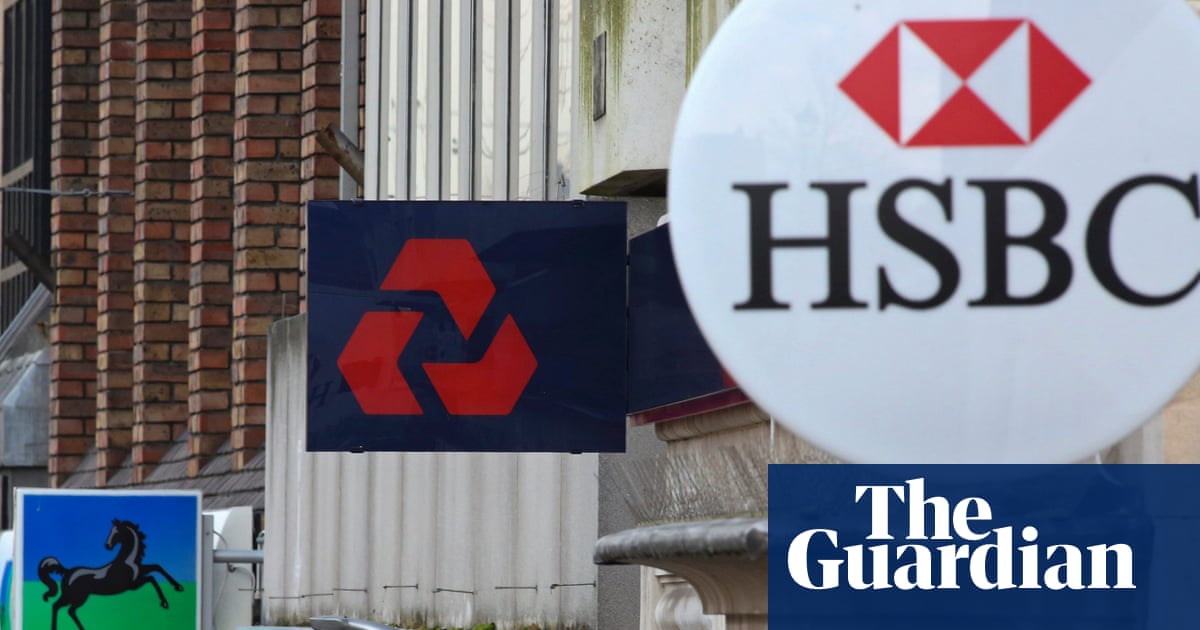

1 / 2
The story, neutrally told
Mixed · 2The International Monetary Fund has urged Chancellor John Healey to look for savings on pensions and welfare rather than raise taxes on banks in the Budget. The GuardianLC “The International Monetary Fund has urged John Healey to target savings on pensions and welfare, instead of taxing Britain’s banks at the budget later this month.” Read at The Guardian ↗ Evening StandardN “Britain should cut public spending rather than raise taxes on banks, the International Monetary Fund (IMF) has warned.” Read at Evening Standard ↗ Mixed · 2Helge Berger, deputy director of the IMF's European department, made the comments in Bangkok, where the IMF is holding its annual meetings, when asked about bank taxes at a press conference. The GuardianLC “Berger was speaking in Bangkok, where the IMF has held its annual meetings this week.” Read at The Guardian ↗ Evening StandardN “was asked about the prospect of a hike in bank taxes at a press conference in Bangkok, Thailand” Read at Evening Standard ↗ Mixed · 2Berger said that with taxes at roughly 40% of GDP, historically high for Britain, balancing revenue measures with action on spending "makes good sense", pointing to the pensions triple lock and better targeting of social benefits as where the emphasis should go. The GuardianLC “with taxes roughly at 40% of GDP – historically, for Britain, a high number – then of course balancing these measures on the fiscal [spending] side, doing a bit more there, makes good sense.” Read at The Guardian ↗ Evening StandardN “There are various things we have talked about there in the past: removing the triple lock, better targeting social benefits.” Read at Evening Standard ↗
Centre · 1Berger added that if more revenue were needed, modernising property tax or broadening the VAT base would be good places to start, and that the IMF would not recommend raising the labour tax. Evening StandardN “modernising the property tax, broadening the tax bases of sales-oriented taxes like the VAT. These are good examples.”“We wouldn’t recommend increasing the labour tax. That’s not a good thing for labour supply.” Read at Evening Standard ↗ Mixed · 2The Guardian reported that Healey plans to raise money from the banking sector, and the Evening Standard, citing that report, said the Chancellor is reportedly considering reversing the Conservative-era cut in the bank profits surcharge from 8% to 3%; the Guardian notes the Labour government has already said it will reform the triple lock. Evening StandardN “The Chancellor is reportedly considering reversing a reduction in the surcharge banks pay on their profits from 8% to 3%, which was introduced by his Tory predecessor Jeremy Hunt, according to a report in the Guardian.” Read at Evening Standard ↗ The GuardianLC “the pensions triple lock – which Labour has already said it will reform” Read at The Guardian ↗ Left · 1UK Finance, the City lobby group, opposes an increase. Its chief executive, David Postings, wrote to Healey on 12 October, copying in Prime Minister Andy Burnham, citing commissioned research that a return to an 8% surcharge would leave annual GDP £1.2bn lower in real terms by 2029-30 and bank lending £10.4bn lower. The GuardianLC “It suggested that reversing Tory cuts to the bank surcharge – taking it back to 8% from 3% – would leave annual UK GDP £1.2bn lower in real terms by 2029-30”“lending likely to be £10.4bn lower in 2029-2030 than if the surcharge was held at 3%.” Read at The Guardian ↗
Centre · 1The CBI's chief economist, Louise Hellem, also urged the Budget to avoid further sector-specific taxation, saying banks already face a higher tax rate than competing international financial centres. Evening StandardN “including on a banking sector already facing a higher tax rate than competing international financial centres.” Read at Evening Standard ↗ Mixed · 2Supporters of a higher bank tax say the sector can afford it. The TUC says the Treasury has lost £6bn over three years since the surcharge cut took effect and has called for a 16% surcharge it says would raise £24bn over four years, while the IPPR proposed £1bn from a temporary windfall surcharge on banks. The GuardianLC “TUC analysis of HMRC corporate tax receipts shows the Treasury has already lost out on £6bn over the three years since the surcharge cut came into force in 2023.” Read at The Guardian ↗ Evening StandardN “The TUC called for an increase in the surcharge to 16%, saying that could raise £24 billion in tax revenues over four years.”“recommended generating £1 billion from a temporary surcharge on commercial banks’ windfall profits” Read at Evening Standard ↗ Left · 1The Guardian cites figures showing HSBC, NatWest, Barclays and Lloyds reported £29.2bn in profits in the first half of the year, with £13.7bn pledged to investors, and quotes author and former banker Philip Augur saying a moderate increase raising £2bn to £3bn a year is feasible and that banks "rarely move" despite threats. The GuardianLC “reported £29.2bn in profits over the first six months of the year, with almost half, £13.7bn, pledged to investors through dividends and share buybacks.”““But they always say this, [and] they rarely move,” he added.” Read at The Guardian ↗
Centre · 1Context: Healey has warned of a tough Budget on 28 October, with government borrowing costs having risen on inflation fears linked to the US war with Iran, and the Evening Standard says Healey's predecessor Rachel Reeves rejected a bank tax rise for fear of driving away investment. Evening StandardN “Mr Healey has warned the public to be prepared for a tough Budget on October 28.”“Rachel Reeves rejected the idea of the tax rise when she was chancellor for fear it would drive away investment from Britain” Read at Evening Standard ↗
Every sentence links to the reporting it rests on. The pill in front of each says where its sources sit: Left, Centre or Right when one side supplies at least half of them, Mixed when they are evenly split. The number is how many outlets it cites.
Left1 outlet
- Framing
- Leads on the IMF advice but quickly sets it against the case for taxing banks, with a standfirst noting supporters say banks were bailed out and can afford more.
- Emphasis
- Bank profits, dividends, the TUC's £6bn loss figure, and a former banker arguing for a moderate tax rise; lobbying by City groups and banks.
- Leaves out or plays down
- Omits the IMF remark that it would not recommend raising the labour tax, and the CBI's warning.
- Charged language
- “boom conditions”“too big to tax”“coordinated campaign”
- For example
-
“Supporters of planned tax, however, say banks were bailed out by taxpayers during the financial crisis and can afford to pay more now” — The Guardian
“Banks can’t be too big to fail and too big to tax.” — The Guardian
Centre1 outlet
- Framing
- Leads on the IMF warning as advice to cut spending rather than tax banks, then surveys the TUC, IPPR, UK Finance and CBI positions.
- Emphasis
- The IMF's fuller menu of options (property tax, VAT, no labour tax rise), plus business-group warnings and the Budget's political backdrop.
- Leaves out or plays down
- Does not give UK Finance's lending and GDP estimates or bank profit figures.
- Charged language
- “senseless bank tax cut”
- For example
-
“Britain should cut public spending rather than raise taxes on banks, the International Monetary Fund (IMF) has warned.” — Evening Standard
“Meanwhile, Mr Healey was criticised for an upbeat online video showing him and Foreign Secretary Ed Miliband tasting snacks in a tuk tuk in Bangkok” — Evening Standard
Right0 outlets
No right outlet in our sources has covered this story yet.
What every side reports
- Helge Berger of the IMF said in Bangkok that the emphasis should be on spending restraint, including the triple lock and benefit targeting, rather than bank taxes.
- Healey is reportedly considering raising the bank surcharge from 3% back to 8% at the 28 October Budget.
- UK Finance and the TUC take opposing positions; the TUC cites £6bn lost since the 2023 surcharge cut.
Where accounts differ
-
Whether higher bank taxes are affordable and wise
- Left
- Stresses that banks were bailed out, are posting strong profits and can pay more; an ex-banker says threats to leave are bluster.
- Centre
- Reports both the TUC and IPPR case for the tax and the UK Finance and CBI warnings on competitiveness and investment.
International Monetary Fund organisation
Through deputy director Helge Berger, says the emphasis should be on spending restraint given taxes near 40% of GDP, with property tax or VAT reform as revenue options.
“So I think that’s where we would put the emphasis rather than on the tax that you mentioned.” — Evening Standard
John Healey person
Reportedly weighing a higher bank surcharge; has warned the public to expect a tough Budget on 28 October.
“Mr Healey has warned the public to be prepared for a tough Budget on October 28.” — Evening Standard
Left1 article
-
Target pensions or welfare, not banks, IMF tells John Healey
Mixed Reports the IMF advice but balances it with the case that banks can afford to pay more, giving space to a supportive commentator.
Centre1 article
-
IMF warns John Healey to consider spending cuts rather than raising bank taxes
Neutral Frames the IMF as warning against bank taxes, with a wide range of voices from unions, think tanks and business groups.
Right0 articles
No coverage yet.
- 16 Oct 16:33 First The GuardianLC Target pensions or welfare, not banks, IMF tells John Healey
- 16 Oct 16:39 +6m Evening StandardN IMF warns John Healey to consider spending cuts rather than raising bank taxes
Times are when each article was published, or when we first saw it if the outlet gave no time.
Ask about this story
Loading…