World · Iran-US conflict and ceasefire negotiations
Iran says it has received US reply to its seven-point proposal; contents undisclosed
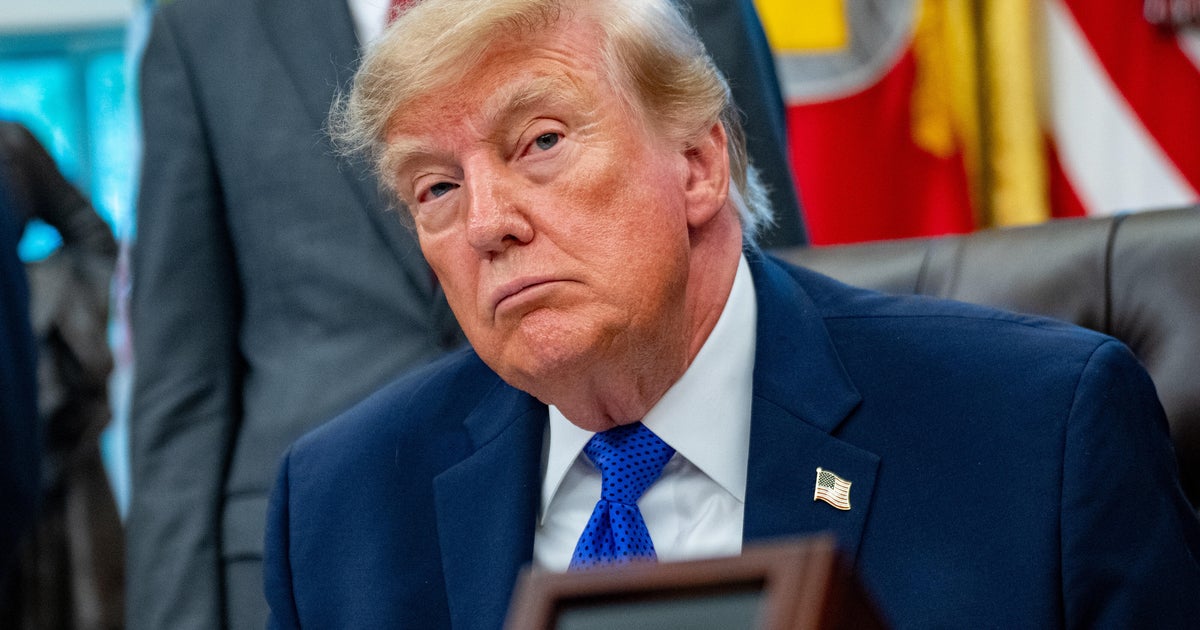
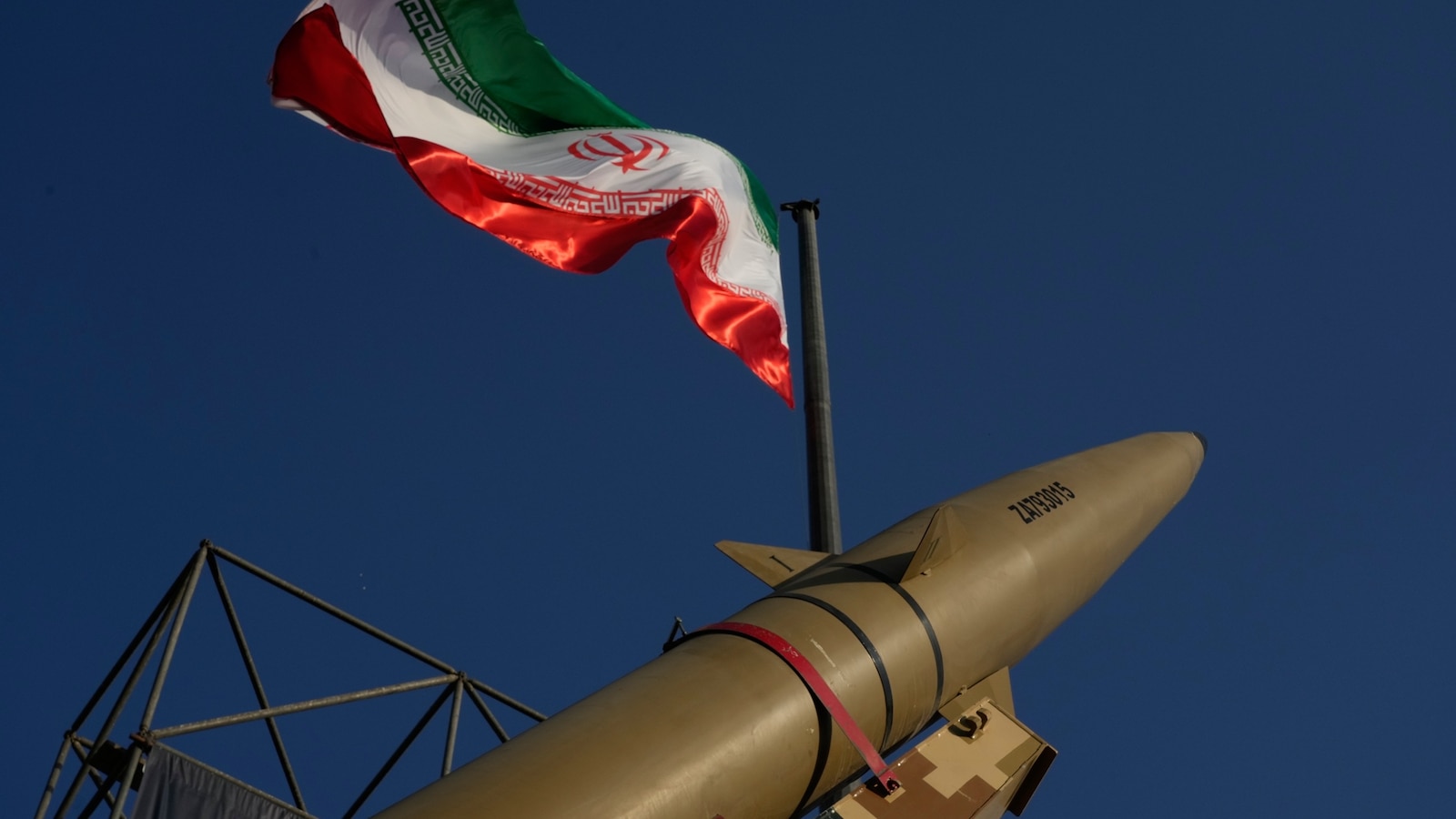
After Foreign Minister Abbas Araghchi said Iran was awaiting a US answer, Iranian officials said on 30 September a reply had arrived via Qatar. Its contents are undisclosed; Trump had publicly rejected the plan.
Updated (version 5). New coverage since the last version from The Independent, Washington Examiner. Previously: “Iran says it has received US reply to its seven-point Hormuz proposal; contents undisclosed”.




1 / 7
The story, neutrally told
Left · 1On Tuesday 29 September, Iran's foreign minister Abbas Araghchi said Tehran was waiting for a US response to its seven-point proposal. ABC NewsLC “Iran live updates: Tehran waiting for US response to 7-point proposal, Araghchi says” Read at ABC News ↗ Centre · 1Trump had already rejected the proposal when speaking to the press, while Iran was still awaiting an official reply through Qatari mediators. CNAN “Trump earlier rejected the proposal when speaking to the press, but Iran had been awaiting an official response via Qatari mediators.” Read at CNA ↗ Centre · 2On Wednesday 30 September Iranian officials indicated that an official US response had been received, but did not say what it contained or whether it was a rejection. Hindustan TimesN “The officials did not say what the response contained, and whether it was a rejection or not.” Read at Hindustan Times ↗ Anadolu AgencyN “Iran receives US response to Qatari-mediated proposal: Spokesperson” Read at Anadolu Agency ↗
Centre · 1President Masoud Pezeshkian said Tehran was making every possible effort to ensure the success of the Islamabad agreement. Anadolu AgencyN “President Pezeshkian says Tehran making every possible effort to ensure success of Islamabad agreement” Read at Anadolu Agency ↗ Left · 1CBS News on Thursday described the reply as a US counterproposal to the seven-day ceasefire plan the White House had rejected. CBS NewsLC “Iran says it has received a U.S. counterproposal to the seven-day ceasefire plan that was rejected by the White House.” Read at CBS News ↗ Centre · 1Gulf News described the conflict as in its 215th day, with continued disruption to aviation, rising fuel costs and regional security risks. Gulf NewsN “As the US-Iran conflict enters its 215th day, UAE residents face continued disruption to aviation, rising fuel costs and heightened regional security risks.” Read at Gulf News ↗
Right · 1A Washington Examiner opinion piece says the proposal seeks release of frozen funds, oil sanctions relief and an end to the US naval blockade within four to five days, with nuclear talks within a week. Washington ExaminerR “asks Washington to release frozen Iranian funds, lift sanctions on Iranian oil, and end the U.S. naval blockade of Iranian ports, all within four to five days” Read at Washington Examiner ↗ Right · 1The same piece argues that any deal must go to Congress under the Iran Nuclear Agreement Review Act, which bars statutory sanctions relief for 30 days of review. Washington ExaminerR “it bars statutory sanctions relief for 30 days while lawmakers review it” Read at Washington Examiner ↗
Every sentence links to the reporting it rests on. The pill in front of each says where its sources sit: Left, Centre or Right when one side supplies at least half of them, Mixed when they are evenly split. The number is how many outlets it cites.
Left3 outlets
- Framing
- ABC's live blog and CBS reports centre on the gap between Iran's expectation of a reply and Trump's rejection; CBS later calls the reply a counterproposal.
- Emphasis
- Waiting for an official answer, and the rejected ceasefire plan.
- Leaves out or plays down
- Little on the plan's substance or on domestic US legal questions.
- For example
-
“Iran says it has received a U.S. counterproposal to the seven-day ceasefire plan that was rejected by the White House.” — CBS News
Centre4 outlets
- Framing
- Wire-style reporting that the reply arrived via Qatar with contents unknown, set against Hormuz shipping and the economy; Gulf News adds UAE practical effects.
- Emphasis
- Official Iranian statements, Qatari mediation, regional disruption.
- Leaves out or plays down
- Little on the US congressional angle.
- For example
-
“The officials did not say what the response contained, and whether it was a rejection or not.” — Hindustan Times
“UAE residents face continued disruption to aviation, rising fuel costs and heightened regional security risks.” — Gulf News
Right1 outlet
- Framing
- A Washington Examiner opinion piece treats the proposal as a deal Trump is right to bargain hard over, and focuses on Congress's review role.
- Emphasis
- Congressional review law, the failed June memorandum, and the 5-day versus 30-day timelines.
- Leaves out or plays down
- Does not mention Iran's receipt of a US reply.
- Charged language
- “windfall”
- For example
-
“Tehran wants its money in five days. Congress should take the 30 days that the law gives it.” — Washington Examiner
What every side reports
- Trump publicly rejected Iran's proposal.
- Iran said it received an official US response via Qatari mediators.
- The contents of the response have not been disclosed.
Where accounts differ
-
Nature of the US reply
- Left
- CBS calls it a counterproposal.
- Centre
- Officials did not say whether it was a rejection.
- Right
- Not addressed; says Trump called the offer unacceptable.
-
Iran has received the official US response to its proposal, relayed via Qatari mediators
Supported- Supports 4
- CBS News, Anadolu Agency, CNA, Gulf News
- Reports 1
- Hindustan Times
-
Trump rejected Iran's proposal before any official US reply was delivered
Supported- Supports 3
- CNA, Gulf News, Hindustan Times
- Reports 2
- CBS News, Washington Examiner
-
Iran made no changes to its seven-point plan and was still awaiting an official US answer via Qatar
Reported- Supports 1
- CBS News
- Reports 2
- ABC News, Anadolu Agency
-
Revolutionary Guards are striking small vessels attempting to pass through the Strait of Hormuz
Reported- Reports 3
- CBS News, CNA, Gulf News
Abbas Araghchi person
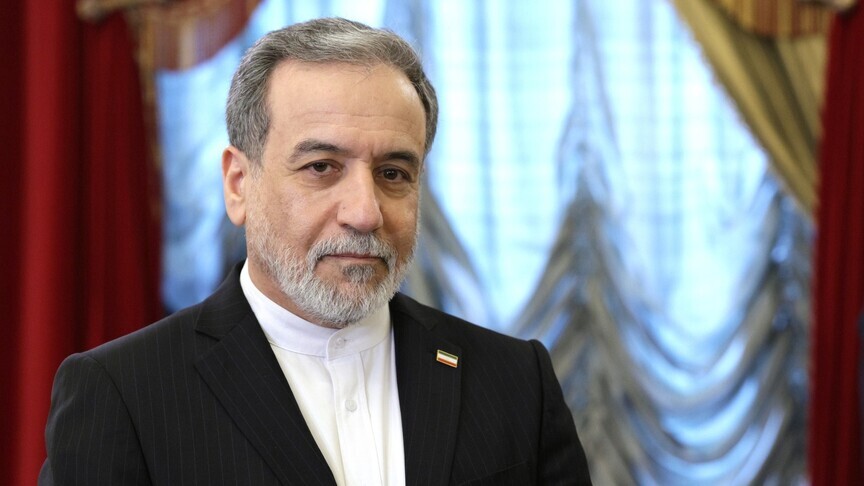
Said Iran was waiting for the US answer to its seven-point proposal.
“Iran live updates: Tehran waiting for US response to 7-point proposal, Araghchi says” — ABC News
Masoud Pezeshkian person
Says Tehran is making every effort to make the Islamabad agreement succeed.
“President Pezeshkian says Tehran making every possible effort to ensure success of Islamabad agreement” — Anadolu Agency
Donald Trump person
Rejected the proposal publicly as unacceptable.
“Trump called the offer unacceptable, and he’s right to drive a harder bargain.” — Washington Examiner
North America3 outlets
US outlets focus on Trump's rejection, the counterproposal, and Congress's role.
“Will Congress see it before Iran gets paid?” — Washington Examiner
ABC News, CBS News, Washington Examiner
Middle East2 outlets
Anadolu and Gulf News stress Qatari mediation, Pezeshkian's remarks and regional effects.
“UAE residents face continued disruption to aviation” — Gulf News
Anadolu Agency, Gulf News
Left4 articles
-
Iran live updates: Tehran waiting for US response to 7-point proposal, Araghchi says
Critical Live-blog item leading with Guard spokesman Mohebbi's claims that the US should leave, under a headline about Araghchi awaiting the reply.
-
Iran says it expects response to cease-fire plan already rejected by Trump
Mixed Long live blog whose headline says the plan was "already rejected by Trump", with text on Iranian statements, sanctions, and Hormuz incidents.
-
Iran says it received U.S. counterproposal to ceasefire plan
Neutral Short video item calling the reply a counterproposal.
-
Centre14 articles
-
CNAN ·
Iran says received US response to its proposal to end war
Neutral Reports receipt of the US reply, notes Trump's earlier rejection, and lists Iran's conditions and Guard strikes on ships.
-
Iran receives US response to Qatari-mediated proposal: Spokesperson
Neutral Reports receipt of the reply through Iranian state media and gives space to Pezeshkian's defence of the Islamabad memorandum.
-
Hindustan TimesN · · via AP
Iran indicates it's received an official US response to its latest offer on ending the war
Neutral AP copy: reply received but contents unknown, with sanctions, rial and executions context.
-
Neutral UAE-focused briefing: reply received, dispute narrowed to sequencing, plus oil and flights.
Show 10 moreShow fewer
-
US-Iran war: What UAE residents need to know today (Oct. 1, 2026)
Neutral Daily digest treating the proposal as rejected while talks continue.

-

-
-
-

-

-
-
-

-


Right2 articles
-
Washington ExaminerR · · Opinion
Iran demands billions in five days. The law demands 30. Trump can’t dodge both
Critical Opinion urging Congress to insist on its 30-day review before any sanctions relief for Iran.
-
- 29 Sep 14:52 First ABC NewsLC Iran live updates: Tehran waiting for US response to 7-point proposal, Araghchi says
- 29 Sep 15:42 +50m CBS NewsLC Iran says it expects response to cease-fire plan already rejected by Trump
- 30 Sep 10:29 +19h 36m CNAN Iran says received US response to its proposal to end war
- 30 Sep 10:54 +20h 2m Anadolu AgencyN Iran receives US response to Qatari-mediated proposal: Spokesperson
- 30 Sep 14:38 +23h 45m Hindustan TimesN Iran indicates it's received an official US response to its latest offer on ending the war via AP
- 30 Sep 15:45 +24h 52m Gulf NewsN US-Iran war: US responds to Tehran's Hormuz plan — what UAE residents need to know tonight, September 30, 2026
- 1 Oct 01:02 +34h 9m CBS NewsLC Iran says it received U.S. counterproposal to ceasefire plan
- 1 Oct 04:42 +37h 50m Gulf NewsN US-Iran war: What UAE residents need to know today (Oct. 1, 2026)
- 1 Oct 11:00 +44h 7m Washington ExaminerR Iran demands billions in five days. The law demands 30. Trump can’t dodge both Opinion
- 1 Oct 14:57 +48h 5m Gulf NewsN US-Iran war: Trump says 'make a deal' or face more attacks — what UAE residents need to know tonight, October 1, 2026
- 1 Oct 19:08 +52h 15m Anadolu AgencyN Iran says reopening Strait of Hormuz hinges on US guarantees to end war
- 2 Oct 06:50 +63h 58m Gulf NewsN US-Iran conflict: What UAE residents need to know today (Oct. 2, 2026)
- 2 Oct 16:48 +73h 55m Gulf NewsN What UAE residents need to know about the US-Iran standoff this evening
- 3 Oct 16:57 +98h 5m Gulf NewsN US-Iran war: What UAE residents need to know today (Oct 3, 2026)
- 4 Oct 05:50 +110h 58m Gulf NewsN UAE residents' update: Flight cancellations, Trump warning on Iran, Saudi Arabia-Houthi tensions
- 4 Oct 13:40 +118h 47m Anadolu AgencyN Iran says Strait of Hormuz main focus of talks to end war with US
- 4 Oct 16:54 +122h 1m Gulf NewsN US-Iran war: What UAE residents need to know today (October 4, 2026)
- 5 Oct 08:06 +137h 14m The IndependentLC Iran-US war latest: Trump’s forces have ‘fled’ 1,000km from Iran’s borders, commander claims
- 5 Oct 17:49 +146h 56m Gulf NewsN US-Iran war: What UAE residents need to know today (Oct 5, 2026)
- 6 Oct 11:00 +164h 7m Washington ExaminerR How the US can win Iran’s war of exhaustion Opinion
Times are when each article was published, or when we first saw it if the outlet gave no time.
Ask about this story
Loading…