Iran links reopening Strait of Hormuz to US demands as talks stall
Iran has tied reopening the Strait of Hormuz to US moves: an army spokesman said on 16 October it would reopen if the US left the region, and on 18 October the foreign minister said a seven-day reopening offer was still open if the US accepts Iran's conditions.
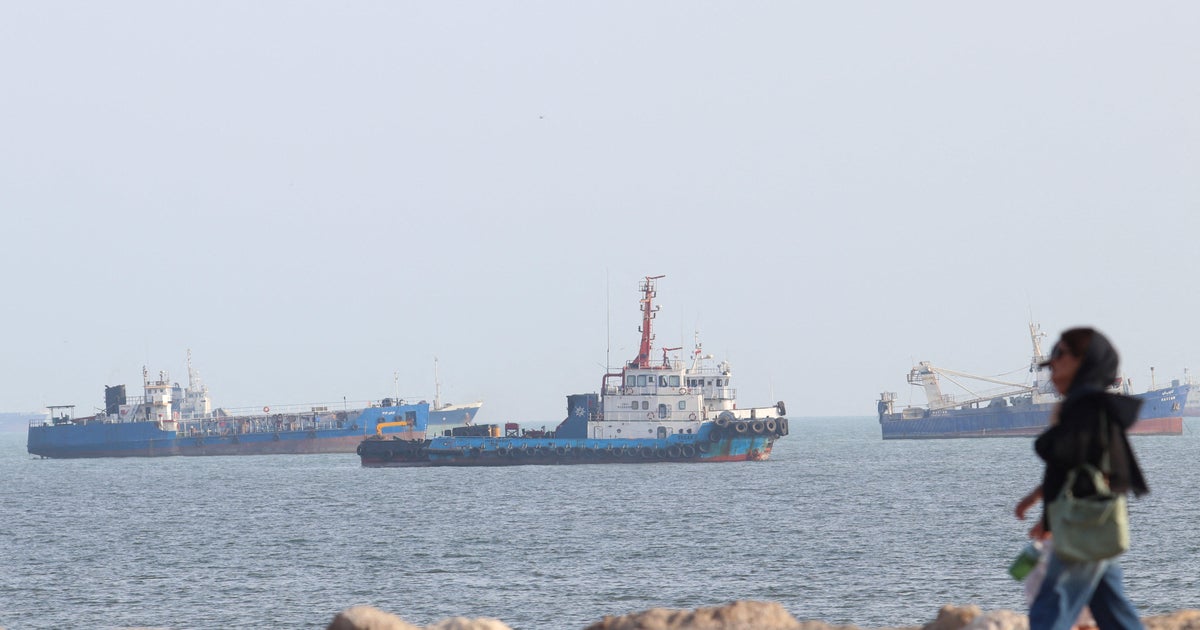
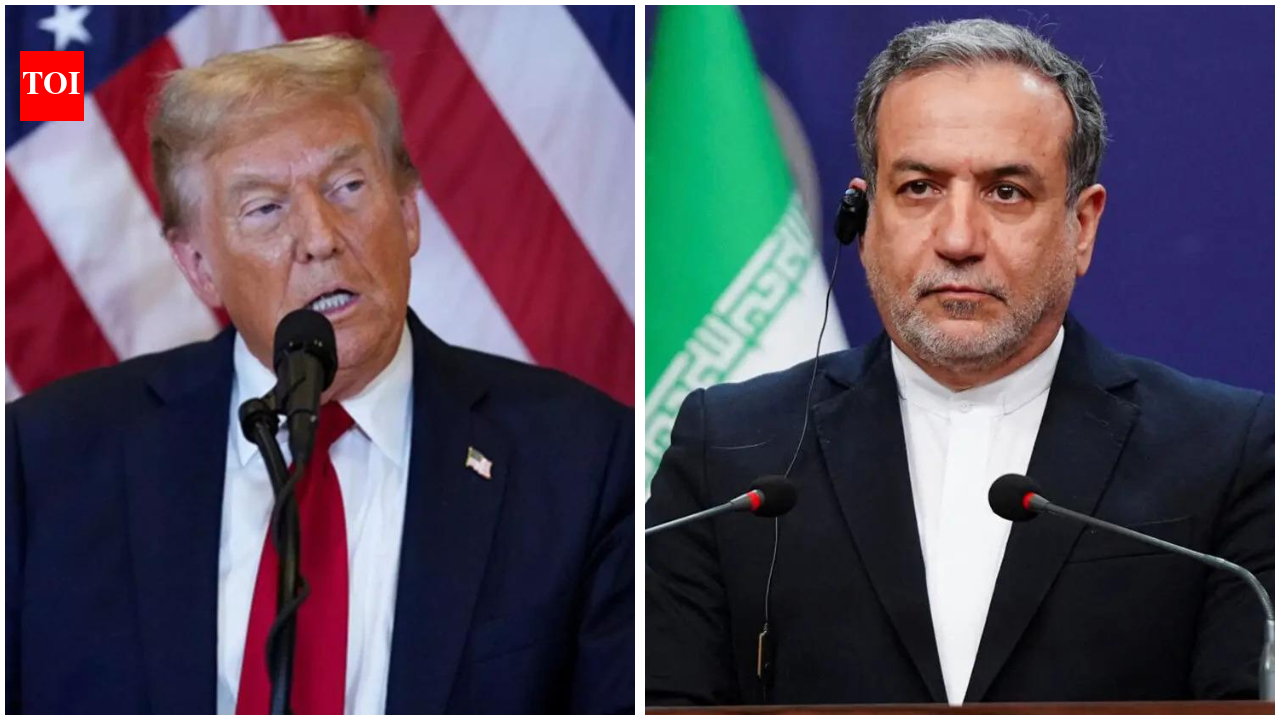

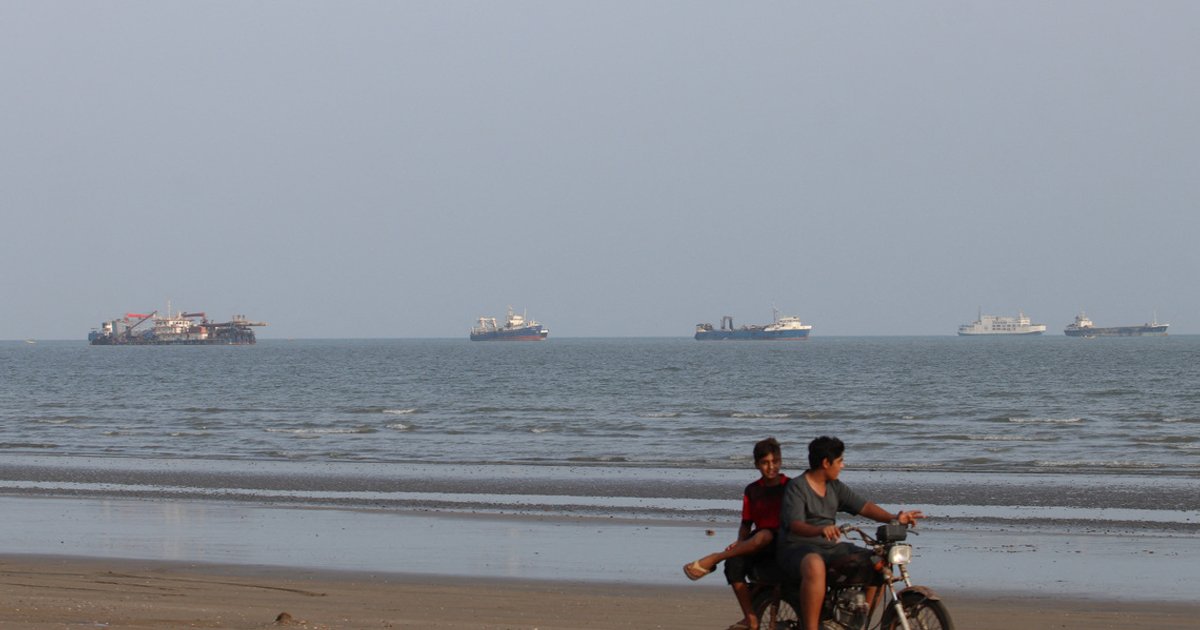
1 / 4
The story, neutrally told
Left · 1On 16 October, Iranian army spokesman Mohammad Akraminia wrote on X that the Strait of Hormuz would reopen if the US left the Middle East, adding: "If it does not leave, we will expel it." CBS NewsLC “If the United States leaves the region, the Strait of Hormuz will reopen and collective security will be established” Read at CBS News ↗ Left · 1He did not say whether he meant forces sent during the current war, all US military forces in the region, or also non-military personnel. CBS NewsLC “He did not elaborate on whether he was calling for a withdrawal of military forces sent during the current war” Read at CBS News ↗ Left · 1CBS News reported that the US and Iran gave conflicting accounts of the strait's status: the Trump administration said it was open, while Tehran said it was closed to all traffic unless Iranian authorities gave permission. CBS NewsLC “Trump administration insisting the Strait of Hormuz is open, but Tehran claiming it is closed to all traffic unless Iranian authorities grant permission.” Read at CBS News ↗
Left · 1The same day, Iran's navy said it had found a tanker on fire in what it called a prohibited area of the Gulf of Oman, saying the ship had switched off its tracking systems; it did not say how the fire started. CBS noted that at least three commercial vessels had been struck in the region that week in suspected Iranian attacks. CBS NewsLC “The Navy did not say how the tanker "caught fire"”“At least three commercial vessels have been struck in the region in suspected Iranian attacks this week.” Read at CBS News ↗ Mixed · 2On 18 October, Foreign Minister Abbas Araqchi told Iranian media in Baghdad, where he was attending an Organisation of Islamic Cooperation meeting, that Iran's offer to reopen the strait within seven days was still on the table. The Straits TimesRC “Iran's offer to the United States to reopen the Strait of Hormuz within seven days is still on the table” Read at The Straits Times ↗ The Times of IndiaN “Speaking to Iranian media outlets in Baghdad, where he was attending a meeting of the Organisation of Islamic Cooperation (OIC)” Read at The Times of India ↗ Right · 1He said Iran was reviewing comments from the US, but that if there were "any honesty on the US part, which there isn't, the way to reopening the Strait of Hormuz is obvious." The Straits TimesRC “They shared comments which we are reviewing, but our proposal is still on the table” Read at The Straits Times ↗
Right · 2If Washington accepts Tehran's conditions, the strait would reopen within six days and talks would resume the following day, Araqchi said. Arab NewsRC “US-Iran talks would resume on the seventh day” Read at Arab News ↗ The Straits TimesRC “the strait could reopen within six days, with talks resuming the following day, Araqchi said.” Read at The Straits Times ↗ Mixed · 2The conditions include lifting the US blockade on Iranian ports, lifting US sanctions on Iranian oil exports and ending hostilities on all regional fronts. The Straits TimesRC “the lifting of the US blockade on its ports, the lifting of US sanctions on its oil exports as well as ending hostilities on all regional fronts.” Read at The Straits Times ↗ The Times of IndiaN “lifting the US blockade on its ports, removing American sanctions on Iranian oil exports and ending hostilities across all regional fronts.” Read at The Times of India ↗ Mixed · 2Iran presented the proposal in mid-September after an interim ceasefire collapsed. Iran's security chief said the week before that talks had stalled because Washington had not addressed all seven conditions. The Straits TimesRC “Iran presented its proposal in mid-September after an interim ceasefire collapsed.” Read at The Straits Times ↗ The Times of IndiaN “negotiations had stalled because Washington had failed to address all seven conditions” Read at The Times of India ↗
Mixed · 2A central disagreement is sequencing: Washington wants Iran's nuclear programme addressed from the outset, with Vice President JD Vance saying Iran must make a "meaningful" reduction in uranium enrichment capacity, while Tehran wants talks to focus first on reopening the strait and restoring security there. The Straits TimesRC “A central point of disagreement has been Washington’s insistence on addressing Iran's nuclear programme from the outset.” Read at The Straits Times ↗ The Times of IndiaN “Tehran, however, wants discussions to initially focus on reopening the Strait of Hormuz and restoring security in the waterway.” Read at The Times of India ↗ Right · 1Before the war, which has lasted eight months, the strait carried about a fifth of global oil and LNG trade. The Straits TimesRC “carried about a fifth of the global trade in oil and liquefied natural gas (LNG)” Read at The Straits Times ↗ Centre · 1At the OIC meeting Araqchi accused the US of choosing "aggression, threats, assassination, and economic warfare", said Iran does not accept coercion, and said it remained ready for dialogue based on mutual respect and credible guarantees, according to Al Jazeera as cited by the Times of India. The Times of IndiaN “Iran does not accept coercion, threats, or intimidation, and will not relinquish its sovereign rights under pressure” Read at The Times of India ↗
Centre · 1On 17 October, President Trump told a Kentucky rally he expected the war to end "very quickly" and fuel prices to fall afterwards. The Times of IndiaN “It's going to end very quickly. When it ends, your gas prices are going to be lower than what they were before” Read at The Times of India ↗ Left · 1CBS also reported, citing sources, that the White House and Pentagon had prepared plans to use a Massive Ordnance Air Blast bomb on Iranian military sites if President Trump ordered it; the White House declined to comment on sensitive military plans. CBS NewsLC “The White House and Pentagon have prepared plans to use a Massive Ordnance Air Blast bomb to hit military sites in Iran” Read at CBS News ↗
Every sentence links to the reporting it rests on. The pill in front of each says where its sources sit: Left, Centre or Right when one side supplies at least half of them, Mixed when they are evenly split. The number is how many outlets it cites.
Left1 outlet
- Framing
- CBS News leads with the Iranian army spokesman's statement and places it among tanker attacks, conflicting US-Iran accounts and reported US military planning.
- Emphasis
- Security risks to shipping, the ambiguity of the demand for US withdrawal, and US contingency plans.
- Leaves out or plays down
- The seven-day proposal and its conditions, which later coverage reports.
- Charged language
- “we will expel it”“ecocide”
- For example
-
“If it does not leave, we will expel it.” — CBS News
Centre1 outlet
- Framing
- The Times of India reports Araqchi's offer in detail, with diplomatic back-and-forth and Trump's comments.
- Emphasis
- Iran's conditions, accusations against the US, and Trump's prediction of a quick end to the war.
- Leaves out or plays down
- Shipping attacks and the earlier army statement on US withdrawal.
- Charged language
- “aggression, threats, assassination, and economic warfare”
- For example
-
“Tehran accuses Washington of disrupting diplomacy” — The Times of India
Right2 outlets
- Framing
- Arab News and the Straits Times carry Reuters copy under the headline that Iran urges the US to accept its proposal, a straightforward diplomatic report.
- Emphasis
- The seven-day offer, the six-day timetable, the conditions and the nuclear sequencing dispute.
- Leaves out or plays down
- The army's demand for US withdrawal and shipping attacks; the Arab News version is very brief.
- For example
-
“Iran urges US to accept proposal to reopen Strait of Hormuz” — The Straits Times
What every side reports
- Iran says the Strait of Hormuz can reopen under conditions it sets, and ties this to US actions.
- The US and Iran remain at odds, with talks stalled, in a war described as eight months old.
- Iran's conditions include lifting the US blockade and oil sanctions and ending hostilities on all fronts.
Where accounts differ
-
Whether the Strait of Hormuz is currently open
- Left
- CBS says the Trump administration insists it is open while Tehran says it is closed unless Iran grants permission.
- Centre
- The Times of India says reopening remains a key unresolved issue, implying it is not normally open.
- Right
- Reuters copy says reopening is still the subject of Iran's offer, without addressing the US claim.
-
What Iran requires for reopening
- Left
- An army spokesman said the US must leave the region.
- Centre
- The foreign minister listed conditions: lifting the blockade and sanctions and ending hostilities on all fronts.
- Right
- Reuters copy gives the same conditions and the six-day timetable.
-
Iran's offer to reopen the Strait of Hormuz within seven days remains on the table.
Reported- Reports 3
- The Times of India, Arab News, The Straits Times
-
If the US accepts Iran's conditions, the strait would reopen within six days and talks would resume on the seventh day.
Reported- Reports 3
- The Times of India, Arab News, The Straits Times
Iran place
Iran says the strait will reopen if the US leaves the region (army), or within six days if the US accepts its conditions (foreign minister), and accuses Washington of dishonesty and aggression while saying it is open to dialogue.
“If the United States leaves the region, the Strait of Hormuz will reopen” — CBS News
“it remains ready for dialogue based on mutual respect and credible guarantees” — The Times of India
Strait of Hormuz place
The strait, which carried about a fifth of global oil and LNG trade before the war, is at the centre of the dispute, with the US saying it is open and Iran saying it is closed without its permission.
“Tehran claiming it is closed to all traffic unless Iranian authorities grant permission.” — CBS News
“carried about a fifth of the global trade in oil and liquefied natural gas (LNG)” — The Straits Times
Left1 article
-
Iran says Strait of Hormuz will reopen if U.S. leaves region
Neutral Live-update item combining Iran's withdrawal demand with shipping attacks and US military planning.
Centre1 article
-
Iran offers to reopen Strait of Hormuz in seven days if US accepts conditions
Neutral Detailed account of Araqchi's remarks, Iran's accusations against the US and Trump's comments.
Right2 articles
-
Arab NewsRC · · via Reuters
Iran urges US to accept proposal to reopen Strait of Hormuz
Neutral Short Reuters copy reporting the seven-day offer and six-day timetable.
-
The Straits TimesRC · · via Reuters
Iran urges US to accept proposal to reopen Strait of Hormuz
Neutral Reuters report setting out the offer, Iran's conditions and the nuclear sequencing dispute.
- 16 Oct 13:20 First CBS NewsLC Iran says Strait of Hormuz will reopen if U.S. leaves region
- 18 Oct 10:29 +45h 9m Arab NewsRC Iran urges US to accept proposal to reopen Strait of Hormuz via Reuters
- 18 Oct 11:30 +46h 11m The Straits TimesRC Iran urges US to accept proposal to reopen Strait of Hormuz via Reuters
- 18 Oct 12:20 +47h 1m The Times of IndiaN Iran offers to reopen Strait of Hormuz in seven days if US accepts conditions
Times are when each article was published, or when we first saw it if the outlet gave no time.
Ask about this story
Loading…