Iran war and prices put Republican foreign policy hawks under pressure before midterms
Ahead of the US midterms, coverage says the Iran war and its effect on fuel prices have become a liability for Republicans, including hawks on foreign affairs committees. An analyst argues voters blame Trump's foreign policy for the cost of living even though few name the war as their top issue.
1 / 2
The story, neutrally told
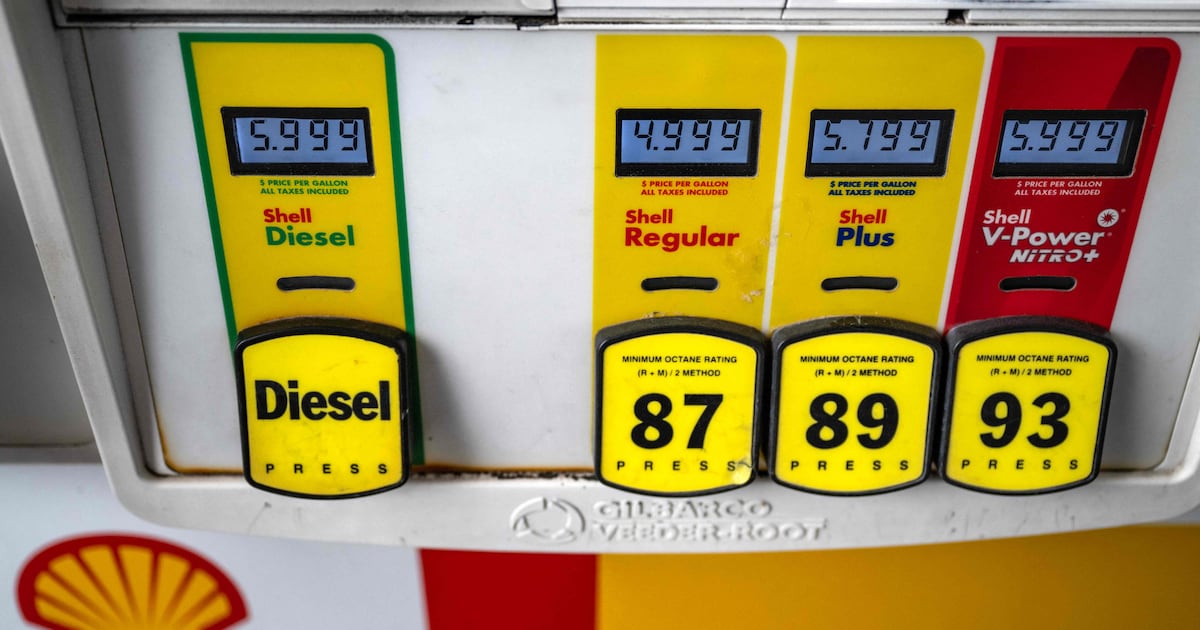
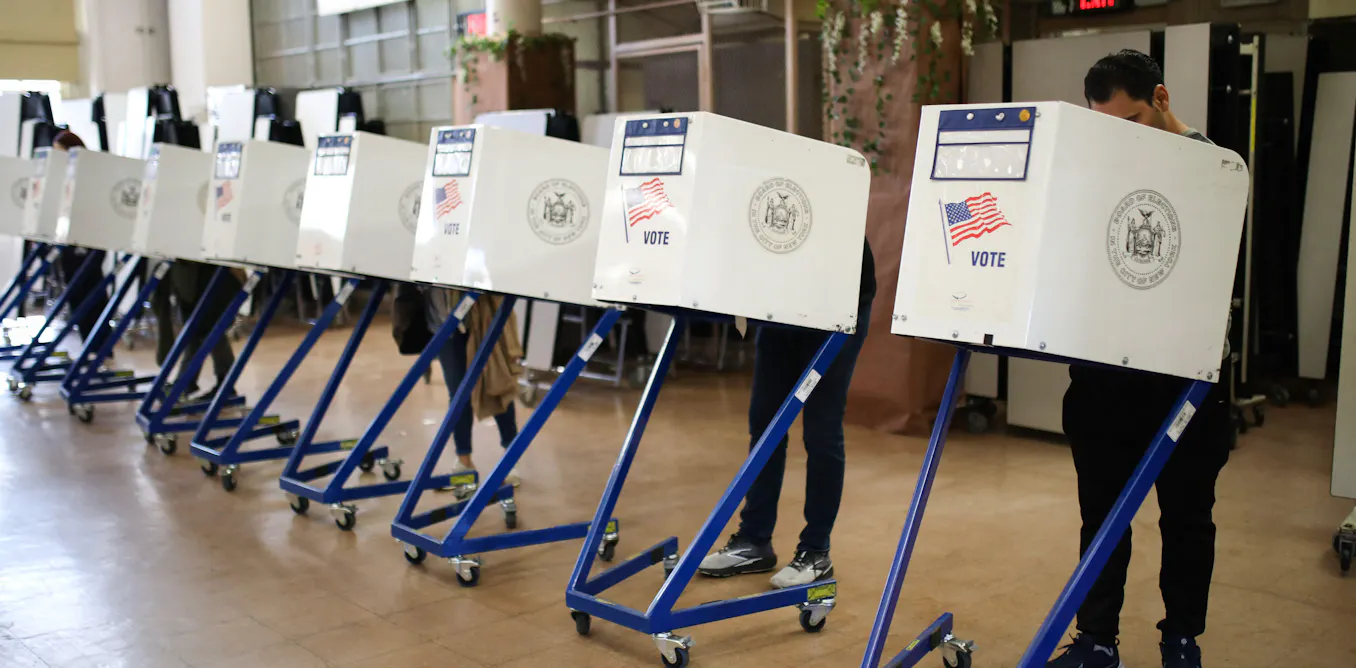
Centre · 1The war with Iran, which the US launched alongside Israel on 28 February, has become a liability for Republicans ahead of next week's midterm elections, according to The National, including for several prominent hawks on foreign affairs committees. The NationalN “US President Donald Trump’s war against Iran has emerged as a liability for Republicans before next week’s midterm elections”“The conflict, which the US launched alongside Israel on February 28” Read at The National ↗ Centre · 1The conflict disrupted the Strait of Hormuz for several weeks and helped push US petrol prices past about $1.13 a litre, more than 40 per cent above their level at the start of Trump's term, The National reports. The NationalN “disrupted the Strait of Hormuz for several weeks and helped push petrol prices past about $1.13 a litre in the US” Read at The National ↗ Centre · 1Democrats are linking Republican support for the war to higher fuel prices and to what they say is Trump's lack of a clear plan to end it. An AP-NORC poll found about eight in 10 registered voters want the next Congress to prioritise lowering the cost of living, and many also want it to end the war. The NationalN “Democrats are linking Republican support for the Iran war to higher fuel prices and what they say is Mr Trump's lack of a clear plan to end the conflict.”“about eight in 10 registered voters want the next Congress to make lowering the cost of living a top priority” Read at The National ↗
Centre · 1Senator Dan Sullivan of Alaska, a member of the Senate foreign relations committee, voted against a September resolution that would have required Trump to end the war or seek congressional authorisation. He now faces a competitive race against Democrat Mary Peltola, with recent polls showing her narrowly ahead. Veterans' group VoteVets launched a $225,000 ad campaign against him in August, and the Department of Justice sued Alaska election officials over certification if he loses, citing a similarly named candidate on the ballot. The NationalN “He voted against a September resolution that would have required Mr Trump to end the war or seek congressional authorisation.”“recent polls showing the challenger narrowly ahead”“The Department of Justice last week sued Alaska election officials” Read at The National ↗ Centre · 1Nebraska Senator Pete Ricketts, also on the Senate foreign relations committee, voted against the same September resolution and faces independent Dan Osborn in a race polls show as too close to call. Kansas Senator Roger Marshall, who voted in March against a resolution restricting Trump's military authority, faces a competitive race against Democrat Adam Hamilton in a state Trump won by about 16 points in 2024. The NationalN “Polls show a too-close-to-call race with Mr Osborn in Nebraska”“Mr Marshall is now facing a competitive race against Democrat Adam Hamilton in Kansas” Read at The National ↗ Centre · 1In New York, Republican Representative Mike Lawler of the House foreign affairs committee, who opposed a House resolution restricting Trump's war powers, is in a tight race with Democrat Cait Conley. A September Emerson College poll found 52 per cent of district voters opposed US military action in Iran and 37 per cent supported it, with Conley ahead 48 to 46, within the 4.9-point margin of error. The NationalN “52 per cent of district voters opposed US military action in Iran, against 37 per cent who supported it”“Ms Conley leading Mr Lawler 48 per cent to 46 per cent, within the survey’s 4.9-point margin of error” Read at The National ↗
Left · 1Writing in The Conversation, foreign policy lecturer Andrew Payne notes that few voters will think explicitly about foreign policy: a Chicago Council on Global Affairs survey found 37% named inflation and the cost of living as their top voting issue, while just 2% named the Iran war. The ConversationLC “many people across the political spectrum named inflation and the cost of living as the issue which would affect the way they planned to vote (37% overall)”“The war in Iran barely registered, with just 2% putting it top of their list.” Read at The Conversation ↗ Mixed · 2Payne argues, however, that voters increasingly blame the administration's foreign policy for the economy. He cites an Institute for Global Affairs survey in which 81% said the Iran war has raised the cost of living, a YouGov poll in which the Iran war was the most common explanation for local gas price rises (41%), and a Reuters/Ipsos-style concern echoed in The National's report that 78 per cent of Americans blame Trump's policies for prices outpacing earnings. The ConversationLC “an overwhelming majority of Americans (81%) say the war in Iran has increased the cost of living”“the war in Iran (41%), Trump (18%), and war in general (17%)” Read at The Conversation ↗ The NationalN “78 per cent of Americans blamed Mr Trump’s policies for price increases outpacing their earnings” Read at The National ↗ Left · 1Payne also points to tariffs: the effective rate is 11%, almost four times its January 2025 level, according to the Yale Budget Lab, and 81% in the Chicago Council survey say tariffs have hurt the cost of living. He says Trump's approval stands at a historic low of 36%. The ConversationLC “the current effective tariff rate is 11% – almost quadruple what it was when the president assumed office in January 2025”“the president’s approval ratings already at a historic low of 36%” Read at The Conversation ↗
Left · 1Payne says Democrats now lead Republicans by ten points in a New York Times/Siena survey on handling foreign wars, and by 24 points in an Economist/YouGov survey on keeping the US out of wars. He compares the situation with 2006, when backlash to George W. Bush's Middle East war gave Democrats control of Congress, and suggests Republicans may face a similar result. The ConversationLC “Democrats now enjoy a ten-point advantage over Republicans on the question of which party voters trust to do a better job handling foreign wars”“Republicans may be about to learn a similar lesson about the political perils of an unpopular foreign policy record.” Read at The Conversation ↗ Left · 1Payne adds that Trump's recent temporary lifting of sanctions on Russian diesel imports, seen as a response to gas prices, draws attention to his failure to end the war in Ukraine and could backfire. The ConversationLC “Trump’s recent decision to temporarily lift US sanctions on diesel imports from Russia indicates the White House knows how much gas prices could cost it at the polls.” Read at The Conversation ↗
Every sentence links to the reporting it rests on. The pill in front of each says where its sources sit: Left, Centre or Right when one side supplies at least half of them, Mixed when they are evenly split. The number is how many outlets it cites.
Left1 outlet
- Framing
- Opinion analysis arguing Trump's foreign policy, through its effect on living costs, could cost Republicans votes even if voters don't cite it directly.
- Emphasis
- National polling on blame for prices, tariffs, party trust on war, and historical comparisons with Afghanistan and 2006.
- Leaves out or plays down
- Does not discuss individual races or Republican candidates' defences of the war.
- Charged language
- “albatross”“reckless”“thumping”“bleak for Republicans”
- For example
-
“Trump’s record is an albatross around the necks of many of his Republican colleagues.” — The Conversation
“the picture looks bleak for Republicans” — The Conversation
Centre1 outlet
- Framing
- News report profiling specific vulnerable Republican hawks on foreign affairs committees and how the Iran war and fuel prices feed into their races.
- Emphasis
- Individual races (Alaska, Nebraska, New York, Kansas), their votes on war-powers resolutions, and local polling.
- Leaves out or plays down
- Gives little on polling showing the war is a low-priority issue for voters, or on Republican arguments beyond the candidates' own defences of the strikes.
- Charged language
- “liability”
- For example
-
“has emerged as a liability for Republicans before next week’s midterm elections, including for several prominent hawks on foreign affairs committees” — The National
Right0 outlets
No right outlet in our sources has covered this story yet.
What every side reports
- Both outlets report that the Iran war and higher fuel and living costs are hurting Republicans' standing before the midterms.
- Both cite polling showing voters blame Trump's policies for prices rising faster than incomes.
Where accounts differ
-
How much the Iran war itself drives voting
- Left
- Notes only 2% name the war as their top issue but argues voters blame foreign policy for the economy indirectly.
- Centre
- Presents the war as a direct liability for hawks, with Democrats tying it to fuel prices and constituents opposing it in places like New York's Lawler district.
Donald Trump person
Coverage describes Trump's war and tariff policies as a drag on his party, with approval at 36% per The Conversation; The National notes Democrats say he lacks a clear plan to end the conflict. The coverage quotes no direct statement from Trump.
“what they say is Mr Trump's lack of a clear plan to end the conflict” — The National
“the president’s approval ratings already at a historic low of 36%” — The Conversation
2026 US midterm elections event
Both pieces treat the midterms as a test of Republican exposure on the war and affordability, with Democrats trying to take control of Congress.
“as the Democrats try to take control of Congress” — The National
“With midterms traditionally understood as a referendum on the performance of an incumbent president” — The Conversation
Left1 article
-
The ConversationLC · · Opinion
Why Donald Trump’s foreign policy could cost Republicans in the midterm elections
Critical Academic opinion piece arguing Trump's wars and tariffs are damaging Republicans' midterm prospects through cost-of-living blame.
Centre1 article
-
Iran war puts Republican foreign policy hawks under pressure before midterms
Neutral Race-by-race news report presenting the Iran war as an electoral liability for hawkish Republicans, with Democratic attacks and polling.
Right0 articles
No coverage yet.
- 28 Oct 03:00 First The NationalN Iran war puts Republican foreign policy hawks under pressure before midterms
- 29 Oct 13:18 +34h 19m The ConversationLC Why Donald Trump’s foreign policy could cost Republicans in the midterm elections Opinion
Times are when each article was published, or when we first saw it if the outlet gave no time.
Ask about this story
Loading…