Iranian Guards adviser says "illegal" Strait of Hormuz routes will soon be closed
An adviser to the Revolutionary Guards' commander told Fars that a few transit routes in the Strait of Hormuz, which Iran deems illegal, will soon be shut. He said they are used to smuggle oil, and that the strait remains closed under Iranian control.
1 / 4
The story, neutrally told
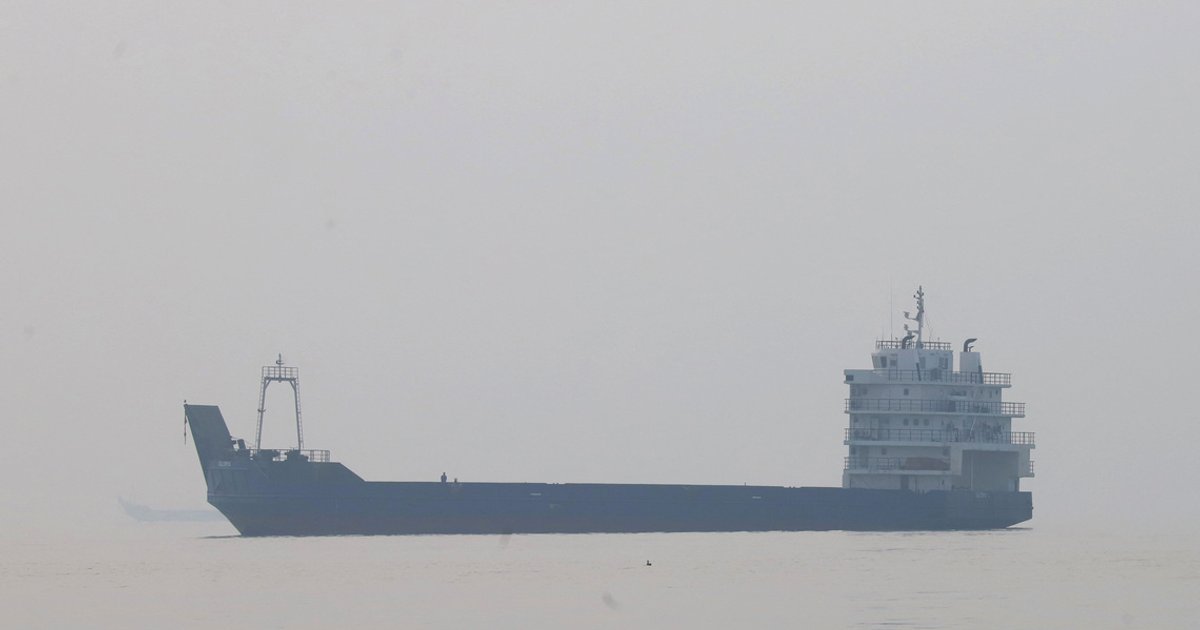
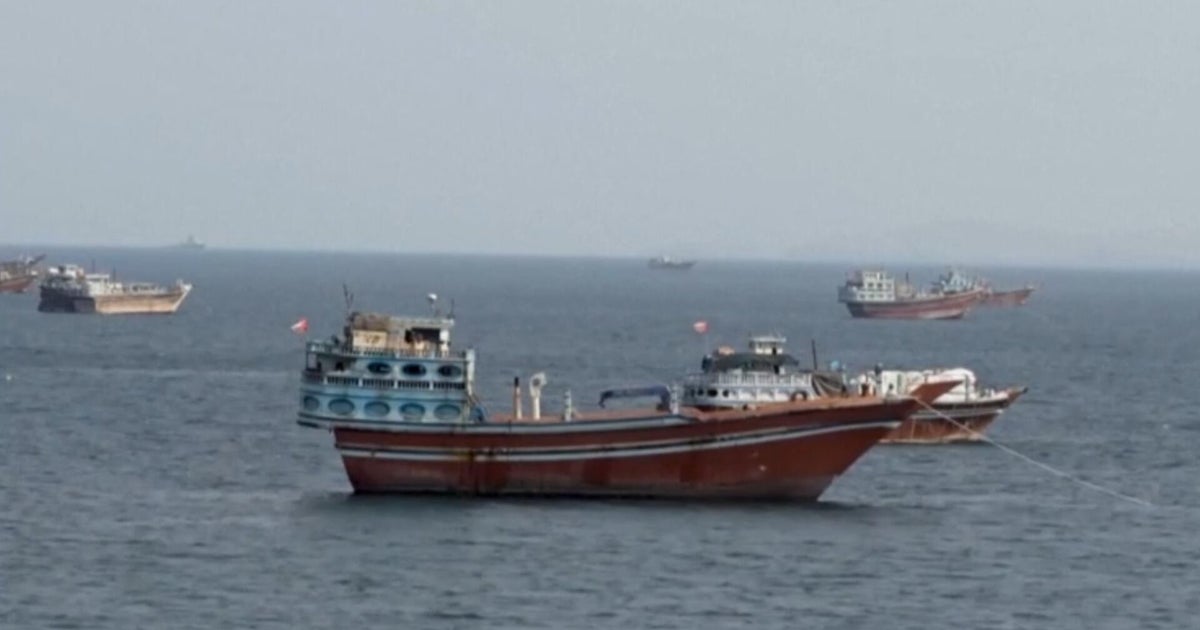
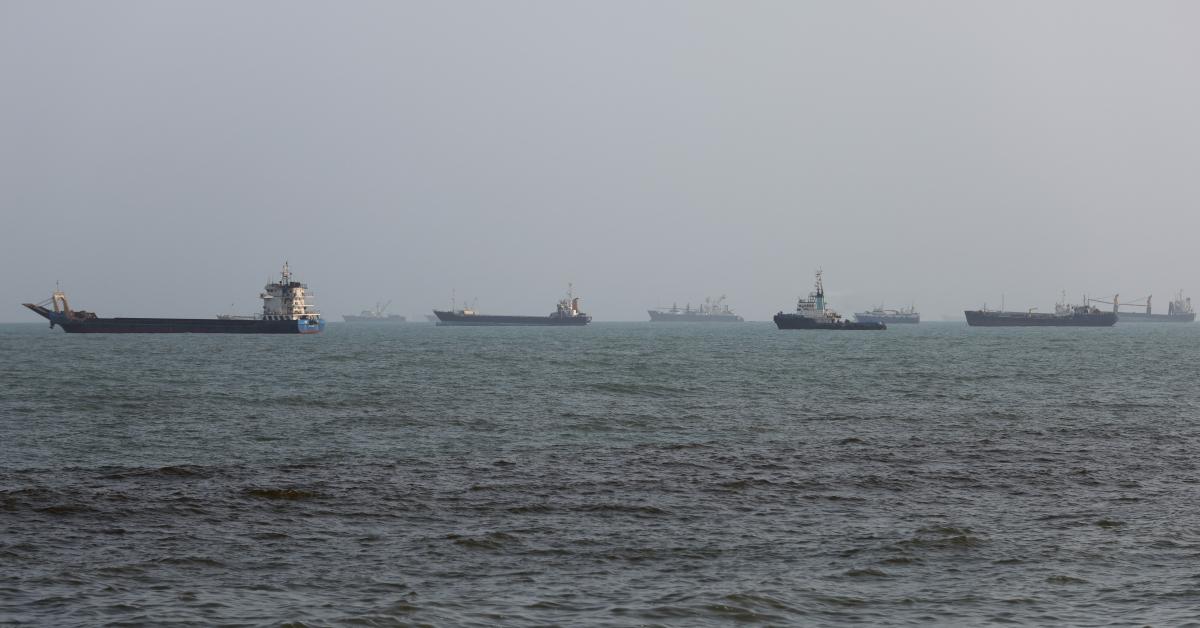
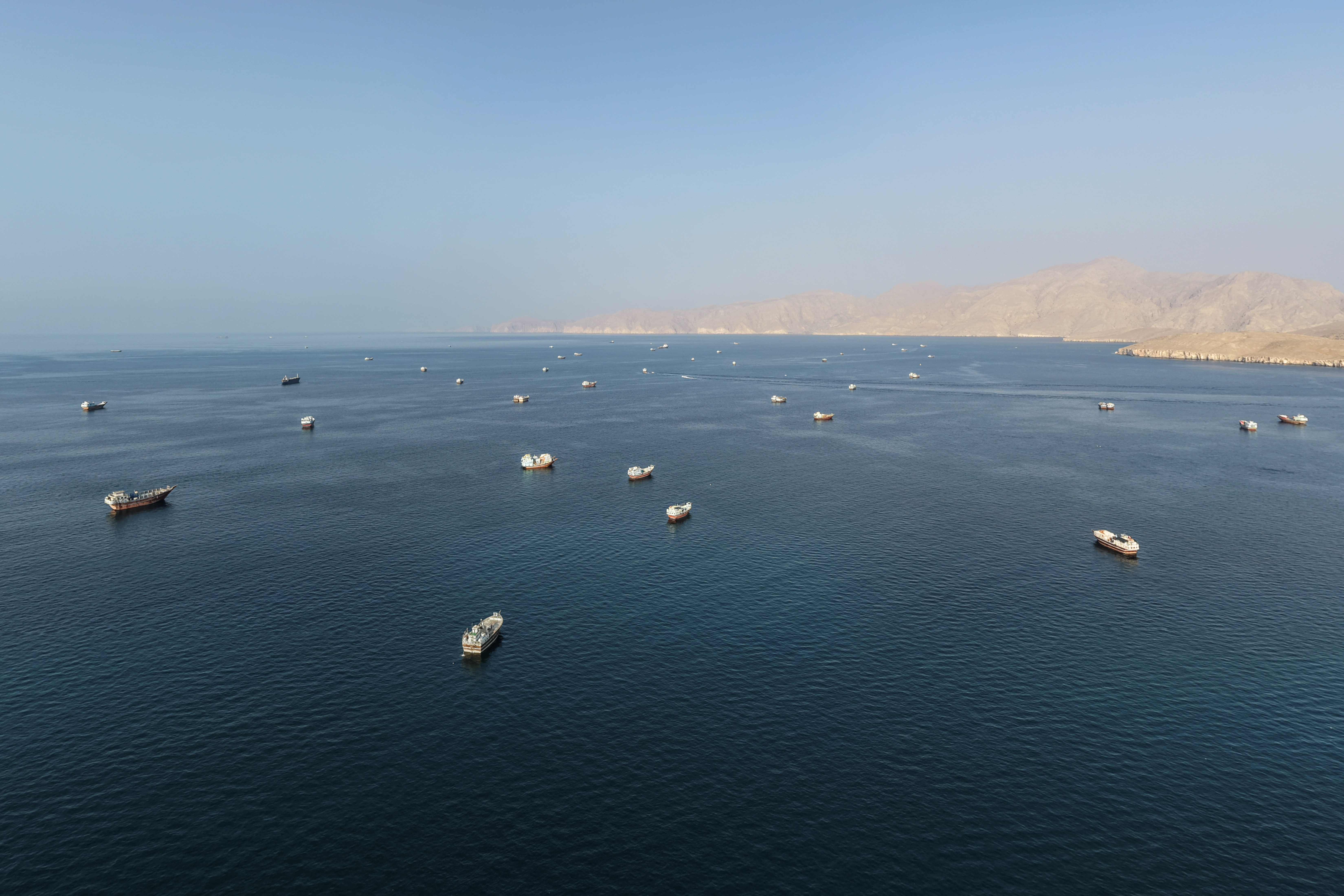
Right · 1Mohammadreza Naqdi, an adviser to the Revolutionary Guards' commander, told the semi-official Fars News Agency on 7 October that transit routes in the Strait of Hormuz that Iran deems illegal will soon be closed. The Straits TimesRC “Transit routes in the Strait of Hormuz deemed illegal by Iran will soon be closed, an adviser to the Revolutionary Guards’ Commander told the semi-official Fars News Agency on Oct 7” Read at The Straits Times ↗ Right · 1Reuters said he was referring to the southern pathway hugging Oman's coast. The Straits TimesRC “referring to the southern pathway hugging Oman’s coast” Read at The Straits Times ↗ Right · 2Naqdi said the "few routes" were created by blasting and damaging some of the rocky passages in the waterway, and are used by "small boats smuggling oil and transferring it to tankers". The Straits TimesRC “had been created by blasting and damaging some of the rocky passages in the strategic waterway” Read at The Straits Times ↗ Just the NewsRC “Naqdi also said the routes are being used by “small boats smuggling oil and transferring it to tankers.” Read at Just the News ↗
Right · 2He also said: "The Strait of Hormuz is closed, and the armed forces of the Islamic Republic of Iran have full control over it. This situation will continue until Iran's legitimate demands are met." The Straits TimesRC “This situation will continue until Iran’s legitimate demands are met,” he added.” Read at The Straits Times ↗ Just the NewsRC “The Strait of Hormuz is closed, and the armed forces of the Islamic Republic of Iran have full control over it.” Read at Just the News ↗ Right · 1Reuters said his remarks challenged the narrative that Gulf oil exports are regaining pre-war levels: provisional Kpler data showed a seven-day moving average for crude exports from the region of 18.3 million barrels per day on 30 September, with volumes above pre-war levels on 14 days in September. The Straits TimesRC “A seven-day moving average for crude exports from the region was 18.3 million barrels per day on Sept 30, provisional data from Kpler showed, with volumes topping pre-war levels on 14 days in September.” Read at The Straits Times ↗ Right · 1The Guards have denied that flows are rebounding thanks to US Navy help; another adviser, Majid Mirahmadi, said on 1 October that an average of 10 ships a day transit the strait, against 125 before the war. The Straits TimesRC “another IRGC adviser, Majid Mirahmadi saying on Oct 1 that a daily average of 10 ships transit the waterway against an average of 125 before the war” Read at The Straits Times ↗
Right · 2The war began on 28 February, when the US and Israel killed Supreme Leader Ayatollah Ali Khamenei in a Tehran airstrike, according to Reuters; Just the News describes it as a roughly seven-month war between Iran and the US that has spiked energy prices worldwide. The Straits TimesRC “the war which started on Feb 28, when the US and Israel killed Supreme Leader Ayatollah Ali Khamenei in a Tehran airstrike” Read at The Straits Times ↗ Just the NewsRC “roughly seven-month-long war with the U.S., which has resulted in a spike in energy prices around the world” Read at Just the News ↗ Right · 1Reuters added that Iranian attacks on tankers and logistical constraints have persisted, calling into question whether higher flows can last. The Straits TimesRC “Iranian attacks on tankers and logistical constraints have persisted and call into question whether higher flows can be sustained durably.” Read at The Straits Times ↗
Every sentence links to the reporting it rests on. The pill in front of each says where its sources sit: Left, Centre or Right when one side supplies at least half of them, Mixed when they are evenly split. The number is how many outlets it cites.
Left1 outlet
No left outlet in our sources has covered this story yet.
Centre0 outlets
No centre outlet in our sources has covered this story yet.
Right3 outlets
- Framing
- Both outlets relay Naqdi's Fars interview via Reuters. The Straits Times (Reuters copy) adds export data and context contradicting the closure narrative; Just the News is a short summary stressing Iranian control of the strait.
- Emphasis
- Naqdi's claims of Iranian control and of oil smuggling; Just the News adds the war's effect on energy prices.
- Leaves out or plays down
- Just the News leaves out the Kpler export data, the Guards' ship-transit figures and the Oman-coast detail. Neither includes independent verification of the smuggling claim or any response from Oman or the US.
- Charged language
- “renegade transit routes”“oil smugglers”
- For example
-
“the few remaining, renegade transit routes in the Strait of Hormuz” — Just the News
“challenging the narrative that Gulf oil exports are regaining pre-war levels” — The Straits Times
What every side reports
- Mohammadreza Naqdi, adviser to the IRGC commander, told Fars that a few routes in the Strait of Hormuz deemed illegal by Iran will soon be closed.
- He said the routes were created by blasting rocky passages and are used by small boats smuggling oil to tankers.
- He said the strait is closed and under full Iranian armed forces control until Iran's demands are met.
Iran place
Through IRGC adviser Naqdi, Iran says it has full control of the strait, which stays closed until its demands are met, and that it will shut routes it calls illegal.
“The Strait of Hormuz is closed, and the armed forces of the Islamic Republic of Iran have full control over it.” — The Straits Times
Strait of Hormuz place
The strait is described as the site of a closure dispute, with Iranian forces saying they control it while Kpler data show Gulf crude exports above pre-war levels on 14 days in September.
“volumes topping pre-war levels on 14 days in September” — The Straits Times
“Iran effectively controls the strait, which hugs one of its borders” — Just the News
Left1 article
Centre0 articles
No coverage yet.
Right3 articles
-
Iran can, will seal off remaining Strait of Hormuz routes created, used by oil smugglers: report
Neutral Short rewrite of the Reuters report, presenting Iranian control as fact and adding the war's effect on energy prices.
-
The Straits TimesRC · · via Reuters
Iranian official says ‘illegal routes’ in Strait of Hormuz to soon be blocked
Neutral Reuters wire copy reporting Naqdi's statement alongside Kpler export data and Guards' transit figures that put it in context.
-
Arab NewsRC · · via Reuters
Iranian official says ‘illegal routes’ in Strait of Hormuz to soon be blocked
- 7 Oct 14:04 First The Straits TimesRC Iranian official says ‘illegal routes’ in Strait of Hormuz to soon be blocked via Reuters
- 7 Oct 16:16 +2h 12m Just the NewsRC Iran can, will seal off remaining Strait of Hormuz routes created, used by oil smugglers: report
- 7 Oct 17:05 +3h 1m CBS NewsLC Iran plans to block "illegal routes" through Strait of Hormuz, IRGC official says
- 7 Oct 17:45 +3h 41m Arab NewsRC Iranian official says ‘illegal routes’ in Strait of Hormuz to soon be blocked via Reuters
Times are when each article was published, or when we first saw it if the outlet gave no time.