Iraqi F-16s strike ISIS hideout in Diyala province, officials say
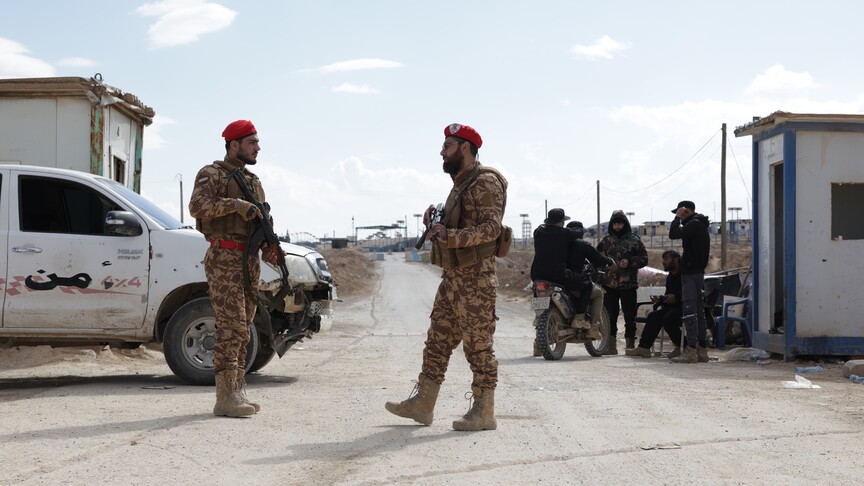
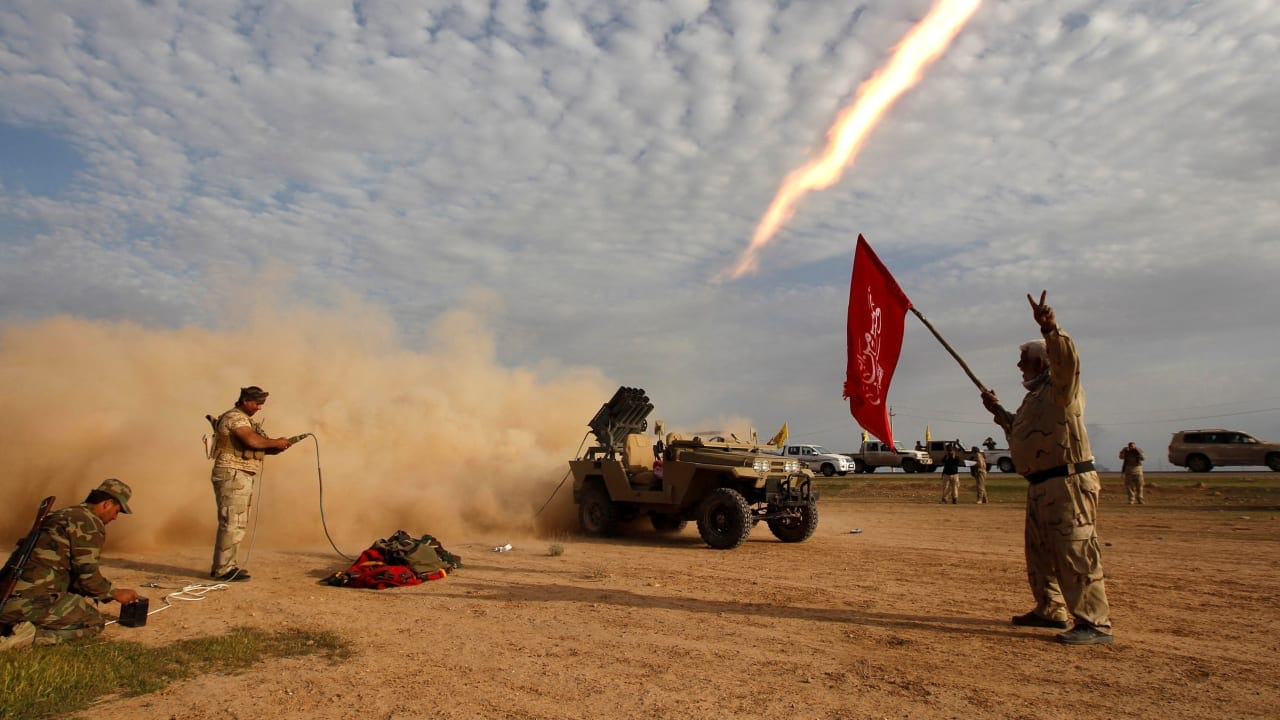
Iraq's Security Media Cell said F-16 jets carried out two airstrikes that destroyed an ISIS hideout in the Narin/Nareen area of Diyala on 11 October, shortly after the US-led coalition mission ended on 30 September.
1 / 2
The story, neutrally told
Mixed · 2Iraqi F-16 fighter jets carried out two airstrikes on Sunday 11 October that destroyed an ISIS position in the Narin (also spelled Nareen) area of the eastern province of Diyala, according to Iraq's Security Media Cell. Anadolu AgencyN “Iraqi F-16 fighter jets carried out two airstrikes that destroyed a position used by the ISIS (Daesh) terrorist group in the eastern province of Diyala, security officials said Sunday.” Read at Anadolu Agency ↗ The Jerusalem PostRC “On October 11, Iraq's Security Media Cell, which posts official statements on the Iraqi security forces, said that it had carried out strikes on ISIS.” Read at The Jerusalem Post ↗ Mixed · 2The statement said the operation relied on intelligence from the Military Intelligence Directorate and was coordinated with the Aerial Reconnaissance and Surveillance Center in the Office of the Commander-in-Chief of the Armed Forces. Anadolu AgencyN “The operation was based on intelligence provided by the Military Intelligence Directorate and coordinated with the military's aerial reconnaissance and surveillance center.” Read at Anadolu Agency ↗ The Jerusalem PostRC “in joint coordination with the Aerial Reconnaissance and Surveillance Center in the Office of the Commander-in-Chief of the Armed Forces” Read at The Jerusalem Post ↗ Centre · 1The cell said the hideout was completely destroyed but gave no details on casualties, saying further information would be released later. Anadolu AgencyN “The Security Media Cell said the position was completely destroyed but gave no details on casualties. It said further information would be released later.” Read at Anadolu Agency ↗
Centre · 1The strikes came less than two weeks after the US-led coalition's mission against ISIS in Iraq officially ended on 30 September, nearly 12 years after its launch. Anadolu AgencyN “The strikes came less than two weeks after the US-led coalition's mission against ISIS in Iraq officially ended on Sept. 30, nearly 12 years after its launch.” Read at Anadolu Agency ↗ Centre · 1Iraq declared victory over ISIS in December 2017 after retaking all territory held by the group, though its forces have continued operations against remaining fighters. Anadolu AgencyN “Iraq declared victory over ISIS in December 2017 after retaking all territory held by the group, although Iraqi forces have continued operations against its remaining fighters.” Read at Anadolu Agency ↗ Right · 1The Jerusalem Post's analysis, by Seth J. Frantzman, describes the strikes as part of increased Iraqi airstrikes and operations since the US withdrawal, and says ISIS is severely weakened, consisting mainly of scattered cells in rural areas, though some pockets, such as the Hamrin mountains and areas near Hawija, were never defeated. The Jerusalem PostRC “In the wake of the US withdrawal from Iraq on September 30, the Iraqi government has increased airstrikes and operations against ISIS.”“However, some pockets have never been defeated. One of those pockets is in the Hamrin mountains and areas near Hawija.” Read at The Jerusalem Post ↗
Right · 1The Post also cites Shafaq News reports that ISIS militants twice attacked the same village in Kirkuk's Hawija district within 24 hours, disabling thermal cameras, and that an attack on 5 October killed one Federal Police officer and wounded four; it notes Iraqi forces also staged an airborne assault on six suspected hideouts in Kirkuk province. The Jerusalem PostRC “One officer was killed, four were wounded, and several thermal cameras at the site were destroyed.”“Iraqi security forces carried out an airborne assault on six suspected Islamic State hideouts in Kirkuk province on Monday” Read at The Jerusalem Post ↗ Right · 1The Post says Iraq appears to be sending a message that it will not let ISIS exploit the situation, and that ISIS has exploited a power vacuum between the Kurdistan Regional Government and federal forces near Mount Qarachokh; it also noted the Security Media Cell statement did not name ISIS, though the target was clear. The Jerusalem PostRC “Iraq appears to be trying to send a message that it will not allow ISIS to exploit the situation.”“The statement didn't name ISIS, but it was clear this was the target.” Read at The Jerusalem Post ↗
Every sentence links to the reporting it rests on. The pill in front of each says where its sources sit: Left, Centre or Right when one side supplies at least half of them, Mixed when they are evenly split. The number is how many outlets it cites.
Left0 outlets
No left outlet in our sources has covered this story yet.
Centre1 outlet
- Framing
- Brief factual report relaying the Security Media Cell statement on the strikes.
- Emphasis
- Location, intelligence basis, absence of casualty details, end of the coalition mission.
- Leaves out or plays down
- No wider security context on recent ISIS attacks or Kurdish-federal security gaps.
- Charged language
- “terrorist group”
- For example
-
“Iraqi F-16 fighter jets carried out two airstrikes that destroyed a position used by the ISIS (Daesh) terrorist group in the eastern province of Diyala, security officials said Sunday.” — Anadolu Agency
Right1 outlet
- Framing
- Analysis placing the strike within a post-US-withdrawal 'security vacuum' and a possible ISIS comeback, while judging ISIS severely weakened.
- Emphasis
- Recent ISIS attacks near Kirkuk/Hawija, Kurdish-federal gaps, history of ISIS's 2014 rise, and unrelated regional items.
- Leaves out or plays down
- Does not mention that the coalition mission formally ended, as distinct from a US withdrawal, nor casualty uncertainty from the strike.
- Charged language
- “security vacuum”“lingering ISIS pockets”
- For example
-
“This comes as ISIS may seize the opportunity to mount a comeback. However, ISIS is severely weakened and now consists mainly of scattered cells in rural areas.” — The Jerusalem Post
What every side reports
- Iraqi F-16s carried out two airstrikes on 11 October in the Narin/Nareen area of Diyala.
- The Security Media Cell said the hideout was completely destroyed.
- The strikes followed the end of the US-led coalition mission on 30 September.
Left0 articles
No coverage yet.
Centre1 article
-
Iraqi warplanes destroy ISIS position in country’s east
Neutral Short wire-style account of the official statement and the end of the coalition mission.
Right1 article
-
Iraq targets lingering ISIS pockets with airstrikes, operations in security vacuum after US pullout
Mixed Analytical piece linking the strike to a post-withdrawal vacuum while downplaying ISIS's current strength.
- 12 Oct 03:32 First Anadolu AgencyN Iraqi warplanes destroy ISIS position in country’s east
- 12 Oct 12:54 +9h 22m The Jerusalem PostRC Iraq targets lingering ISIS pockets with airstrikes, operations in security vacuum after US pullout
Times are when each article was published, or when we first saw it if the outlet gave no time.