Israel votes on 27 October, three years after the 7 October attacks
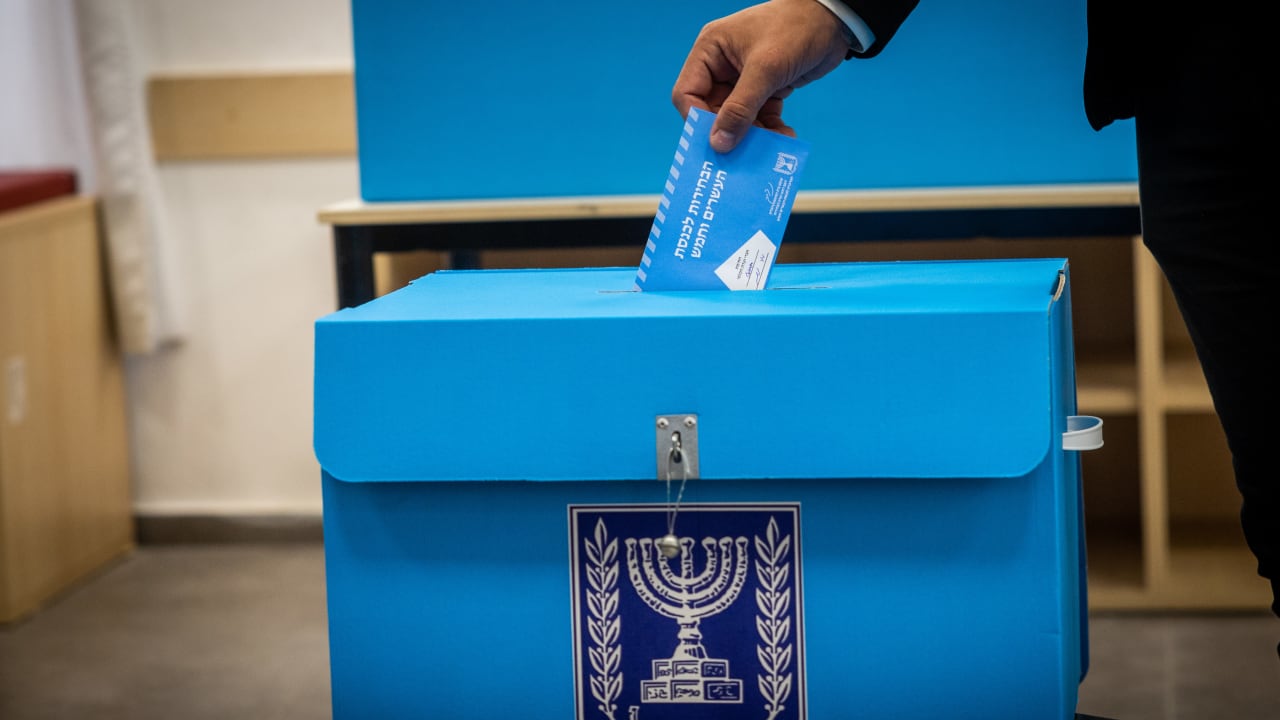
Israel holds a general election on 27 October, as the third anniversary of the 7 October 2023 attacks passes. Three opinion-led pieces from right-leaning outlets frame the vote around Netanyahu's record, Palestinian rights and child welfare.
1 / 3
The story, neutrally told
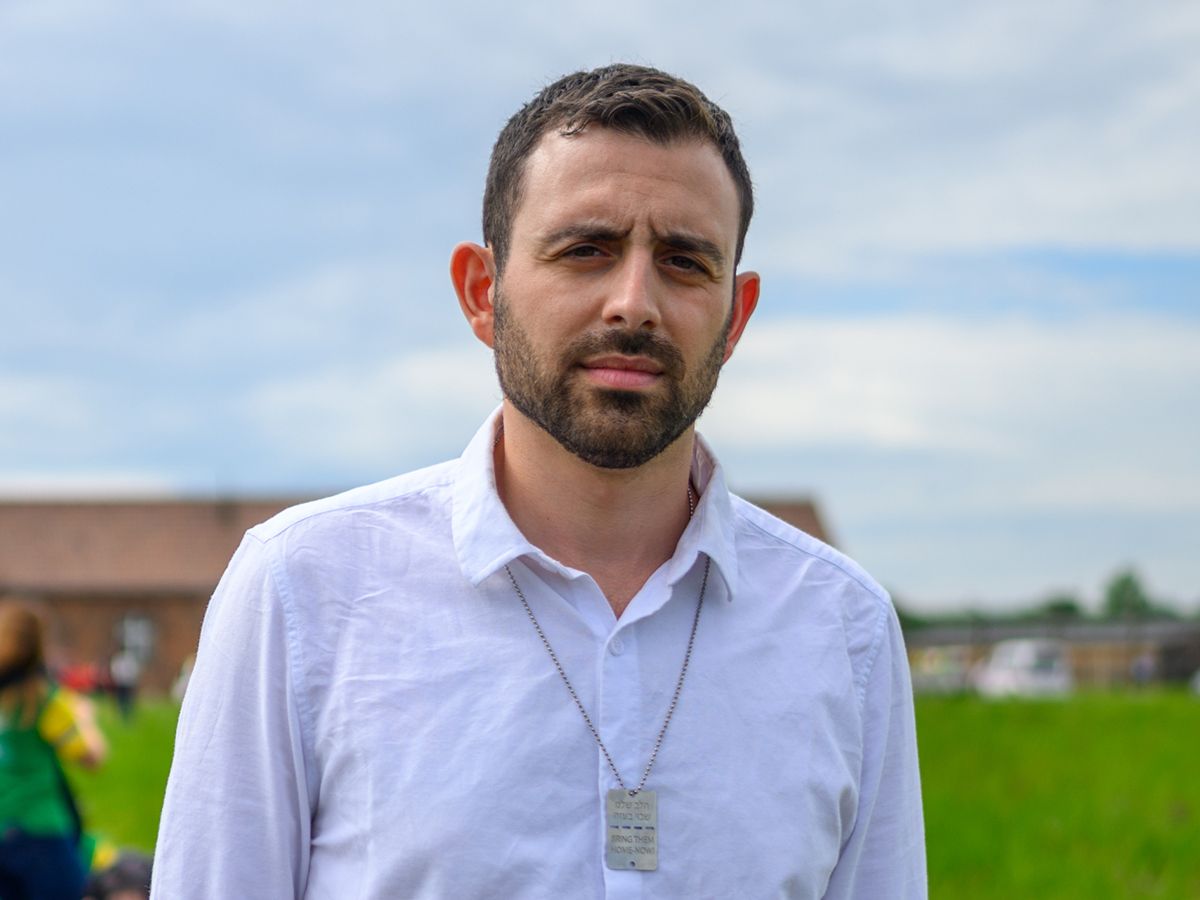
Right · 2Israel's general election is set for 27 October 2026, three years after the Hamas-led attacks of 7 October 2023. National PostRC “The elections on Oct. 27 will be about October 7” Read at National Post ↗ The Jerusalem PostRC “On October 27, we will all head to the polls and decide who will lead the State of Israel” Read at The Jerusalem Post ↗ Right · 1In a National Post interview, Eylon Levy, a former Israeli government spokesman, said the vote is overshadowed by 7 October: for the opposition the question is responsibility for the massacre, while Netanyahu's Likud wants it to be about the war that followed. National PostRC “For the opposition, the question is responsibility for the massacre itself.” Read at National Post ↗ Right · 1The National Post described Prime Minister Benjamin Netanyahu's record as the clear ballot question, and its interviewer listed anger over the massacre, the failure of promises of total victory and the unequal burden of military service as issues likely to dominate. National PostRC “Prime Minister Benjamin Netanyahu’s record is the clear ballot question”“the very unequal distribution of the burden of military service” Read at National Post ↗
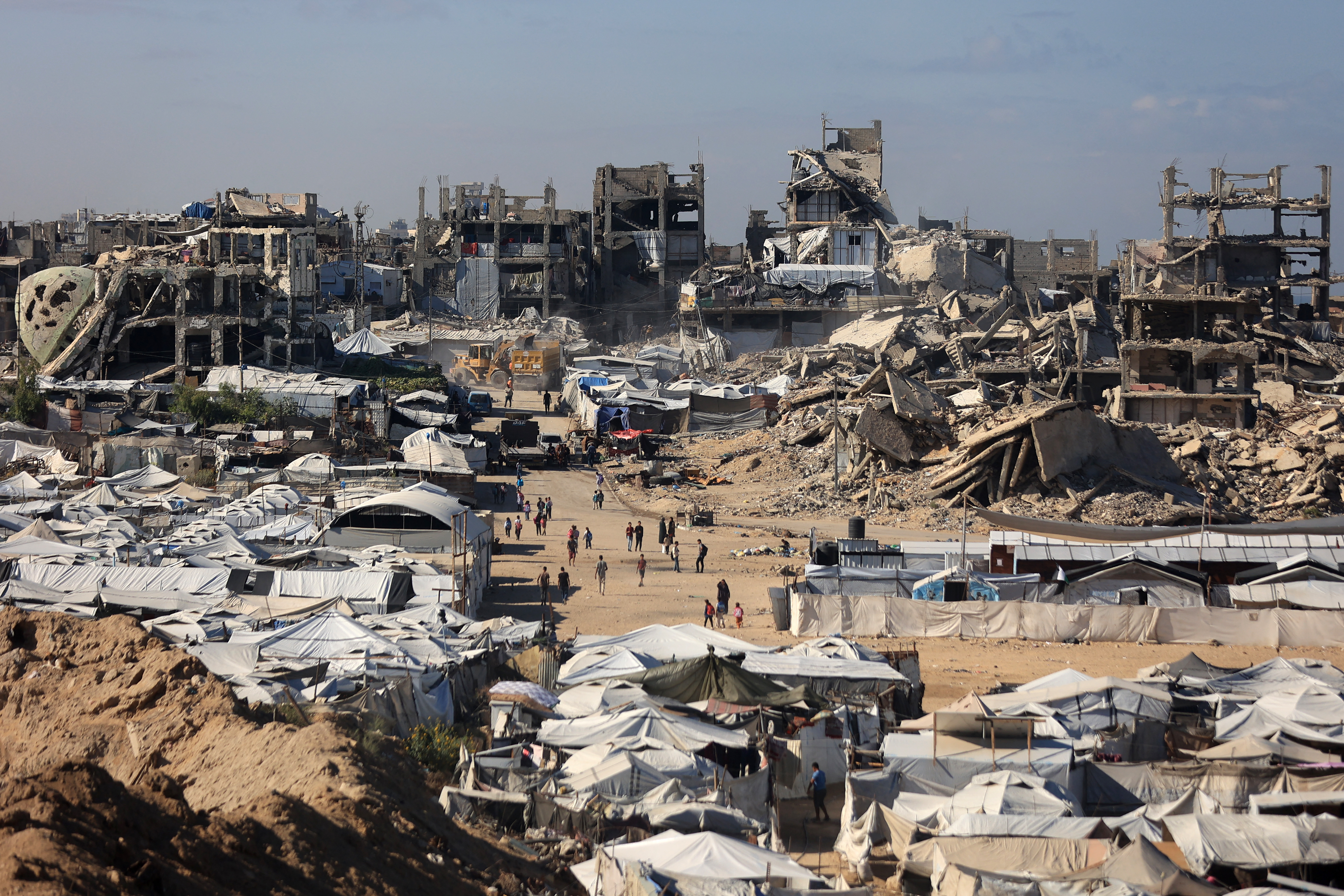
Right · 1Levy said Hamas remains in Gaza and refuses to disarm, Hezbollah is still armed in Lebanon, and Israelis have become more hawkish, with the two-state solution no longer seriously discussed. He argued this shift would persist whoever wins. National PostRC “Hamas is still there in Gaza. It’s refusing to disarm.”“Whoever wins the next election, this is not just a Netanyahu issue.” Read at National Post ↗ Right · 1Arab News columnist Daoud Kuttab, a Palestinian journalist, wrote that the election, which could end Netanyahu's tenure as Israel's longest-serving prime minister, coincided with escalating anti-Palestinian violence and hate speech. Arab NewsRC “Israeli elections that could end the reign of Israel’s longest-serving prime minister, Benjamin Netanyahu” Read at Arab News ↗ Right · 1Kuttab cited a deadly strike on a Gaza City apartment, settler violence in the West Bank, and what Palestinian authorities say were more than 11,000 Jewish visits to Al-Aqsa between 12 September and 1 October. Arab NewsRC “A record number of more than 11,000 Jewish extremists made uninvited visits to Islam’s holy mosque between Sept. 12 and Oct. 1, according to Palestinian authorities.” Read at Arab News ↗
Right · 1He also wrote that the Israeli attorney general ordered postponement of E1 settlement tender contracts planned for 25 October so they would not be used for election propaganda. He added that Israel ordered the British Consulate in Jerusalem closed and that London threatened to expel 27 Israeli diplomats. Arab NewsRC “the Israeli attorney general ordered the signing to be postponed so as not to be used for election propaganda”“London is threatening to expel 27 Israeli diplomats and their families” Read at Arab News ↗ Right · 1In the Jerusalem Post, Nelly Geva, CEO of SOS Children's Villages Israel, argued that the campaign should include funded commitments for children and young adults without family support, after years of pandemic and war. The Jerusalem PostRC “What do they intend to do for the children and young adults who have no safe home to return to”“multi-year funding that guarantees children and young adults without family support continuity of care” Read at The Jerusalem Post ↗
Every sentence links to the reporting it rests on. The pill in front of each says where its sources sit: Left, Centre or Right when one side supplies at least half of them, Mixed when they are evenly split. The number is how many outlets it cites.
Left0 outlets
No left outlet in our sources has covered this story yet.
Centre0 outlets
No centre outlet in our sources has covered this story yet.
Right3 outlets
- Framing
- All three pieces are interview or opinion writing: a Canadian interview centred on 7 October and Netanyahu's record, a Palestinian columnist criticising Israeli conduct, and an Israeli advocacy op-ed on child welfare.
- Emphasis
- Security and accountability for 7 October (National Post), Palestinian suffering and annexation (Arab News), social services (Jerusalem Post).
- Leaves out or plays down
- No straight news report, polling figures or opposition platforms appear; the three pieces share little common focus.
- Charged language
- “massacre”“killing machine”“fanatics”
- For example
-
“Israel’s referendum on October 7, Benjamin Netanyahu and much more” — National Post
“The Israeli army’s killing machine claimed five more innocent victims” — Arab News
“Israel’s election must address children without family support - opinion” — The Jerusalem Post
What every side reports
- The election is on 27 October 2026.
- The vote follows the third anniversary of the 7 October 2023 attacks and the war that followed.
Where accounts differ
-
What the election is about
- Right
- National Post (Levy): a referendum on 7 October and Netanyahu's record, with the shift toward hawkishness continuing under any winner. Arab News (Kuttab): a backdrop of Israeli abuses and annexation, with practices likely to continue even if Netanyahu leaves. Jerusalem Post (Geva): welfare for children without family support should be a campaign issue.
-
Israel's general election is scheduled for 27 October 2026.
Reported- Reports 3
- Arab News, National Post, The Jerusalem Post
-
The war following the 7 October 2023 attacks has strained Israeli society, economy and welfare services.
Supported- Supports 2
- National Post, The Jerusalem Post
- Reports 1
- Arab News
Benjamin Netanyahu person
Described as the central figure: his record is called the ballot question, and Arab News says his government faces possible defeat.
“Prime Minister Benjamin Netanyahu’s record is the clear ballot question” — National Post
“the potential weakening and maybe the end of the Netanyahu administration appears to be looming” — Arab News
North America1 outlet
Interview focused on 7 October, Netanyahu and Israeli hawkishness.
“Israelis have become a lot more hawkish.” — National Post
National Post
Middle East1 outlet
Palestinian column on violence, annexation and international pressure around the vote.
“Israeli elections that could end the reign of Israel’s longest-serving prime minister” — Arab News
Arab News
Israel1 outlet
Domestic op-ed asking candidates to prioritise child welfare.
“Social services are not an act of charity that the state extends to the vulnerable.” — The Jerusalem Post
The Jerusalem Post
Left0 articles
No coverage yet.
Centre0 articles
No coverage yet.
Right3 articles
-
Israel’s referendum on October 7, Benjamin Netanyahu and much more
Mixed Interview with Eylon Levy presenting the vote as a referendum on 7 October and Netanyahu, with a hawkish view of Hamas and Hezbollah.
-
Arab NewsRC · · Opinion
Toxic Israeli elections and abusive religious fanatics
Critical Palestinian opinion column portraying the election period as one of escalating Israeli violence, fanaticism and annexation.
-
The Jerusalem PostRC · · Opinion
Israel’s election must address children without family support - opinion
Sympathetic Op-ed by a child-welfare CEO urging candidates to commit funding for children without family support.
- 6 Oct 13:00 First National PostRC Israel’s referendum on October 7, Benjamin Netanyahu and much more
- 7 Oct 14:16 +25h 15m Arab NewsRC Toxic Israeli elections and abusive religious fanatics Opinion
- 7 Oct 14:36 +25h 35m The Jerusalem PostRC Israel’s election must address children without family support - opinion Opinion
Times are when each article was published, or when we first saw it if the outlet gave no time.