Israel votes Tuesday: Netanyahu's bloc short of 61 in most polls, coalition path unclear
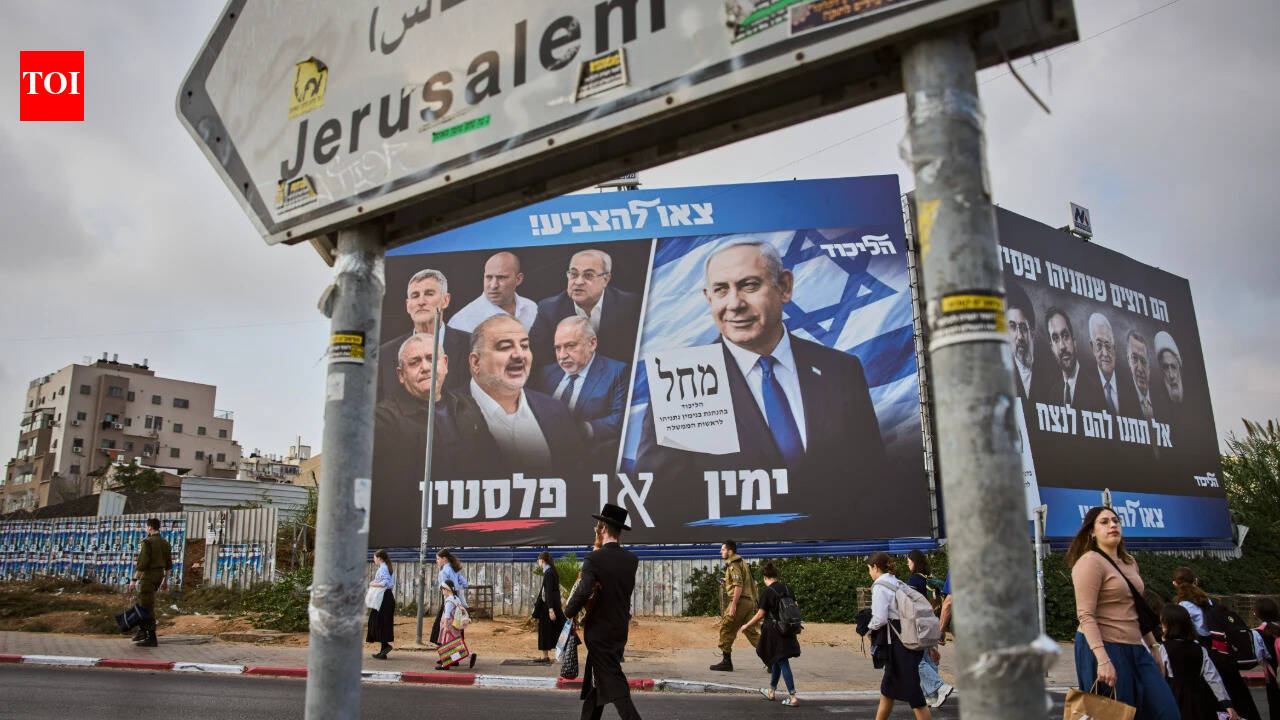
Israel holds a parliamentary election on Tuesday, its first since the 7 October 2023 Hamas attack. Most polls put Prime Minister Netanyahu's bloc short of 61 seats, and coverage focuses on how he might form a government and who his rivals are.

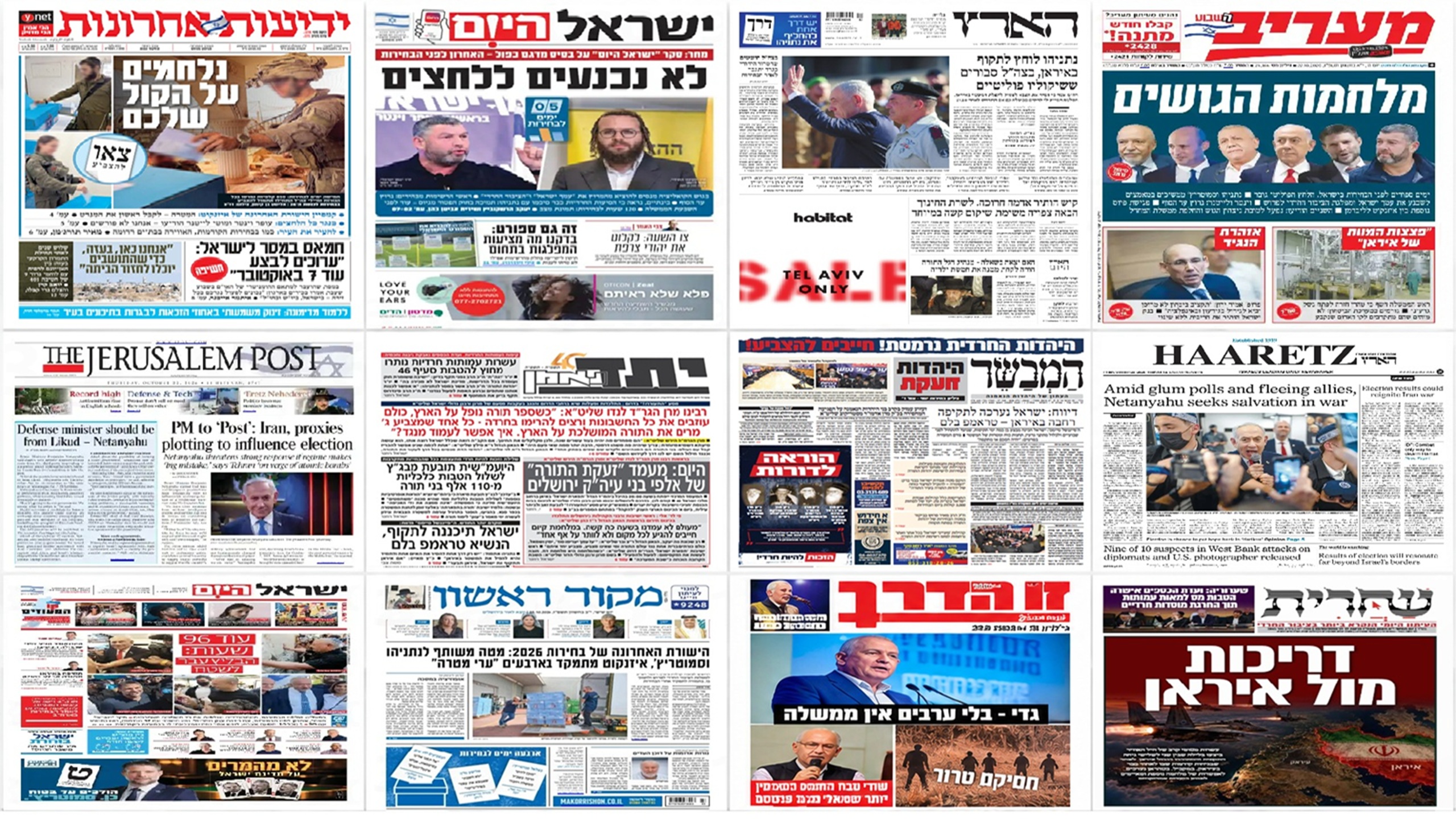

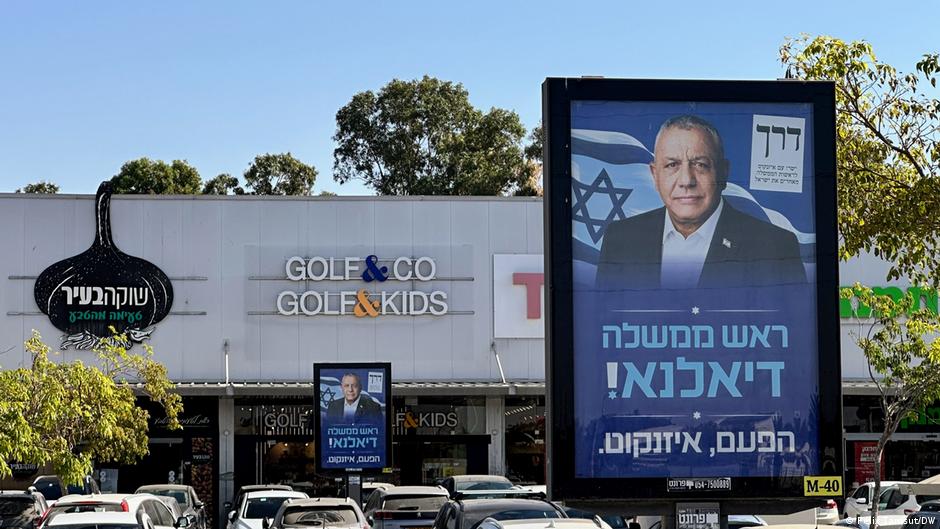
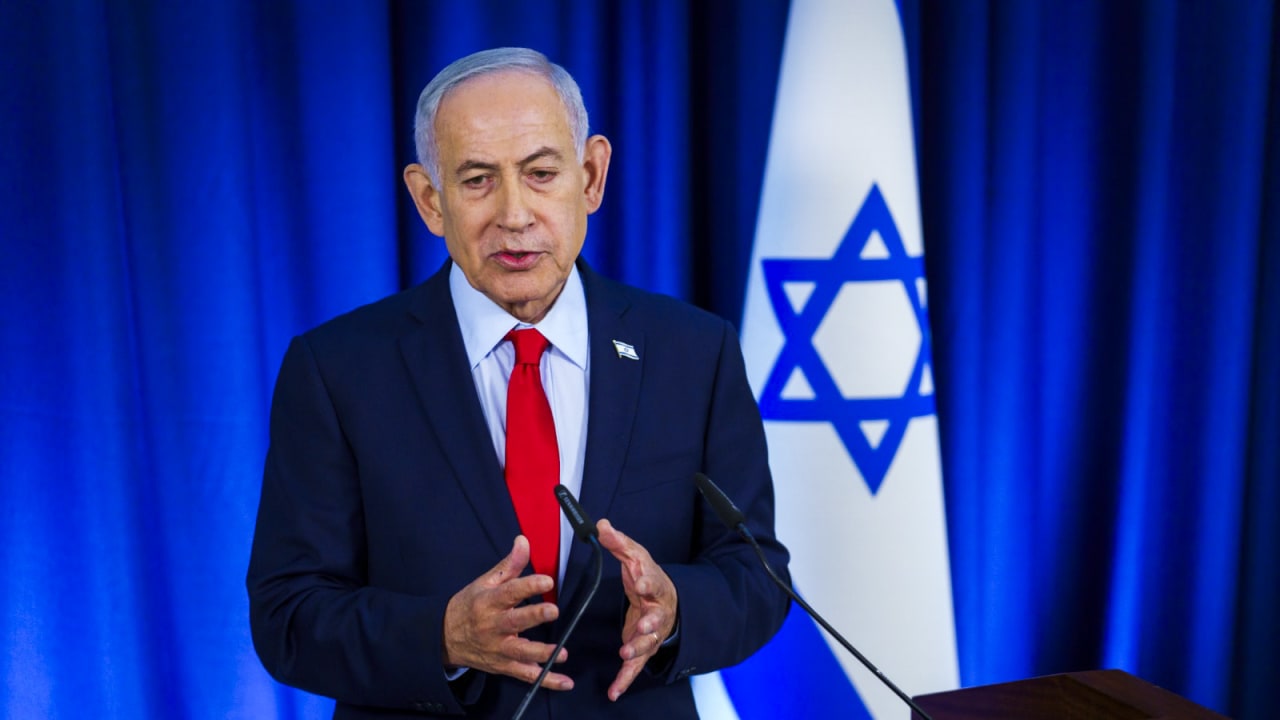
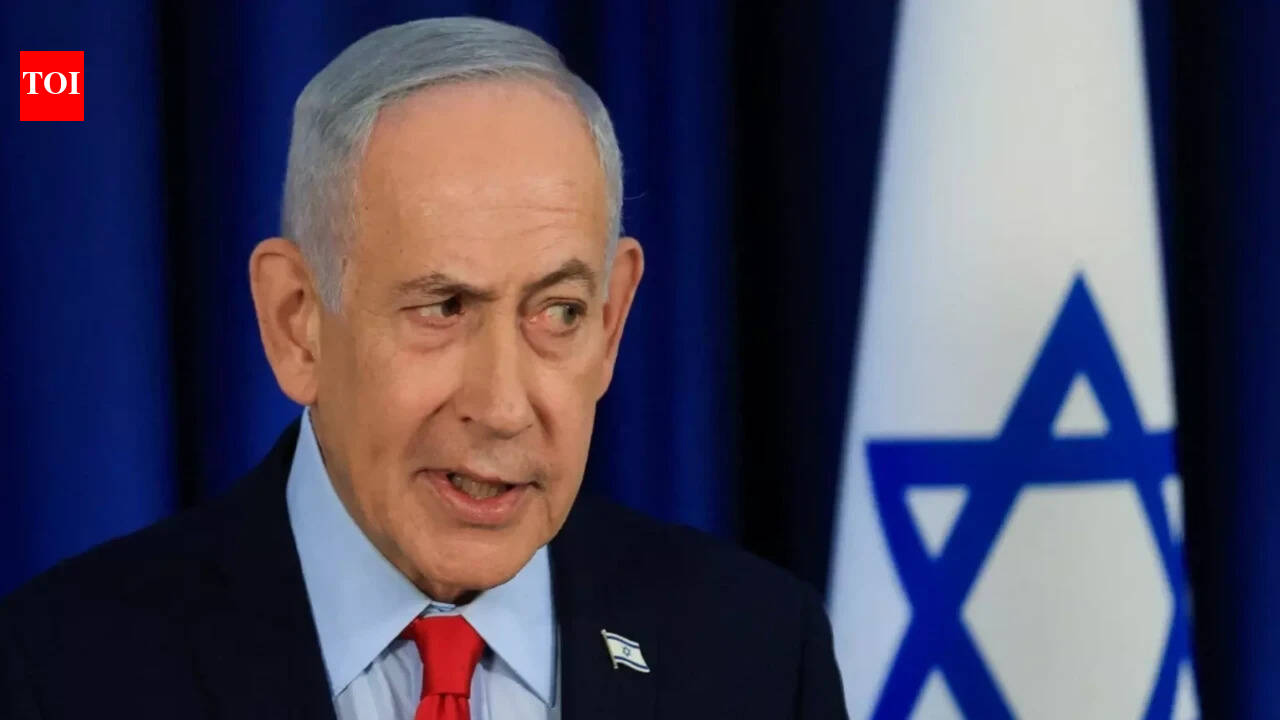


1 / 8
The story, neutrally told
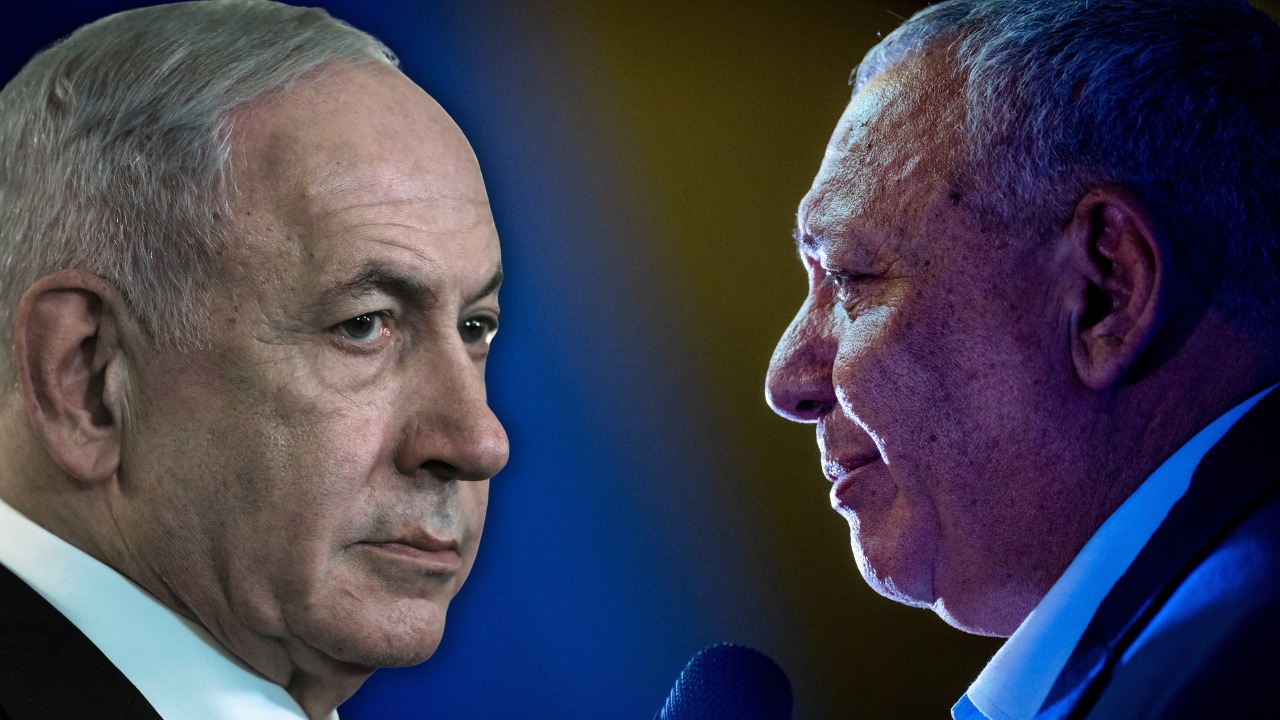
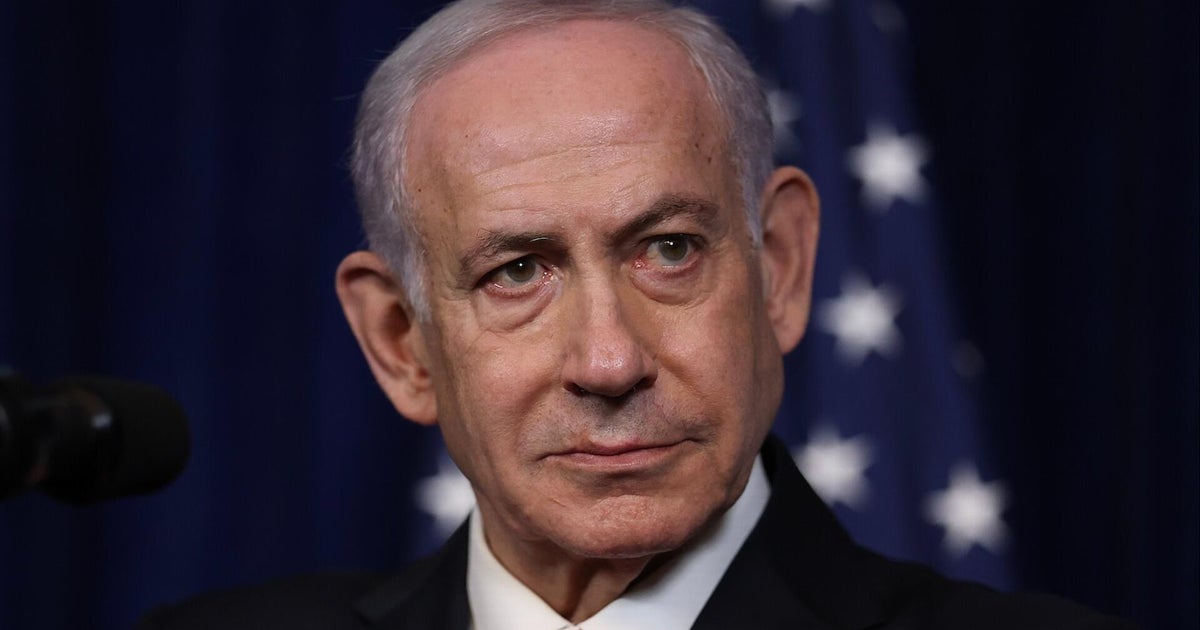
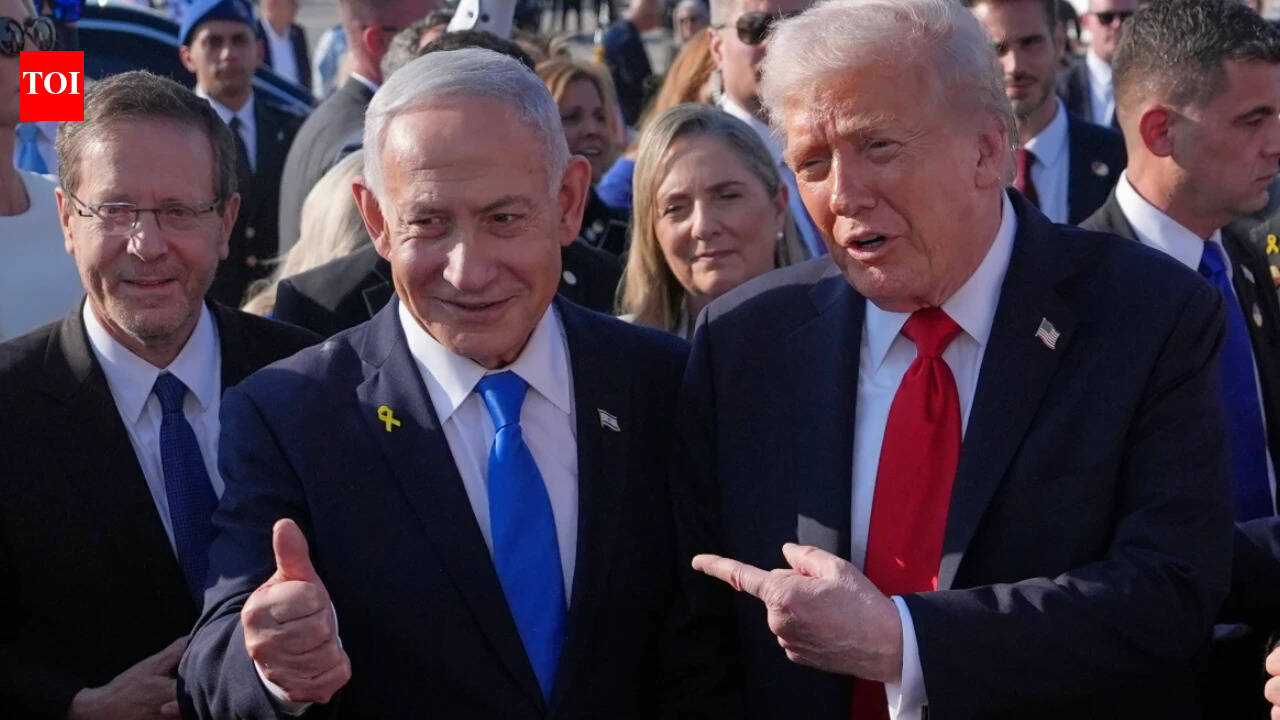
Right · 1Israel votes on Tuesday in its first parliamentary election since the Hamas attack of 7 October 2023, with Prime Minister Benjamin Netanyahu's Likud and its allies facing a narrowing race. The Straits TimesRC “Israel's first parliamentary election since the Hamas attack on October 7, 2023”“the race has narrowed as the vote approaches” Read at The Straits Times ↗ Right · 1Reuters, carried by the Straits Times, wrote that Netanyahu has long looked on course to lose power but that his rivals have no clear path to power. The Straits TimesRC “his rivals have no clear path to power” Read at The Straits Times ↗ Right · 1JNS reported that most polls project Likud, Shas, United Torah Judaism, Otzma Yehudit and Religious Zionist–Zehut falling short of the 61 seats needed for a majority, and that only Channel 14 polls consistently put the coalition above that threshold. JNSR “Most polls project Likud, Shas, United Torah Judaism, Otzma Yehudit and Religious Zionist–Zehut falling short of the 61 seats needed to form a government.”“Only Channel 14 polls consistently put the coalition above that threshold.” Read at JNS ↗
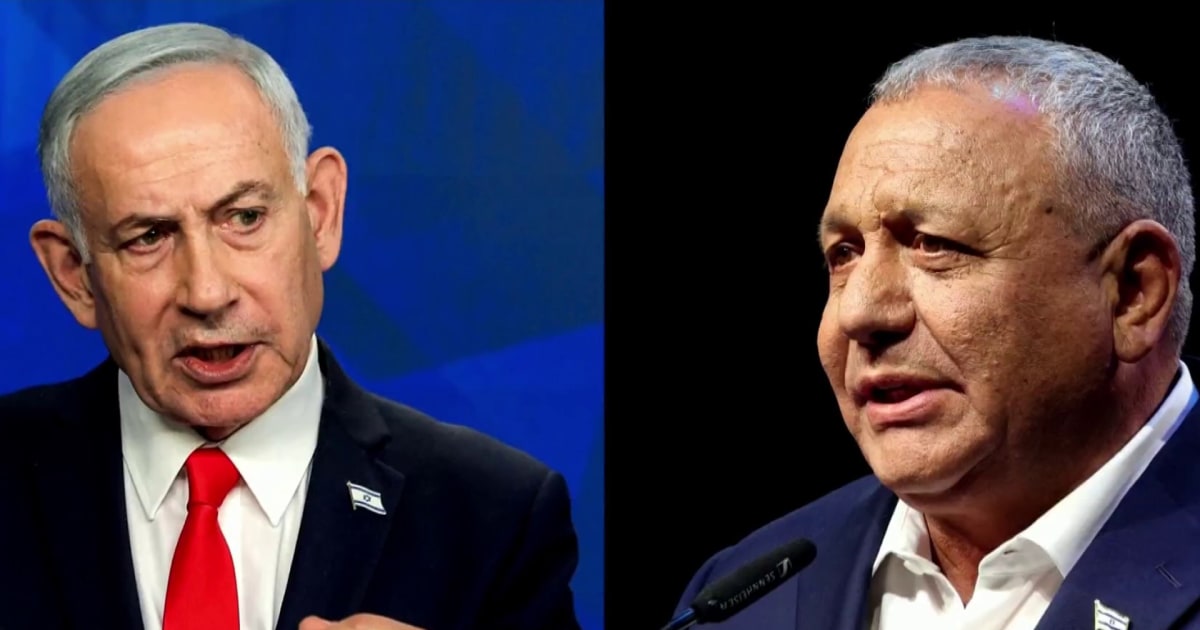
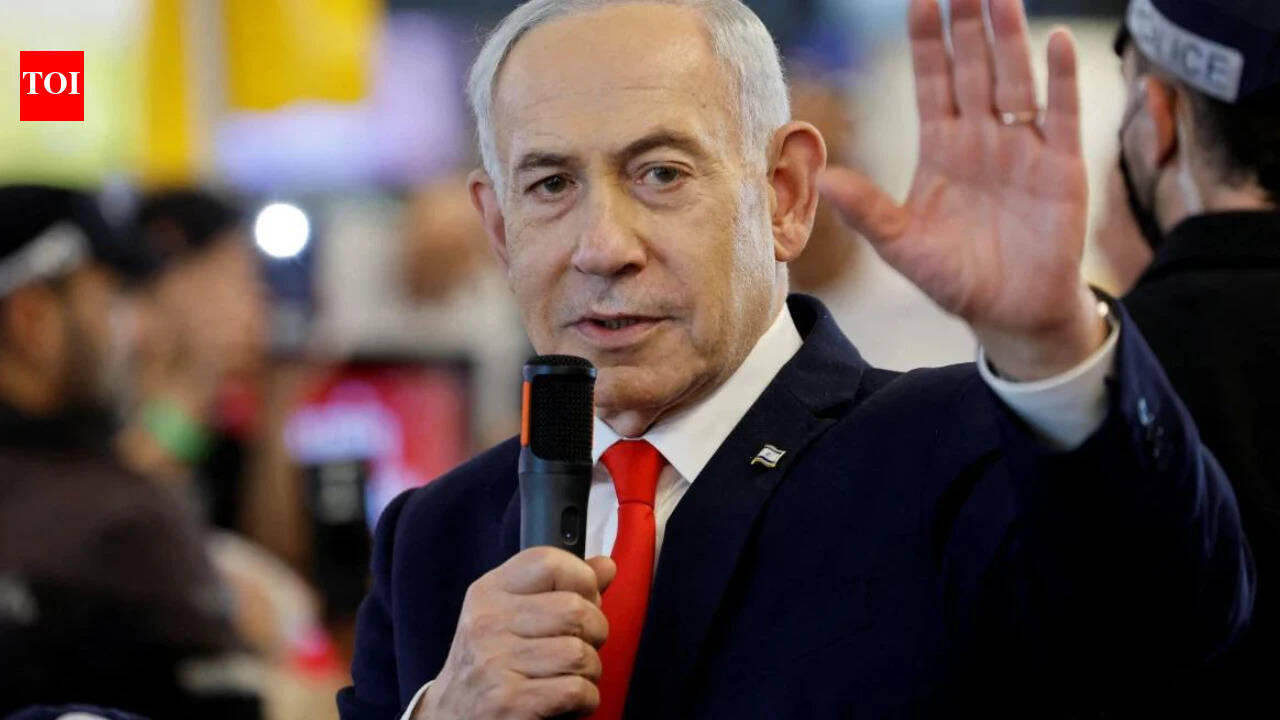
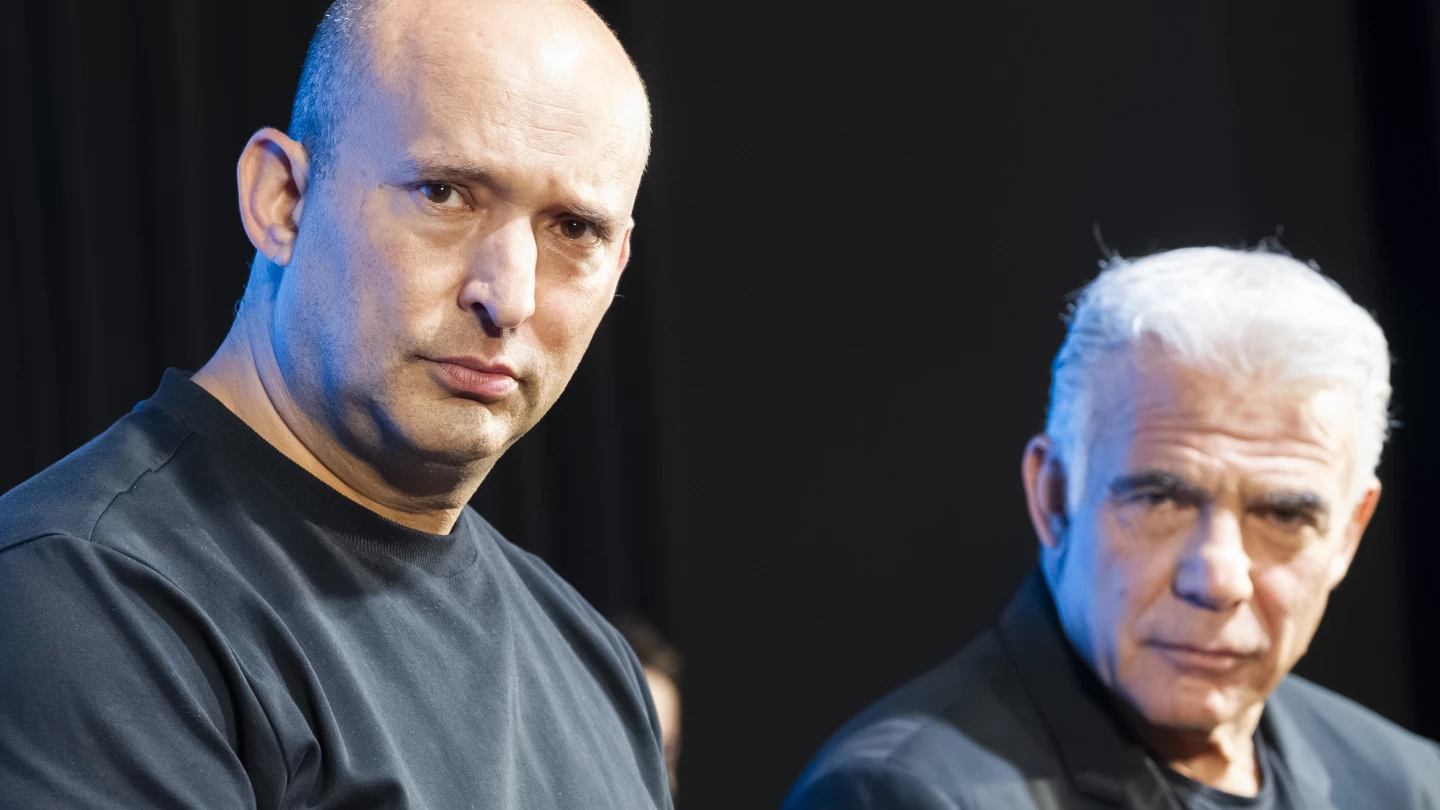
Right · 1Netanyahu, 77, is on trial in Israel on corruption charges, which he denies, and is wanted by the International Criminal Court over alleged war crimes in Gaza, which he rejects; Reuters said polls show a sharp drop for Likud since 7 October. The Straits TimesRC “wanted by the International Criminal Court over alleged war crimes in Gaza which he rejects and on trial in Israel on corruption charges which he denies”“Opinion polls have pointed to a sharp drop for his Likud party since the October 7 attack” Read at The Straits Times ↗ Right · 2Netanyahu has said he wants a "broad national" government if he wins, and Reuters noted that in a stalemate he could stay on as caretaker prime minister for many months. He has stressed turnout, telling i24NEWS that one or two extra seats from voters turning out could decide the result. The Straits TimesRC “He has said he wants to form a "broad national" government after the election, if he wins.” Read at The Straits Times ↗ JNSR “If we get the extra mandate or two extra mandates because people come out to vote, we’ll win” Read at JNS ↗ Right · 1The main challengers named by Reuters are Gadi Eisenkot, who heads the new centrist party Yashar; Naftali Bennett, who has joined former premier Yair Lapid in a party called Together; Avigdor Lieberman of Israel Our Home; and Yair Golan, who leads the Democrats. The Straits TimesRC “He heads a new centrist party called Yashar, Hebrew for "straight" or "honest".”“Their new party is called Together”“leads the Democrats, founded on the moribund remnants of Israel's historical Labour party and smaller left-wing Meretz” Read at The Straits Times ↗
Right · 1JNS reported that Bennett, Eisenkot, Golan and Lieberman have all publicly rejected serving with Netanyahu, and Eisenkot said on 21 October he would not serve under him in a rotation agreement. Hebrew University's Gayil Talshir called it very unlikely that anyone from the opposition would join him. JNSR “have all publicly rejected serving with Netanyahu”“I unequivocally pledge that I will not serve under Netanyahu in a rotation agreement. Period.”“It is very unlikely that someone from the opposition is going to join Netanyahu” Read at JNS ↗ Right · 1On Netanyahu's side, the ultra-Orthodox parties Shas and United Torah Judaism left his coalition in July 2025 over military conscription. Shas leader Aryeh Deri said on 14 October there would be no government with Shas unless yeshivah students' status is regulated. JNS added that the High Court has ordered enforcement of existing draft obligations, and Netanyahu has acknowledged uncertainty over whether new legislation can pass before a government is formed. JNSR “which prompted Shas and United Torah Judaism to withdraw from his coalition in July 2025”“There will be no government in Israel with Shas’s support or participation unless the status of yeshivah students is regulated.”“The High Court has ordered enforcement of existing draft obligations” Read at JNS ↗ Right · 1Other partners add demands: Itamar Ben-Gvir wants the Defense Ministry, and Netanyahu replied that the next defense minister should be from Likud. Moshe Feiglin of Zehut, in a technical alliance with Bezalel Smotrich's Religious Zionist party, has pledged to recommend Netanyahu unconditionally but also wants the Defense Ministry and the cancellation of the Oslo Accords. JNSR “I think the next defense minister should be from Likud.”“Feiglin has pledged to recommend Netanyahu to the president as prime minister without conditions” Read at JNS ↗
Right · 1JNS listed other routes: smaller parties such as Ofer Winter's Amcha Yisrael and the Reservists–Economic Party of Yoaz Hendel and Yaron Zelekha, both of which demand haredi conscription; recruiting defectors from the opposition; or a broader unity government, which Education Minister Yoav Kisch has advocated. Political scientist Martin Sherman doubted such a government would last. JNSR “Winter's demand for haredi military conscription could complicate negotiations with Shas and UTJ.”“We’ll do all we can to enlarge this coalition, to join other parties from the other side.”“I don’t think that’s sustainable” Read at JNS ↗ Right · 1Reuters also said Arab parties Raam and the Joint List, the new right-wing People of Israel and the centre-right Reservists, which have wavered in polls, could tip the balance either way. The Straits TimesRC “Parties which are not clearly aligned with either side could tip the balance in favour of Netanyahu or his rivals.” Read at The Straits Times ↗
Every sentence links to the reporting it rests on. The pill in front of each says where its sources sit: Left, Centre or Right when one side supplies at least half of them, Mixed when they are evenly split. The number is how many outlets it cites.
Left6 outlets
No left outlet in our sources has covered this story yet.
Centre10 outlets
No centre outlet in our sources has covered this story yet.
Right7 outlets
- Framing
- JNS offers a strategic analysis of Netanyahu's routes to forming a government after the vote. The Reuters profile carried by the Straits Times gives a wider overview of the candidates and the state of the race.
- Emphasis
- JNS stresses coalition arithmetic, haredi draft disputes, and options such as defections and a unity government. Reuters stresses Netanyahu's polarising standing, the legal cases against him, and the profiles of his rivals and of far-right allies.
- Leaves out or plays down
- JNS does not discuss the ICC warrant or the corruption trial in the part reviewed. The Reuters piece gives no seat projections.
- Charged language
- “King Bibi”“consummate political survivor”
- For example
-
“From haredi draft exemptions to unity talks, the incumbent faces a complex coalition puzzle.” — JNS
“Supporters hail Netanyahu as "King Bibi"” — The Straits Times
What every side reports
- Israel votes on Tuesday, in its first parliamentary election since 7 October 2023.
- Netanyahu's bloc has no guaranteed majority of 61 seats.
- Haredi conscription exemptions are a major obstacle to forming a coalition.
- Bennett, Eisenkot and Lieberman are among Netanyahu's main opponents.
Benjamin Netanyahu person
Netanyahu urges voters to turn out, saying a couple of extra seats could decide the result. He says he wants a "broad national" government, supports new legislation on draft exemptions, and denies the corruption and war-crimes allegations.
“if they don’t come out and stay home, we’ll lose.” — JNS
“He has said he wants to form a "broad national" government after the election, if he wins.” — The Straits Times
Left15 articles

Show 11 moreShow fewer




Centre23 articles
Show 19 moreShow fewer







Right32 articles
-
-
The Jerusalem PostRC · · Opinion
Why Netanyahu's supporters remain loyal to him despite his failures - opinion
-
The Jerusalem PostRC · · Opinion
Israel needs unity: Why Herzog must bring Netanyahu, Eisenkot together - opinion
-
The Jerusalem PostRC · · Opinion
Undecided voters should take a closer look at Bennett’s B’Yachad - opinion


Show 28 moreShow fewer
-
-
-
-
-
The Jerusalem PostRC · · Opinion
Don't waste your vote: What Israelis should consider before election day - opinion
-
-
-
The Jerusalem PostRC · · Opinion
Netanyahu warns of sanctions, opponents warn of collapse: Who's scaring voters? - analysis
-
The Straits TimesRC · · via AFP
Netanyahu warns Iran may try to disrupt Israeli election, says ‘don’t test us’
-
-
The Jerusalem PostRC · · Opinion
Israel must choose national unity over political division - opinion
-
The Jerusalem PostRC · · Opinion
Iran fears only Netanyahu. On Tuesday, make sure it stays that way - opinion
-
-
-
-
-
JNSR ·
The battle for 61: Netanyahu's post-election strategy
Neutral Analytical, expert-quoting explainer on how Netanyahu might assemble a governing majority.
-
The Jerusalem PostRC · · Opinion
Israel must listen to its friends, not dismiss their warnings - editorial
-
The Straits TimesRC · · via Reuters
Who are the leading candidates in Israel's election?
Mixed Reuters candidate profile (via the Straits Times) that contrasts Netanyahu's long tenure and legal troubles with his challengers, and notes the far-right scrutiny of his allies.
-

-
JNSR · · Opinion
-

-
-
The Jerusalem PostRC · · Opinion
Could Trump's allies push Netanyahu into unity gov't without his far-right partners? - analysis
-
-
-
-











- 25 Oct 09:04 First The Media LineN Israel’s Election Has 2 Front-Runners—and No Clear Path to Government
- 25 Oct 09:10 +6m The IndependentLC The key players in Israel’s first election since October 7 attacks as Netanyahu fights for his political life
- 25 Oct 09:12 +8m The IndependentLC Israeli elections poll tracker: Three scenarios that could play out as Netanyahu faces losing power
- 25 Oct 09:27 +23m Deutsche WelleN Gadi Eisenkot campaigns on Moroccan roots in challenge to Netanyahu
- 25 Oct 10:28 +1h 25m The Times of IndiaN A former army chief, 2 ex-PMs and an Arab party leader: Netanyahu’s main rivals in Israel polls
- 25 Oct 10:58 +1h 54m JNSR Bennett-Lapid list pitches unity ahead of Knesset election
- 25 Oct 11:26 +2h 22m Hindustan TimesN How Israel elects its prime minister without voters choosing a candidate
- 25 Oct 11:38 +2h 34m France 24N Israel: Demonstrators rally against government ahead of election
- 25 Oct 12:11 +3h 7m The Times of IndiaN Israel elections: Can Netanyahu turn security gains into a political victory?
- 25 Oct 12:47 +3h 43m The IndependentLC Israel votes in first election since 7 October attacks and Gaza war – could Netanyahu lose power?
- 25 Oct 13:46 +4h 42m The Jerusalem PostRC Why Netanyahu's supporters remain loyal to him despite his failures - opinion Opinion
- 25 Oct 13:46 +4h 42m The Jerusalem PostRC Israel needs unity: Why Herzog must bring Netanyahu, Eisenkot together - opinion Opinion
- 25 Oct 14:32 +5h 28m The Jerusalem PostRC Undecided voters should take a closer look at Bennett’s B’Yachad - opinion Opinion
- 25 Oct 15:36 +6h 32m Anadolu AgencyN White House views Netanyahu lobbying 'sign of desperation,' Axios reports
- 25 Oct 15:40 +6h 36m The Jerusalem PostRC Netanyahu shows 'political desperation' in push for Trump backing, US sources tell 'Post'
- 25 Oct 15:40 +6h 36m The Jerusalem PostRC Netanyahu's final campaign strategy: Fear - opinion Opinion
- 25 Oct 16:02 +6h 58m The Jerusalem PostRC Winter’s rabbi backs People of Israel despite Netanyahu's pressure to withdraw from election
- 25 Oct 16:30 +7h 26m Al JazeeraLC Israel’s ‘Generation Right’ could shape Netanyahu’s future
- 25 Oct 16:40 +7h 36m The HinduLC Netanyahu warns Iran may try to disrupt Israel election, says 'don't test us' via AFP
- 25 Oct 16:46 +7h 42m The Jerusalem PostRC Don't waste your vote: What Israelis should consider before election day - opinion Opinion
- 25 Oct 17:07 +8h 4m Hindustan TimesN ‘Don’t test us': Netanyahu warns Iran against attempts to disrupt Israel’s October 27 elections
- 25 Oct 17:29 +8h 25m South China Morning PostN Netanyahu warns Iran may try to disrupt election, says ‘don’t test us’ via AFP
- 25 Oct 17:32 +8h 28m Fox NewsR Who is Itamar Ben-Gvir, the Israeli firebrand rising with the populist right across the globe?
- 25 Oct 17:50 +8h 46m The Jerusalem PostRC Israel Election 2026: What does Gadi Eisenkot’s Yashar stand for?
- 25 Oct 17:53 +8h 49m Al JazeeraLC US and Israel elections: New leaders, same policies?
- 25 Oct 18:10 +9h 6m The Jerusalem PostRC Netanyahu warns of sanctions, opponents warn of collapse: Who's scaring voters? - analysis Opinion
- 25 Oct 19:10 +10h 6m Washington ExaminerR Netanyahu warns Iran against Israeli Election Day attack: ‘Don’t test us’
- 25 Oct 19:18 +10h 14m The Jerusalem PostRC Israel must choose national unity over political division - opinion Opinion
- 25 Oct 20:13 +11h 9m The Straits TimesRC Netanyahu warns Iran may try to disrupt Israeli election, says ‘don’t test us’ via AFP
- 25 Oct 20:26 +11h 22m The Jerusalem PostRC Iran fears only Netanyahu. On Tuesday, make sure it stays that way - opinion Opinion
- 25 Oct 21:10 +12h 6m Arab NewsRC Israel’s Eisenkot vows unity as Netanyahu paints him as soft on Iran via AFP
- 25 Oct 22:05 +13h 1m BBC NewsN Why Israel's election is one of the most important in its history
- 25 Oct 22:11 +13h 7m BBC NewsN Deeply divided Israel braces for pivotal election
- 25 Oct 23:08 +14h 4m NBC NewsLC Crackdown in the West Bank days ahead of Israeli elections
- 25 Oct 23:24 +14h 20m France 24N Report: IDF chief pushes back on Netanyahu's order
- 25 Oct 23:44 +14h 40m CBS NewsLC Netanyahu's party lags in polls ahead of first election since Oct. 7, 2023
- 25 Oct 23:45 +14h 41m Anadolu AgencyN Trump reiterates his endorsement of Netanyahu, urges Israel to ‘finish the job’ in Iran
- 25 Oct 23:49 +14h 45m Anadolu AgencyN Likud founder’s son calls on Israelis to vote Netanyahu out of office
- 26 Oct 00:02 +14h 58m The Jerusalem PostRC Trump repeats endorsement of Netanyahu, calls for Israel, US to 'finish the job'
- 26 Oct 01:02 +15h 59m Al JazeeraLC Netanyahu rival Eisenkot holds final rally before Israeli election
- 26 Oct 01:03 +15h 59m The Times of IndiaN ‘Don’t test us:’ Bibi warns Iran against election disruption via AFP
- 26 Oct 01:06 +16h 2m BreitbartR Trump Re-Endorses Netanyahu Ahead of Israeli Election: ‘We Have to Finish the Job’ Against Iran
- 26 Oct 01:19 +16h 15m Anadolu AgencyN Israel’s Netanyahu clashes with army chief over Iran-linked operation ahead of election: Report
- 26 Oct 01:50 +16h 46m Hindustan TimesN 'Vote for Bibi for PM': Trump renews pitch for Netanyahu as Israel heads to polls tomorrow
- 26 Oct 02:14 +17h 10m The Jerusalem PostRC For many Israeli voters, concerns over Israel's public image take a back seat in election
- 26 Oct 02:24 +17h 20m The Times of IndiaN ‘Vote for Netanyahu’: Trump urges Israelis to re-elect ‘outstanding warrior’ PM
- 26 Oct 02:31 +17h 27m Gulf NewsN Middle East war: Trump leaves Iran attack on the table; Tehran vows changes to Hormuz Strait; Houthis claim Saudi strikes
- 26 Oct 03:04 +18h ABC News (Australia)LC 'Our motherland needs us': The Israeli expats flying home to vote
- 26 Oct 03:11 +18h 7m The NationalN Gazans want Netanyahu gone but expect no 'new beginning' from Knesset vote
- 26 Oct 03:16 +18h 12m The Jerusalem PostRC First time voters could determine as many as 12 Knesset seats with high turnout
- 26 Oct 03:33 +18h 29m The HinduLC Israel's Eisenkot vows unity as Netanyahu paints him as soft on Iran via AFP
- 26 Oct 03:43 +18h 39m The Times of IndiaN 'Utilizing Iran for politics': IDF chief, Netanyahu clash over military action ahead of Israel elections - report
- 26 Oct 03:57 +18h 53m The HinduLC Israel markets see upside in Netanyahu defeat after three-year rally via Reuters
- 26 Oct 04:24 +19h 20m The Jerusalem PostRC Israel must listen to its friends, not dismiss their warnings - editorial Opinion
- 26 Oct 05:16 +20h 12m Al JazeeraLC Israel’s election: Five key things to know
- 26 Oct 05:34 +20h 30m JNSR The battle for 61: Netanyahu's post-election strategy
- 26 Oct 06:05 +21h 1m The Straits TimesRC Who are the leading candidates in Israel's election? via Reuters
- 26 Oct 06:32 +21h 28m JNSR Trump renews Netanyahu endorsement on eve of Israeli election
- 26 Oct 06:33 +21h 29m ABC News (Australia)LC Benjamin Netanyahu's biggest challenger gears up for high-stakes election
- 26 Oct 06:37 +21h 33m JNSR Israel’s election is a geopolitical vote Opinion
- 26 Oct 06:48 +21h 44m The Jerusalem PostRC Could Trump's allies push Netanyahu into unity gov't without his far-right partners? - analysis Opinion
- 26 Oct 06:48 +21h 44m The Jerusalem PostRC Investors see economic upside for Israel if opposition beats Netanyahu in upcoming elections
- 26 Oct 06:48 +21h 44m The Jerusalem PostRC Will 70,000 Israelis returning from abroad for Election Day tip the political balance? - analysis
- 26 Oct 06:54 +21h 51m JNSR Israel votes: The opposition's paths to power
- 26 Oct 07:03 +21h 59m Al JazeeraLC Israel’s election: The main issues in the words of the leading candidates
- 26 Oct 07:09 +22h 5m The NationalN Israel's opposition in final show of force before elections as tens of thousands rally in Tel Aviv
- 26 Oct 08:10 +23h 6m The Jerusalem PostRC Israelis put voting first as overseas travel declines ahead of election, data shows
- 26 Oct 08:16 +23h 12m The Media LineN Herzog: Despite ‘Pressure’ From Trump on Elections, ‘It’s Israel’s Democracy’
- 26 Oct 08:32 +23h 28m The Jerusalem PostRC Trump-Netanyahu team suited to removing Iran’s regime, Netanyahu adviser tells ‘Post’
- 26 Oct 08:32 +23h 28m The Jerusalem PostRC Israeli rehabilitation village prepares adults with disabilities for Election Day voting
Times are when each article was published, or when we first saw it if the outlet gave no time.
Ask about this story
Loading…