Tokyo court rules human voice protected by publicity rights in Tsuda AI-clone case
The Tokyo District Court ruled that a person's voice is protected under publicity rights in a suit by voice actor Kenjiro Tsuda over AI-narrated TikTok videos, but dismissed his request to have the videos removed.
1 / 3
The story, neutrally told
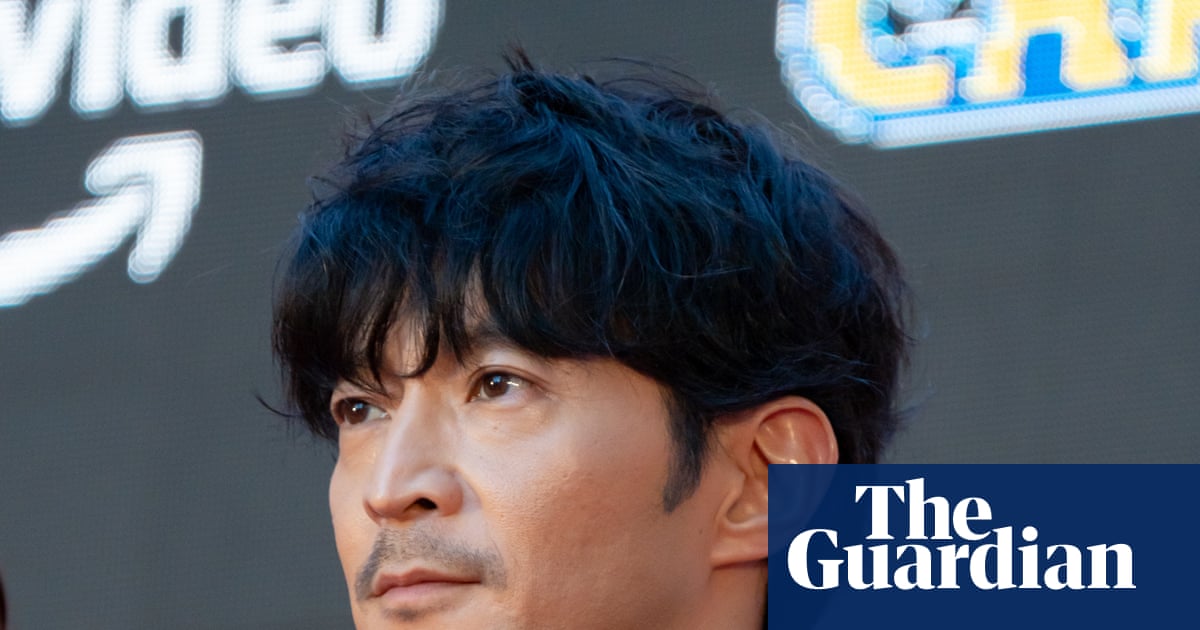
The Tokyo District Court ruled on Wednesday 30 September that the human voice is protected under publicity rights in Japan. CNAN “a Tokyo court ruled on Wednesday (Sep 30) that the human voice is legally protected in Japan” Read at CNA ↗ Anadolu AgencyN “voices are protected by publicity rights, similar to portrait rights” Read at Anadolu Agency ↗ The case was brought by Kenjiro Tsuda, known for voicing Kento Nanami in the anime "Jujutsu Kaisen", against the operator of TikTok over AI-narrated videos he said copied his voice. The GuardianLC “best known for voicing the character Kento Nanami in the anime Jujutsu Kaisen” Read at The Guardian ↗ CNAN “Anime voice actor Kenjiro Tsuda took TikTok to court” Read at CNA ↗ Presiding judge Aya Takahashi said unauthorised use of a performer's voice can infringe publicity rights, where the voice is used exclusively to exploit its commercial appeal, and likened a voice to a portrait as a symbol of personality. CNAN “"if the purpose of using that voice is exclusively to take advantage of its commercial appeal"” Read at CNA ↗ The GuardianLC ““as symbolic of one’s personality as portraits are”” Read at The Guardian ↗
The court dismissed Tsuda's request that the videos be removed, because the anonymous user had taken them down. CNAN “TikTok was "no longer obliged to delete" the videos in question” Read at CNA ↗ Anadolu AgencyN “The court, however, dismissed his demand that the operator of TikTok take down videos” Read at Anadolu Agency ↗ Tsuda said 188 videos on urban myths, the occult and conspiracy theories, posted between July 2024 and September 2025, used a voice that could only be his. Anadolu AgencyN “an anonymous poster uploaded 188 videos about urban myths, the occult and trivia” Read at Anadolu Agency ↗ The GuardianLC “had been narrated by a “deep” and “lustrous” voice that could only be his” Read at The Guardian ↗ TikTok argued the voice was a generic male voice and that any similarity to Tsuda's was subjective; the poster said the AI was trained on a friend's voice. CNAN “a "generic male voice" whose perceived similarity to Tsuda's is subjective at best” Read at CNA ↗ Anadolu AgencyN “the poster said the AI was trained using a friend's voice” Read at Anadolu Agency ↗
The account reportedly had over 200,000 subscribers, and the complaint argued it could earn at least 500,000 yen a month. CNAN “It at one point boasted more than 200,000 subscribers” Read at CNA ↗ TikTok said it would respect the judgment while considering next steps, and Tsuda's lawyer said the result made both sides look victorious. The GuardianLC “respect the court’s judgment while considering what steps to take after scrutinising” Read at The Guardian ↗ CNAN “ended up making both sides look victorious” Read at CNA ↗ Anadolu said Japan has no clear law on voice rights, though Justice Ministry guidelines say using similar voices for revenue may violate rights; voice actors have campaigned under the name "No More". Anadolu AgencyN “Currently, Japan does not have any clear laws that stipulate voice rights.” Read at Anadolu Agency ↗ The GuardianLC “a campaign called “No More”” Read at The Guardian ↗
Every sentence links to the reporting it rests on.
Left1 outlet
- Framing
- Presents the ruling as a landmark win for Tsuda and for performers' rights against AI mimicry.
- Emphasis
- Tsuda's victory, industry worries about livelihoods, TikTok's statement.
- Leaves out or plays down
- Does not mention the Justice Ministry guidelines or the poster's claim of training on a friend's voice.
- Charged language
- “landmark”
- For example
-
“Kenjiro Tsuda wins case against TikTok account in landmark Japanese verdict to protect publicity rights” — The Guardian
Centre2 outlets
- Framing
- CNA calls it a partial victory and gives both sides; Anadolu gives a short factual report citing Kyodo with legal context.
- Emphasis
- CNA: the dismissal of removal, union and campaign voices. Anadolu: lack of clear voice-rights law, Justice Ministry guidelines, the poster's defence.
- Leaves out or plays down
- Neither carries TikTok's post-ruling statement.
- Charged language
- “partial victory”
- For example
-
“The decision marks a partial victory for Kenjiro Tsuda” — CNA
“Japan does not have any clear laws that stipulate voice rights.” — Anadolu Agency
Right0 outlets
No right outlet in our sources has covered this story yet.
What every side reports
- The Tokyo District Court found voices protected under publicity rights.
- The court refused to order removal of the videos.
- TikTok argued the voice was a generic male voice.
- Tsuda is known for Jujutsu Kaisen and the lawsuit is described as Japan's first of its kind.
Where accounts differ
-
When the videos were removed
- Left
- The Guardian says the user deleted them soon after the suit was filed last November.
- Centre
- CNA says the user took them down several months after the lawsuit began; Anadolu says the account was deleted in June this year.
-
The Tokyo District Court ruled that the human voice is protected under publicity rights in Japan.
Reported- Supports 1
- The Guardian
- Reports 2
- Anadolu Agency, CNA
-
The court dismissed Tsuda's request that the videos be removed.
Reported- Reports 3
- The Guardian, Anadolu Agency, CNA
-
TikTok argued the narration was a generic male voice not attributable to Tsuda.
Reported- Reports 3
- The Guardian, Anadolu Agency, CNA
Kenjiro Tsuda person
Says the AI voice is a clone that could only be his and misled viewers; his lawyer called the outcome one where both sides look victorious.
“ended up making both sides look victorious” — CNA
“had been narrated by a “deep” and “lustrous” voice that could only be his” — The Guardian
TikTok organisation
Argued the voice was generic and any resemblance subjective; says it will respect the ruling while studying next steps.
“respect the court’s judgment while considering what steps to take after scrutinising” — The Guardian
Tokyo District Court organisation
Held that unauthorised use of a voice purely for commercial appeal can infringe publicity rights, but no removal order was needed.
“"no longer obliged to delete"” — CNA
Left1 article
-
AI tool that copied actor’s ‘lustrous’ voice violated his rights, says Tokyo court
Sympathetic Frames the verdict as a landmark win for an actor and performers threatened by AI.
Centre2 articles
-
CNAN ·
Japan court rules human voice is protected in TikTok AI case
Neutral AFP-sourced account weighing the partial win, both parties' arguments and industry fears.
-
Japan court rules voice rights protected in AI cloning case
Neutral Brief report citing Kyodo, stressing legal gaps and the poster's defence.
Right0 articles
No coverage yet.
- 30 Sep 09:20 First CNAN Japan court rules human voice is protected in TikTok AI case
- 30 Sep 10:51 +1h 32m Anadolu AgencyN Japan court rules voice rights protected in AI cloning case
- 30 Sep 12:09 +2h 50m The GuardianLC AI tool that copied actor’s ‘lustrous’ voice violated his rights, says Tokyo court
Times are when each article was published, or when we first saw it if the outlet gave no time.