Lao Gan Ma denies AI replaced hundreds of workers after viral online backlash
Chinese chilli sauce maker Lao Gan Ma says reports that AI inspection cut a production line from over 600 workers to 48 are false, after the claims drew outrage and boycott threats on Weibo. The two outlets differ on whether the figures came from the company's own executive.
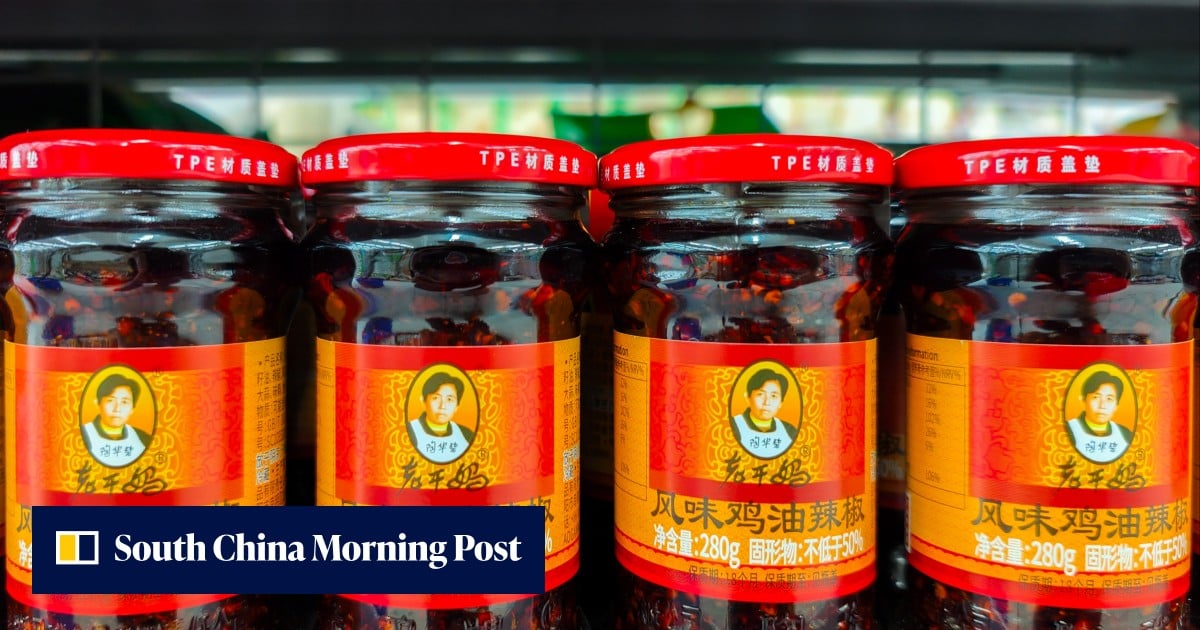
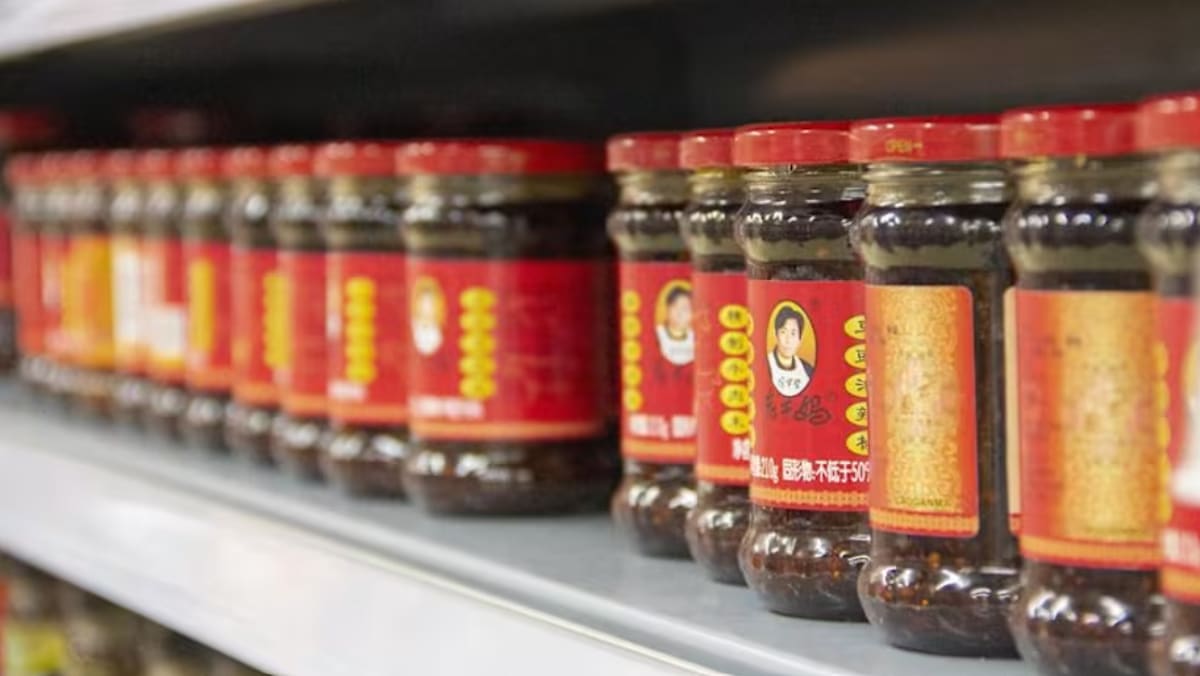
1 / 2
The story, neutrally told
Centre · 2Lao Gan Ma, the Guizhou-based chilli sauce maker, has denied online claims that it replaced hundreds of factory workers with artificial intelligence, after the claims spread on Weibo and prompted boycott threats. South China Morning PostN “Online rumours that the Guizhou-based company had replaced hundreds of factory workers with AI went viral, prompting boycott threats” Read at South China Morning Post ↗ CNAN “has denied allegations that it replaced hundreds of factory jobs by adopting artificial intelligence-driven production” Read at CNA ↗ Centre · 1The claim circulating on Weibo from Monday (26 October) was that the company had cut its chilli-sorting workforce from more than 600 people to 48 after installing an AI-powered inspection system. South China Morning PostN “claims spread that Lao Gan Ma had reduced its chilli-sorting workforce from more than 600 people to just 48 after installing an AI-powered inspection system” Read at South China Morning Post ↗ Centre · 2The company's response, given to Chinese media on Monday, confirmed it uses AI for quality inspection but said mass layoffs were false. A representative, described by the South China Morning Post as a human resources employee speaking to Ifeng, said: "We have never employed that many workers." South China Morning PostN “the company used AI technology for quality inspections, but reports of mass lay-offs were false.” Read at South China Morning Post ↗ CNAN “The spokesperson confirmed the use of AI inspection technology but said that the production line had "never employed that many workers" to begin with.” Read at CNA ↗
Centre · 1The origin of the figures is described differently. CNA says Li Xin, the company's executive vice-president and chief quality officer, told a provincial government conference that AI had cut defect rates and helped lift 2025 revenue to a record 5.4 billion yuan (US$810 million). CNA adds that he reportedly said the workers on one production line fell from over 600 to 48 after an AI pepper inspection system was introduced last year. CNAN “He also reportedly said that the number of workers on one production line fell from over 600 to just 48 after the introduction of an AI-powered pepper inspection system last year.”“helped the company achieve a record-high revenue of 5.4 billion yuan (US$810 million) in 2025” Read at CNA ↗ Centre · 1The South China Morning Post reports that Li Xin, whom it calls executive deputy general manager and chief quality officer, said at the 2026 Guizhou Provincial Quality Development Conference that AI visual inspection was fully introduced in 2025, according to Guizhou Daily. It says the original Guizhou Daily report contained no staffing figures and that later reports added unverified numbers. South China Morning PostN “the company had fully introduced AI-based visual inspection in 2025, according to a recent Guizhou Daily report.”“Subsequent reports added unverified staffing figures, fuelling speculation that the technology had led to widespread job losses. The original Guizhou Daily report contained no such figures.” Read at South China Morning Post ↗ Centre · 2The two outlets also give different timings for the conference: CNA says late September, while the South China Morning Post says earlier this month. CNAN “at a provincial government conference held in late September” Read at CNA ↗ South China Morning PostN “told the 2026 Guizhou Provincial Quality Development Conference earlier this month” Read at South China Morning Post ↗
Centre · 2Reaction on Weibo was split. Some users accused the company, which has cultivated a working-class image, of putting profit ahead of workers; one hashtag had passed 120 million views by Wednesday, and some users threatened to boycott the products. Others defended the change as routine industrial upgrading that could improve food safety, quality and productivity. CNAN “One hashtag attracted more than 120 million views as of Wednesday, with some users threatening to boycott Lao Gan Ma products.” Read at CNA ↗ South China Morning PostN “others defended the changes as a routine industrial upgrade.” Read at South China Morning Post ↗ Centre · 2The row comes as Beijing pushes AI adoption while trying to protect jobs. The South China Morning Post says the "AI Plus" plan targets 70 per cent adoption in strategic sectors by 2027 and 90 per cent by 2030, several AI-linked labour disputes have emerged this year, and the State Council last week urged caution and advance notice to staff before large AI roll-outs. South China Morning PostN “targeted adoption rates of 70 per cent in strategic sectors by 2027 and 90 per cent by 2030”“Last week, the State Council issued guidelines urging companies in labour-intensive industries to exercise caution over the pace and scale of AI deployment” Read at South China Morning Post ↗ CNAN “Beijing has vowed to safeguard jobs and boost hiring as it seeks to accelerate AI adoption” Read at CNA ↗ Centre · 1Kyle Chan of the Brookings Institution said the reaction was striking because Lao Gan Ma is "probably the furthest thing from people's minds when thinking about AI". He said firms risk tapping into anxieties that the official state narrative downplays, and argued that worker protections could go further, such as requiring firms to find alternative roles for displaced staff. South China Morning PostN ““Lao Gan Ma is such an iconic brand and probably the furthest thing from people’s minds when thinking about AI,” he said.”“requiring companies to find alternative roles for workers displaced by AI or retain them during a transition period” Read at South China Morning Post ↗
Centre · 1The company did not answer repeated calls to its headquarters seeking further comment on Wednesday. South China Morning PostN “Repeated calls to Lao Gan Ma’s headquarters seeking further comment went unanswered on Wednesday.” Read at South China Morning Post ↗
Every sentence links to the reporting it rests on. The pill in front of each says where its sources sit: Left, Centre or Right when one side supplies at least half of them, Mixed when they are evenly split. The number is how many outlets it cites.
Left0 outlets
No left outlet in our sources has covered this story yet.
Centre2 outlets
- Framing
- Both outlets treat it as a brand-reputation and AI-anxiety story. The South China Morning Post leads on how a rumour got attached to an iconic brand, while CNA leads on the company's denial of mass layoffs.
- Emphasis
- SCMP stresses the rumour's origin in unverified figures, expert comment and State Council policy. CNA stresses the executive's reported remarks, revenue figure and Weibo user quotes.
- Leaves out or plays down
- CNA does not note that the original Guizhou Daily report had no staffing figures. SCMP does not mention the 5.4 billion yuan revenue figure or the 120 million-view hashtag.
- Charged language
- “AI storm”“outrage”“unethical”
- For example
-
“Subsequent reports added unverified staffing figures, fuelling speculation that the technology had led to widespread job losses.” — South China Morning Post
“after reports of large-scale job cuts sparked outrage on social media” — CNA
Right0 outlets
No right outlet in our sources has covered this story yet.
What every side reports
- Lao Gan Ma denied that it replaced hundreds of workers with AI.
- The company confirmed it uses AI for quality inspection.
- A representative said the company never employed that many workers.
- Executive Li Xin spoke about AI at a Guizhou provincial conference.
- The claims prompted boycott threats and debate on Weibo.
Where accounts differ
-
Where the 600-to-48 figures came from
- Centre
- CNA says Li Xin reportedly said the line fell from over 600 workers to 48. SCMP says the original Guizhou Daily report had no such figures and that later reports added unverified numbers.
-
When the conference took place
- Centre
- CNA says late September; SCMP says earlier this month.
Lao Gan Ma organisation
Through a representative, the company confirms it uses AI for quality inspection but says reports of mass layoffs are false and that it never employed that many workers. It has not given further comment.
“said that claims of mass layoffs were false.” — CNA
““We have never employed that many workers,” the employee said.” — South China Morning Post
Left0 articles
No coverage yet.
Centre2 articles
-
How Lao Gan Ma, China’s iconic chilli brand, got caught in an AI storm
Neutral Explains how an unverified staffing figure turned a routine factory upgrade into a public AI-jobs controversy, with expert and policy context.
-
CNAN ·
China’s Lao Gan Ma denies mass layoffs linked to AI amid public backlash
Neutral Reports the company's denial alongside the executive's reported remarks and divided Weibo reaction.
Right0 articles
No coverage yet.
- 28 Oct 08:00 First South China Morning PostN How Lao Gan Ma, China’s iconic chilli brand, got caught in an AI storm
- 29 Oct 03:12 +19h 12m CNAN China’s Lao Gan Ma denies mass layoffs linked to AI amid public backlash
Times are when each article was published, or when we first saw it if the outlet gave no time.
Ask about this story
Loading…