Likud appeals election results, asks court to cancel voting at 120 polling stations
Likud filed an appeal with the Jerusalem District Court on Wednesday asking it to annul results at 120 polling stations and order new voting, citing voter tracking and ballot-secrecy breaches in Arab communities. Yashar, led by Gadi Eisenkot, says Likud is trying to delegitimize the result.
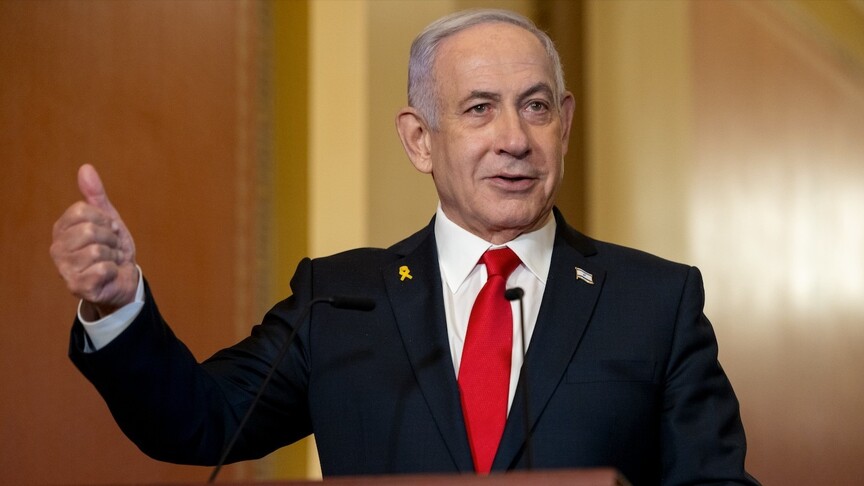
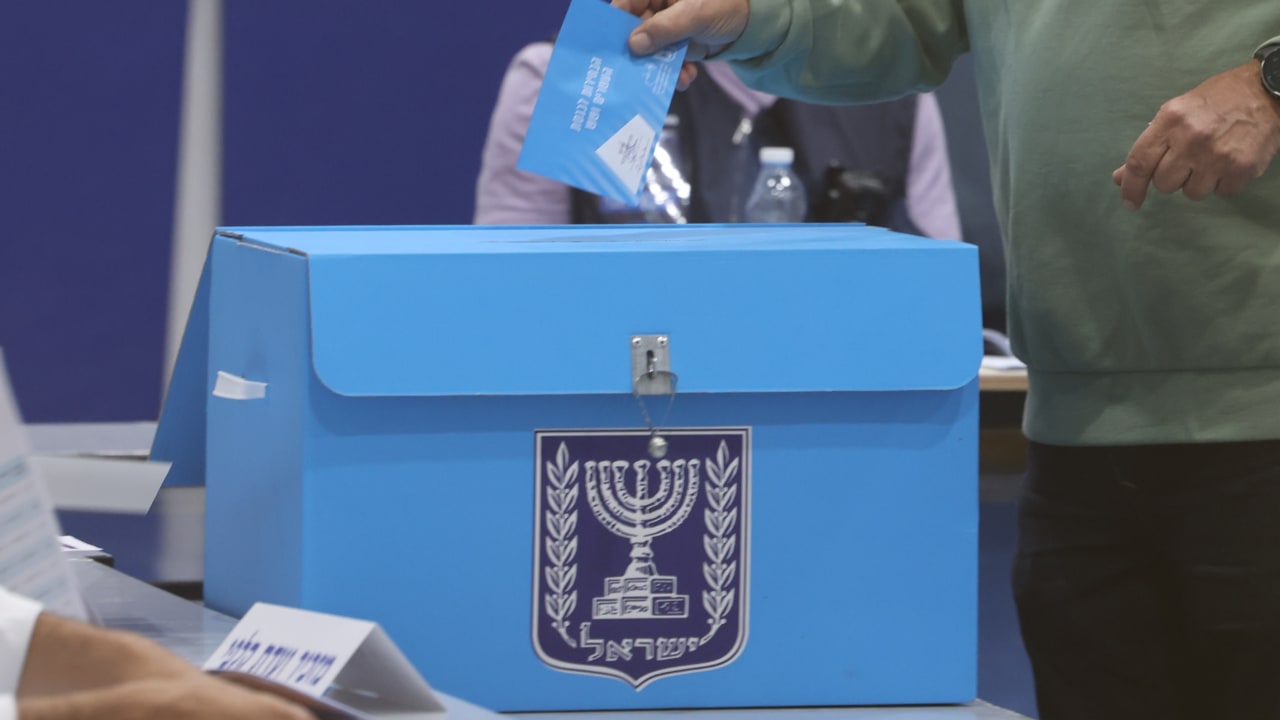
1 / 2
The story, neutrally told
Mixed · 2Likud filed an appeal on Wednesday 25 November with the Jerusalem District Court, sitting as an administrative court, asking it to cancel the results at 120 polling stations and order new voting there. Anadolu AgencyN “asking it to annul the results from 120 polling stations and order new voting at those locations” Read at Anadolu Agency ↗ The Jerusalem PostRC “asking the Jerusalem District Court to cancel voting results at 120 polling stations and order a new vote at those locations” Read at The Jerusalem Post ↗ Right · 1According to the Jerusalem Post, Likud argues that systematic violations in predominantly Arab communities undermined equality between the parties and the secrecy of the ballot. As an alternative, it asks for reruns at 95 polling stations across 41 communities. The Jerusalem PostRC “Alternatively, it seeks reruns at 95 polling stations across 41 communities.” Read at The Jerusalem Post ↗ Mixed · 2Likud alleges that real-time information on who had voted was gathered inside polling stations to boost turnout among those who had not yet voted, in breach of Supreme Court rulings. It says Ra'am and the Joint List gained an unfair advantage. Haaretz, cited by Anadolu, described the affidavits as alleging irregularities at dozens of polling stations in Arab towns, mostly involving the transfer of voters' identities. The Jerusalem PostRC “It argues that Ra'am and the Joint List gained an unfair advantage while Likud complied with the restrictions.” Read at The Jerusalem Post ↗ Anadolu AgencyN “most involving the transfer of information about voters’ identities in violation of rulings by the Central Elections Committee and the Supreme Court” Read at Anadolu Agency ↗
Right · 1The Jerusalem Post reports that the appeal cites affidavits describing violations at 95 polling stations, including in Nazareth, Tamra, Sakhnin, Umm el-Fahm, Rahat and Ein Mahil. It also alleges that ballot secrecy was violated at 53 polling stations in 23 communities, citing unauthorized people in voting booths, photographed ballot slips and slips handed to voters outside polling stations. The Jerusalem PostRC “Likud's appeal says affidavits describe violations at 95 polling stations, including in Nazareth, Tamra, Sakhnin, Umm el-Fahm, Rahat and Ein Mahil.”“ballot secrecy was violated at 53 polling stations in 23 communities” Read at The Jerusalem Post ↗ Right · 1Likud cites an expert opinion by Prof. Avraham Diskin to argue that prohibited activity yielded at least three seats. It also argues that subtracting 6,679 votes from Ra'am could move one seat to Shas, lifting the parties backing a Netanyahu-led government from 53 to 54, still seven short of a majority. Ra'am and the Joint List won eight and 11 seats respectively. The Jerusalem PostRC “raises serious suspicions of prohibited activity that yielded at least three seats”“That would still leave them seven seats short of a majority” Read at The Jerusalem Post ↗ Centre · 1Haaretz, cited by Anadolu, reported that the appeal did not include evidence of electoral bribery or widespread fraud. It quoted an unnamed Likud source as saying the party understood it lacked evidence of systematic fraud or vote-buying, so it focused on the reporting of voters' identities and the use of that information in get-out-the-vote applications. Haaretz also said Central Elections Committee officials believe that even if proven, the allegation would not give legal grounds to annul results at the stations. Anadolu AgencyN ““The appeal did not include evidence of electoral bribery or widespread fraud,” it said.”“it would not provide legal grounds to annul the results at the polling stations” Read at Anadolu Agency ↗
Right · 1The Jerusalem Post notes that the Central Elections Committee had repeatedly rejected claims of systematic harm to election integrity. Channel 12 reported that of roughly 800 Likud complaints, only about five contained substantive claims warranting further examination, and that many were duplicates. On 17 November, committee chairman Justice Noam Sohlberg said, with Shin Bet director David Zini's agreement, that there was no evidence at that stage of bribery on a scale that could affect the results. The Jerusalem PostRC “only about five contained substantive claims warranting further examination”“there was no evidence at that stage of bribery on a scale that could affect the results” Read at The Jerusalem Post ↗ Right · 1The dispute over voter tracking predates the vote. The Supreme Court overturned a committee permission for polling-station representatives to pass on who had voted on 17 September, and on 22 October it also barred digital counting and real-time transmission of turnout figures. The Jerusalem Post adds that encouraging people to vote is lawful, and the restriction concerns using information obtained inside polling stations for a party's campaign. The Jerusalem PostRC “the Supreme Court overturned that permission on September 17”“Encouraging people to vote is lawful; the restriction concerns representatives using information obtained inside polling stations to serve a party's campaign.” Read at The Jerusalem Post ↗ Mixed · 2Gadi Eisenkot's Yashar party said anyone who wants genuine unity does not wage a relentless campaign to delegitimize democratic election results and deny the will of the people. Anadolu AgencyN “Those who want true unity do not wage an incessant delegitimization campaign against the democratic election results” Read at Anadolu Agency ↗ The Jerusalem PostRC “Anyone who wants genuine unity does not wage a relentless campaign to delegitimize the results of democratic elections” Read at The Jerusalem Post ↗
Right · 1The appeal was filed through attorney Ilan Bombach after the court extended Likud's deadline to Wednesday. A three-judge panel will hear it, and the court can annul voting at particular stations and order a rerun, correct the allocation of votes, or decide that one candidate was elected instead of another. The Jerusalem Post says the legal test is whether an irregularity could have affected the seat distribution, and that an appeal does not suspend the Knesset's work. The Jerusalem PostRC “The appeal was filed through attorney Ilan Bombach with the Jerusalem District Court”“An election appeal does not suspend the Knesset's work or invalidate decisions it has already taken.” Read at The Jerusalem Post ↗ Centre · 1Anadolu notes that Eisenkot faces a 6 December deadline to form a government under a mandate from President Isaac Herzog, which can be extended by 14 days. Anadolu AgencyN “Eisenkot faces a Dec. 6 deadline to form a government under a mandate granted by President Isaac Herzog.” Read at Anadolu Agency ↗
Every sentence links to the reporting it rests on. The pill in front of each says where its sources sit: Left, Centre or Right when one side supplies at least half of them, Mixed when they are evenly split. The number is how many outlets it cites.
Left0 outlets
No left outlet in our sources has covered this story yet.
Centre1 outlet
- Framing
- Anadolu leads with Likud's challenge as an effort by Netanyahu's party to undermine the result, relaying Israeli press reports (Yedioth Ahronoth, Haaretz) and Yashar's accusation.
- Emphasis
- The appeal's lack of evidence of bribery or fraud, the Likud source admitting this, officials' view that it lacks legal grounds, and Eisenkot's government-formation deadline.
- Leaves out or plays down
- Omits the detailed grounds (95 stations, ballot-secrecy claims, seat arguments), the Central Elections Committee's earlier rejection of complaints and the court rulings on voter tracking.
- Charged language
- “Netanyahu’s Likud”“delegitimize election results”“deny ‘will of the people’”
- For example
-
“Gadi Eisenkot’s Yashar party accuses Likud of trying to delegitimize election results, deny ‘will of the people’” — Anadolu Agency
“The appeal did not include evidence of electoral bribery or widespread fraud” — Anadolu Agency
Right1 outlet
- Framing
- The Jerusalem Post reports the appeal in detail and procedurally, setting out Likud's allegations, legal background and the court process, with Yashar's criticism alongside.
- Emphasis
- Likud's specific allegations and legal arguments (stations, towns, seat calculations, Diskin opinion), the history of court rulings on voter tracking and how the court process works; also the committee's and Shin Bet's findings against the complaints.
- Leaves out or plays down
- Does not include Haaretz's report that Likud lacked evidence of systematic fraud or that committee officials see no legal grounds; mentions the weak record of complaints only through Channel 12 and the committee.
- Charged language
- “systematic violations”“unfair advantage”
- For example
-
“The largest party in the Knesset argues that systematic violations in predominantly Arab communities undermined equality between the parties and the secrecy of the ballot.” — The Jerusalem Post
“Party alleges unlawful voter tracking and breaches of ballot secrecy; Yashar accuses it of refusing to accept voters’ decision.” — The Jerusalem Post
What every side reports
- Likud appealed to the Jerusalem District Court on Wednesday 25 November to cancel results at 120 polling stations and order new voting.
- The allegations centre on the transfer of information about voters' identities at polling stations in Arab communities, in breach of court rulings.
- Yashar, led by Gadi Eisenkot, accused Likud of trying to delegitimize democratic results and deny the will of the people.
Where accounts differ
-
Strength of Likud's evidence and legal case
- Centre
- Anadolu, citing Haaretz, says the appeal had no evidence of bribery or widespread fraud, a Likud source conceded this, and committee officials see no legal grounds to annul.
- Right
- The Jerusalem Post sets out Likud's affidavits, expert opinion and seat arguments, while noting the committee found only about five of roughly 800 complaints substantive and that earlier probes found insufficient evidence to overturn results.
Likud party
Likud says systematic violations in Arab communities, including tracking of voters in real time and breaches of ballot secrecy, undermined fairness and warrant cancelling results at 120 stations or, alternatively, reruns at 95.
“Alternatively, it seeks reruns at 95 polling stations across 41 communities.” — The Jerusalem Post
“violating Supreme Court rulings” — The Jerusalem Post
Yashar party
Yashar, led by Gadi Eisenkot, says Likud is waging a campaign to delegitimize democratic results and deny the will of the people.
“Those who want true unity do not wage an incessant delegitimization campaign against the democratic election results” — Anadolu Agency
Benjamin Netanyahu person
Anadolu describes Netanyahu as caretaker prime minister whose party filed the challenge; no statement from Netanyahu himself is reported.
“Israeli caretaker Prime Minister Benjamin Netanyahu’s Likud party formally challenged the election results late Wednesday” — Anadolu Agency
Left0 articles
No coverage yet.
Centre1 article
-
Netanyahu’s Likud formally challenges election results at 120 polling stations
Critical Short report presenting the appeal as a bid to undermine the result, stressing the absence of fraud evidence and Yashar's rebuttal.
Right1 article
-
Likud appeals election results, asks for results from 120 polling stations to be canceled
Neutral Detailed explanatory report giving Likud's claims, the legal background and the committee's earlier findings, with Yashar's response.
- 25 Nov 17:28 First Anadolu AgencyN Netanyahu’s Likud formally challenges election results at 120 polling stations
- 25 Nov 18:00 +32m The Jerusalem PostRC Likud appeals election results, asks for results from 120 polling stations to be canceled
Times are when each article was published, or when we first saw it if the outlet gave no time.
Ask about this story
Loading…