Manoto documentary compiles Iranians' own videos of January 2026 protests and killings
Persian-language broadcaster Manoto released "This Is Our Story", a four-part documentary built from footage Iranians filmed during the protests that began on 28 December and the crackdown of 8-9 January. Coverage so far comes from two right-leaning Israeli outlets; the death toll remains disputed.
1 / 2
The story, neutrally told
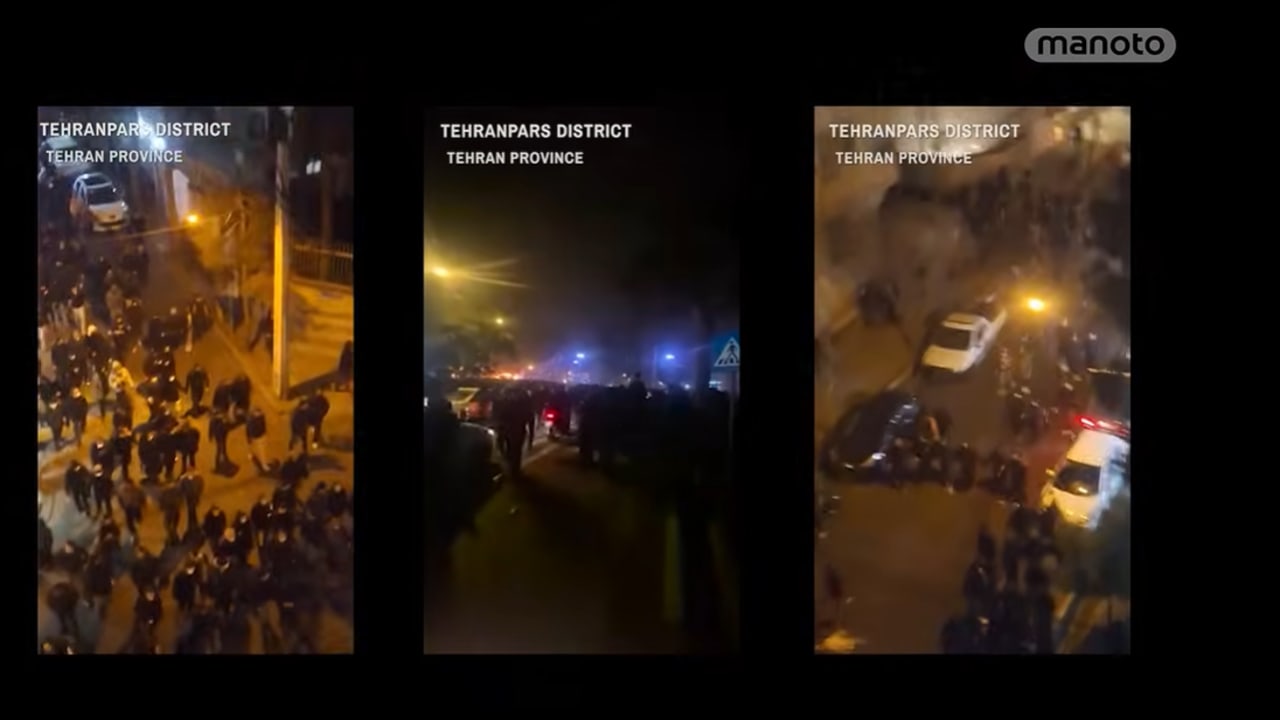
Manoto TV, a Persian-language outlet, has released "This Is Our Story", a four-part documentary on the Iranian uprising that began on 28 December and reached its most violent point on 8 and 9 January. The Jerusalem PostRC “Those voices form the backbone of This Is Our Story, Persian-language news outlet Manoto TV's four-part documentary on the uprising that began on December 28 and reached its most violent point on January 8 and 9.” Read at The Jerusalem Post ↗ JNS columnist Richard Pollock wrote that the film was released on 26 September and that all four episodes stream free on Manoto's YouTube channel, in Persian with English subtitles. JNSR ““This Is Our Story was released on Sept. 26. The four episodes are available for free, streaming on the Manoto YouTube channel.” Read at JNS ↗ Manoto says the film was assembled from a large archive of material filmed by ordinary Iranians; the Jerusalem Post reports that coverage around the release put the number of recordings reviewed at more than 10,000, and that the four episodes run over seven hours. The Jerusalem PostRC “The broadcaster says This Is Our Story was assembled from a vast archive of material filmed by ordinary Iranians, with reports around the documentary's release putting the number of recordings reviewed at more than 10,000.” Read at The Jerusalem Post ↗
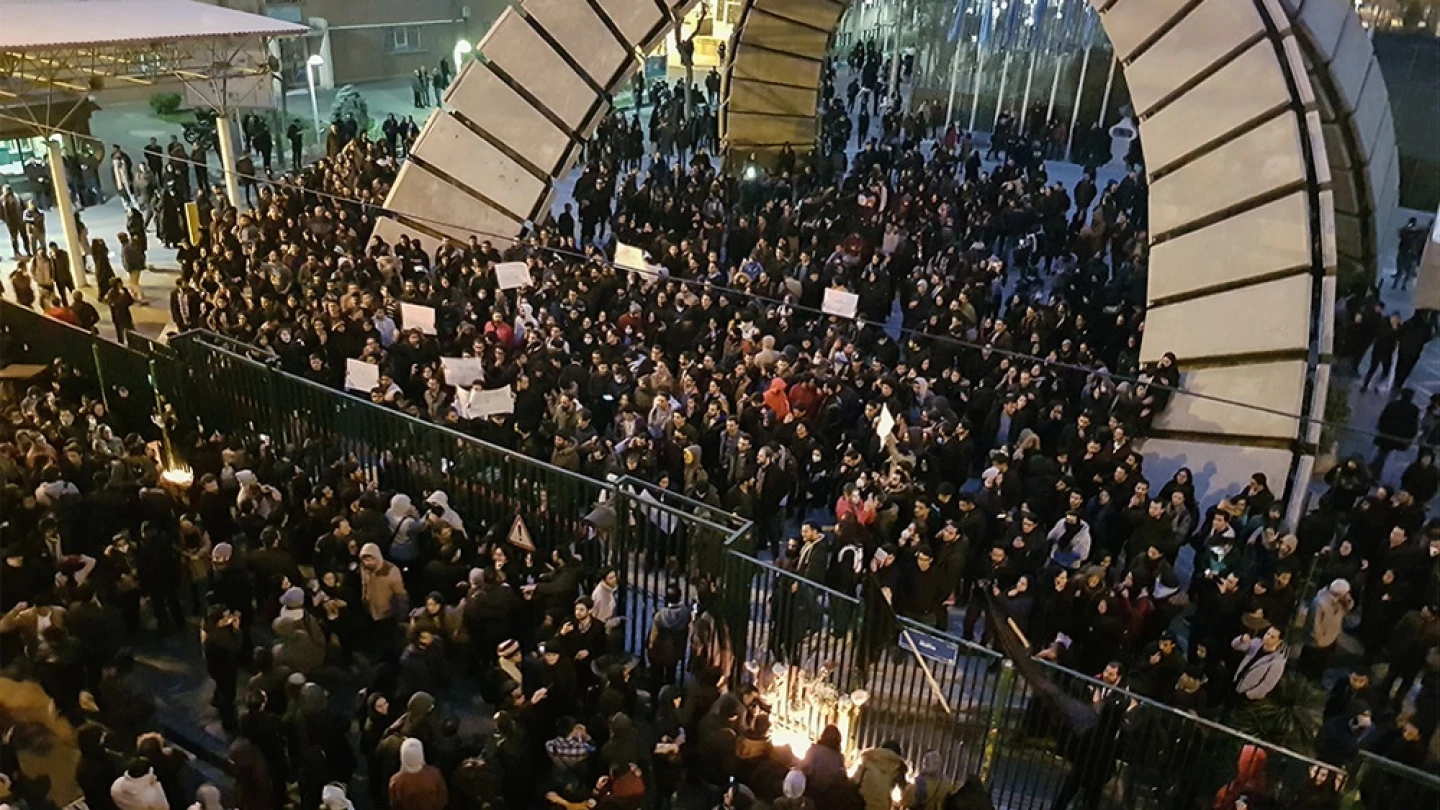
Manoto is described by JNS as an international Persian-language general entertainment channel founded in 2010 by a London-based Iranian couple. JNSR “Manoto is an international Persian-language general entertainment channel founded in 2010 by a London-based Iranian couple.” Read at JNS ↗ According to the Jerusalem Post's account, the film moves from early economic anger after the rial's collapse to chants against the Islamic Republic and in support of the Pahlavi dynasty, including "Javid shah", then to the mass mobilisation of 8 January, the killings and search for the missing, and finally funerals and 40-day mourning ceremonies. The Jerusalem PostRC “The four episodes stretch over more than seven hours and move through the first strikes and demonstrations, the mass mobilization of January 8, the killings and search for the missing, and finally the funerals and traditional 40-day mourning ceremonies.” Read at The Jerusalem Post ↗ Both outlets say that on 8 January crowds answered a call by exiled Crown Prince Reza Pahlavi to take to the streets, and that security forces then opened fire; the Jerusalem Post adds that Iran's authorities cut internet and phone links with the outside world that evening. The Jerusalem PostRC “Pahlavi had called for Iranians to pour into the streets at 8 p.m. that evening. Large crowds emerged across the country, and the Islamic Republic began cutting Iran off from the outside world.” Read at The Jerusalem Post ↗ JNSR “On Jan. 8, Iranian citizens answered a call from the late Shah’s eldest son, Reza Pahlavi, urging widespread demonstrations against the mullahs.” Read at JNS ↗
Footage described by the two writers includes people running from gunfire, a recording warning that shots came from the direction of the Nasimshahr police station, and scenes in Haft Hoz Square, Isfahan, Mashhad, Saveh and elsewhere, with bodies taken to hospitals and morgues. The Jerusalem PostRC “In Tehran Province, one recording captures warnings that the fire is coming from the direction of the Nasimshahr police station.” Read at The Jerusalem Post ↗ JNSR “In Haft Hoz Square, protesters fall to the ground.” Read at JNS ↗ The Jerusalem Post says Human Rights Watch verified footage of security forces shooting at protesters, including from Police Station 126 in Tehranpars, and that Amnesty International verified security forces firing rifles and shotguns loaded with metal pellets and concluded the communications shutdown was used while carrying out mass unlawful killings. The Jerusalem PostRC “Human Rights Watch verified footage of Iranian security forces shooting at protesters and found evidence of extensive killings across several provinces.”“Amnesty likewise verified security forces firing rifles and shotguns loaded with metal pellets from streets and rooftops” Read at The Jerusalem Post ↗ Iranian President Masoud Pezeshkian told Fox News on the sidelines of the UN General Assembly that Iran had published identification numbers and death certificates for around 3,000 people killed, about 500 of them security and police personnel, and that higher figures were false. The Jerusalem PostRC “Iran, he told Fox News, had published identification numbers and death certificates for around 3,000 people killed during the unrest, some 500 of whom he said were members of the security and police forces.” Read at The Jerusalem Post ↗
The Jerusalem Post says rights groups and some sources inside Iran have given significantly higher totals and that the blackout made a definitive figure extremely difficult to establish; JNS asserts, without sourcing in its opinion piece, that tens of thousands of protesters were killed on 8-9 January. The Jerusalem PostRC “Human rights organizations have documented significantly larger totals or estimates, while other sources inside Iran have suggested considerably higher numbers” Read at The Jerusalem Post ↗ JNSR “To put down the protests, from Jan. 8-9, Iran’s mullahs murdered tens of thousands of peaceful protesters in cold blood.” Read at JNS ↗ JNS also says the UN Human Rights Council last week concluded that the killings amounted to "crimes against humanity", noted that tens of thousands were detained, and warned that more than 70 people were at imminent risk of a death sentence. JNSR “The council concluded that the murders constituted “crimes against humanity.””““More than 70 individuals, including at least five women and three boys, remain at imminent risk of being sentenced to death.” Twenty-nine people have been executed.” Read at JNS ↗ Both writers compare the raw footage to recordings from the 7 October attack on Israel; Pollock, who says he watched about six hours, argues Western media have largely ignored the film. The Jerusalem PostRC “Anyone who has watched the raw videos recorded during the October 7 massacre in Israel will recognize something in the way fear is captured.” Read at The Jerusalem Post ↗ JNSR “Of course, the Western press hasn’t come even close to reporting fully on the revelations in this documentary. The story has simply disappeared.” Read at JNS ↗
Every sentence links to the reporting it rests on.
Left0 outlets
No left outlet in our sources has covered this story yet.
Centre0 outlets
No centre outlet in our sources has covered this story yet.
Right2 outlets
- Framing
- Both Israeli right-leaning outlets present the documentary as authentic, unfiltered testimony that counters Tehran's account; the Jerusalem Post as a news feature, JNS as an opinion column urging the West to bear witness.
- Emphasis
- Real-time citizen footage, the 8-9 January killings, morgue scenes, the communications blackout, comparison with 7 October, and Pezeshkian's lower death toll versus higher estimates.
- Leaves out or plays down
- No Iranian government response to the film, and no independent verification of the documentary's footage or of JNS's figures on turnout and deaths. No left or centre outlets covered the story.
- Charged language
- “mullahs”“in cold blood”“reign of terror”“savage Islamic murders”“the regime”
- For example
-
“it is a revolution documented in real time by Iran's citizens.” — The Jerusalem Post
“A new documentary reveals the hidden truth about Iran’s mass slaughter of protesters.” — JNS
What every side reports
- Manoto released a four-part documentary, This Is Our Story, built from videos filmed by Iranians during the protests.
- The protests began on 28 December and security forces opened fire on crowds on 8-9 January after Reza Pahlavi called for demonstrations.
- The film also covers morgues, the search for the missing and funerals.
Where accounts differ
-
Death toll from the January crackdown
- Right
- JPost cites Pezeshkian's figure of about 3,000 identified deaths (about 500 security personnel) and says rights groups and others report far higher totals; JNS asserts tens of thousands were killed.
-
Nature of the unrest
- Right
- Both outlets describe peaceful protesters killed by the state; the Jerusalem Post notes that Pezeshkian and Khamenei described protesters as "rioters and terrorists" or "mercenaries for foreigners" and blamed the US and Israel.
Manoto organisation
Manoto presents the film as an archive-based account assembled from footage filmed by ordinary Iranians, free to watch on YouTube.
“The broadcaster says This Is Our Story was assembled from a vast archive of material filmed by ordinary Iranians” — The Jerusalem Post
Iran place
President Pezeshkian says about 3,000 deaths are documented, including about 500 security personnel, and blames armed "instigators" and "weaponized" demonstrations; the film's recordings and rights groups contradict this account in the outlets' telling.
“Reports suggesting far greater numbers had been killed were false, he insisted, while describing armed “instigators,” the “firepower of the rioters,” and demonstrations that had been “weaponized.”” — The Jerusalem Post
Left0 articles
No coverage yet.
Centre0 articles
No coverage yet.
Right2 articles
-
JNSR · · Opinion
Alarmist Opinion column calling the film proof of a hidden slaughter and criticising the West's response as "pathetic".
-
In their own voice: How Iran’s citizens documented January's massacres in Manoto documentary
Sympathetic News feature praising the documentary as a powerful citizen-recorded counter to the Iranian government's account, backed by HRW and Amnesty findings.
- 1 Oct 19:04 First The Jerusalem PostRC In their own voice: How Iran’s citizens documented January's massacres in Manoto documentary
- 1 Oct 19:30 +26m JNSR Iran’s unseen uprising Opinion
Times are when each article was published, or when we first saw it if the outlet gave no time.