Medicaid work requirements and slow disaster declarations risk coverage for disaster-hit enrollees
New Medicaid work requirements take effect with eligibility checks from January, and the disaster exemption depends on presidential declarations that can take months or never come. Reporting from Hawaiʻi and Nebraska describes the risk to people who lose jobs after disasters.
1 / 2
The story, neutrally told
Mixed · 2New work rules in the One Big Beautiful Bill Act require many nondisabled adults on Medicaid in 43 states and Washington, D.C., to work, volunteer or attend school at least 80 hours a month, with eligibility checks starting in January. KFF Health NewsN “The law requires many nondisabled adults enrolled in Medicaid in 43 states and Washington, D.C., to work, volunteer, or attend school at least 80 hours a month, with eligibility checks starting in January.” Read at KFF Health News ↗ CBS NewsLC “with eligibility checks starting in January.” Read at CBS News ↗ Mixed · 2Most states can grant residents affected by a disaster a short-term exemption, but it largely depends on a presidential disaster or emergency declaration, which can take months or may not come at all. KFF Health NewsN “Eligibility largely relies on a federal law that allows the president to issue a disaster or emergency declaration and authorizes federal assistance, but any declaration can take months or may not come at all.” Read at KFF Health News ↗ CBS NewsLC “In most states, residents impacted by a disaster can be granted a short-term exemption from Medicaid work requirements.” Read at CBS News ↗ Centre · 1Once a declaration is made, the exemption applies for the full month of the disaster, can apply retroactively, and enrollees can be reimbursed for expenses from earlier months. KFF Health NewsN “Once the president declares a disaster or emergency, the short-term hardship exception applies for the full month the disaster took place.” Read at KFF Health News ↗
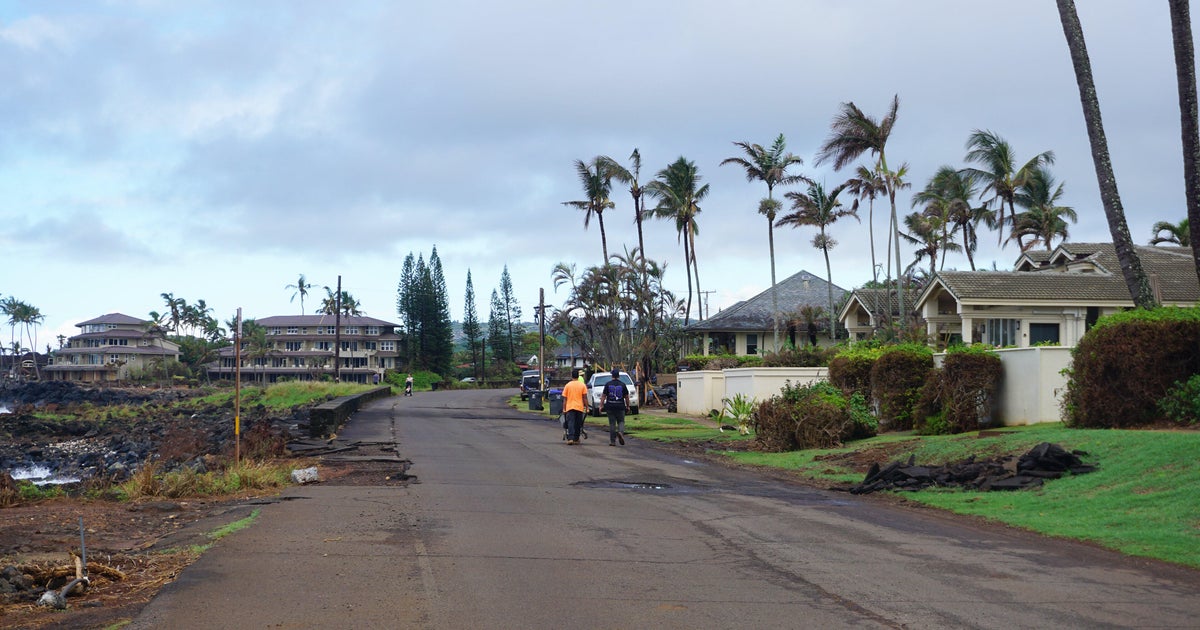
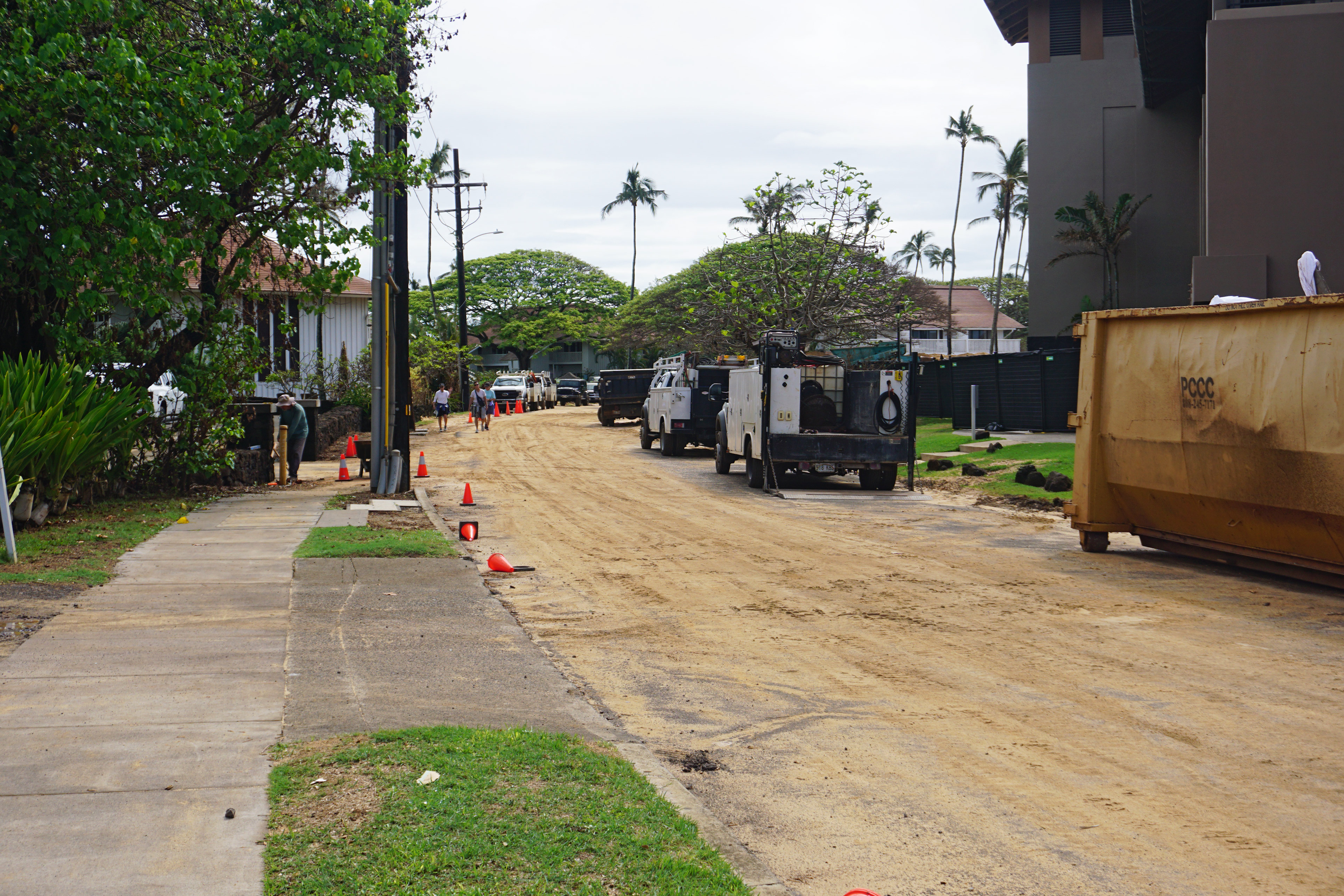
Mixed · 2On Kauaʻi, unemployment claims rose from 69 before September's Hurricane Lowell to about 1,800 nearly two weeks afterward, amid tourism layoffs, and Medicaid applications from island residents rose about 50% the following month, according to the Hawaiʻi Department of Human Services. KFF Health NewsN “On Kauaʻi, unemployment claims jumped from 69 before the September hurricane to about 1,800 nearly two weeks afterward” Read at KFF Health News ↗ CBS NewsLC “The number of Medicaid applications submitted by island residents jumped by about 50% in the following month, according to the Hawaiʻi Department of Human Services.” Read at CBS News ↗ Centre · 1It is unclear whether people who lost jobs after Hurricane Lowell would qualify for the exemption months later, and the article says the Trump administration has not given clear guidance on how long a state can apply it. KFF Health NewsN “The Trump administration hasn’t offered clear guidance on how long a state can apply the natural disaster exemption to enrollees.” Read at KFF Health News ↗ Centre · 1CMS allowed states to delay enforcement of the work requirements until next July, though eligibility checks are still expected by Jan. 1; Hawaiʻi officials said they will keep people who don't meet the requirements enrolled until July. KFF Health NewsN “The Centers for Medicare & Medicaid Services allowed states to delay enforcing the work requirements until next July, but states are still expected to implement eligibility checks by Jan. 1.”“Hawaiʻi officials said they will keep people who don’t meet the work requirements enrolled until July.” Read at KFF Health News ↗
Centre · 1Hawaiʻi Gov. Josh Green, a Democrat and physician, stressed quick disaster declarations, calling the loss of coverage for 40,000 or 50,000 people "devastating" for rural hospitals and providers. KFF Health NewsN ““It would be devastating if suddenly 40,000 or 50,000 people didn’t have their Medicaid benefits,” he said.” Read at KFF Health News ↗ Centre · 1At least 34 states plus D.C. plan to adopt the optional hardship exemptions; according to KFF, Indiana, Iowa, Missouri and Ohio do not, though all four received disaster declarations for severe storms and flooding this summer. CMS spokesperson Timothy Foster said states can request a longer exemption if they show barriers persist in disaster areas. KFF Health NewsN “At least 34 states, plus Washington, D.C., plan to adopt the optional hardship exemptions to those work requirements.”“states can request a longer duration for a hardship exemption if they can prove that barriers to demonstrating work requirements persist in disaster areas.” Read at KFF Health News ↗ Mixed · 2Nebraska began work requirements early, in May. Trump took three months to declare a disaster for the March and April wildfires and did not declare one for May storms until August; six Nebraskans lost coverage for not complying, and in October the state said it was reprocessing their eligibility under the hardship exemption. KFF Health NewsN “Six Nebraskans impacted by the disasters lost coverage because they did not comply with work requirements.” Read at KFF Health News ↗ CBS NewsLC “It took three months for Mr. Trump to declare a federal disaster for March and April wildfires.” Read at CBS News ↗
Centre · 1Tom Cotter of Health Response Alliance said people who lose coverage turn to emergency rooms and charitable clinics already stretched in emergencies, and Sarah Maresh of Nebraska Appleseed said the rollout has been marred by uncertainty. KFF Health NewsN “when people lose coverage they end up using emergency rooms and charitable clinics”“the early rollout of the Medicaid work requirements has been marred by uncertainty.” Read at KFF Health News ↗ Centre · 1Several Democratic states sued CMS over the exemption rules, citing the narrow time frame for securing disaster exceptions; CMS responded that the restrictions ensure the exemption applies only when a disaster affects enrollees' ability to comply. KFF Health NewsN “several Democratic states sued the agency. Their lawsuit cited the narrow time frame for securing natural disaster exceptions.”“the restrictions ensure the exemption applies only when a disaster affects Medicaid enrollees’ ability to comply with work requirements.” Read at KFF Health News ↗ Centre · 1KFF Health News found Trump has denied nearly a quarter of disaster and emergency declaration requests in his second term as of mid-November, a higher rate than any administration in over two decades, with Democratic-governed states facing higher denial rates and longer waits per AP and Politico's E&E News analyses. White House spokesperson Lauren Bis denied any politicization, saying federal funds should "supplement — not substitute" state obligations. KFF Health NewsN “he has denied nearly a quarter of disaster and emergency declaration requests as of mid-November, a denial rate higher than that of any other presidential administration in more than two decades, KFF Health News found.”“White House spokesperson Lauren Bis denied any politicization in Trump’s decisions on disaster relief.” Read at KFF Health News ↗
Centre · 1Examples of waits include about three months for a Hawaiʻi Island earthquake declaration, nine months for New Mexico, and over seven months and a denial for Illinois. KFF Health NewsN “New Mexico, where the Democratic Party controls the governor’s office and majorities in both legislative chambers, had one of the longest wait times for a decision — nine months”“Illinois, which also has a Democratic trifecta, waited over seven months and was denied.” Read at KFF Health News ↗
Every sentence links to the reporting it rests on. The pill in front of each says where its sources sit: Left, Centre or Right when one side supplies at least half of them, Mixed when they are evenly split. The number is how many outlets it cites.
Left1 outlet
- Framing
- CBS News carries the KFF Health News report on how work rules burden people recovering from disasters, led by Kauaʻi after Hurricane Lowell.
- Emphasis
- Human impact, delays in presidential declarations, and states' differing treatment.
- Leaves out or plays down
- Text is substantively the same as the KFF piece; no added reporting or outside voices from the administration beyond CMS and White House statements.
- Charged language
- “barriers”
- For example
-
“new work requirements create barriers for those trying to recover from natural disasters.” — CBS News
Centre1 outlet
- Framing
- KFF Health News, the original publisher (byline Ashley Mizuo), frames the work rules as adding barriers for potential enrollees after disasters.
- Emphasis
- Hawaiʻi and Nebraska examples, declaration delays, and its own analysis of denial rates.
- Leaves out or plays down
- Few voices defending the requirements beyond CMS and White House statements.
- Charged language
- “barriers”
- For example
-
“But new work requirements create barriers for those trying to recover from natural disasters.” — KFF Health News
Right0 outlets
No right outlet in our sources has covered this story yet.
What every side reports
- The work requirements apply to many nondisabled adults in 43 states and D.C., with eligibility checks starting in January.
- The disaster exemption depends largely on a presidential declaration that can take months.
- Kauaʻi unemployment claims rose from 69 to about 1,800 after Hurricane Lowell.
- Six Nebraskans lost coverage before the state reprocessed their eligibility.
Where accounts differ
-
Whether disaster declaration decisions are politicized
- Left
- Reports KFF's finding of higher denial rates and longer waits for Democratic-led states; White House spokesperson Lauren Bis denies politicization.
- Centre
- Same reporting and same denial from the White House spokesperson.
Left1 article
-
When disaster strikes, Medicaid work rules add barriers
Sympathetic Republished KFF Health News reporting centred on disaster-hit workers at risk of losing coverage.
Centre1 article
-
When Disaster Strikes, Medicaid Work Rules Add Barriers for Potential Enrollees
Sympathetic Original report highlighting how declaration delays and unclear guidance threaten coverage for disaster-affected enrollees.
Right0 articles
No coverage yet.
- 23 Nov 10:00 First CBS NewsLC When disaster strikes, Medicaid work rules add barriers
- 24 Nov 10:00 +24h KFF Health NewsN When Disaster Strikes, Medicaid Work Rules Add Barriers for Potential Enrollees
Times are when each article was published, or when we first saw it if the outlet gave no time.
Ask about this story
Loading…